

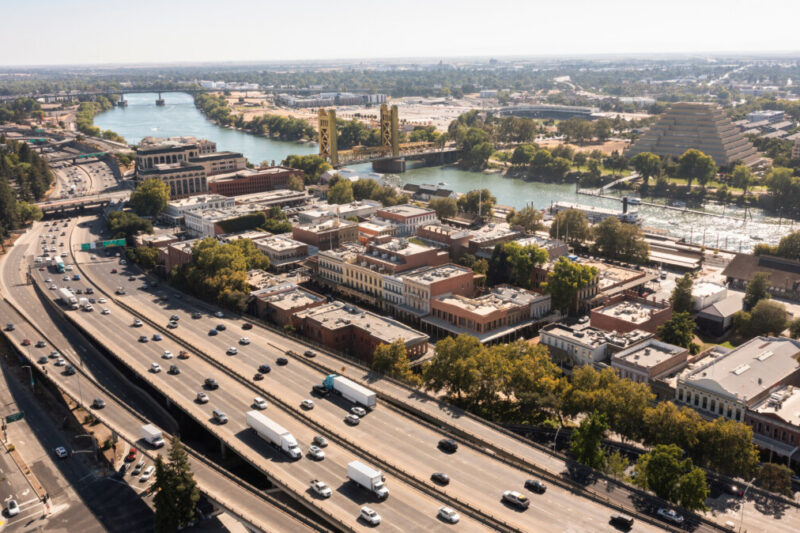
Sacramento
California’s capital trades beach culture for farm-to-fork dining, a gold rush history you can walk through, and a river scene that locals quietly protect.
Mid-range travel is the comfortable middle: private rooms, a mix of sit-down meals and casual bites, the occasional guided tour, and room in the budget to say yes to a splurge. In the U.S. that comfort now averages around $325 a day — a figure that has climbed about 7% over the past year as travel prices keep rising. Everything filed here helps you travel well without paying full luxury rates.
California’s capital trades beach culture for farm-to-fork dining, a gold rush history you can walk through, and a river scene that locals quietly protect.
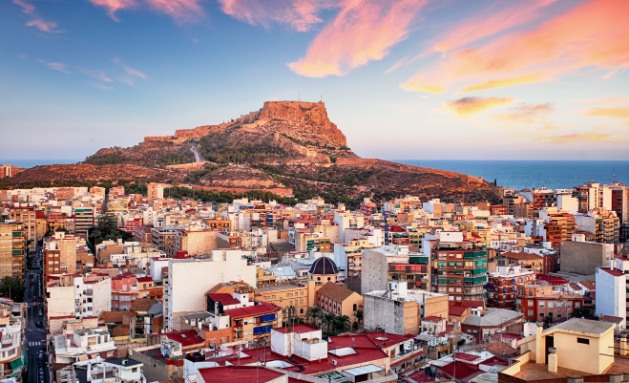
Santa Barbara sits on a rare south-facing stretch of California coast where the mountains drop straight to the beach. The wine country behind it seals the deal.


Eindhoven is where Philips started and the Dutch Design Week happens — an industrial city turned creative hub with more innovation per square meter than Amsterdam.

Frankfurt is “Mainhattan” — a banking skyline alongside medieval Römerberg square, apple wine taverns, and a riverfront that comes alive at sunset.
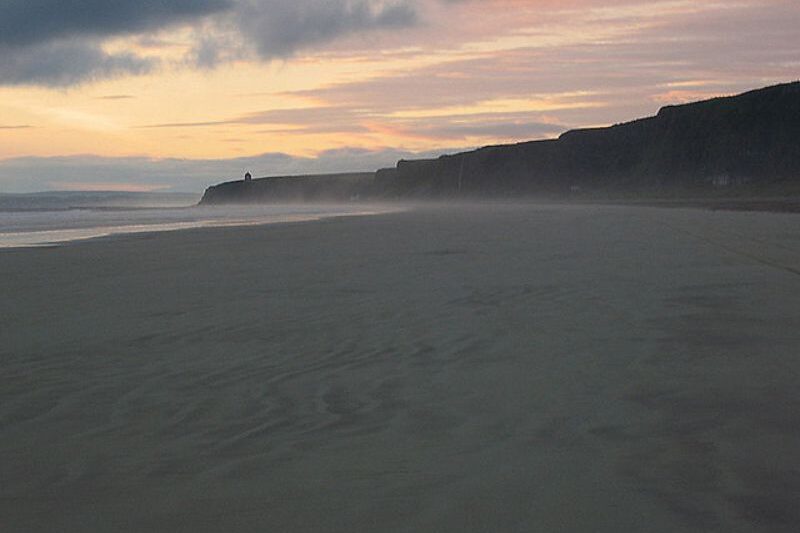
Dublin runs on literary history, live music in pubs that haven’t changed in decades, and a warmth from locals that makes every visitor feel expected.
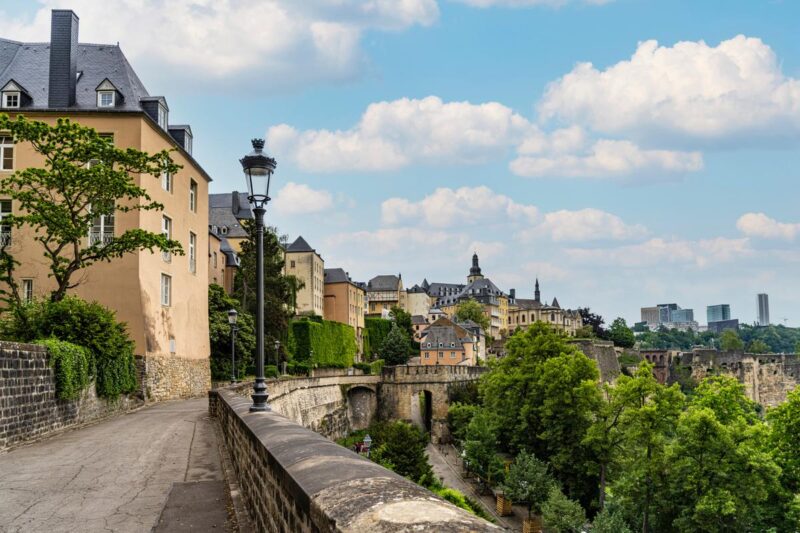
Luxembourg City packs medieval casemates, a dramatic gorge cutting through the center, and a multilingual culture into one of Europe’s smallest capitals.
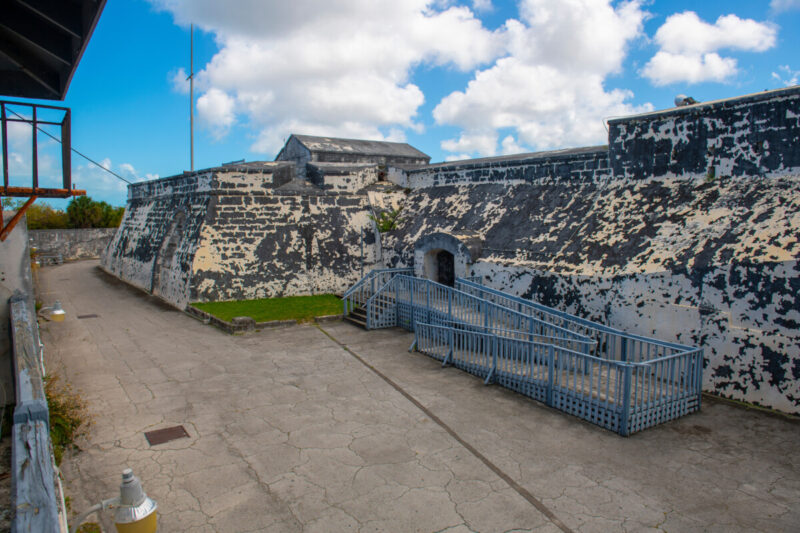
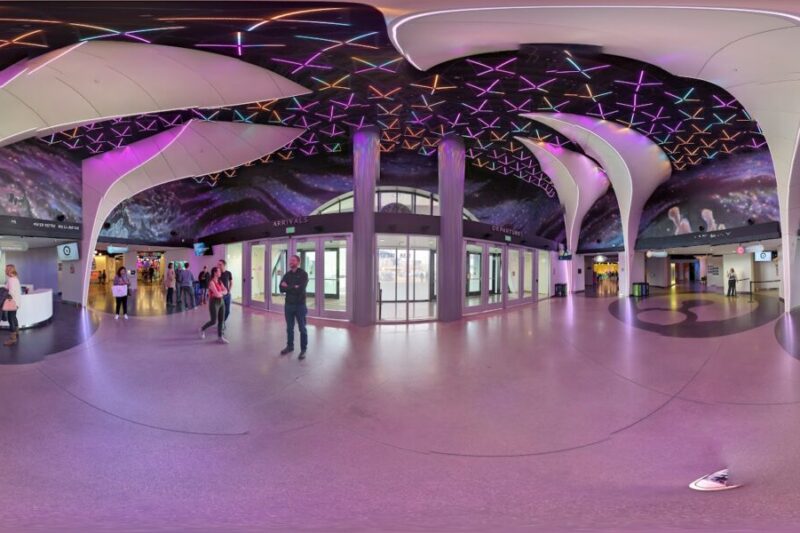
Denver sits a mile above sea level at the foot of the Rockies — craft breweries outnumber Starbucks and the mountains are a 45-minute drive from downtown.
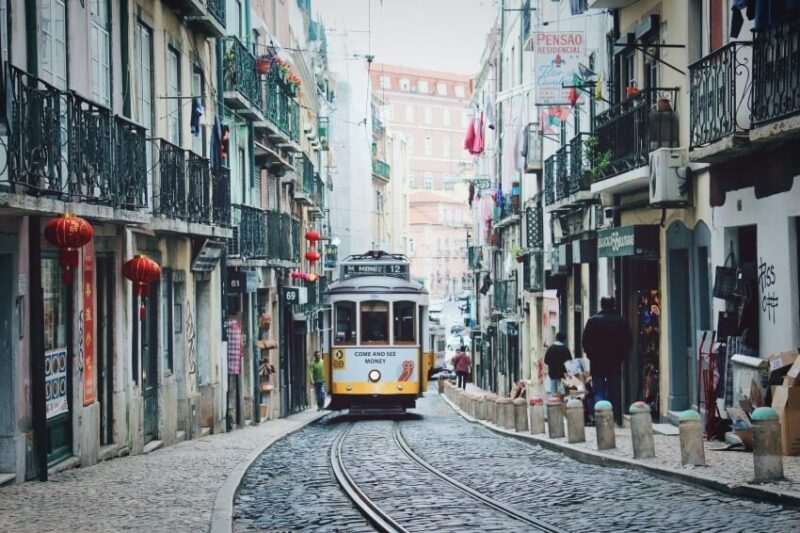
Lisbon spreads across seven hills with tram 28 rattling through neighborhoods where fado music drifts from doorways and pastéis de nata cost under €2.
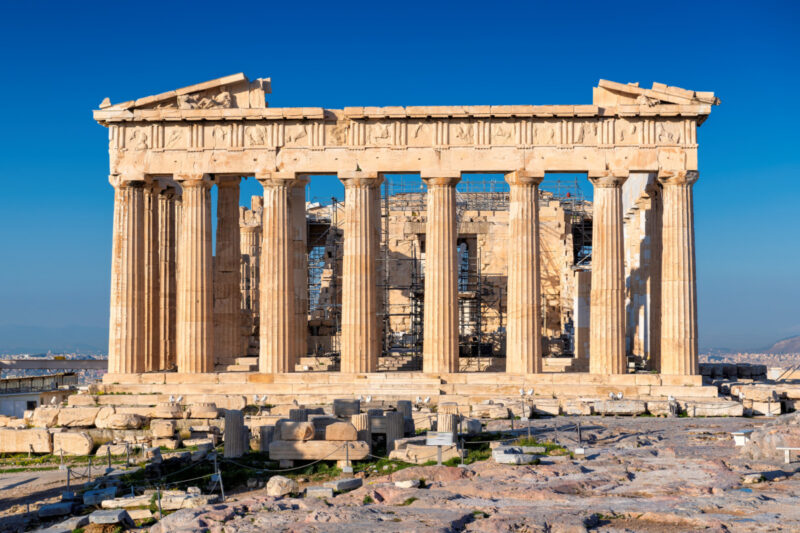
Athens has the Acropolis towering over a city where 3,400 years of history sit next to street art, rooftop bars, and €3 souvlaki that rivals any fine dining.

Dallas pairs big Texas energy with an arts district that rivals any coastal city — plus the BBQ, Tex-Mex, and a skyline that earns its swagger.

Jacksonville is the largest city by area in the lower 48 — beaches, a riverfront downtown, and enough room to avoid the crowds that plague Florida’s coasts.

Fort Worth keeps the cowboy heritage alive with the Stockyards while the Cultural District houses museums that would hold their own in any major city.
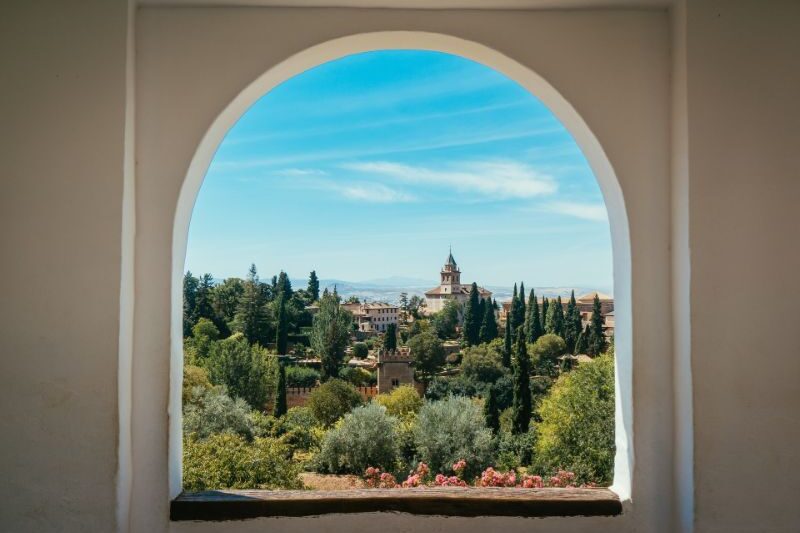
Madrid runs on late dinners, the Prado, and a cafe culture that treats sitting still as an art form. The Royal Palace is just the opening act.

Houston has NASA’s Space Center, a food scene shaped by 145 languages spoken in the city, and a cultural depth most people don’t expect from Texas.
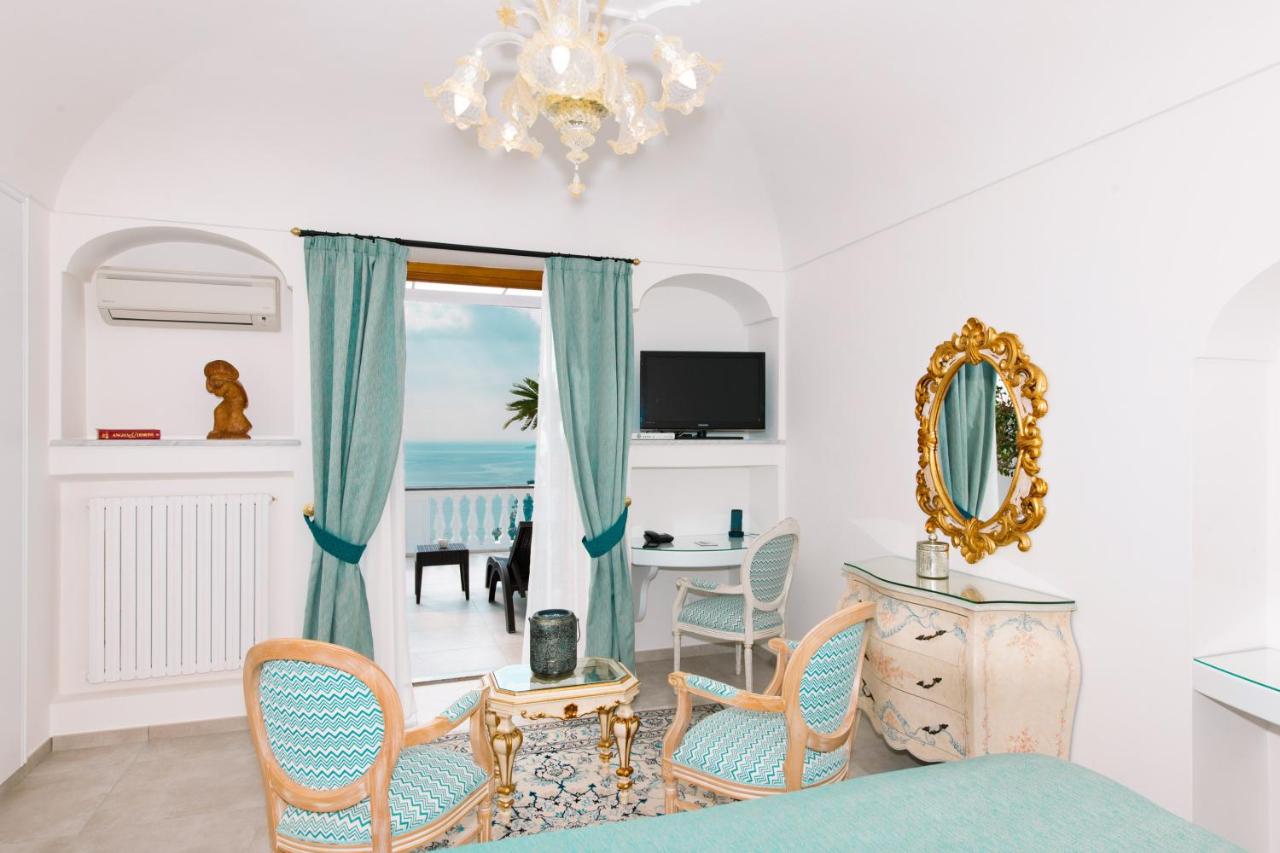
A 12-room cliffside villa in upper Positano where every terrace faces the sea — and the family-run kitchen makes leaving for dinner feel unnecessary.
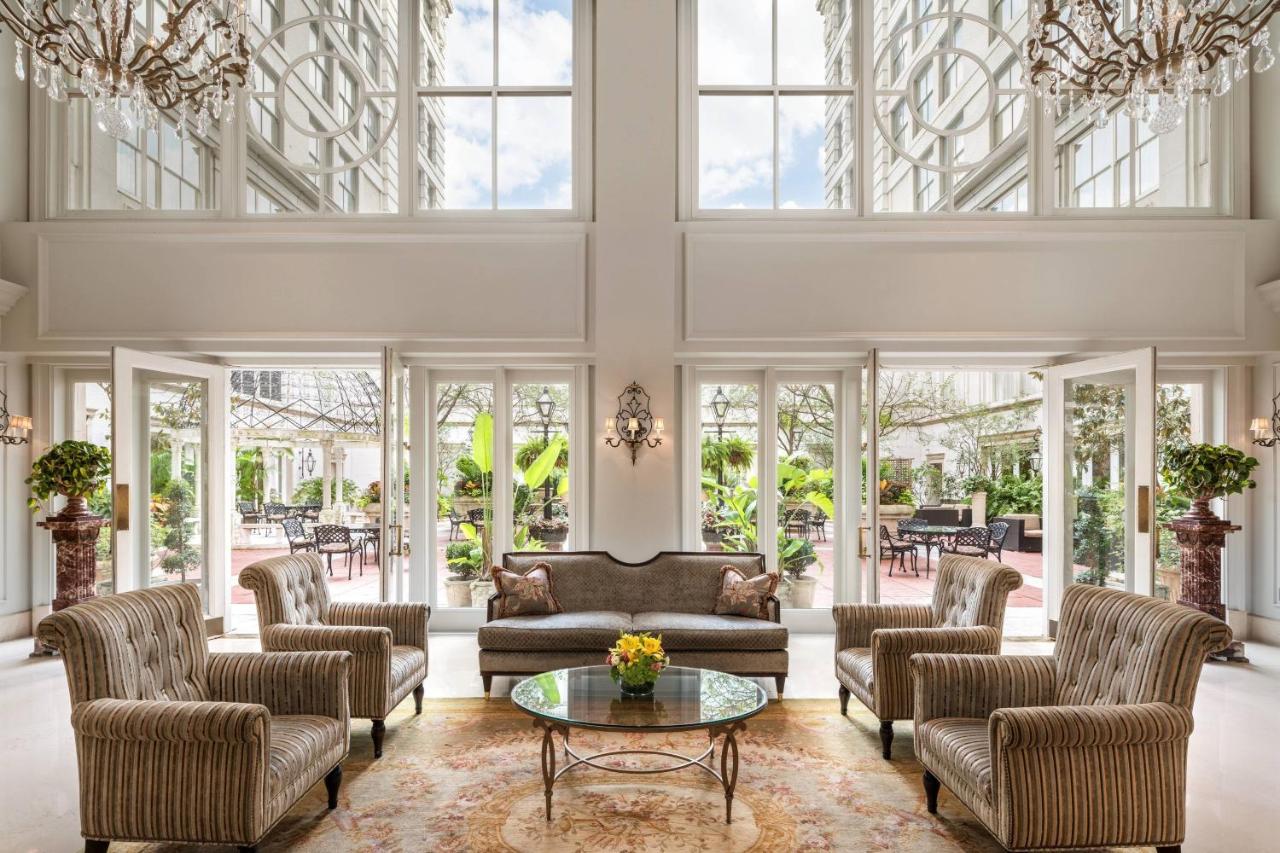
A $3M art collection, 25,000 sq ft of spa, and live jazz in a 1908 Beaux Arts building — the Ritz New Orleans earns its rate.
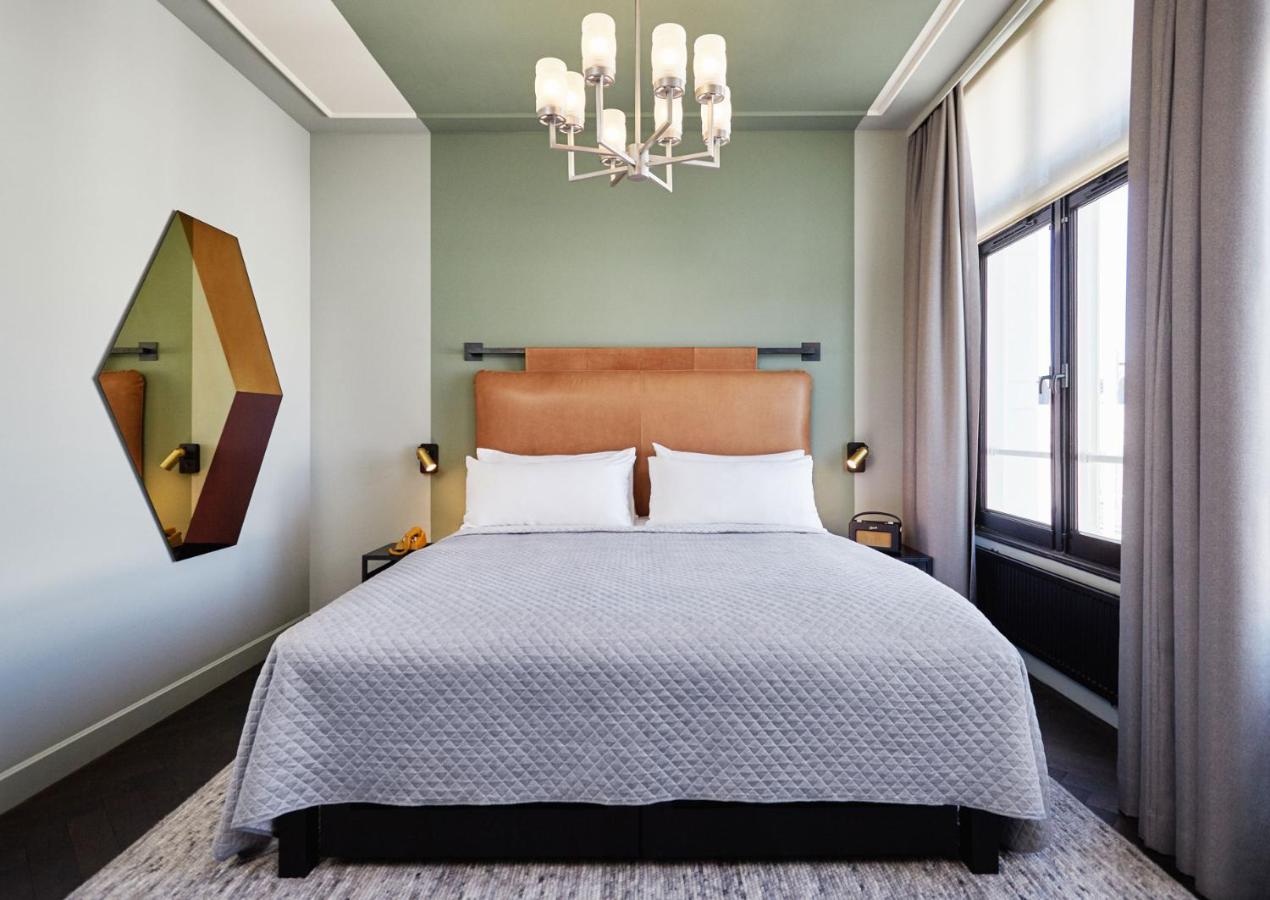
A 17th-century mayor’s house on Herengracht turned boutique hotel — canal views, free bikes, and The 9 Streets literally at your door.

A 15th-century Gothic monastery turned boutique hotel — the vaulted ceilings and stained glass stayed. The minimalist rooms are a sharp, deliberate contrast.
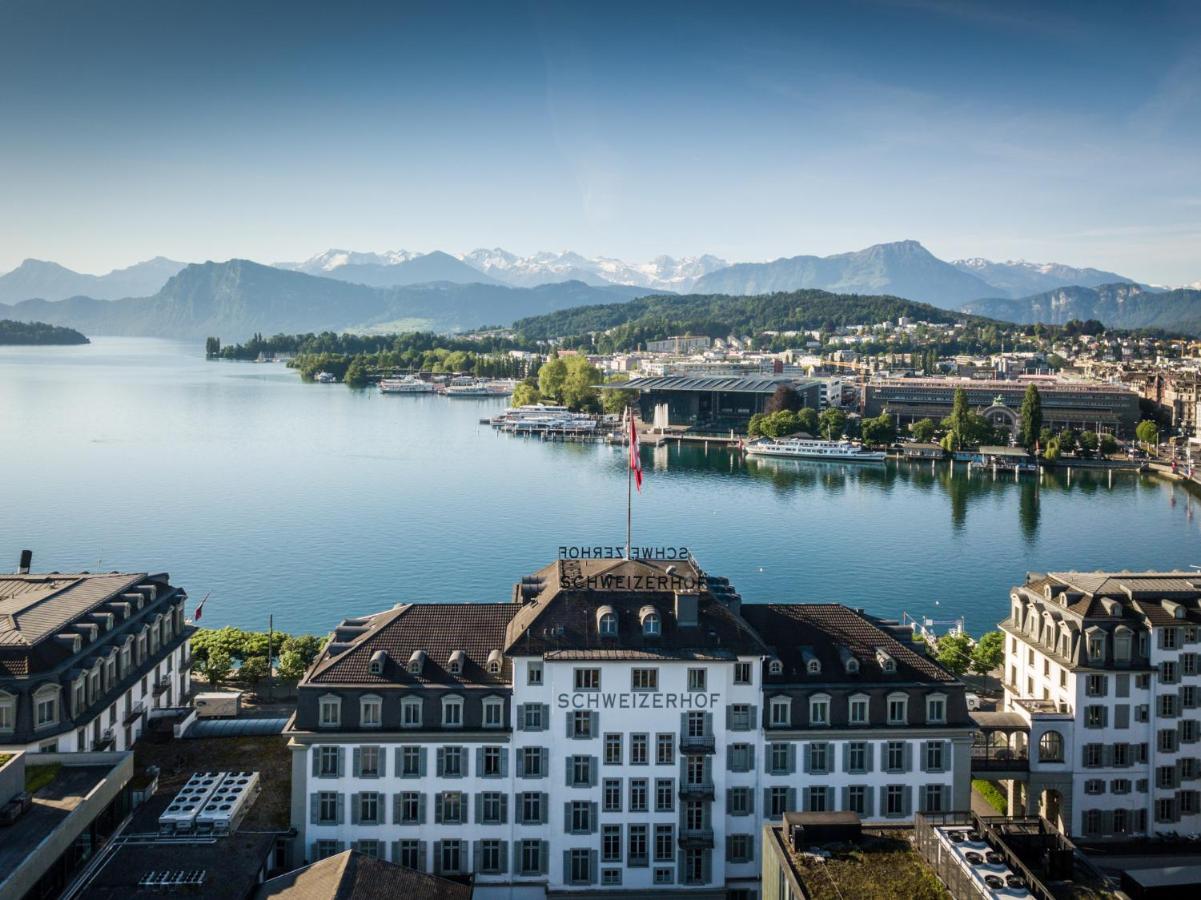
A restored 19th-century City Palais three minutes from the station — the ornamental ceilings alone make it worth the splurge.

Steigenberger Icon Wiltchers sits in the heart of Brussels — polished service, well-appointed rooms, and close enough to walk almost everywhere.
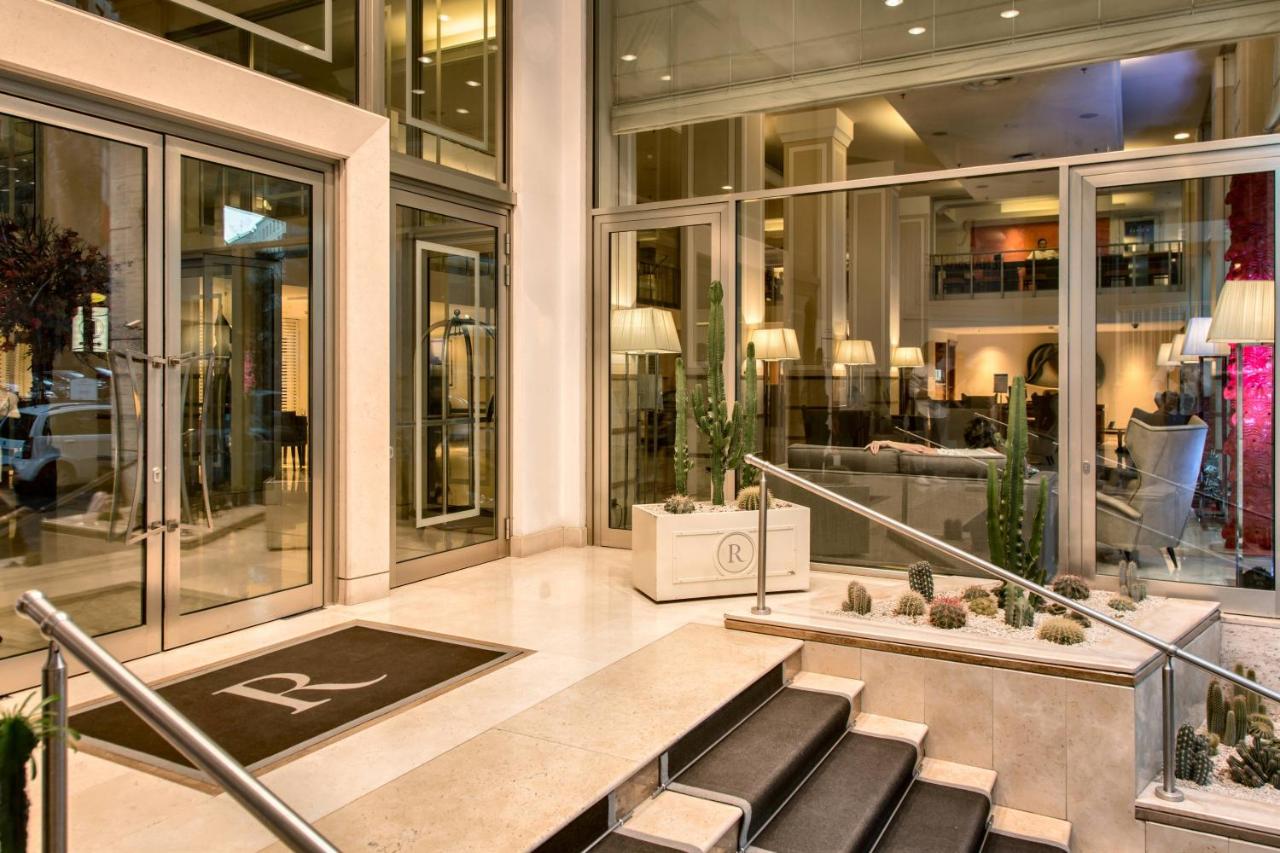
The dinner theater alone sets this Naples hotel apart — live performances with your meal is not something most Mediterranean properties can pull off.
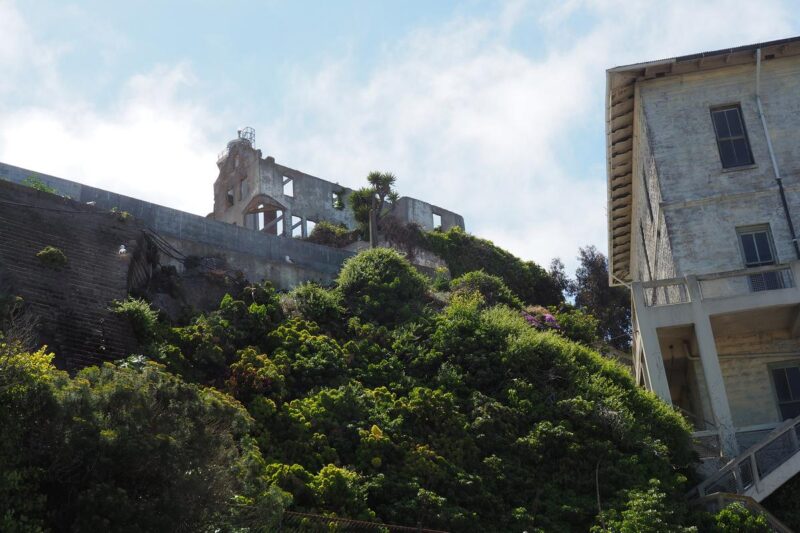
San Francisco packs 43 hills, the Golden Gate Bridge, and fog that rolls in like a movie scene into a 7×7-mile peninsula. Every neighborhood is its own city.