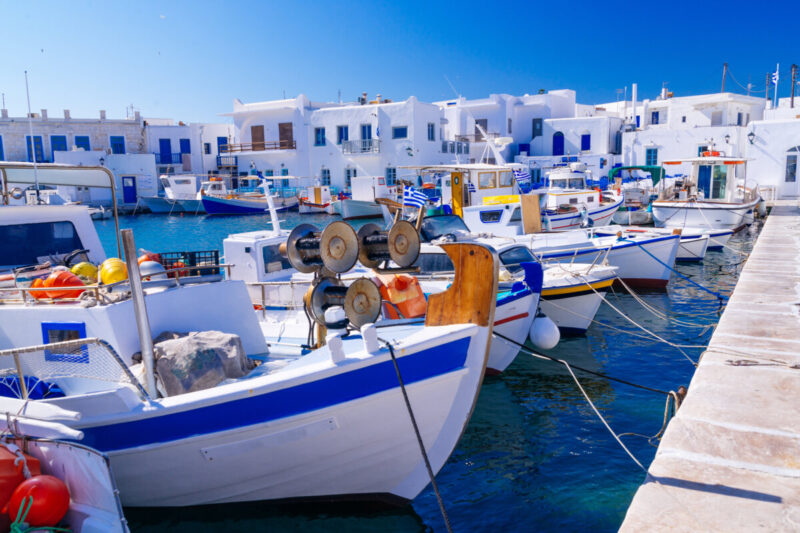
Corfu, a stunning island in the Ionian Sea, is renowned for its lush landscapes, rich history, and beautiful beaches. With its charming old town, a UNESCO World Heritage site, visitors can explore Venetian architecture, vibrant markets, and serene coastal views. Corfu offers a perfect blend of relaxation and adventure, making it a popular destination for travelers.
The destination guide
Corfu

Travel guides for Corfu
Things to do (1)
Where to stay (1)
More guides featuring Corfu (10)
At a glance
Currency€ EURCode: EUR
Time zoneEastern European Time
Languages
- Greek
Setting
- Ionian island
- Sandy beaches
- Olive groves
- Venetian architecture
Population102K102,071 residents
VisaDuration: Up to 90 days within any 180-day period in the Schengen Area · Documents: Valid passport issued within the last 10 years and valid for at least 3 months after planned departure, plus proof of accommodation, onward or return travel, and sufficient funds if requested
How Corfu scores
8/10OverallExcellent
Weather9/10
Value for money7/10
Safety9/10
Food & cuisine8/10
Culture & arts6/10
Cultural experience8/10
Nature & outdoors9/10
Adventure6/10
Nightlife6/10
Shopping5/10
Family friendly5/10
Romance8/10
Editorial scores on a 10-point scale, weighed against destinations of the same kind.
Travel safety snapshot
Overall82/100High rating
Women travellers80/100
LGBTQ+ travellers70/100
Theft75/100
Medical care78/100
Physical harm84/100
Political freedom80/100
SafePlace indicators use their source 100-point scale; higher is more favourable. Planning context, not a live travel advisory — check official government guidance before you go.
When to go
Best months to visit: April, May, June, July, August, September and October.
- January: 8.8 to 13 degrees Celsius, 200.7 millimetres of rain, best-time score 2 out of 5.
- February: 9.6 to 14.3 degrees Celsius, 126.6 millimetres of rain, best-time score 2 out of 5.
- March: 10.5 to 15.6 degrees Celsius, 130.9 millimetres of rain, best-time score 3 out of 5.
- April: 12.8 to 18.7 degrees Celsius, 70.8 millimetres of rain, best-time score 4 out of 5.
- May: 16.4 to 22.3 degrees Celsius, 76 millimetres of rain, best-time score 5 out of 5.
- June: 21.1 to 28.2 degrees Celsius, 29.6 millimetres of rain, best-time score 5 out of 5.
- July: 23.8 to 31.5 degrees Celsius, 8.2 millimetres of rain, best-time score 4 out of 5.
- August: 24.2 to 31.3 degrees Celsius, 30.6 millimetres of rain, best-time score 4 out of 5.
- September: 21.2 to 26.8 degrees Celsius, 86 millimetres of rain, best-time score 5 out of 5.
- October: 17.4 to 22.4 degrees Celsius, 167.8 millimetres of rain, best-time score 5 out of 5.
- November: 14.2 to 18.4 degrees Celsius, 363.4 millimetres of rain, best-time score 3 out of 5.
- December: 10.8 to 14.7 degrees Celsius, 218.6 millimetres of rain, best-time score 2 out of 5.
Month-by-month conditions and packing advice
- January
- Cool to mild, rainy January in Corfu: winter closures and unsettled weather limit the classic island experience. Crowds: January in Corfu is one of the wetter periods, so museums, food stops, flexible reservations, and backup indoor plans make the trip easier. Pack: Pack layered clothing and comfortable walking shoes. Add a rain jacket or compact umbrella.
- February
- Cool to mild, some rain February in Corfu: winter closures and unsettled weather limit the classic island experience. Crowds: February in Corfu is workable with normal seasonal planning; build in layers, weather checks, and a mix of indoor and outdoor activities. Pack: Pack layered clothing and comfortable walking shoes. Add a rain jacket or compact umbrella.
- March
- Cool to mild, rainy March in Corfu: cooler weather and reduced services narrow the trip. Crowds: March in Corfu is one of the wetter periods, so museums, food stops, flexible reservations, and backup indoor plans make the trip easier. Pack: Pack layered clothing and comfortable walking shoes. Add a rain jacket or compact umbrella.
- April
- Cool to mild, some rain April in Corfu: conditions remain attractive with early-season planning or peak-summer beach focus. Crowds: April in Corfu is workable with normal seasonal planning; build in layers, weather checks, and a mix of indoor and outdoor activities. Pack: Pack layered clothing and comfortable walking shoes. Add a rain jacket or compact umbrella.
- May
- Mild to warm, some rain May in Corfu: beaches, old-town walks, boat trips, hiking, swimming, and island drives balance warmth with fewer peak crowds. Crowds: May in Corfu is workable with normal seasonal planning; build in layers, weather checks, and a mix of indoor and outdoor activities. Pack: Pack layered clothing and comfortable walking shoes. Add a rain jacket or compact umbrella.
- June
- Warm to hot, mostly dry June in Corfu: beaches, old-town walks, boat trips, hiking, swimming, and island drives balance warmth with fewer peak crowds. Crowds: June in Corfu is comfortable for sightseeing, neighborhoods, food stops, day trips, and outdoor time with limited weather friction. Pack: Pack light clothing, sun protection, and comfortable walking shoes.
- July
- Warm to hot, mostly dry July in Corfu: conditions remain attractive with early-season planning or peak-summer beach focus. Crowds: July in Corfu is workable with normal seasonal planning; build in layers, weather checks, and a mix of indoor and outdoor activities. Pack: Pack light clothing, sun protection, and comfortable walking shoes.
- August
- Warm to hot, occasional rain August in Corfu: conditions remain attractive with early-season planning or peak-summer beach focus. Crowds: August in Corfu is workable with normal seasonal planning; build in layers, weather checks, and a mix of indoor and outdoor activities. Pack: Pack light clothing, sun protection, and comfortable walking shoes.
- September
- Mild to warm, some rain September in Corfu: beaches, old-town walks, boat trips, hiking, swimming, and island drives balance warmth with fewer peak crowds. Crowds: September in Corfu is workable with normal seasonal planning; build in layers, weather checks, and a mix of indoor and outdoor activities. Pack: Pack light clothing, sun protection, and comfortable walking shoes. Add a rain jacket or compact umbrella.
- October
- Mild to warm, rainy October in Corfu: beaches, old-town walks, boat trips, hiking, swimming, and island drives balance warmth with fewer peak crowds. Crowds: October in Corfu is one of the wetter periods, so museums, food stops, flexible reservations, and backup indoor plans make the trip easier. Pack: Pack layered clothing and comfortable walking shoes. Add a rain jacket or compact umbrella.
- November
- Cool to mild, rainy November in Corfu: cooler weather and reduced services narrow the trip. Crowds: November in Corfu is one of the wetter periods, so museums, food stops, flexible reservations, and backup indoor plans make the trip easier. Pack: Pack layered clothing and comfortable walking shoes. Add a rain jacket or compact umbrella.
- December
- Cool to mild, rainy December in Corfu: winter closures and unsettled weather limit the classic island experience. Crowds: December in Corfu is one of the wetter periods, so museums, food stops, flexible reservations, and backup indoor plans make the trip easier. Pack: Pack layered clothing and comfortable walking shoes. Add a rain jacket or compact umbrella.
Peak season
- July
- August
Off-peak
- November
- December
- January
- February
Know before you go
About
Corfu, the northernmost of Greece’s Ionian Islands, lies off the country’s northwest coast opposite Albania, a lush, green island with a distinctly Venetian character. Unlike most of Greece, Corfu was never under Ottoman rule, and centuries of Venetian, French, and British influence shaped its elegant architecture and culture. Home to about 100,000 residents, the island centers on Corfu Old Town, a UNESCO World Heritage Site of narrow lanes, arcaded streets, and a hulking Old Fortress dating to Venetian times. Above the coast stands the neoclassical Achilleion Palace, built in 1890 for Empress Elisabeth of Austria. Often called Greece’s greenest island for its olive groves and cypress-clad hills, Corfu also delights beachgoers, with scenic coves like Paleokastritsa lining its shores. Visitors explore old-town fortresses and museums, swim in turquoise bays, and sample a cuisine flavored by Italian influence. Blending Venetian heritage, mountain scenery, and Ionian beaches, Corfu is one of the most distinctive and rewarding of the Greek islands.
Best time to visit
The best time to visit Corfu is during the shoulder seasons of late May through mid-June and September through early October. These periods offer warm weather ideal for swimming, with sea temperatures between 22-26°C (72-79°F), fewer crowds than peak summer, and lower accommodation prices.
Spring (April-May)
Spring brings lush green landscapes and wildflowers across the island. April temperatures reach 18-20°C (64-68°F), climbing to 24°C (75°F) by late May. The sea may still be cool in April but becomes swimmable by mid-May. Orthodox Easter celebrations on the island are spectacular.
Summer (June-August)
Peak tourist season brings hot, dry weather with temperatures of 30-35°C (86-95°F) and abundant sunshine. July and August are busiest with the highest prices, but the turquoise waters and vibrant nightlife are at their best. Sea temperatures peak at 26°C (79°F).
Autumn (September-October)
September is often considered the sweet spot — warm weather, warm sea, diminishing crowds, and lower prices. By late October, some seasonal businesses close and occasional rain returns.
Winter (November-March)
Corfu receives significant rainfall in winter. Many tourist facilities close. However, the mild Mediterranean winter (10-15°C / 50-59°F) and authentic local atmosphere appeal to some visitors.
Season by season
Summer (June-Aug):
Weather: 30-35°C, humid
Highlights: Beach life, Festivals
Best For: Swimming, sun
Spring (April-May):
Weather: 20-25°C, huge wildflowers
Highlights: GREEK EASTER (Biggest in Greece)
Best For: Culture, hiking
Fall (Sept-Oct):
Weather: 20-25°C, warm sea
Highlights: Wine harvest
Best For: Relaxed swimming
Winter (Nov-March):
Weather: 10-15°C, rainy
Highlights: Carnival (Feb)
Best For: Locals only vibe
Crowds
Corfu sees peak crowds July–August and during Greek Easter and August holidays, with Ionian beaches and Old Town busy; quietest in late autumn and winter (November–March) when many tourist services close, with moderate-to-high seasonality overall.
Getting there and around
Getting there
Corfu offers unmatched connectivity as the most accessible Ionian island, served by Ioannis Kapodistrias International Airport (CFU) with daily flights from Athens taking just one hour, plus seasonal direct connections from major European cities including London, Rome, and Munich. From Athens, travelers can reach the airport via metro in 45 minutes, then catch flights starting from €27 if booked in advance, while ferry enthusiasts can drive 5.5 hours to Igoumenitsa port for scenic 1.5-hour crossings with up to 16 daily departures year-round. International ferry routes from Italy (Bari, Ancona, Brindisi) provide romantic entry points for those touring Mediterranean islands, while the airport’s location just 3km from Corfu Town means quick bus transfers deliver you directly into the UNESCO World Heritage Old Town within minutes of arrival—making this legendary island where Homer’s Odysseus met Princess Nausicaa remarkably easy to reach from anywhere in Europe.
Getting around
Getting around Corfu is relatively straightforward thanks to the reliable Green Buses network, which connects major villages, beaches, and towns across the island, while Blue Buses operate within Corfu Town and its suburbs—though there are no metros or trams. Corfu Town is wonderfully walkable with its narrow Venetian alleys and pedestrian-friendly historic center, making it ideal for exploring on foot, but for more remote areas, a rental car provides flexibility, especially as bus frequency drops in the evening or off-season. Taxis are available but can be scarce and expensive in peak months, and while rideshare services like Uber don’t operate here, some local taxi apps or pre-arranged transfers can bridge the gap. For convenience and savings, especially if you’re planning multiple bus journeys, consider buying a daily or weekly pass directly from the Blue Bus kiosk near San Rocco Square.
Top experiences in Corfu
Old Town of Corfu
A UNESCO World Heritage site that looks more Italian than Greek. The architecture is Venetian, French, and British. The Spianada is the largest square in the Balkans, home to the cricket pitch (British legacy). The Liston arcade is inspired by the Rue de Rivoli in Paris. It is elegant, crumbling, and vibrant.
Achilleion Palace
Built by Empress Elisabeth of Austria (Sisi) as a refuge from court life. It is dedicated to Achilles. The gardens are filled with statues of Greek gods and offer sweeping views of the sea. It is a testament to tragic romance and neoclassical obsession.
Paleokastritsa
The jewel of Corfu’s west coast. It features six sandy coves separated by rock headlands. The water is emerald green and cold. Above it sits a 13th-century monastery on a hill. Taking a boat into the Blue Eye cave is a must. It is heartbreakingly beautiful.
Canal d'Amour
Located in Sidari, this is a masterpiece of nature. The sandstone cliffs have been eroded by wind and water into smooth, undulating canals. Legend says if you swim through the canal, you will find your soulmate. The rock formations are unique and photogenic.
Pontikonisi (Mouse Island)
The trademark image of Corfu. A tiny, tree-covered island with a Byzantine chapel (Pantokrator). It sits just off the Kanoni peninsula. You can take a small boat to visit it. It lies directly under the flight path of the airport, offering dramatic plane-spotting views.
Editor-curated picks carried over from our original guide. Where a full place guide exists, the card links to it.
Worth booking ahead in Corfu
Hand-picked from the operators our guides already send readers to. Prices and availability are live on the partner site.
BrowseViator
Tours and tickets in Corfu on Viator (opens Viator in a new tab)
Viator's full list of bookable tours and tickets in Corfu.
BrowseGetYourGuide
Experiences in Corfu on GetYourGuide (opens GetYourGuide in a new tab)
Everything GetYourGuide sells in Corfu, with the cancellation terms on each listing.
Where to stayBooking.com
Stays in Corfu (opens Booking.com in a new tab)
Live rates and availability for Corfu on Booking.com; filter by neighbourhood once you know where your days start.
We earn a commission if you book through these links, at no extra cost to you. It is how we keep the guides free and independent.
Where to stay
Corfu Imperial, Grecotel
Tzavros – Kommeno – Kerkira, Kommeno 490 83, Greece
Located on a private peninsula (Kommeno), this resort is pure Italianate glamour. It has private coves, lush gardens, and pastel-colored villas. It feels like a private island. The service is old-school unparalleled. It has hosted royalty and feels exclusively aristocratic.
Mayor Mon Repos Palace
Dimokratias Av. & Iasonos Sosipatrou, Kerkira 491 00, Greece
An adults-only art hotel located on the Garitsa Bay, within walking distance of Corfu Town. It’s elegant, with antiques and 18th-century style. Crucially, it’s next to the Mon Repos park (birthplace of Prince Philip). A sophisticated base for city exploration and relaxation.
Domes Miramare
Moraitika 490 84, Greece
A Luxury Collection heritage resort originally built for the Onassis family. It is sleek, modern, and ultra-luxurious. The ‘Haute Living’ section offers VIP perks. It has a massive seafrontage and ancient olive trees. It brings a modern cool to the historic island.
Editor-curated stays carried over from our original guide. Where we have reviewed the hotel, the card links to the review.
Tips from the field
Highlights
- Old Town – UNESCO Venetian charm
- Paleokastritsa – Bays & Monastery
- Easter – Pot smashing tradition
- Achilleion – Sisi's palace
- Canal d'Amour – Sandstone cliffs
- Kumquat – Local liqueur
- Cricket – Played on the Spianada
- Durrells – Literary history
Best activities
- Experience Greek Easter here (they throw massive clay pots from balconies on Holy Saturday). Rent a boat in Paleokastritsa to find a private beach. Drink a Ginger Beer (tsitsibira) under the arches of the Liston. Visit the Durrell family's White House in Kalami. Swim in the Canal d'Amour. Buy Kumquat liqueur.
Practical tips
- Currency: Euro (EUR)
- Getting There: Corfu International Airport (CFU) receives direct flights from major European cities, especially during summer. Ferries operate from Igoumenitsa on mainland Greece (1.5 hours) and from Italy (Bari, Brindisi, Ancona).
- Transportation: KTEL public buses connect major towns and beaches (€1.20-€4.40 per ride). Renting a car (€20-40/day) is recommended for exploring remote beaches and mountain villages. Taxis are available but more expensive.
- Dining: Taverna meals average €8-15 per person. Seek out inland tavernas where locals eat for better value and authentic Corfiot cuisine. Try pastitsada, sofrito, and fresh seafood.
- Accommodation: Budget rooms from €25/night; mid-range hotels €60-120/night. Staying outside Corfu Town in villages like Paleokastritsa or Benitses offers better value.
- Etiquette: Dress modestly when visiting churches (cover shoulders and knees). Declining treats offered by locals is considered impolite.
- Tipping: Rounding up the bill is customary; 5-10% for good service
- Electricity: 230V/50Hz, Type C/F plugs
Photography tips
- Golden Hour: View of Mouse Island from Kanoni at sunset.
- Iconic Shots:
- The Vlacherna Monastery with Mouse Island behind.
- The view from Kaiser's Throne (Pelekas) over the island.
- The Liston arcade with its lanterns.
- Boats in Paleokastritsa bays.
- Canal d'Amour rock formations.
- Technique: Corfu is the 'Green Island' (Emerald Isle). Capture the contrast of the cypress trees/olive groves against the turquoise water.
Timing
- Peak Season (July-Aug, Easter):
- Crowded, lively
- Shoulder Season (June, Sept):
- Perfect water temp, less crowd
- Low Season (Nov-March):
- Wet, authentic
Keeping it authentic
- Corfu (Kerkyra) was never ruled by the Ottomans, so it feels very Western European. The Venetian influence is dominant. Music is huge here
- the island has 18 philharmonic bands. Locals are proud and slightly distinct from mainland Greeks. The food has Italian touches (Sofrito, Pastitsada).
Culture, customs and safety
Cultural heritage
Corfu blends Venetian elegance with Greek island traditions on the Ionian’s emerald isle. The UNESCO-listed Old Town preserves Europe’s finest Venetian architecture outside Venice, with the Liston arcade mimicking Paris’s Rue de Rivoli. British colonial legacy includes cricket played on the Esplanade and ginger beer production. The island maintains unique Easter traditions dropping clay pots from balconies and competing philharmonic bands. Kumquat liqueur production, introduced by British botanists, defines local flavor. Orthodox Saint Spyridon’s mummified remains protect the island, carried through streets four times yearly. Traditional kantádes serenades and Corfiot cuisine featuring pastitsada and sofrito reflect Italian influences unique among Greek islands.
Local customs & etiquette
Corfu embodies distinctive “Italianate” Greek culture shaped by four centuries of Venetian rule, creating sophisticated island customs where locals maintain relaxed Mediterranean rhythms while honoring deep Orthodox traditions. Easter celebrations transform the island into Greece’s most spectacular religious festival, featuring unique pot-throwing (Botides) ceremonies on Holy Saturday when painted clay pots launched from balconies create artificial earthquakes symbolizing Christ’s resurrection, accompanied by philharmonic orchestras dating to 1630 parading through purple-draped Venetian squares. Social customs blend Greek warmth with cosmopolitan refinement: greet with “Kalimera” and expect the traditional double-cheek kiss among friends, while dining follows relaxed “island time” where events start later than scheduled—embrace this slower pace rather than fighting it. Religious etiquette requires modest dress in churches and monasteries (covered shoulders and skirts for women), while tipping 5-10% shows appreciation for service, and learning that palms-out gestures or OK signs are extremely rude helps avoid cultural missteps on this sophisticated island where blue-eyed locals reflect centuries of Northern European influence mixed with Greek Orthodox heritage.
Safety notes
Corfu is generally very safe with a low crime rate.
General Safety:
• Exercise normal precautions; petty theft (pickpocketing) can occur in crowded tourist areas and Corfu Old Town
• Keep valuables secure and use a crossbody bag or money belt
• Nightlife areas are generally safe; stick to well-lit and populated streets
Sun and Health:
• Mediterranean sun is intense — use high-SPF sunscreen, wear hats, and stay hydrated
• Heatstroke risk during peak summer hours (12-4 PM)
• Tap water is generally safe but bottled water is widely preferred
Sea Safety:
• Watch for sea urchins near rocky shores; consider protective water shoes
• Be mindful of currents at some beaches
Transportation:
• Road conditions can be challenging with narrow, winding roads
• Renting a car is safer than a scooter for inexperienced riders; always wear helmets
Emergency number: 112

Activities