Oahu, known as ‘The Gathering Place,’ is the third-largest island in Hawaii and offers a unique blend of natural beauty, rich history, and vibrant culture. From the famous beaches of Waikiki to the lush landscapes of the North Shore, Oahu is a paradise for outdoor enthusiasts and history buffs alike. Explore the iconic Pearl Harbor, hike to breathtaking viewpoints, and immerse yourself in the local Hawaiian culture.
The destination guide
Oahu

Island in United States, North AmericaUpdated
- Overall8/10
- Best forCouples, Adventure seekers, Solo travelers
- PeakJan–Apr
- CurrencyUSD
Oahu puts Waikiki’s high-rises and the North Shore’s big-wave surfing on the same island — Pearl Harbor, shave ice, and a hike to a WWII pillbox at sunrise.
Travel guides for Oahu
Things to do (1)
Where to stay (1)
Food & drink (1)
More guides featuring Oahu (14)
At a glance
Currency$ USDCode: USD
Time zoneHawaii-Aleutian Standard Time
Languages
- English
Setting
- Tropical island
- North Shore surf
- Waikiki Beach
- Volcanic mountains
Population953K953,207 residents
VisaDocuments: For domestic U.S. air travel, travelers age 18 and older must present a REAL ID-compliant driver's license or another TSA-accepted ID such as a valid passport
How Oahu scores
8/10OverallExcellent
Weather9/10
Value for money6/10
Safety8/10
Food & cuisine8/10
Culture & arts7/10
Cultural experience7/10
History7/10
Nature & outdoors9/10
Adventure6/10
Nightlife7/10
Shopping8/10
Family friendly5/10
Romance8/10
Character
Photography score7/10
Authenticity score10/10
Off-the-beaten-path score7/10
Editorial scores on a 10-point scale, weighed against destinations of the same kind.
Travel safety snapshot
Overall86/100High rating
Women travellers85/100
LGBTQ+ travellers80/100
Theft75/100
Medical care86/100
Physical harm88/100
Political freedom80/100
SafePlace indicators use their source 100-point scale; higher is more favourable. Planning context, not a live travel advisory — check official government guidance before you go.
When to go
Best months to visit: January, February, March, April, May, June, September, October and November.
- January: 10.7 to 20.1 degrees Celsius, 12.2 millimetres of rain, best-time score 4 out of 5.
- February: 11.1 to 20.3 degrees Celsius, 2.2 millimetres of rain, best-time score 4 out of 5.
- March: 12.6 to 21.3 degrees Celsius, 9.7 millimetres of rain, best-time score 4 out of 5.
- April: 12.1 to 21.4 degrees Celsius, 1.1 millimetres of rain, best-time score 5 out of 5.
- May: 15.3 to 22.8 degrees Celsius, 4.3 millimetres of rain, best-time score 5 out of 5.
- June: 17.3 to 25.7 degrees Celsius, 0.2 millimetres of rain, best-time score 4 out of 5.
- July: 19.8 to 28.6 degrees Celsius, best-time score 3 out of 5.
- August: 20.6 to 30.5 degrees Celsius, best-time score 3 out of 5.
- September: 20.1 to 28.4 degrees Celsius, 6.7 millimetres of rain, best-time score 5 out of 5.
- October: 17.9 to 27.5 degrees Celsius, 3.2 millimetres of rain, best-time score 5 out of 5.
- November: 14.1 to 22.1 degrees Celsius, 1.1 millimetres of rain, best-time score 4 out of 5.
- December: 10.1 to 18.4 degrees Celsius, 2.9 millimetres of rain, best-time score 3 out of 5.
Month-by-month conditions and packing advice
- January
- Warm and pleasant, mostly dry January in Oahu: beach and surf trips are strong, though winter swells or spring showers may affect plans. Crowds: January is one of Oʻahu’s peak travel months, aligning with the northern hemisphere’s winter holiday season. The mild climate draws travelers escaping colder regions, so expect higher accommodation prices and busier beaches, especially around Honolulu. Outdoor activities are in full swing—surfing on the North Shore, whale-watching tours, and cultural site visits all benefit from the favorable weather. However, occasional showers may briefly interrupt plans, though they rarely last long. For those seeking fewer crowds, early mornings or exploring beyond Honolulu offer a calmer experience. Advance booking is essential for popular tours and accommodations, particularly during New Year festivities and surfing competitions that attract international visitors. Pack: Light jacket or sweater for cool evenings; Breathable shirts and shorts for daytime comfort; Waterproof shell for brief rain showers; Comfortable sandals and walking shoes; Reef-safe sunscreen and wide-brimmed hat; Swimwear and snorkeling gear for ocean activities
- February
- Warm and pleasant, mostly dry February in Oahu: beach and surf trips are strong, though winter swells or spring showers may affect plans. Crowds: February sits in Oʻahu’s winter tourism window, bringing a mix of international visitors escaping colder climates. Conditions are excellent for hiking, cultural exploration, and relaxed beach days, though swimming and snorkeling may be limited on the North Shore due to heavy surf. Accommodations and flights can be pricier, especially around Valentine’s Day and long weekends, but not as high as peak December holidays. Whale-watching season is at its height, drawing travelers to coastal lookouts. While Waikīkī remains lively, crowd density is lower than in summer, making major attractions more manageable. Advance booking for popular tours is recommended, but spontaneous exploration is easier compared to peak months. Pack: Light sweater or jacket for cooler evenings; Comfortable sandals for beach and casual wear; Breathable shirts and shorts for daytime outings; Waterproof windbreaker for passing showers and breezy hikes; Sun protection essentials: reef-safe sunscreen, hat, and sunglasses; Lightweight hiking shoes for trails and volcanic terrain
- March
- Warm and pleasant, mostly dry March in Oahu: beach and surf trips are strong, though winter swells or spring showers may affect plans. Crowds: March is an attractive time for visiting Oʻahu, though it sits within the broader high season. Comfortable weather draws consistent crowds, particularly at marquee spots like Waikīkī Beach and Pearl Harbor, though early risers often enjoy calmer conditions. Pricing for accommodation and activities remains above average, but post-holiday airfare deals can ease costs. The month also coincides with U.S. mainland spring break, bringing an uptick in family travelers. On the plus side, the weather is near-perfect for outdoor exploration—surfing on the North Shore, hiking in lush valleys, or attending cultural performances. Evenings cool just enough to make dining alfresco a delight. Advance reservations are recommended for popular experiences, ensuring smoother access during this lively yet manageable travel window. Pack: Lightweight breathable clothing for warm days; Comfortable hiking or walking shoes; Light jacket or sweater for cooler evenings; Reef-safe sunscreen and polarized sunglasses; Swimwear for beach and water activities; Respectful attire for visiting cultural and sacred sites
- April
- Warm and pleasant, mostly dry April in Oahu: shoulder-season weather, beaches, hikes, and lower visitor pressure create the best all-around balance. Crowds: April falls into Oʻahu’s shoulder season, meaning travel conditions are favorable without the peak crowds of winter or summer. Prices for accommodations and tours are generally more moderate, though popular areas like Waikīkī still maintain steady visitor activity. The dry and comfortable climate makes it an excellent time for hiking, snorkeling, and attending outdoor cultural events such as local hula festivals or farmers’ markets. Surf on the North Shore is calmer than winter’s dramatic swells, opening beaches to less experienced swimmers and divers. With lower humidity and minimal rain, this month offers a reliable balance for sightseeing, outdoor adventure, and cultural immersion. Booking flights and lodging in advance is still wise, but flexibility is higher compared to holiday months. Pack: Light jacket or sweater for cooler evenings; Comfortable sandals and sturdy hiking shoes; Quick-dry clothing for outdoor activities; Sunscreen SPF 50+ and polarized sunglasses; Reusable water bottle to stay hydrated; Lightweight rain shell for unexpected showers
- May
- Warm and pleasant, mostly dry May in Oahu: shoulder-season weather, beaches, hikes, and lower visitor pressure create the best all-around balance. Crowds: May represents one of Oʻahu’s shoulder seasons, offering travelers the sweet spot between the busy winter months and the peak summer influx. With weather this stable and rainfall negligible, nearly all outdoor activities are accessible, from surfing the North Shore’s mellow spring waves to exploring Pearl Harbor’s historical sites without oppressive heat. Crowds are lighter than the peak holiday periods, which translates into more affordable accommodation rates and easier reservations at popular luaus and cultural experiences. This timing also allows visitors to enjoy festivals and local events in less crowded environments, enhancing authenticity. For those seeking balanced conditions with lower prices and reduced congestion, May is an excellent month to book. Travelers should still plan key experiences in advance but can expect a more relaxed atmosphere than in the high season. Pack: Lightweight breathable clothing for warm daytime conditions; Swimwear and reef-safe sunscreen for beach and water activities; Comfortable sandals or water shoes for shoreline exploration; Light jacket or wrap for breezy evenings outdoors; Reusable water bottle to stay hydrated on hikes; Modest attire for visiting cultural or sacred Hawaiian sites
- June
- Warm and pleasant, mostly dry June in Oahu: beach and surf trips are strong, though winter swells or spring showers may affect plans. Crowds: June marks the early peak of Oʻahu’s summer season, combining consistently dry skies with reliable warmth. These conditions create excellent opportunities for swimming, snorkeling, hiking Diamond Head, or attending cultural festivals such as the King Kamehameha Day celebrations. With weather this favorable, demand for hotels and flights rises, and prices follow, especially near Waikīkī and resort areas. Beaches and attractions are busier, but the island’s diverse geography still allows for quieter experiences on the Windward Coast or in the Waianae Mountains. Travelers should plan excursions early in the morning for lighter crowds and cooler conditions. This is one of the best months for predictable sunshine, though advance booking is advisable to secure accommodations at reasonable rates. Pack: Light cotton or linen clothing for warm daytime temperatures; Comfortable sandals or reef shoes for beach and water activities; Swimsuit and quick-dry towel for snorkeling and surfing; Wide-brimmed hat and reef-safe sunscreen for sun protection; Light jacket or shawl for breezy evenings and boat trips; Respectful attire such as sarongs or modest outfits for cultural sites
- July
- Warm and pleasant, mostly dry July in Oahu: weather is still appealing, but summer or holiday crowds and prices can be high. Crowds: July is part of Oʻahu’s high tourist season, coinciding with summer holidays in the U.S. mainland and Japan. This means beaches and major attractions can be crowded, and accommodation rates are among the highest of the year. The upside is flawless weather: dry skies and warm temperatures make every outdoor pursuit—from snorkeling Hanauma Bay to attending evening luaus—especially rewarding. Surf is calmer on the island’s north shores, which favors beginner surfers and swimmers, while the south shore enjoys consistent waves that attract seasoned surfers. Visitors should book hotels, car rentals, and popular tours well in advance to secure spots and avoid peak pricing spikes. Despite the crowds, July remains one of the most reliable months for perfect outdoor conditions, with little chance of weather disruptions. Pack: Lightweight breathable clothing such as cotton or linen; UV-protective swimwear and rash guard for water activities; Reef-safe sunscreen and broad-brimmed hat; Comfortable sandals and sturdy shoes for hikes; Reusable water bottle to stay hydrated during outings; Light jacket or wrap for cooler evenings and air-conditioned venues
- August
- Hot and sunny, mostly dry August in Oahu: weather is still appealing, but summer or holiday crowds and prices can be high. Crowds: August marks one of the busiest months for travel to Oʻahu, coinciding with North American and Japanese summer holidays. The hot, dry weather is optimal for all outdoor activities—from hiking Diamond Head to swimming with sea turtles at Laniakea Beach—yet the popularity drives up both hotel rates and beach crowding. Surf conditions on the South Shore remain mellow, suiting beginners, while the North Shore is relatively flat, offering calmer waters for diving and paddleboarding. Travelers should expect high demand for car rentals and popular tours, so early reservations are strongly recommended. While crowds are dense around Honolulu and Waikīkī, venturing to Oʻahu’s windward or leeward coasts provides a quieter experience without compromising on perfect summer weather. Pack: Lightweight, breathable clothing for daytime heat; Reef-safe sunscreen and polarized sunglasses; Wide-brimmed hat for sun protection; Comfortable sandals and water shoes for beaches; Reusable water bottle to stay hydrated; Swimwear plus a rash guard for snorkeling and sun safety
- September
- Warm and pleasant, mostly dry September in Oahu: shoulder-season weather, beaches, hikes, and lower visitor pressure create the best all-around balance. Crowds: September represents a shoulder season for tourism in Oʻahu, with excellent weather but slightly reduced visitor numbers compared to the busy summer months. Travelers benefit from lower hotel rates and more availability at popular accommodations. Outdoor activities like hiking Diamond Head, kayaking to the Mokulua Islands, and touring cultural landmarks such as ʻIolani Palace are comfortable and less crowded. Surf conditions remain relatively gentle, ideal for beginners, while advanced surfers prepare for winter swells later in the year. With fewer crowds, attractions such as Pearl Harbor or the Polynesian Cultural Center can be experienced at a more relaxed pace. Overall, September offers strong value and comfortable conditions, making it one of the most balanced months for a visit. Advance booking is still recommended for premium experiences, though flexibility is greater than in peak summer or winter months. Pack: Lightweight breathable clothing for warm days; Comfortable sandals or water shoes for beach and reef walks; Swimwear and quick-dry cover-ups for ocean activities; Wide-brimmed hat and reef-safe sunscreen for UV protection; Reusable water bottle to stay hydrated during hikes; Light rain jacket for occasional showers or windward excursions
- October
- Warm and pleasant, mostly dry October in Oahu: shoulder-season weather, beaches, hikes, and lower visitor pressure create the best all-around balance. Crowds: October represents the shoulder season in Oʻahu, offering a balance between good weather and lower visitor numbers compared to peak summer and holiday months. Accommodations and flights tend to be more affordable, and attractions like Pearl Harbor or Diamond Head are less crowded. The comfortable temperatures and clear skies make it an excellent month for outdoor activities such as hiking in lush valleys, snorkeling in Hanauma Bay, or joining cultural events like the Hawai‘i Food & Wine Festival. With hurricane risk minimal and rainfall low, travelers can confidently plan day trips without frequent weather interruptions. For those seeking both relaxation and cultural immersion, October provides one of the most rewarding travel windows of the year, with better value and more space to experience Oʻahu authentically. Pack: Lightweight linen or cotton clothing for warm days; Comfortable hiking shoes for trails like Manoa Falls; Reef-safe sunscreen and polarized sunglasses; Light rain jacket or windbreaker for occasional showers; Swimwear and quick-dry towel for beach activities; Casual evening wear for restaurants and cultural events
- November
- Warm and pleasant, mostly dry November in Oahu: beach and surf trips are strong, though winter swells or spring showers may affect plans. Crowds: November sits on the shoulder season for Oʻahu, offering a balanced mix of favorable conditions and lighter tourist crowds compared to the December holiday surge. Airfares and accommodations tend to be more affordable than peak winter, yet the weather still supports a wide range of activities—from hiking Diamond Head trails in pleasant morning cool to spending afternoons on Waikīkī Beach. Surfing begins to pick up on the North Shore, drawing enthusiasts but not yet overwhelming casual visitors. This timing makes it a sweet spot for travelers seeking cultural immersion, photography opportunities, and outdoor activities without contending with peak-season pricing or congestion. Booking early for popular tours is still recommended, but flexibility rewards travelers with better value. Pack: Light layers for cooler evenings and early mornings; Comfortable sandals or water shoes for beaches and tide pools; Breathable activewear for hikes and outdoor excursions; Light rain jacket for occasional showers in valleys; Reef-safe sunscreen and polarized sunglasses; Reusable water bottle to stay hydrated during island activities
- December
- Cool weather, mostly dry December in Oahu: weather is still appealing, but summer or holiday crowds and prices can be high. Crowds: December is one of the busiest travel months for Oʻahu, coinciding with the winter holidays. Despite the cooler air, visitors flock to the island for its unique blend of pleasant weather and cultural events. Hotels and flights are often at peak prices, so early booking is essential. While beach days are possible, this is an excellent time for hiking trails with reduced heat stress, exploring Honolulu’s museums, or enjoying local holiday parades. Surf conditions on the North Shore peak dramatically, attracting both professional surfers and spectators. Expect higher crowds at major attractions, yet the cooler, dry weather allows longer outdoor excursions without the fatigue of tropical heat. Pack: Light sweater or jacket for cooler evenings; Comfortable walking shoes for hikes and city tours; Casual resort wear for dining and events; Swimwear for ocean activities despite cooler air; Light rain jacket for occasional showers; Binoculars or camera gear for surf and scenic viewing
Peak season
- March
- February
- January
- April
Off-peak
- September
- August
- July
- June
Know before you go
About
Oahu is where Hawaii’s extremes converge: the high-rise energy of Waikiki Beach and the raw surf power of the North Shore share the same 597-square-mile island, connected by drives through pineapple fields and past military bases that shaped world history. This is the most visited Hawaiian island for good reason – it concentrates an extraordinary range of experiences within an approachable geography. Diamond Head’s volcanic crater offers the most iconic hike in Hawaii, Hanauma Bay preserves a snorkeling paradise inside a collapsed volcanic cone, and Pearl Harbor delivers one of America’s most emotionally powerful memorial experiences.
Neighbourhoods
Oahu is home to diverse neighborhoods, each with its unique charm:
- Waikiki: Famous for its stunning beaches, shopping, and nightlife.
- North Shore: Known for its legendary surf spots and laid-back vibe.
- Chinatown: A vibrant area filled with art galleries, restaurants, and markets.
- Kailua: A picturesque town with beautiful beaches and outdoor activities.
- Haleiwa: A historic town on the North Shore with a charming atmosphere.
Each neighborhood offers a different experience, making it easy to find your perfect spot on the island.
Best time to visit
The best time to visit Oahu is from mid-April to June and from September to mid-December when the weather is pleasant, and the crowds are smaller. Summer is popular for beachgoers, but expect higher prices and more tourists. Winter brings larger surf on the North Shore, attracting surfers from around the world.
Season by season
Spring (April-May): 24-28C, drier, calm seas. Fewer crowds and shoulder-season pricing. Best for snorkeling, hiking, value.
Summer (June-August): 27-31C, warmest and driest, calmest ocean. North Shore beaches calm and swimmable. Peak family travel season, highest prices.
Fall (September-November): 26-30C, trade winds consistent. Humpback whales begin arriving. Best for shoulder-season value and diving visibility.
Winter (December-March): 22-27C, wetter, dramatic North Shore swells. Big wave surfing season, whale watching peak, Vans Triple Crown. Peak tourist season.
Crowds
Oahu is busiest December–March (winter holidays and surf season) and June–August (summer vacation); quietest in late spring (April–May) and September–November shoulder months; overall very crowded in Waikiki and North Shore during peaks.
Getting there and around
Getting there
Daniel K. Inouye International Airport (HNL) in Honolulu handles direct flights from major US mainland cities (Los Angeles, San Francisco, Seattle, Phoenix, Dallas, Denver, New York JFK, Chicago), plus international connections from Tokyo, Seoul, Sydney, Auckland, Vancouver, and Manila. The approximately 5-6 hour flight from the US West Coast makes Oahu the most accessible Hawaiian island. From the airport, the drive to Waikiki takes 20-40 minutes depending on traffic. Taxi, Uber/Lyft, hotel shuttle services, and the Roberts Hawaii airport express all provide transport. Inter-island flights connect Oahu with Maui, the Big Island, and Kauai in roughly 30-45 minutes.
Getting around
Renting a car provides the greatest flexibility for exploring beyond Waikiki, especially for North Shore day trips and windward coast excursions. Traffic congestion during rush hours (especially the H-1 freeway) requires patience. Waikiki itself is highly walkable, supplemented by the Waikiki Trolley hop-on/hop-off service. TheBus public transit system covers most of the island at $3 per ride ($7.50 day pass). Uber and Lyft work well in urban Honolulu. The Biki bikeshare system provides short-trip stations throughout Waikiki and downtown. For the North Shore, a rental car is strongly recommended.
Top experiences in Oahu
Pearl Harbor National Memorial
Read the place guide →The site of the December 7, 1941 attack that drew the United States into World War II, Pearl Harbor remains one of America’s most powerful memorial sites. The USS Arizona Memorial straddles the sunken battleship where 1,177 crew members remain entombed – oil still rising to the surface creates rainbow iridescence on the water. The experience begins at the visitor center with museum exhibits and a documentary film before a Navy-operated boat ferries visitors to the memorial structure above the wreck. The adjacent Battleship Missouri Museum allows visitors to walk the deck where Japan formally surrendered, ending the war. Free timed-entry tickets are essential and should be reserved well in advance, especially during winter.
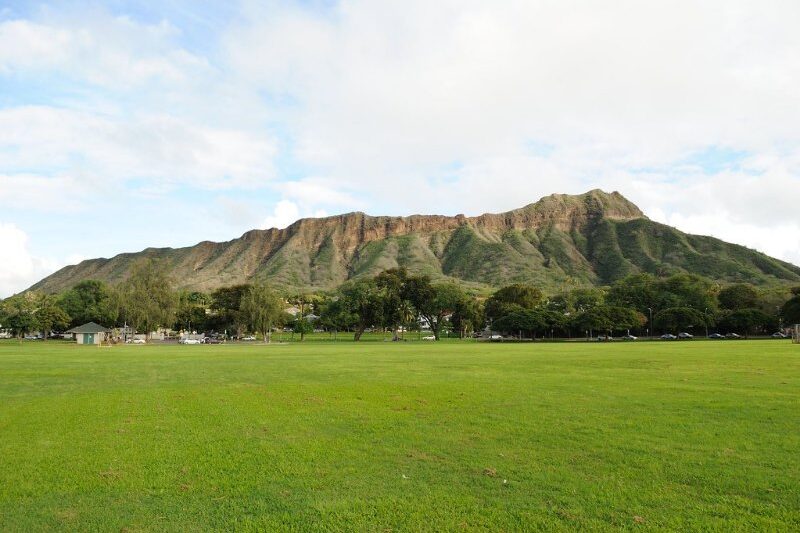
Diamond Head State Monument
The extinct volcanic crater that anchors Waikiki’s eastern horizon has been Oahu’s most recognizable landmark since long before tourism arrived. The 1.1-km trail to the 232-meter summit switchbacks through the crater’s interior and ascends through a series of military bunkers built in 1908-1910. The summit observation platform delivers a 360-degree panorama encompassing Waikiki Beach, downtown Honolulu, the Ko’olau mountain range, and the Pacific coastline. The hike takes approximately 30-45 minutes each way on a paved but steep trail. Timed-entry reservations are now required.
Hanauma Bay Nature Preserve
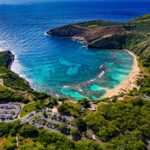
This volcanic crater bay on Oahu’s southeast coast shelters one of Hawaii’s premier snorkeling ecosystems within its curved reef system. The bay’s protected marine life sanctuary status has preserved an underwater world of over 400 species of fish and coral formations accessible in calm, shallow water. Advance online reservations are required and the bay limits daily visitors to protect the reef ecosystem.
North Shore Surf Beaches
Read the place guide →Oahu’s North Shore is ground zero for big-wave surfing, a 7-mile stretch of coast between Haleiwa and Sunset Beach that hosts the world’s most prestigious surf competitions when winter swells arrive from November through February. The Banzai Pipeline, where powerful waves break over a shallow reef to form the sport’s most famous tube, draws elite surfers and mesmerized spectators. In summer, these same beaches transform into calm, crystal-clear swimming spots. The surf town of Haleiwa anchors the cultural end with craft galleries, shave ice stands, and food trucks.
Kualoa Ranch
This privately owned 4,000-acre nature reserve on Oahu’s windward coast delivers a combination of dramatic scenery and Hollywood history. The steep, jungle-covered Ka’a’awa Valley has provided a backdrop for over 200 films and television shows, including Jurassic Park, Lost, and Kong: Skull Island. Activities range from horseback riding and ATV tours through the valley to zipline courses, jungle expeditions, and a movie site tour.
Editor-curated picks carried over from our original guide. Where a full place guide exists, the card links to it.

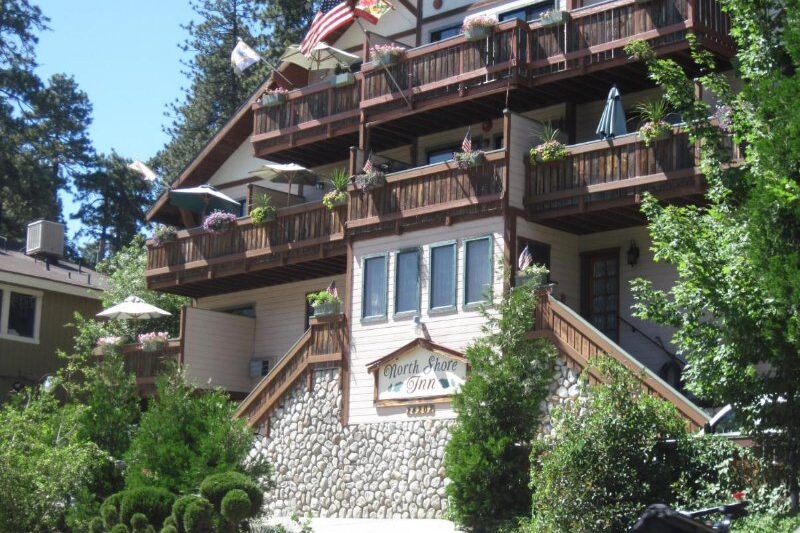
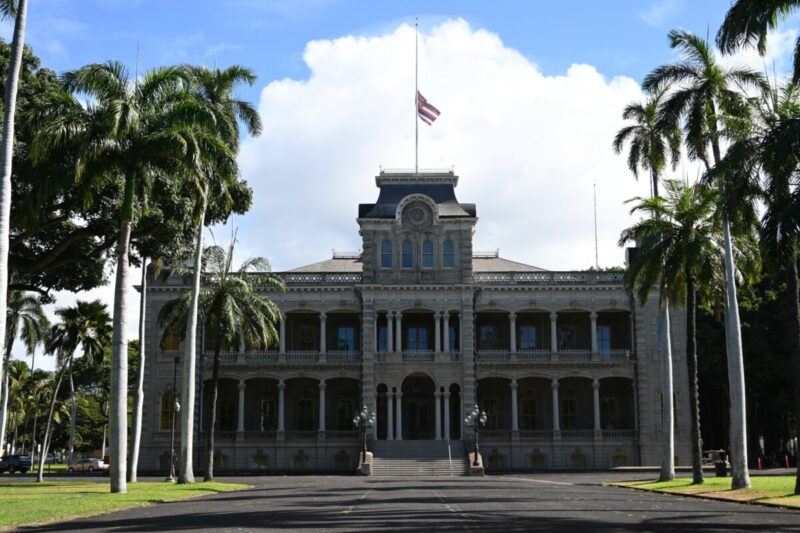



Worth booking ahead in Oahu
Hand-picked from the operators our guides already send readers to. Prices and availability are live on the partner site.
BrowseViator
Tours and tickets in Oahu on Viator (opens Viator in a new tab)
Viator's full list of bookable tours and tickets in Oahu.
BrowseGetYourGuide
Experiences in Oahu on GetYourGuide (opens GetYourGuide in a new tab)
Everything GetYourGuide sells in Oahu, with the cancellation terms on each listing.
Where to stayBooking.com
Stays in Oahu (opens Booking.com in a new tab)
Live rates and availability for Oahu on Booking.com; filter by neighbourhood once you know where your days start.
We earn a commission if you book through these links, at no extra cost to you. It is how we keep the guides free and independent.
Where to stay
Hilton Hawaiian Village Waikiki Beach Resort
2199 Kalia Rd, Honolulu, HI 96815, USA
The grande dame of Waikiki has occupied this beachfront position since 1907, making it the oldest hotel on Waikiki Beach. Its sprawling 22-acre campus operates more like a self-contained resort village than a single hotel, with five towers housing over 2,800 rooms surrounding a lush tropical garden with wildlife, waterfalls, and a lagoon. The Rainbow Tower’s iconic mosaic facade has been a Waikiki landmark for decades. Multiple swimming pools, a private beach section, and direct access to the Duke Kahanamoku Lagoon give families and non-swimmers protected water options. The Friday evening fireworks show launched from the resort’s beach is a Waikiki tradition visible across the district.
The Ritz-Carlton Oahu, Turtle Bay
57-091 Kamehameha Hwy, Kahuku, HI 96731, USA
Occupying a dramatic 840-acre peninsula on Oahu’s North Shore, this resort reopened as a Ritz-Carlton property following a comprehensive renovation that elevated it from surf-lodge casual to genuine luxury while preserving the wild coastal setting that makes the location extraordinary. Rooms face either the ocean or the Kawela Bay preserve, and the resort’s stretch of coastline includes several protected swimming coves and access to miles of undeveloped shoreline hiking trails. The property’s remote position – a 50-minute drive from Waikiki – immerses guests in the North Shore’s agricultural landscape and wave culture. Two championship golf courses, a surf school, horseback riding, and kayaking fill active days, while the spa and farm-to-table restaurant provide refined counterpoints.
The Royal Hawaiian, a Luxury Collection Resort
2169 Kalia Rd, Honolulu, HI 96815, USA
This heritage property occupies one of Waikiki’s most coveted beachfront positions, its coral-pink Spanish Moorish architecture instantly recognizable against the blue Pacific backdrop. Known as the ‘Pink Palace of the Pacific,’ it opened in 1927 as a luxury destination for trans-Pacific steamship passengers. A recent renovation restored its signature glamour while adding contemporary amenities. The Mai Tai Bar, set directly on the beach beneath a banyan tree, invented Waikiki’s most famous cocktail and remains one of the most atmospheric spots on the island for a sunset drink. The resort’s private beach section and attentive service create an atmosphere of old Hawaiian luxury that stands apart from the high-rise hotels surrounding it.
Editor-curated stays carried over from our original guide. Where we have reviewed the hotel, the card links to the review.
Tips from the field
Highlights
- Pearl Harbor National Memorial – USS Arizona Memorial and Battleship Missouri at the WWII attack site
- Diamond Head – Iconic volcanic crater hike with panoramic Waikiki and coastline views
- North Shore Big Wave Surfing – Banzai Pipeline, Sunset Beach, and Waimea Bay host winter's most dramatic swells
- Hanauma Bay – Protected volcanic crater bay with exceptional snorkeling
- Waikiki Beach – Famous 2-mile stretch with the Duke Kahanamoku legacy
- Kualoa Ranch – Jurassic Park filming location in dramatic Ka'a'awa Valley
- Multicultural Food Scene – Plate lunch, poke, shave ice, and garlic shrimp trucks
Best activities
- Pearl Harbor is a non-negotiable stop – allow at least half a day for the USS Arizona Memorial, Battleship Missouri, and the visitor center museum. Reserve timed-entry tickets weeks in advance. The Diamond Head hike rewards early risers with summit views over all of Waikiki and Honolulu. Hanauma Bay provides Oahu's most accessible snorkeling; book your reservation slot online before arriving.
- The North Shore demands a full day. Drive up through the pineapple fields, stop at Laniakea Beach to observe green sea turtles, grab garlic shrimp from the famous food trucks, and watch surfers at Pipeline or Sunset Beach (winter) or snorkel the same spots in summer calm. Kualoa Ranch fills a day with valley tours and horseback rides through the Ka'a'awa Valley where Jurassic Park was filmed.
Local experiences
- Order a plate lunch from a local favorite like Rainbow Drive-In in Kapahulu. Watch North Shore surfers from the sand at Pipeline during winter. Pick up fresh poke from Ono Seafood and eat on the beach. Join the Friday evening crowd for the Hilton Hawaiian Village fireworks. Attend a free hula performance at Kuhio Beach at sunset.
Practical tips
- Pearl Harbor: Book free timed-entry tickets at recreation.gov in advance. No bags allowed – storage available ($5)
- Diamond Head: Online timed-entry reservations required. Go early (6-7 AM)
- Hanauma Bay: Online reservations required, closed Mondays and Tuesdays
- Sunscreen: Only reef-safe sunscreen is legal in Hawaii
- Traffic: H-1 freeway clogs during rush hours. Leave for North Shore before 8 AM
- Currency: US Dollar. Cards accepted almost everywhere
Photography tips
- Golden Hour: Waikiki Beach faces south/southwest – sunsets over the ocean are captured from the western end. Diamond Head silhouette from Ala Moana Beach Park at sunrise. Iconic Views: North Shore Pipeline with 200mm+ telephoto for dramatic wave action. Kualoa Ranch ridgeline reflected in fishponds. Lanikai Pillbox Hike for sunrise panorama over the Mokulua Islands. Polarizing filter essential for cutting water glare.
Timing
- Peak Season (December-March, June-August): Highest prices, book 3-6 months ahead.
- Shoulder Season (April-May, September-November): Best value with excellent weather. September-October particularly recommended.
- Key Events: Vans Triple Crown of Surfing (Nov-Dec), Honolulu Festival (March), Aloha Festivals (September), Eddie Aikau Big Wave Invitational (Winter, held only when waves exceed 40 feet).
Keeping it authentic
- Oahu presents a genuine tension between Hawaiian cultural preservation and the commercial pressures of mass tourism. Waikiki, while undeniably developed, retains cultural anchors: the statue of Duke Kahanamoku faces the ocean he surfed, free hula performances continue at Kuhio Beach, and Hawaiian-language signage reflects ongoing cultural revitalization efforts. The North Shore maintains a more grounded identity rooted in decades of big-wave heritage. Beyond the tourist zones, Hawaiian communities maintain traditions including taro farming, net fishing, and community lu'aus that are genuine rather than performative.
Culture, customs and safety
Cultural heritage
Oahu’s history begins with Polynesian voyagers who navigated thousands of miles of open ocean to reach the Hawaiian Islands between 1000-1200 AD. The island became the political center of the Hawaiian Kingdom after King Kamehameha I united the islands through military conquest in the late 18th century. Honolulu evolved from a small harbor village into a cosmopolitan capital shaped by successive waves of Chinese, Japanese, Portuguese, Filipino, and Korean laborers who came to work the sugar plantations. The overthrow of the Hawaiian monarchy in 1893and Pearl Harbor’s role in World War II are etched into global memory. Today, Hawaiian cultural renaissance continues through hula schools, Hawaiian-language immersion programs, and the revival of traditional navigation aboard the voyaging canoe Hokule’a.
Local customs & etiquette
Hawaiian culture emphasizes respect, community, and connection to the land (aloha aina). Remove shoes before entering homes – this custom is universal in Hawaii. ‘Aloha’ serves as both greeting and farewell. Respect beach access rights (all beaches in Hawaii are public by law). Apply reef-safe sunscreen (chemical sunscreens containing oxybenzone and octinoxate are banned). Hawaiian green sea turtles (honu) are protected by federal law – maintain at least 3 meters distance. The shaka sign (extended thumb and pinky) is a universal Hawaiian gesture of friendliness. Tipping follows standard US norms (15-20%).
Safety notes
Oahu is generally safe for tourists, with Waikiki and resort areas well-patrolled and tourist-friendly. Petty car break-ins are the most common crime affecting tourists – never leave valuables visible in parked cars, especially at trailheads. Ocean safety is critical: drowning is the leading cause of tourist fatalities in Hawaii. Never turn your back on the ocean at North Shore beaches during winter. Swim at lifeguarded beaches and heed warning signs. Shore break at Sandy Beach can cause spinal injuries. Apply reef-safe sunscreen every 2 hours. Emergency: 911.