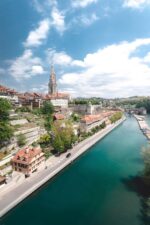
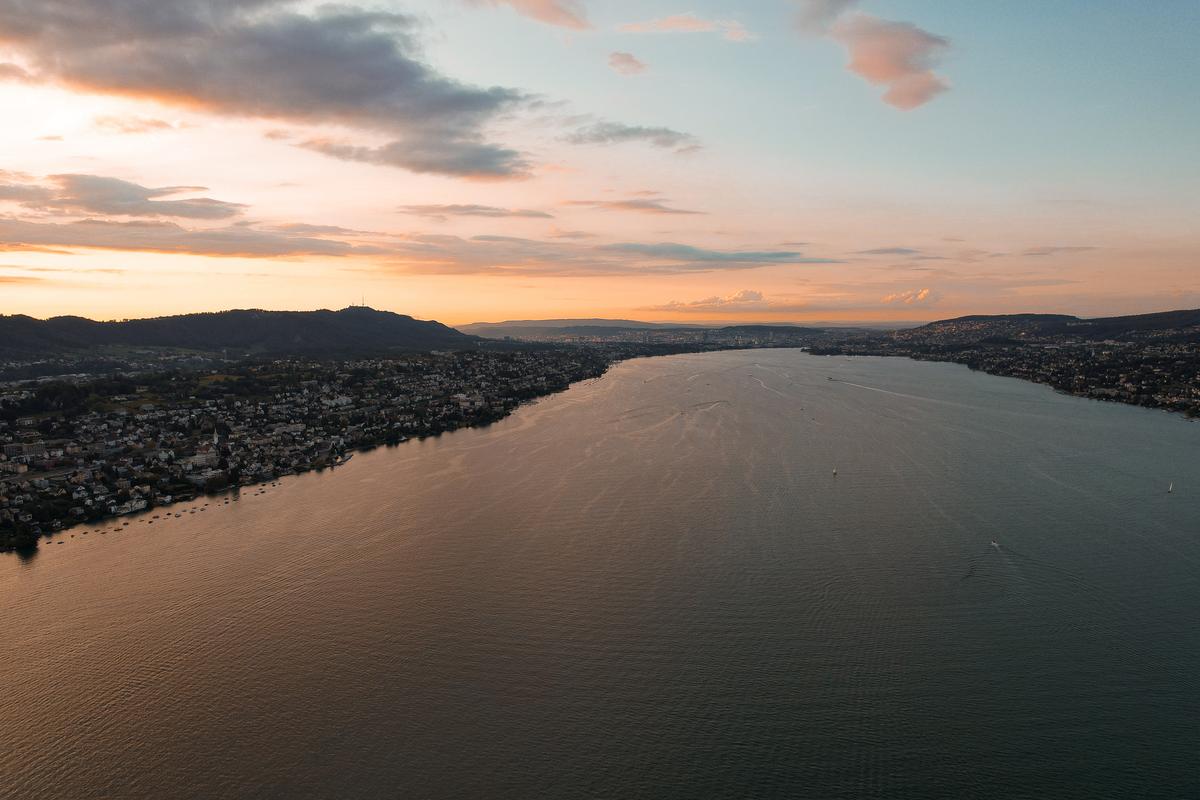
Grossmünster’s iconic twin “pepper shaker” towers anchoring Zurich’s skyline as the most recognized landmark, where Protestant Reformation began under Huldrych Zwingli in the 16th century—climb 187 steps for breathtaking panoramic views over Old Town, Lake Zurich, and distant Alps on clear days. Bahnhofstrasse’s world’s most exclusive shopping avenue featuring boutiques, jewelers, department stores lining the elegant street within walking distance of historic churches and guild houses. Lake Zurich’s picturesque northern shores with Limmat River flowing through scenic town creating almost kitschy beauty—deep-blue lake extending to snow-capped Alps providing magnificent vistas from Uetliberg’s hiking trails and summit viewpoints. Global financial center housing numerous banks, insurance companies, and institutions while maintaining the world’s highest living standards across well-preserved Old Town nestled alongside modern commercial districts. 1,200+ drinking water fountains making Zurich one of the world’s fountain-richest cities, where historic squares, guild houses, and hidden-away places create ultimate Old Town must-sees. Perfect fusion of old-world charm with contemporary sophistication where Protestant reformation history meets luxury shopping beneath Alpine panoramas across Switzerland’s largest, most influential urban center.
The destination guide
Zurich
City in Switzerland, EuropeUpdated
- Overall8/10
- Best forCouples, Adventure seekers, Luxury travelers
- PeakJan, Feb, Jul, Aug
- CurrencyCHF
Climb Grossmünster’s 187 steps and you get the whole city at once — Old Town rooftops, Lake Zurich, and the Alps if the weather cooperates.
Travel guides for Zurich
Things to do (1)
Where to stay (1)
More guides featuring Zurich (15)
At a glance
- German
- French
- Italian
- Romansh
- Urban cityscape
- Lake Zurich
- Limmat River
- Alpine backdrop
How Zurich scores
Editorial scores on a 10-point scale, weighed against destinations of the same kind.
Travel safety snapshot
SafePlace indicators use their source 100-point scale; higher is more favourable. Planning context, not a live travel advisory — check official government guidance before you go.
When to go
Best months to visit: April, May, June, July, August, September, October and December.
- January: -3.4 to 3.5 degrees Celsius, 20 millimetres of rain, best-time score 3 out of 5.
- February: -2.6 to 6.2 degrees Celsius, 21.4 millimetres of rain, best-time score 3 out of 5.
- March: 0.8 to 10.4 degrees Celsius, 26.4 millimetres of rain, best-time score 3 out of 5.
- April: 3.5 to 14.5 degrees Celsius, 15.2 millimetres of rain, best-time score 4 out of 5.
- May: 6 to 14.9 degrees Celsius, 85.2 millimetres of rain, best-time score 5 out of 5.
- June: 11.9 to 22.3 degrees Celsius, 49.1 millimetres of rain, best-time score 5 out of 5.
- July: 13.1 to 23.8 degrees Celsius, 42.7 millimetres of rain, best-time score 5 out of 5.
- August: 14.3 to 24.9 degrees Celsius, 35.9 millimetres of rain, best-time score 5 out of 5.
- September: 10.4 to 20.8 degrees Celsius, 13.2 millimetres of rain, best-time score 5 out of 5.
- October: 5.2 to 13.9 degrees Celsius, 35.6 millimetres of rain, best-time score 4 out of 5.
- November: 2.1 to 9.6 degrees Celsius, 15.4 millimetres of rain, best-time score 3 out of 5.
- December: -1.5 to 4.3 degrees Celsius, 29.6 millimetres of rain, best-time score 4 out of 5.
Month-by-month conditions and packing advice
- January
- Cold weather, mostly dry January in Zurich: cold or changeable weather narrows outdoor comfort. Crowds: January represents peak winter tourism season in Zurich, bringing higher accommodation costs and increased crowds at popular attractions, particularly museums and indoor cultural sites. The cold temperatures make this ideal for experiencing authentic Swiss winter culture, including Christmas markets extending into early January, ice skating at outdoor rinks, and warming up in traditional Swiss restaurants with fondue and raclette. Snow-covered Alpine scenery provides exceptional photography opportunities, though outdoor activities require warm clothing and shorter planning windows due to limited daylight. Museum passes become particularly valuable as visitors spend more time indoors exploring Zurich's rich cultural offerings. Advanced booking is essential for popular restaurants and hotels during this peak season. Pack: Insulated waterproof winter coat for sub-zero temperatures; Warm wool layers including sweaters and thermal underwear; Waterproof winter boots with good traction for icy streets; Warm accessories: hat, scarf, and insulated gloves; Compact umbrella for occasional winter precipitation; Smart casual attire for upscale Swiss restaurants and cultural venues
- February
- Cold weather, mostly dry February in Zurich: cold or changeable weather narrows outdoor comfort. Crowds: February remains peak winter season in Zurich, maintaining elevated accommodation prices and busy tourist areas, particularly around major museums like the Kunsthaus and Swiss National Museum. The cold weather creates ideal conditions for experiencing authentic Swiss winter culture, including traditional alpine dining and warming up in historic guild houses. Indoor attractions become focal points, making museum passes and cultural venue bookings essential. The gradual increase in daylight hours compared to January allows for slightly extended exploration, though outdoor activities still require careful weather planning. Winter sports enthusiasts can easily access nearby ski areas via efficient Swiss rail connections. This month offers excellent value for cultural immersion, with fewer international tourists than December but full access to winter festivities and traditional Swiss hospitality. Pack: Heavy winter coat with wind and water resistance; Warm wool or fleece layers for fluctuating indoor temperatures; Insulated waterproof boots for snow and ice; Winter accessories: wool hat, warm gloves, and thick scarf; Thermal undergarments for extended outdoor exploration; Elegant attire for fine dining in traditional Swiss restaurants
- March
- Cool weather, some rain March in Zurich: cold or changeable weather narrows outdoor comfort. Crowds: March represents shoulder season in Zurich, offering a sweet spot between winter's peak prices and spring's full arrival. Tourist crowds begin to thin compared to February, making popular attractions more accessible while accommodation rates start showing early seasonal flexibility. The improving weather makes this excellent for combining indoor cultural experiences with emerging outdoor opportunities like lakeside walks and early hiking trails. Variable conditions mean flexibility in planning is crucial, but the reward is experiencing Zurich's authentic seasonal transition. Cultural venues like the Opernhaus and Tonhalle continue their winter programming while spring events begin appearing on calendars. This month offers photographers unique opportunities to capture both winter's last stand and spring's first emergence, particularly around the blooming parks and lake areas. Pack: Layered clothing system for temperature fluctuations; Water-resistant jacket for spring showers; Comfortable walking shoes with good grip; Light wool sweater for cool evenings; Compact umbrella for unpredictable weather; Smart casual attire for cultural venues and restaurants
- April
- Cool weather, mostly dry April in Zurich: spring, autumn, or festive winter timing can still be rewarding with layers. Crowds: April marks the beginning of Zurich's shoulder season, offering excellent weather conditions with reduced winter crowds and before summer's peak tourism arrives. Hotel rates become more flexible, and popular attractions experience manageable visitor numbers. The pleasant weather creates perfect conditions for walking tours, lake activities, and outdoor dining experiences. Cherry blossom season draws photography enthusiasts and nature lovers, while the comfortable temperatures make both indoor museum visits and outdoor exploration equally appealing. This is an optimal month for combining cultural experiences with outdoor activities, as hiking trails become accessible and boat services on Lake Zurich resume full operations. Restaurant terraces reopen, offering al fresco dining opportunities. The reliable weather patterns make trip planning easier, with fewer weather-related cancellations than during winter months. Pack: Light spring jacket for cool mornings and evenings; Comfortable layers for temperature variation throughout the day; Waterproof walking shoes for city exploration; Light sweater or cardigan for air-conditioned indoor spaces; Sunglasses and light sun protection for increasing daylight; Casual elegant clothing for spring dining and cultural events
- May
- Cool weather, some rain May in Zurich: lake time, old-town walks, museums, mountain day trips, swimming, and outdoor dining are most accessible. Crowds: May represents ideal conditions for Zurich tourism, combining pleasant weather with manageable crowds before summer's peak season. The mild temperatures and occasional rain create perfect conditions for both indoor cultural activities and outdoor exploration, allowing flexible itinerary planning. Tourist numbers increase moderately, but accommodation rates remain reasonable compared to summer peaks. The blooming season attracts nature enthusiasts and photographers, while comfortable walking weather makes self-guided tours particularly rewarding. Rain gear becomes essential for outdoor activities, but the brief nature of spring showers rarely disrupts planned activities. This month offers excellent value for experiencing Zurich's cultural richness alongside its natural beauty, with hiking trails becoming fully accessible and lake activities resuming regular schedules. Advanced booking recommended for popular spring events and outdoor dining reservations. Pack: Light waterproof jacket for spring showers; Layered clothing for variable temperatures; Comfortable waterproof walking shoes; Light wool sweater for cooler evenings; Compact umbrella for frequent but brief rain; Breathable fabrics for increasing humidity and activity
- June
- Warm and pleasant, some rain June in Zurich: lake time, old-town walks, museums, mountain day trips, swimming, and outdoor dining are most accessible. Crowds: June marks the official start of Zurich's high tourism season, bringing increased visitor numbers and elevated accommodation prices, though not yet reaching summer peak levels. The excellent weather creates optimal conditions for all outdoor activities including hiking, lake swimming, cycling, and extended walking tours. Tourist attractions experience moderate crowds, making advance booking advisable for popular restaurants and boat tours. The stable weather patterns allow for reliable outdoor event planning and make this an ideal month for photography tours and nature excursions. Lake Zurich activities resume full operation, including regular boat services and water sports rentals. The balance of warm days and cool evenings provides comfortable conditions for both daytime exploration and evening cultural events. Restaurant terraces and outdoor venues become primary dining destinations, requiring reservations for peak meal times. Pack: Light layers for warm days and cool evenings; Comfortable walking shoes for extended city exploration; Light rain jacket for occasional summer showers; Swimwear for Lake Zurich activities; Sun protection: hat and sunglasses for long daylight hours; Smart casual attire for outdoor dining and cultural venues
- July
- Warm and pleasant, some rain July in Zurich: lake time, old-town walks, museums, mountain day trips, swimming, and outdoor dining are most accessible. Crowds: July represents Zurich's peak tourism season, bringing the highest visitor numbers and premium accommodation rates throughout the month. The excellent weather creates perfect conditions for all outdoor activities, though popular attractions and restaurants require advance booking due to high demand. Lake activities reach peak operation with full boat schedules, water sports rentals, and lakeside event programming. The stable, warm weather makes this ideal for extended hiking excursions and multi-day exploration of the surrounding Alpine region. Outdoor dining dominates the restaurant scene, with terraces booked well in advance for prime meal times. Summer festivals and cultural events create a vibrant atmosphere but also contribute to crowd levels. Despite the busy tourist season, the extended daylight hours and reliable weather patterns make this month highly rewarding for comprehensive exploration and authentic cultural experiences. Pack: Lightweight breathable clothing for warm summer days; Comfortable walking sandals and closed-toe shoes; Light cardigan or jacket for air-conditioned spaces; Swimwear and quick-dry towel for lake activities; Sun protection: SPF, hat, and quality sunglasses; Smart summer attire for upscale dining and cultural events
- August
- Warm and pleasant, some rain August in Zurich: lake time, old-town walks, museums, mountain day trips, swimming, and outdoor dining are most accessible. Crowds: August represents absolute peak season in Zurich, bringing maximum tourist numbers, highest accommodation rates, and intense competition for popular restaurants and attractions. The exceptional weather creates ideal conditions for all activities, from lake swimming and mountain hiking to outdoor cultural events and festivals. Advance booking becomes crucial for everything from dinner reservations to boat tours, as both international visitors and local holidaymakers converge on the city. The warm, stable weather makes this perfect for extended outdoor exploration and multi-day Alpine excursions, though popular hiking trails and lakeside areas can become crowded. Summer events and festivals create vibrant energy but also contribute to busy conditions throughout the city. Despite the crowds, the reliable weather and full operational schedules for all attractions make this month highly rewarding for comprehensive exploration. Pack: Lightweight breathable summer clothing; Comfortable walking shoes and summer sandals; Swimwear and sun protection for lake activities; Light evening layer for air-conditioned venues; Quality sunglasses and SPF 30+ sunscreen; Smart summer attire for premium dining and cultural events
- September
- Warm and pleasant, mostly dry September in Zurich: lake time, old-town walks, museums, mountain day trips, swimming, and outdoor dining are most accessible. Crowds: September offers Zurich's sweet spot for tourism, combining excellent weather with decreased summer crowds and more reasonable accommodation rates. The stable, pleasant conditions create ideal circumstances for both cultural exploration and outdoor activities, from hiking and lake swimming to vineyard visits and traditional harvest celebrations. Tourist numbers moderate compared to August, making popular attractions more accessible while maintaining full operational schedules. The comfortable temperatures and reliable weather patterns allow for flexible itinerary planning without the intense competition for bookings seen in peak summer. This month provides excellent photography opportunities with autumn's first colors beginning to appear in surrounding regions. Restaurant terraces remain active, offering comfortable outdoor dining with less crowding than summer months. The harvest season brings special culinary experiences and wine-related cultural events throughout the region. Pack: Layered clothing for temperature variation between day and night; Comfortable walking shoes for extended outdoor exploration; Light sweater or jacket for cooler evenings; Casual layers suitable for both indoor and outdoor activities; Light rain protection for occasional autumn showers; Smart casual attire for harvest season dining and cultural events
- October
- Cool weather, some rain October in Zurich: spring, autumn, or festive winter timing can still be rewarding with layers. Crowds: October provides excellent conditions for Zurich tourism, offering comfortable weather with significantly reduced crowds compared to summer months and more affordable accommodation rates. The mild temperatures and spectacular autumn scenery create ideal conditions for hiking, photography tours, and cultural exploration without summer's intense heat or winter's harsh cold. Tourist numbers decrease notably, making popular attractions more accessible and restaurant reservations easier to secure. The reliable weather patterns and stunning fall foliage attract nature enthusiasts and photographers, while comfortable walking temperatures make self-guided exploration particularly rewarding. This month offers exceptional value for experiencing Zurich's cultural richness alongside spectacular natural beauty, with hiking trails offering peak autumn colors and comfortable temperatures. The harvest season brings special culinary experiences focusing on seasonal Swiss specialties and local wines. Pack: Warm layers for cool autumn temperatures; Waterproof walking shoes for wet leaves and occasional rain; Medium-weight jacket for temperature fluctuations; Warm sweater or fleece for evening activities; Scarf and light gloves for morning and evening chill; Smart casual autumn attire for cultural venues and dining
- November
- Cool weather, mostly dry November in Zurich: cold or changeable weather narrows outdoor comfort. Crowds: November offers excellent value for Zurich tourism, with significantly reduced crowds and lower accommodation rates as the city transitions between tourist seasons. The cool but comfortable weather creates ideal conditions for indoor cultural activities while still allowing for outdoor exploration during warmer midday hours. Tourist numbers drop considerably, making popular museums and attractions easily accessible without advance booking. The stable weather patterns and clear visibility make this excellent for photography and sightseeing, though outdoor activities require warmer clothing. Restaurant terraces begin closing for the season, but indoor venues offer cozy atmospheres perfect for traditional Swiss comfort food. This month provides authentic local experiences as the city prepares for winter holidays, with early Christmas markets beginning to appear and cultural venues launching their winter programming. Pack: Warm winter coat for cold temperatures; Layered clothing system for temperature fluctuation; Warm walking boots with good traction; Winter accessories: hat, gloves, and warm scarf; Indoor/outdoor transition clothing for museums and cafes; Elegant attire for traditional Swiss restaurants and cultural venues
- December
- Cold weather, some rain December in Zurich: spring, autumn, or festive winter timing can still be rewarding with layers. Crowds: December brings peak winter tourism to Zurich, with Christmas markets and holiday celebrations creating a magical but crowded atmosphere with premium accommodation rates. The cold weather makes this ideal for experiencing authentic Swiss winter traditions, from holiday markets and seasonal foods to traditional winter festivals and indoor cultural programming. Tourist numbers surge around Christmas week, making advance booking essential for both accommodations and popular restaurants. The festive atmosphere and winter scenery provide exceptional photography opportunities, though outdoor activities require serious cold-weather preparation. Museum visits become particularly appealing as visitors seek warm indoor environments between outdoor explorations. The Christmas market season creates unique shopping and cultural experiences unavailable at other times of year. Despite the cold, the magical holiday atmosphere and traditional Swiss celebrations make this a deeply rewarding time for cultural immersion and authentic winter experiences. Pack: Heavy insulated winter coat for sub-freezing temperatures; Multiple warm layers including thermal underwear; Waterproof winter boots with excellent traction for ice; Complete winter accessories: wool hat, insulated gloves, warm scarf; Weather protection: umbrella and warm, dry spare clothing; Festive attire suitable for holiday dining and Christmas market visits
- December
- January
- February
- July
- August
- April
- May
- October
- November
- March
- June
- September
Know before you go
Best time to visit
The best time to visit Zürich is during the shoulder months of May to June and September to mid-October, when mild weather, manageable crowds, and reasonable prices create the best conditions for exploring the lakeside city and its cultural offerings.
Spring (March-May)
The city emerges from winter with blooming parks, outdoor markets, and temperatures climbing to 10-18°C (50-64°F). The Sechseläuten spring festival in April celebrates the end of winter. Ideal for museum-hopping and lakeside walks.
Summer (June-August)
Peak season with warm weather (18-26°C / 64-79°F) and long days. Swimming in Lake Zürich and the Limmat River is a beloved local tradition. Street Parade (August), Europe’s largest techno festival, draws huge crowds. Higher prices and heavier tourism, with frequent afternoon thunderstorms.
Autumn (September-October)
Crisp air, stunning fall foliage on Uetliberg mountain, the Zürich Film Festival, and grape harvest festivities. Temperatures range from 10-18°C (50-64°F). Fewer tourists and pleasant hiking conditions.
Winter (November-February)
Cold (0-5°C / 32-41°F) with festive Christmas markets in November and December. January and February are the cheapest months. Nearby ski resorts are easily accessible by train.
Season by season
Summer (June-Aug):
Weather: 20-30°C, sunny
Highlights: Lake swimming, Street Parade
Best For: Water activities
Winter (Dec-Feb):
Weather: -2 to 5°C, snowy nearby
Highlights: Christmas Markets
Best For: Fondue, cozy ambiance
Spring (March-May):
Weather: 10-20°C, fresh
Highlights: Sechseläuten (Spring festival)
Best For: Flowers
Fall (Sept-Nov):
Weather: 5-15°C, foggy
Highlights: Zurich Film Festival
Best For: Art, Shopping
Crowds
Zurich peaks in summer (June–August) and around Christmas/New Year for shopping and markets, plus during Zurich Film Festival (September/October), with central areas busy; quietest in late winter (January–February) outside ski-season traffic, overall moderately to heavily visited depending on season.
Getting there and around
Getting there
Zurich Airport (ZRH) is Switzerland’s largest international hub with direct flights from major cities worldwide. From the airport, the S-Bahn train reaches Zurich Hauptbahnhof (main station) in about 12 minutes for around CHF 7. International trains connect Zurich directly to Munich (4 hours), Paris (4 hours via TGV), Vienna (8 hours), and Milan (3.5 hours). FlixBus and Eurolines offer budget coach options from neighboring countries.
Getting around
Zurich has an exceptionally efficient public transport system (ZVV) combining trams, buses, S-Bahn trains, and lake boats into one seamless network. A single Zone 110 ticket costs CHF 4.60 and is valid for one hour across all modes. The Zurich Card (24 or 72 hours) provides unlimited travel plus museum discounts. Trams are the most scenic way to explore the city center, while the S-Bahn connects to surrounding areas and the airport. Walking covers much of the compact old town easily. Taxis and Uber are available but expensive.
Top experiences in Zurich
Old Town (Altstadt)
A maze of medieval cobbled streets on both sides of the Limmat River. It houses the city’s key churches: Grossmünster (with its twin towers) and Fraumünster (with Chagall stained glass). It is vibrant, clean, and full of history, boutiques, and chocolate shops.
Lake Zurich
Read the place guide →The crystal-clear lake that defines the city. The water is drinkable (literally). Taking a boat cruise is essential. In summer, the ‘badis’ (lidos) are packed with swimmers. The promenade is perfect for strolling and feeding the swans.
Bahnhofstrasse
One of the world’s most expensive and exclusive shopping avenues. It runs from the main station to the lake. It is lined with luxury brands, Swiss banks, and confectioneries. Even if you don’t buy (it’s pricey!), window shopping here is a sport.
Lindenhof
A hill in the center of the Old Town. It was once a Roman fort. Today, it is a tree-shaded square offering the best view of the Old Town rooftops and the Limmat River. It is a peaceful spot where locals play giant chess.
Uetliberg Mountain
Zurich’s ‘home mountain’ (870m). You can take a train to the top in 20 minutes. The view of the city, lake, and the Alps in the distance is breathtaking. There are hiking trails (Planet Trail) and a lookout tower.
Editor-curated picks carried over from our original guide. Where a full place guide exists, the card links to it.



Worth booking ahead in Zurich
Hand-picked from the operators our guides already send readers to. Prices and availability are live on the partner site.
BrowseViator
Tours and tickets in Zurich on Viator (opens Viator in a new tab)
Viator's full list of bookable tours and tickets in Zurich.
BrowseGetYourGuide
Experiences in Zurich on GetYourGuide (opens GetYourGuide in a new tab)
Everything GetYourGuide sells in Zurich, with the cancellation terms on each listing.
Where to stayBooking.com
Stays in Zurich (opens Booking.com in a new tab)
Live rates and availability for Zurich on Booking.com; filter by neighbourhood once you know where your days start.
We earn a commission if you book through these links, at no extra cost to you. It is how we keep the guides free and independent.
Where to stay
Baur au Lac
Talstrasse 1, 8001 Zürich, Switzerland
Set in its own park on the shores of Lake Zurich. It has been family-owned for six generations. It is one of the world’s most prestigious hotels. It is quiet, discreet, and utterly luxurious. The Pavillon restaurant holds two Michelin stars.
The Dolder Grand
Kurhausstrasse 65, 8032 Zürich, Switzerland
A castle-like resort perched on the Adlisberg hill above the city. It looks like a fairytale palace. The spa (4,000 sqm) is legendary. The art collection includes works by Warhol and Dali. The view over the city and lake is unmatched. It’s a destination in itself.
Storchen Zürich
Weinpl. 2, 8001 Zürich, Switzerland
The only hotel situated directly on the Limmat River in the Old Town. It has a private pier for boat arrivals. The terrace directly over the water is iconic. It combines 650 years of hospitality with modern Swiss chic. The location is unbeatable.
Editor-curated stays carried over from our original guide. Where we have reviewed the hotel, the card links to the review.
Tips from the field
Highlights
- Lake Zurich – Lifestyle
- Old Town – Medieval charm
- Chocolate – Lindt/Sprüngli
- Banking – Global hub
- Art – Kunsthaus (Modern art)
- Watches – Bahnhofstrasse
- Uetliberg – Mountain view
- Cleanliness – Spotless city
Best activities
- Take a dip in a 'Badi' (river/lake pool) in summer. Eat detailed chocolates at Sprüngli on Paradeplatz. Take the train up Uetliberg for the view. Wander the Niederdorf district at night. Visit the FIFA World Football Museum. Take a boat cruise on the lake.
Local experiences
- Float down the Limmat River on a warm summer day, joining locals at one of the riverside 'badis' (public baths) like Frauenbadi or Männerbad. Explore the Zurich-West industrial quarter for craft breweries, galleries in converted factories, and street food at Frau Gerolds Garten. Browse the Saturday morning Bürkliplatz farmers market for artisan cheeses, fresh bread, and seasonal produce. Ride the Polybahn funicular for a quick ascent to ETH Zurich's terrace with panoramic city views. Take a sunset boat cruise on Lake Zurich with a glass of local Zürichsee wine.
Practical tips
- Currency: Swiss Franc (CHF). Cards accepted everywhere.
- Getting There: Zürich Airport (ZRH) directly connected by train (12 minutes, CHF 6.80).
- Transportation: ZVV network (tram, bus, S-Bahn, boat). Day pass CHF 8.80 for central zones. Walking along the Limmat and through Old Town is excellent.
- Dining: Switzerland is expensive. Restaurant meals CHF 25-50+. Wurst and bread at Sternen Grill (CHF 8-10). Migros and Coop supermarkets for budget meals. Fondue in winter (CHF 30-40). Sprüngli for chocolates and pastries.
- Free Attractions: Old Town (Altstadt) walking, Lindenhof viewpoint, Lake Zürich promenade, Bahnhofstrasse window shopping, Grossmünster church, Zürich West street art. Free swimming in the Limmat and lake.
- Tipping: Service included; rounding up appreciated
- Electricity: 230V/50Hz, Type J plugs
Photography tips
- Golden Hour: View from Lindenhof overlooking the river.
- Iconic Shots:
- The twin towers of Grossmünster.
- The view from a boat on Lake Zurich.
- The stained glass windows in Fraumünster (check rules).
- Swans on the lake with the Alps behind.
- The colorful houses of the Augustinergasse.
- Technique: Zurich is pristine. The light is often very clear. Use a polarizer for the lake.
Timing
- Peak Season (July-Aug):
- Best weather, swimming
- Shoulder Season (May-June, Sept):
- Pleasant, less hot
- Low Season (Nov-March):
- Cold, Christmas nice
Keeping it authentic
- Zurich is wealthy, efficient, and orderly. It is not 'boring' as stereotypes suggest
- the nightlife is vibrant (highest density of clubs in Switzerland). Reliability is key—trains are never late. Prices are high, even for basics. 'Grüezi' is the greeting.
Culture, customs and safety
Cultural heritage
Zurich balances Swiss banking tradition with medieval heritage and contemporary cultural dynamism along the Limmat River and Lake Zurich. The Grossmünster and Fraumünster churches anchor the old town with Reformation history and Chagall windows. Guild houses along the river demonstrate medieval merchant prosperity. Bahnhofstrasse represents global financial power through banking and luxury retail. The city nurtures avant-garde traditions from Dada movement birthplace to contemporary art scene. Zurich maintains Swiss precision through public transport, cultural institutions, and quality of life excellence.
Local customs & etiquette
Swiss punctuality is deeply valued — arrive on time or a few minutes early for any appointment. Greet people with a firm handshake and maintain direct eye contact. In German-speaking Zurich, use ‘Grüezi’ as a universal greeting. Tipping is not expected as service is included in prices, but rounding up or leaving 5-10% for good service is appreciated. Recycling is taken very seriously, with separate bins for glass, paper, and general waste. Sundays are quiet — most shops close, and loud activities in residential areas are frowned upon. Swimming in the rivers and lake is a beloved local tradition.
Safety notes
Zurich is one of the safest cities in the world.
General Safety:
• Crime is extremely rare for tourists
• Safe at all hours in virtually all areas
Emergency contacts:
• General: 112
• Police: 117
• Ambulance: 144