Zurich is an easy city to explore without a car. Its medieval Old Town, Lake Zurich promenade, major museums, restaurants, and central viewpoints are connected by a dense tram, train, bus, and boat network. For a first visit, prioritize the Old Town, Lake Zurich, Grossmunster or Fraumunster, Lindenhof, one museum, and Uetliberg when the weather is clear.
One full day is enough to see the central landmarks. Two days give you time for a museum, lake cruise, or mountain viewpoint. With three days, you can add Zoo Zurich, the Lindt Home of Chocolate, the Planet Trail to Felsenegg, or slower neighborhood exploration.
This guide covers 27 of the best things to do in Zurich, with current planning details, realistic time estimates, free attractions, indoor alternatives, and routes that reduce unnecessary backtracking. Zurich also works well as the beginning or end of a longer trip through the best places to visit in Switzerland.
Last verified: August 3, 2026. Prices, opening hours, timetables, and temporary closures can change. Check the linked official sites before travel.
ViaTravelers may earn a commission from qualifying bookings at no extra cost to you. Recommendations are included only when they help with trip planning.
Zurich things to do at a glance
| Best for | Recommended place | Time | Typical adult cost |
|---|---|---|---|
| First-time sightseeing | Old Town, churches, and Lindenhof | 3-4 hours | Mostly free |
| Lake views | Lake Zurich promenade | 1-2 hours | Free |
| Short boat ride | Limmat River cruise | About 50 minutes | CHF 4.60 |
| Panoramic view | Uetliberg | 3-4 hours | Transport fare or Zurich Card |
| Swiss history | Swiss National Museum | 2-3 hours | CHF 13 |
| Art | Kunsthaus Zurich | 2-3 hours | From CHF 24 |
| Families | Zoo Zurich | Half day | CHF 32 per adult |
| Rainy weather | Kunsthaus, National Museum, FIFA Museum, or Lindt | 2-4 hours | Varies |
How many days do you need in Zurich?
Two full days is the best balance for most first-time visitors. Zurich’s central attractions are compact, but museums, mountain trips, and the lake take more time than the map suggests.
| Trip length | Suggested plan |
|---|---|
| One day | Start at Zurich Main Station, walk through Niederdorf, visit Grossmunster and Fraumunster, stop at Lindenhof, continue along Bahnhofstrasse, and finish beside Lake Zurich. |
| Two days | Follow the one-day route, then add Kunsthaus or the Swiss National Museum, Uetliberg or a lake cruise, and an evening in Zurich West. |
| Three days | Add Zoo Zurich or the Lindt Home of Chocolate, the Uetliberg-Felsenegg Planet Trail, Museum Rietberg, or the FIFA Museum. |
Plan your Zurich visit
When the Zurich Card provides good value
The official Zurich Card costs CHF 29 for 24 hours or CHF 56 for 72 hours for an adult. It includes public transport in the covered Zurich zones, the airport transfer, Uetliberg, selected boat trips, free entry to numerous museums, and other discounts.
A practical 24-hour calculation is the Swiss National Museum at CHF 13, the Grossmunster tower at CHF 5, Fraumunster at CHF 5, and a Limmat round trip at CHF 4.60. That totals CHF 27.60 before taking a tram, train, or airport journey. The card usually makes financial sense when you combine those attractions with public transport. It is less useful when you plan to walk and spend most of the day at free outdoor sights.
Getting to central Zurich from the airport
Trains and S-Bahn services normally reach Zurich Main Station from Zurich Airport in 10-15 minutes. A standard adult single ticket is currently CHF 7, while the journey is included when a valid Zurich Card covers the travel period. The train is generally faster than a taxi or the number 10 tram.
Current 2026 planning alerts
- Many major museums, including Kunsthaus, the Swiss National Museum, Museum Rietberg, and the FIFA Museum, normally close on Mondays.
- As of August 3, 2026, S10 service to Uetliberg is affected by work at Zurich Main Station through October 18. Check the ZVV timetable and departure point before leaving.
- Hurlimannbad Zurich is closed for maintenance through August 14, 2026, and is scheduled to reopen on August 15.
- Cabaret Voltaire is operating temporary summer hours through August 27, 2026.
- Lindt Home of Chocolate tickets frequently sell out. Reserve a timed entry before traveling to Kilchberg.
Old Town and central Zurich
1. Walk through Zurich Old Town

Location: District 1
Allow: 3-4 hours for the main route
Cost: Free to explore independently
Zurich’s Altstadt covers both sides of the Limmat River and contains many of the city’s principal landmarks. A practical first-time route starts at Zurich Main Station, passes through Niederdorf, crosses to Grossmunster, continues over Munsterbrucke to Fraumunster, climbs to Lindenhof, and finishes on Bahnhofstrasse or beside the lake.
The center is compact enough to explore on foot, but the streets are not uniformly level and many are paved with cobblestones. Comfortable shoes matter. A guided Zurich Old Town walking tour can add historical context, while independent travelers can follow the same route at their own pace.
2. Climb the Grossmunster tower

Address: Zwingliplatz 7, 8001 Zurich
Allow: 30-60 minutes
Cost: Church entry is free; Karlsturm is CHF 5 for adults
Grossmunster is Zurich’s best-known Romanesque church and a central site in the history of the Swiss Reformation. The church interior is restrained compared with many European cathedrals, directing attention toward the architecture, crypt, stained glass, and historical interpretation.
The Karlsturm viewpoint requires climbing 187 steps and has no elevator. The reward is a clear view across the Limmat, Old Town roofs, and Lake Zurich. Children aged 6-16 and students currently pay CHF 2, while the climb is included with the Zurich Card. Renovation work is scheduled from 2025 through 2029, so scaffolding may affect exterior views. Check the Grossmunster visitor information before arriving.
3. See the Chagall windows at Fraumunster

Address: Munsterhof 2, 8001 Zurich
Allow: 30-45 minutes
Cost: CHF 5 for touristic visits; free for eligible students, visitors under 16, and Zurich Card holders
Fraumunster is known for five stained-glass windows created by Marc Chagall, as well as a window by Swiss artist Augusto Giacometti. The former abbey church also helps explain the influence that religious institutions and their abbesses once held in medieval Zurich.
Visitor hours are generally 10 a.m.-6 p.m. from March through October and 10 a.m.-5 p.m. from November through February. On Sundays, tourist entry begins after the service, normally at noon. Contrary to some older guides, the church does not offer a public tower climb. Confirm service restrictions and current admission on the official Fraumunster visitor page.
4. Take in the view from Lindenhof

Address: Lindenhof, 8001 Zurich
Allow: 20-40 minutes
Cost: Free
Lindenhof is a tree-covered terrace above the left bank of the Limmat. It provides one of the clearest central views of Niederdorf, the river, the university buildings, and Grossmunster without requiring a ticket or tower climb.
The hill was occupied by a Roman fort in the fourth century and later by a royal palace. Today, benches and large outdoor chess boards make it a useful rest stop between Fraumunster and Bahnhofstrasse. Visit in the morning for quieter paths or near sunset for softer light across the Old Town.
5. Explore Niederdorf

Location: East bank of the Limmat in District 1
Allow: 1-2 hours
Cost: Free to explore
Niederdorf is the pedestrian-focused part of the Old Town on the river’s east side. Its lanes contain small shops, cafes, restaurants, bars, courtyards, and historic buildings. The district is calm in the morning and considerably busier after dinner.
Do not treat it only as a shopping street. Look into the side alleys and courtyards, then continue toward Grossmunster or the river. Across the Limmat, St. Peter’s Church has an 8.7-meter clock face, described by Zurich Tourism as the largest church clock face in Europe. The official Niederdorf guide is useful for current event and venue information.
6. Walk the length of Bahnhofstrasse

Location: Zurich Main Station to Burkliplatz
Allow: 1-2 hours
Cost: Free unless shopping
Bahnhofstrasse runs approximately 1.4 kilometers from Zurich Main Station toward Lake Zurich. International fashion houses, department stores, Swiss watch brands, banks, cafes, and confectioners occupy the street and nearby lanes.
The walk is still worthwhile without a shopping budget. Paradeplatz provides context for Zurich’s financial sector, while the southern end leads directly to Burkliplatz and the lake. Trams use portions of the corridor, so remain attentive when crossing the tracks. See the official Bahnhofstrasse overview for seasonal events and shopping details.
7. Visit Cabaret Voltaire, the birthplace of Dada

Address: Spiegelgasse 1, 8001 Zurich
Allow: 45-90 minutes
Cost: House entry is free; cellar exhibitions are currently CHF 8 or CHF 5 reduced
Cabaret Voltaire opened in 1916 as a meeting place for artists, writers, performers, and political exiles. The short-lived original cabaret became closely associated with the development of Dada, an anti-establishment artistic movement that challenged conventional ideas about art and culture.
The current program includes exhibitions, readings, performances, discussions, books, and a bar. From July 7 through August 27, 2026, temporary summer hours are Thursday through Sunday from 1:30-6 p.m. Events may operate outside those hours. Check the Cabaret Voltaire program rather than relying on a fixed weekly schedule.
8. See the beam challenge at Oepfelchammer

Address: Rindermarkt 12, 8001 Zurich
Allow: 1-2 hours
Cost: Based on food and drink ordered
Oepfelchammer is a historic wine tavern whose guests have carved names and messages into its wooden interior since 1801. Its best-known tradition is the Balkenprobe, or beam challenge, in which a participant climbs over two ceiling beams and drinks a glass of wine while hanging headfirst.
The challenge should be attempted only with staff approval and while sober enough to do so safely. Completing it does not automatically produce a free drink, despite a claim repeated in some older guides. The tavern is normally closed on Sunday and Monday, with split lunch and evening hours Tuesday-Friday and continuous service on Saturday. Verify the current schedule before making a special trip.
9. Pause in Platzspitz Park

Address: Platzpromenade 5, 8001 Zurich
Allow: 30-60 minutes
Cost: Free
Platzspitz occupies a narrow point behind the Swiss National Museum where the Limmat and Sihl rivers meet. Shaded paths, lawns, benches, and its location beside the station make it useful for a picnic or a break between trains and museums.
The park also has a difficult modern history. It became internationally known for an open drug scene before authorities closed that operation in February 1992. The restored public park bears little resemblance to that period, but understanding the history adds context that generic descriptions of flowers and picnics miss. There is no permanent winter ice rink or sledding hill in the park.
Lake, viewpoints, and green spaces
10. Walk beside Lake Zurich
Starting point: Burkliplatz
Allow: 1-3 hours
Cost: Free
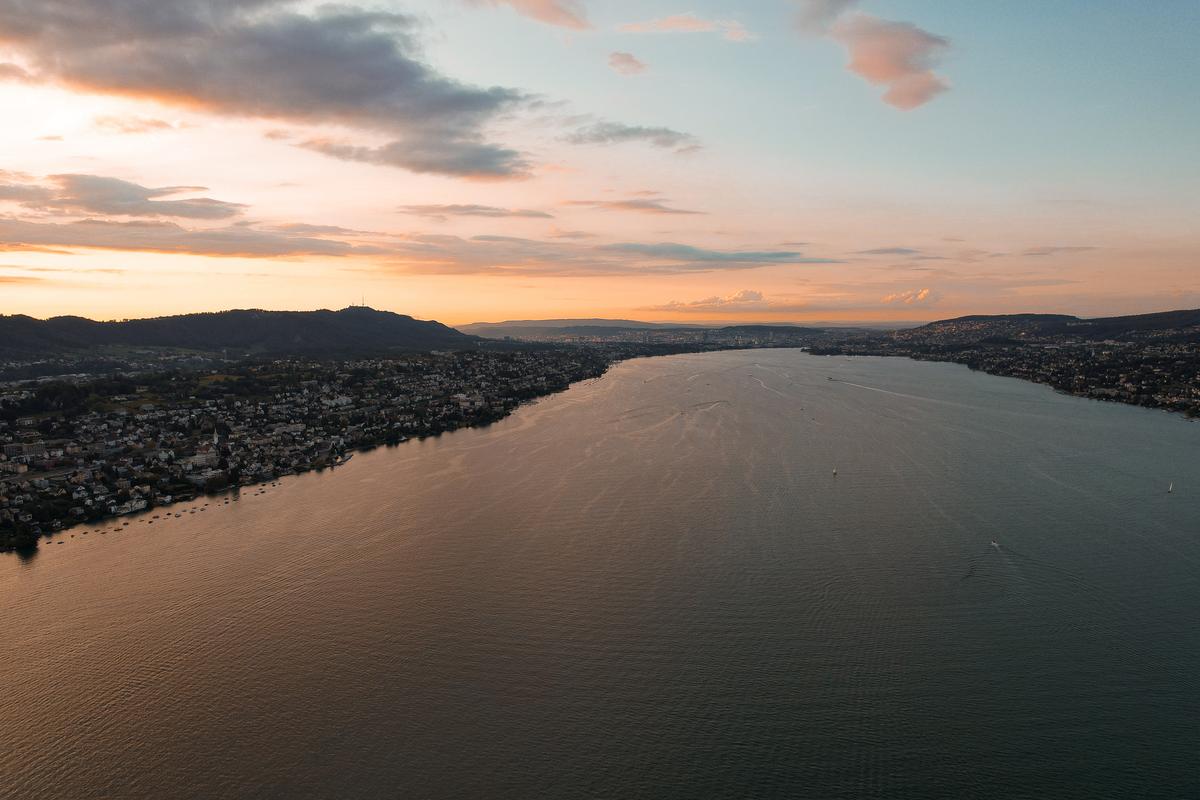
Lake Zurich is the city’s most flexible outdoor attraction. From Burkliplatz, paths continue along both shores, with benches, lawns, public art, gardens, marinas, cafes, and designated bathing facilities. The stretch toward Zurichhorn works especially well when combined with the China Garden.
Clear days can reveal the Alps beyond the water. In summer, swim only at an established bathing area where entry conditions, lifeguard coverage, water access, and changing facilities are clear. Boat schedules operate year-round at varying frequency, while long and short lake cruises are more frequent during warmer months. See the official Lake Zurich guide for seasonal options.
11. Ride a glass-roof boat on the Limmat

Starting point: National Museum landing stage
Allow: About 50 minutes for a round trip
Cost: CHF 4.60 adult; included with the Zurich Card
The Limmat River cruise uses low-profile electric boats with glass roofs, allowing them to pass beneath Zurich’s central bridges. The journey from the National Museum to Zurichhorn takes about 25 minutes, while a round trip without a stop lasts approximately 50 minutes.
The service normally operates from April through October. Children aged 6-16, Swiss Half-Fare Card holders, and dogs currently pay CHF 3.20. Wheelchair access is limited: the boats accommodate widths up to approximately 80 centimeters, and wheelchair boarding and disembarking are available at the National Museum stop only. Check the current Limmat cruise timetable before traveling.
12. Go up Uetliberg

Location: Uetliberg, 8143 Stallikon
Allow: 3-4 hours
Cost: Train fare; covered by the Zurich Card
Uetliberg is Zurich’s most accessible high viewpoint. The S10 normally takes roughly 25 minutes from central Zurich, followed by a walk from the station to the summit area. From the top, you can see the city, Lake Zurich, surrounding hills, and the Alps in clear conditions.
Visibility matters more than season. Check the cloud ceiling before leaving, especially during autumn and winter inversions. Trails can be muddy, icy, or snow-covered, and winter sledding depends on actual conditions. As of August 3, 2026, construction is affecting the usual S10 departure arrangement at Zurich Main Station through October 18, so confirm the current ZVV route before travel. The official Uetliberg guide provides updated access information.
13. Follow the Planet Trail to Felsenegg

Route: Uetliberg to Felsenegg
Allow: About 2 hours for the hike, plus transport
Distance: Approximately 7.2 kilometers
The Planet Trail links Uetliberg with Felsenegg using a scaled model of the solar system. The route is approximately 7.2 kilometers with about 220 meters of ascent, making it manageable for active families and casual hikers in dry conditions.
From Felsenegg, a cable car descends to Adliswil in about five minutes. The valley station is roughly a 10-minute walk from Adliswil railway station. This one-way route is more interesting than returning over the same path and provides a second perspective over Lake Zurich. Check the Planet Trail conditions and cable-car operation before departure. For larger alpine trip ideas, see our guide to the mountains in Switzerland.
14. Visit the China Garden

Address: Bellerivestrasse 138, 8008 Zurich
Allow: 30-60 minutes
Cost: Free
Zurich’s China Garden opened in 1994 as a gift from its partner city, Kunming. The gift recognized Zurich’s assistance with improvements to Kunming’s drinking-water supply and urban drainage. Red walls, pavilions, painted details, rocks, water, and carefully framed views follow principles found in southern Chinese garden design.
The garden is normally open daily from 11 a.m.-7 p.m. from May through October and 11 a.m.-5 p.m. from November through April. Dogs are not permitted. Its location beside Blatterwiese makes it easy to combine with the eastern Lake Zurich promenade rather than treating it as a separate cross-city trip.
15. Combine Rieterpark with Museum Rietberg

Address: Gablerstrasse 15, 8002 Zurich
Allow: 2-3 hours with the museum
Cost: Park entry is free; museum tickets vary by exhibition
Rieterpark is a broad landscaped park in the Enge district, not on Zurich’s outskirts. Its lawns, mature trees, villas, and views toward the Alps provide a quieter alternative to the lakefront parks.
Museum Rietberg occupies buildings within the park and focuses on art from Asia, Africa, the Americas, and Oceania. It is normally open Tuesday, Wednesday, Friday, Saturday, and Sunday from 10 a.m.-5 p.m., with a late opening until 8 p.m. on Thursday and closure on Monday. Check Museum Rietberg visitor information because collection and temporary-exhibition tickets can differ.
16. Walk through the Old Botanical Garden

Address: Pelikanstrasse 40, 8001 Zurich
Allow: 45-60 minutes
Cost: Free
The Old Botanical Garden occupies the former zur Katz defensive bulwark near the center. Its principal features include mature exotic trees, the historic octagonal Palm House, and the Gessner Garden, which presents more than 50 medicinal plants associated with 16th-century botanical knowledge.
The grounds normally open from 7 a.m.-7 p.m. between March and September and 8 a.m.-6 p.m. between October and February. The Palm House closes from October through the end of April and is now used mainly for concerts, theater, and exhibitions rather than as a tropical greenhouse or cafe. Dogs are not permitted. See the University of Zurich garden page for current restrictions.
Museums, culture, and family attractions
17. Understand Swiss history at the National Museum

Address: Museumstrasse 2, 8001 Zurich
Allow: 2-3 hours
Cost: CHF 13 for adults; visitors under 16 and Zurich Card holders enter free
The Swiss National Museum is the most useful first museum for understanding the country’s history, cultural regions, political development, crafts, domestic life, archaeology, and changing national identity. Its castle-like 1898 building is immediately behind Zurich Main Station.
Regular hours are Tuesday and Wednesday from 10 a.m.-5 p.m., Thursday from 10 a.m.-7 p.m., and Friday through Sunday from 10 a.m.-5 p.m. It is normally closed on Monday, although holiday exceptions occur. Review the official museum tickets and hours before building an itinerary around it.
18. Choose a focused route through Kunsthaus Zurich

Address: Heimplatz 1/5, 8001 Zurich
Allow: 2-3 hours
Cost: Standard collection admission currently starts at CHF 24; major exhibitions cost more
Kunsthaus Zurich spans two buildings and a large collection of Swiss and international art. Highlights include substantial holdings of Alberto Giacometti, Swiss painting, European modernism, Impressionism, and works from the postwar and contemporary periods.
Trying to cover every gallery can reduce the visit to a checklist. Choose one or two periods or exhibitions in advance. The museum is normally open 10 a.m.-6 p.m. Tuesday, Wednesday, Friday, Saturday, and Sunday; 10 a.m.-8 p.m. Thursday; and closed Monday. The collection is generally free on Wednesday, while major exhibitions may require a separate ticket or surcharge. Confirm the day’s exhibitions and prices through the Kunsthaus visit planner.
19. Attend a performance or tour the Zurich Opera House

Address: Falkenstrasse 1, 8008 Zurich
Allow: 60 minutes for a tour or an evening for a performance
Cost: Depends on the event; public tours are currently CHF 15
The Zurich Opera House stages opera, ballet, concerts, and family productions beside Sechselautenplatz. Travelers without time for a performance can still view its 19th-century exterior while walking between the Old Town and Lake Zurich.
English-language backstage tours are offered on selected dates rather than every day. They generally last about an hour and may include workshops, rehearsal areas, the stage, costume operations, and technical spaces, depending on the production schedule. Consult the official guided-tour calendar before reserving time for one.
20. Explore football history at the FIFA Museum

Address: Seestrasse 27, 8002 Zurich
Allow: 2-3 hours
Cost: CHF 26 for adults and CHF 15 for children aged 7-15; free with the Zurich Card
The FIFA Museum covers the men’s and women’s World Cups, football’s global development, national associations, supporters, design, technology, and the objects connected with major tournaments. Interactive areas and the Virtual Pitch make it more engaging for children than a display-only sports museum.
The original FIFA World Cup Trophy returned to the Zurich museum on July 21, 2026, after its tournament journey. The museum is normally open Tuesday-Sunday from 10 a.m.-6 p.m. and closed Monday, with last admission before closing. Buy through the official FIFA Museum visitor page or compare an advance FIFA Museum ticket.
21. Spend half a day at Zoo Zurich

Address: Zurichbergstrasse 221, 8044 Zurich
Allow: Half a day
Cost: CHF 32 adults, CHF 27 ages 13-17, CHF 18 ages 6-12, and free under age 6
Zoo Zurich combines traditional outdoor enclosures with large habitat projects, including the Masoala Rainforest and Kaeng Krachan Elephant Park. The indoor rainforest provides a substantial wet-weather option, although reaching every major area still requires considerable walking.
The zoo opens every day of the year. Regular hours are 9 a.m.-6 p.m. from March through October and 9 a.m.-5 p.m. from November through February. A Sunset Ticket gives 40 percent off standard single admission from 90 minutes before closing and is available at the box office. This is useful for a shorter visit, but not enough time to cover the full zoo. Review current prices through the official Zoo Zurich ticket page.
22. Tour the Lindt Home of Chocolate

Address: Schokoladenplatz 1, 8802 Kilchberg
Allow: 90 minutes to 2 hours
Cost: CHF 17 adults, CHF 15 reduced, CHF 10 ages 8-15, and free under age 8
The Lindt Home of Chocolate explains cacao cultivation, Swiss chocolate history, production, and the development of the Lindt brand through a self-guided multimedia exhibition. Tastings are incorporated into the route, and the building also contains a large shop and cafe.
The museum is normally open daily from 10 a.m.-7 p.m., with final entry one hour before closing. Timed tickets can sell out days in advance, especially on weekends and during school holidays. Kilchberg is outside the central sightseeing loop, so reserve the ticket before building the rest of the day around it. Check the official ticket page or compare an advance Lindt museum ticket.
Food, design, nightlife, and wellness
23. Eat at Haus Hiltl

Address: Sihlstrasse 28, 8001 Zurich
Allow: 1-2 hours
Cost: Depends on buffet weight or a la carte order
Haus Hiltl was founded in 1898 and is recognized by Guinness World Records as the world’s oldest vegetarian restaurant. The flagship combines an extensive buffet with a la carte dishes influenced by Swiss, Indian, Mediterranean, and Asian cooking.
The buffet works well for travelers who want to try several dishes, but pricing by weight can climb quickly. Check the weight and price display before filling the plate. The bistro and a la carte areas can keep different hours, and evening reservations are sensible. Use the official Haus Hiltl page for the current schedule and reservations.
24. Have fondue at Swiss Chuchi

Address: Rosengasse 10, 8001 Zurich
Allow: 90 minutes to 2 hours
Cost: Based on the fondue and drinks ordered
Swiss Chuchi is a convenient Old Town option for travelers who want fondue without making a separate trip outside the center. The restaurant serves nine fondue variations along with raclette and other Swiss dishes.
Fondue is designed for slow, shared dining, so reserve enough time and confirm whether everyone at the table must order the same preparation. The kitchen currently closes at 10 p.m. Reservations are advisable in winter and on weekends. Book through the official Swiss Chuchi page. Travelers who prefer a broader introduction can compare a Zurich culinary and fondue tour.
25. Explore Zurich West

Starting point: Hardbrucke station
Allow: 2-3 hours
Cost: Free to explore
Zurich West shows the city’s transition from industrial production to design, food, nightlife, offices, and cultural venues. Im Viadukt places shops, restaurants, and a market hall within restored railway arches, while Frau Gerold’s Garten operates as a seasonal food, drink, shopping, and event space.
The nearby Freitag Tower is built from 19 stacked freight containers and rises 26 meters. It contains the Zurich bag company’s flagship store and an upper viewing platform. Opening and access conditions can change, so check the Freitag Tower information before planning the district around the climb.
26. Experience Langstrasse after dark

Location: Districts 4 and 5
Allow: 2-4 hours
Cost: Depends on the venue
Langstrasse is both an international food corridor and Zurich’s principal nightlife district. During the day, restaurants, bakeries, takeaways, small retailers, and services reflect the area’s multicultural population. At night, bars and clubs draw a broader crowd.
Ole Ole Bar and Gonzo remain recognizable names, but music programs, door policies, age limits, and opening hours vary. Carry photo identification, keep track of belongings in crowded venues, and use the frequent night transit rather than assuming every destination is a comfortable walk after midnight. Review the official Langstrasse overview for current venue suggestions.
27. Relax at Hurlimannbad Zurich

Address: Brandschenkestrasse 150, 8002 Zurich
Allow: 2-3 hours
Cost: Varies by bath, spa ritual, and treatment package
Hurlimannbad occupies the vaulted cellars of a former brewery and includes thermal bathing areas, steam rooms, a rooftop infinity pool, treatments, and a Roman-Irish spa circuit. It is better treated as a scheduled half-day activity than a quick stop between central landmarks.
The facility is closed for maintenance from July 27 through August 14, 2026, and is scheduled to reopen on August 15. Regular hours are 9 a.m.-10 p.m., with bathing ending before closing. Advance reservations are prudent for rituals and treatments. Confirm reopening and current prices on the official Hurlimannbad page.
Where to stay in Zurich
Old Town is the most convenient base for a first visit because the churches, river, restaurants, Bahnhofstrasse, and lake are within walking distance. The streets can be noisy at night, particularly around Niederdorf.
The area around Zurich Main Station works well for short stays and early trains. Enge provides easier access to the lake, Museum Rietberg, the FIFA Museum, and Hurlimannbad. Zurich West suits travelers who prefer contemporary restaurants, design spaces, and nightlife over medieval surroundings.
Compare the tradeoffs, transport links, and recommended properties in our guide to where to stay in Zurich.
Choosing the right Zurich itinerary
For most first-time visitors, a strong first day consists of the Old Town, Grossmunster, Fraumunster, Lindenhof, Bahnhofstrasse, and Lake Zurich. Use the second day for one major museum and either Uetliberg, a cruise, or Lindt. A third day is better spent on Zoo Zurich, the Planet Trail, Museum Rietberg, or a neighborhood such as Zurich West than on adding more central landmarks to an already full route.
Lake Zurich is the gentlest introduction to Swiss lake country, not the best of it. For where to go next, see our roundup of the best lakes in Switzerland.
Frequently asked questions
What should you not miss in Zurich?
For a first visit, do not miss Zurich Old Town, the Lake Zurich promenade, Grossmunster or Fraumunster, Lindenhof, and one major museum. Add Uetliberg when the weather is clear.
How many days do you need in Zurich?
One full day covers Zurich’s central landmarks, but two days is ideal for most first-time visitors. Three days gives you time for a mountain walk, the zoo, Lindt Home of Chocolate, or additional museums without rushing.
Is the Zurich Card worth it?
The Zurich Card is usually worth it when you combine public transport with two or more included attractions. A National Museum ticket, Grossmunster tower climb, Fraumunster visit, and Limmat cruise total CHF 27.60 before transport, compared with CHF 29 for the 24-hour card.
What can you do in Zurich for free?
Free things to do in Zurich include walking through Old Town, visiting Lindenhof, following the Lake Zurich promenade, exploring Bahnhofstrasse, relaxing in Rieterpark or Platzspitz, and visiting the China Garden and Old Botanical Garden.
What can you do in Zurich when it rains?
Good rainy-day choices include the Swiss National Museum, Kunsthaus Zurich, FIFA Museum, Lindt Home of Chocolate, Masoala Rainforest at Zoo Zurich, an Opera House tour, and Hurlimannbad after its August 2026 maintenance closure.
What are the best things to do in Zurich with kids?
Zoo Zurich, Lindt Home of Chocolate, the FIFA Museum, a Limmat cruise, the Lake Zurich promenade, and Uetliberg are among the strongest family choices. Match the mountain and outdoor activities to the children’s walking ability and the weather.
Where is the best area to stay in Zurich?
Old Town is best for first-time sightseeing, the Main Station area is best for rail convenience, Enge is useful for the lake and southern attractions, and Zurich West is better for contemporary dining and nightlife.