
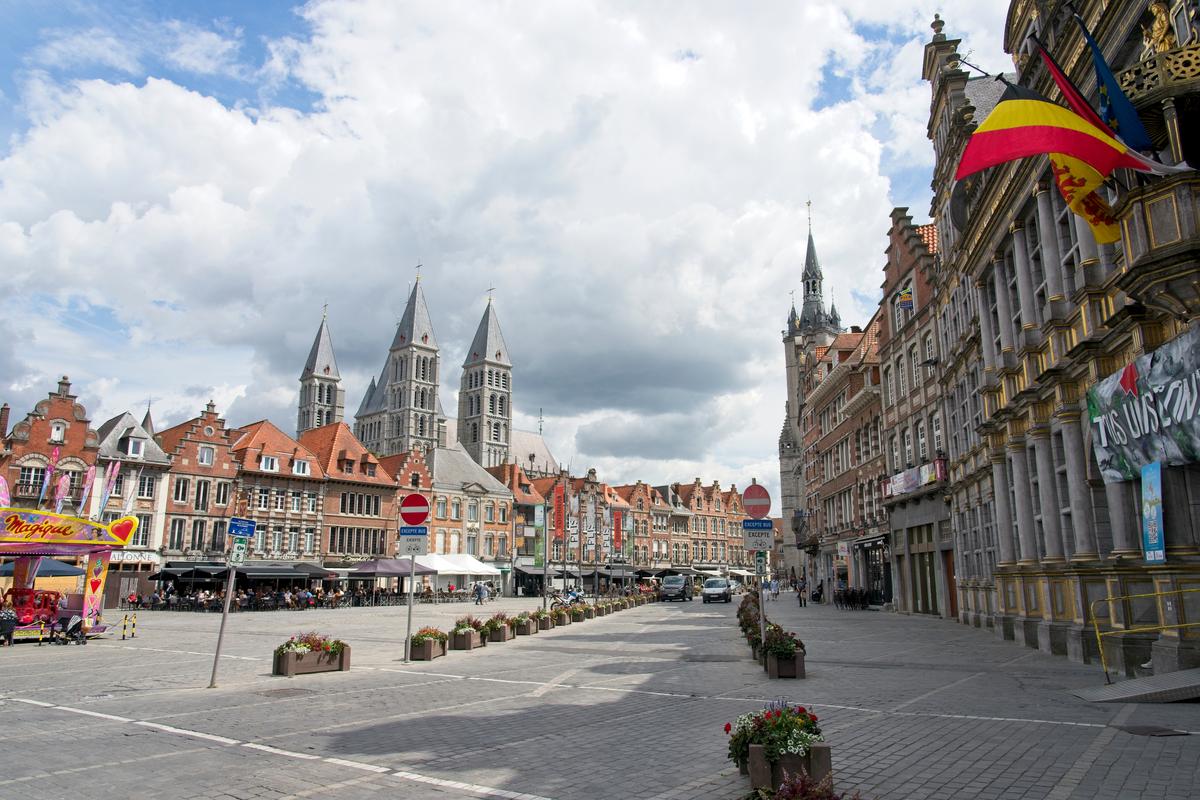
Belgium, a small yet culturally rich country in Western Europe, is renowned for its medieval cities, world-class beer and chocolate, and remarkable artistic heritage. Despite its compact size, Belgium offers extraordinary diversity with Flemish-speaking Flanders in the north, French-speaking Wallonia in the south, and a small German-speaking community in the east. From the fairy-tale canals of Bruges and the cosmopolitan energy of Brussels to the artistic treasures of Ghent and Antwerp, Belgium showcases centuries of European history, trade, and cultural exchange. The country’s UNESCO World Heritage sites, innovative cuisine, and legendary brewing traditions make it a captivating destination for travelers seeking authentic European experiences.
Belgium
Country in Europe, Belgium, EuropeUpdated
- Overall8/10
- Best forLuxury travelers, Solo travelers
- PeakMay–Sep
- CurrencyEUR
Belgium packs medieval canals, 1,500 beer varieties, and two distinct cultures into a country smaller than West Virginia.
At a glance
- Dutch
- French
- German
- Medieval architecture
- Canal waterways
- Cobblestone streets
- Historic squares
- Medieval Cities
- Beer Culture
- Chocolate
- Waffles
- Art Nouveau
- World War History
- EU Capital
- Gothic Architecture
How Belgium scores
Editorial scores on a 10-point scale, weighed against destinations of the same kind.
Travel safety snapshot
SafePlace indicators use their source 100-point scale; higher is more favourable. Planning context, not a live travel advisory — check official government guidance before you go.
When to go
Best months to visit: April, May, June, July, August, September and October.
- January: 0.9 to 5.7 degrees Celsius, 88.5 millimetres of rain, best-time score 2 out of 5.
- February: 2.1 to 8.2 degrees Celsius, 69.9 millimetres of rain, best-time score 2 out of 5.
- March: 3.1 to 10.9 degrees Celsius, 72.3 millimetres of rain, best-time score 3 out of 5.
- April: 4.8 to 14 degrees Celsius, 46.8 millimetres of rain, best-time score 4 out of 5.
- May: 8.6 to 18 degrees Celsius, 71.2 millimetres of rain, best-time score 5 out of 5.
- June: 12.8 to 21.8 degrees Celsius, 77.8 millimetres of rain, best-time score 5 out of 5.
- July: 13.9 to 22.8 degrees Celsius, 70.8 millimetres of rain, best-time score 5 out of 5.
- August: 14.3 to 23.3 degrees Celsius, 58.7 millimetres of rain, best-time score 5 out of 5.
- September: 11.7 to 20 degrees Celsius, 64.2 millimetres of rain, best-time score 5 out of 5.
- October: 9.1 to 15.3 degrees Celsius, 77.9 millimetres of rain, best-time score 4 out of 5.
- November: 4.5 to 9.7 degrees Celsius, 67.9 millimetres of rain, best-time score 2 out of 5.
- December: 2.6 to 7.1 degrees Celsius, 80.4 millimetres of rain, best-time score 3 out of 5.
Month-by-month conditions and packing advice
- January
- Cold, some rain Cold winter weather, few tourists. Crowds: January in Belgium is workable with normal seasonal planning; build in layers, weather checks, and a mix of indoor and outdoor activities. Pack: Pack warm layers, a coat, and comfortable shoes for cold mornings and evenings. Add a rain jacket or compact umbrella.
- February
- Cold, occasional rain Chilly and quiet, good for museums. Crowds: February in Belgium is workable with normal seasonal planning; build in layers, weather checks, and a mix of indoor and outdoor activities. Pack: Pack warm layers, a coat, and comfortable shoes for cold mornings and evenings.
- March
- Cool to mild, some rain Beginning to warm up, spring blossoms. Crowds: March in Belgium is workable with normal seasonal planning; build in layers, weather checks, and a mix of indoor and outdoor activities. Pack: Pack layered clothing and comfortable walking shoes. Add a rain jacket or compact umbrella.
- April
- Cool to mild, occasional rain Pleasant spring weather, great for walking. Crowds: April in Belgium is workable with normal seasonal planning; build in layers, weather checks, and a mix of indoor and outdoor activities. Pack: Pack layered clothing and comfortable walking shoes.
- May
- Cool to mild, some rain Excellent weather before the summer crowds. Crowds: May in Belgium is workable with normal seasonal planning; build in layers, weather checks, and a mix of indoor and outdoor activities. Pack: Pack layered clothing and comfortable walking shoes. Add a rain jacket or compact umbrella.
- June
- Mild to warm, some rain Warm, sunny, and lively. Crowds: June in Belgium is workable with normal seasonal planning; build in layers, weather checks, and a mix of indoor and outdoor activities. Pack: Pack layered clothing and comfortable walking shoes. Add a rain jacket or compact umbrella.
- July
- Mild to warm, some rain Peak summer heat and peak tourist season. Crowds: July in Belgium is workable with normal seasonal planning; build in layers, weather checks, and a mix of indoor and outdoor activities. Pack: Pack layered clothing and comfortable walking shoes. Add a rain jacket or compact umbrella.
- August
- Mild to warm, occasional rain Very warm, many festivals and outdoor dining. Crowds: August in Belgium is comfortable for sightseeing, neighborhoods, food stops, day trips, and outdoor time with limited weather friction. Pack: Pack layered clothing and comfortable walking shoes.
- September
- Mild to warm, occasional rain Perfect shoulder season with great weather. Crowds: September in Belgium is comfortable for sightseeing, neighborhoods, food stops, day trips, and outdoor time with limited weather friction. Pack: Pack layered clothing and comfortable walking shoes.
- October
- Cool to mild, some rain Crisp autumn air and beautiful colors. Crowds: October in Belgium is workable with normal seasonal planning; build in layers, weather checks, and a mix of indoor and outdoor activities. Pack: Pack layered clothing and comfortable walking shoes. Add a rain jacket or compact umbrella.
- November
- Cold, occasional rain Cooling down rapidly, often rainy. Crowds: November in Belgium is workable with normal seasonal planning; build in layers, weather checks, and a mix of indoor and outdoor activities. Pack: Pack layered clothing and comfortable walking shoes.
- December
- Cold, some rain Cold but festive holiday atmosphere. Crowds: December in Belgium is workable with normal seasonal planning; build in layers, weather checks, and a mix of indoor and outdoor activities. Pack: Pack warm layers, a coat, and comfortable shoes for cold mornings and evenings. Add a rain jacket or compact umbrella.
- July
- August
- May
- June
- September
- January
- February
- November
- December
- March
- April
Know before you go
About
Belgium, a small yet culturally rich country in Western Europe, is renowned for its medieval cities, world-class beer and chocolate, and remarkable artistic heritage. Despite its compact size, Belgium offers extraordinary diversity with Flemish-speaking Flanders in the north, French-speaking Wallonia in the south, and a small German-speaking community in the east. From the fairy-tale canals of Bruges and the cosmopolitan energy of Brussels to the artistic treasures of Ghent and Antwerp, Belgium showcases centuries of European history, trade, and cultural exchange. The country’s UNESCO World Heritage sites, innovative cuisine, and legendary brewing traditions make it a captivating destination for travelers seeking authentic European experiences.
Neighbourhoods
Brussels, Bruges, Antwerp, Ghent, Liege
Best time to visit
April through October offers the most pleasant weather. Spring (April–June) brings tulips, longer days, and outdoor café culture. Summer (July–August) is warm with festivals and events but can be busy. September–October brings fewer crowds and warm autumn light. December is exceptional for Christmas markets in Brussels, Bruges, Ghent, and Antwerp — among Europe’s best.
Crowds
Belgium (Brussels, Bruges, Ghent) peaks May-September and during major festivals (Bruges Beer Festival, Tomorrowland in late July) with historic centers very crowded; quietest November-February (outside Christmas markets) when city centers are much less busy.
Getting there and around
Getting there
2-hour drive from Calgary (YYC); 40 mins from Banff via Trans-Canada Hwy. Airport shuttles (Brewster) available.
Getting around
Parks Canada shuttles highly recommended for lakeshore/Moraine Lake access due to limited parking. Roam Transit available.
Top experiences in Belgium
Lake Louise Ski Resort
One of North America’s largest ski resorts offering 4,200 acres of diverse terrain and breathtaking views.
Editor-curated picks carried over from our original guide. Where a full place guide exists, the card links to it.
Places worth your time
Where to stay

Where to stay
Fairmont Chateau Lake Louise
Rue de l'Amigo 1-3, 1000 Brussels, Belgium
Iconic luxury resort directly on the lakeshore offering world-class dining, spa, and guided mountain adventures.
Editor-curated stays carried over from our original guide. Where we have reviewed the hotel, the card links to the review.
Tips from the field
Highlights
- Grand Place, Brussels — UNESCO-listed medieval square with ornate guild houses
- Bruges — medieval canals, the Belfry, and Flemish Primitive art
- Ghent — Gravensteen Castle, the Ghent Altarpiece, and waterfront dining
- Belgian beer culture — 1,500+ varieties including Trappist ales
- Antwerp — Rubens, fashion design, and the diamond quarter
Best activities
- Spend a morning at Brussels' Grand Place — arguably Europe's most beautiful square — then walk through the Royal Saint-Hubert Galleries and visit the Magritte Museum for the world's largest collection of his surrealist work. In Bruges, climb the Belfry's 366 steps for a panoramic view, take a canal boat tour, visit the Basilica of the Holy Blood, and end with a tasting at De Halve Maan brewery. Ghent's Gravensteen Castle offers rampart walks and medieval atmosphere
- follow it with a stroll along the Graslei and Korenlei waterfronts and a visit to St. Bavo's Cathedral to see the Ghent Altarpiece. For beer culture, tour Cantillon Brewery in Brussels (spontaneous-fermentation lambics) or visit Westvleteren's Trappist abbey. Take a day trip to Antwerp for the Rubens House, the Museum of Contemporary Art, and the diamond district. In Wallonia, explore the Ardennes forests and the citadel town of Dinant.
Local experiences
- Taste a fresh waffle from a street stall in Bruges' Markt square, sip a gueuze at Cantillon Brewery in Brussels, or watch sunset over Ghent's three towers from St. Michael's Bridge.
Practical tips
- Book shuttles and accommodation months in advance. Arrive extremely early (pre-5am) or late (post-5pm) for parking. Winter tires mandatory Oct-April.
Photography tips
- Brussels' Grand Place photographs most dramatically at night when the guild houses are illuminated — a tripod and wide-angle lens capture the full sweep of the square. In Bruges, the Rozenhoedkaai (the canal bend near the Belfry) is the single most photographed spot
- arrive before 8 AM for empty compositions reflected in still water. The Belfry itself rewards telephoto shots from the Burg Square for compressed perspective. In Ghent, St. Michael's Bridge offers a three-tower composition (St. Nicholas' Church, the Belfry, and St. Bavo's Cathedral) that works best during blue hour when floodlights balance with twilight sky. Ghent's Graslei and Korenlei waterfront buildings reflect beautifully at dusk. Art Nouveau facades in Brussels' Ixelles and Saint-Gilles neighborhoods reward detail shots of ironwork and stained glass on overcast days when contrast is gentle.
Keeping it authentic
- Belgium punches far above its weight for a country of 11 million. Three linguistic communities — Dutch-speaking Flanders, French-speaking Wallonia, and a small German-speaking enclave — coexist under one of the world's most complex federal structures, and the cultural differences between them are real. Brussels operates as the de facto capital of the European Union, giving it a cosmopolitan, multilingual character unlike any other city its size. Bruges draws comparisons to a museum town, and the tourist crowds can be heavy, but its medieval core is genuinely preserved rather than reconstructed — the Belfry, the canals, and the Flemish Primitive paintings in the Groeninge Museum are the real thing. Ghent offers a similar architectural heritage with a grittier, more youthful energy driven by its large university population. Belgium's food culture goes far beyond waffles and chocolate (though both are excellent): French fries originated here, not France
- the beer tradition — over 1,500 varieties including Trappist ales brewed by monks — is UNESCO-recognized
- and the country's moules-frites, stoofvlees, and waterzooi are worth traveling for. Art Nouveau architecture, pioneered by Victor Horta, survives in Brussels neighborhoods, and the surrealist tradition of Magritte and Delvaux infuses Belgian culture with a playful absurdism.
Culture, customs and safety
Cultural heritage
Belgium’s cultural heritage reflects the distinct identities of Flanders, Wallonia, and Brussels, united through shared traditions of art, brewing, and craftsmanship. Medieval guild systems produced world-renowned lace, tapestries, and diamond cutting traditions in Antwerp. The nation birthed Art Nouveau architecture and surrealist art movements, while maintaining carnival traditions like Binche’s UNESCO-recognized parade. Belgian beer culture, chocolate making, and friteries represent living heritage practiced in daily life across linguistic boundaries.
Local customs & etiquette
Respect wildlife (maintain distance, do not feed). Leave No Trace principles apply. National Park Pass required.
Safety notes
Bear country – carry bear spray/travel in groups. Avalanche risk in winter. Weather changes rapidly; dress in layers.


