The first UNESCO World Heritage Site ever.
- Universal Appeal and Cultural Authenticity: Aachen Cathedral, with its blend of Romanesque and Gothic influences, magnificently preserves the cultural essence of medieval Europe. Visitors frequently describe its intricate architecture and serene ambiance as immersive, making it a must-see destination. Thus, I rate it at 95/100.
- Cultural Richness and Educational Value: This cathedral is a treasure trove of educational opportunities. Its historical significance as the coronation site for German kings and the resting place of Charlemagne adds immense cultural depth. Guided tours offer detailed insights into its history and artistry. Therefore, the rating here is a stellar 98/100.
- Preservation and Integrity: The cathedral maintains its historical and architectural integrity through ongoing conservation efforts by organizations like the Aachen Cathedral Construction and Maintenance Association. Continuous projects focus on preserving its unique features, such as the mosaics and sculptures. However, accessibility issues slightly lower its score to 92/100.
- Accessibility and Visitor Engagement: The cathedral is relatively easy to access, with facilities accommodating various visitor needs. Guided tours enhance the visitor experience, although some areas could be challenging for individuals with mobility issues. Engaging amenities like gift shops and informative centers boost its score to a commendable 90/100.
Historical Significance
Aachen Cathedral, also known as the Imperial Cathedral, is of significant historical importance. Emperor Charlemagne established it as the royal chapel of the Palace of Aachen in the late 8th century. The cathedral served as the coronation church for German kings for over 600 years, and Charlemagne himself was buried there, adding to its historical gravitas.
Cultural Importance
Aachen Cathedral is a cultural icon not only in Aachen but also in Europe. It has influenced local traditions and arts, with its Carolingian architecture inspiring subsequent buildings. The cathedral’s status as a UNESCO World Heritage Site further underscores its cultural significance, attracting international visitors and fostering a sense of pride within the local community.
Architectural Style
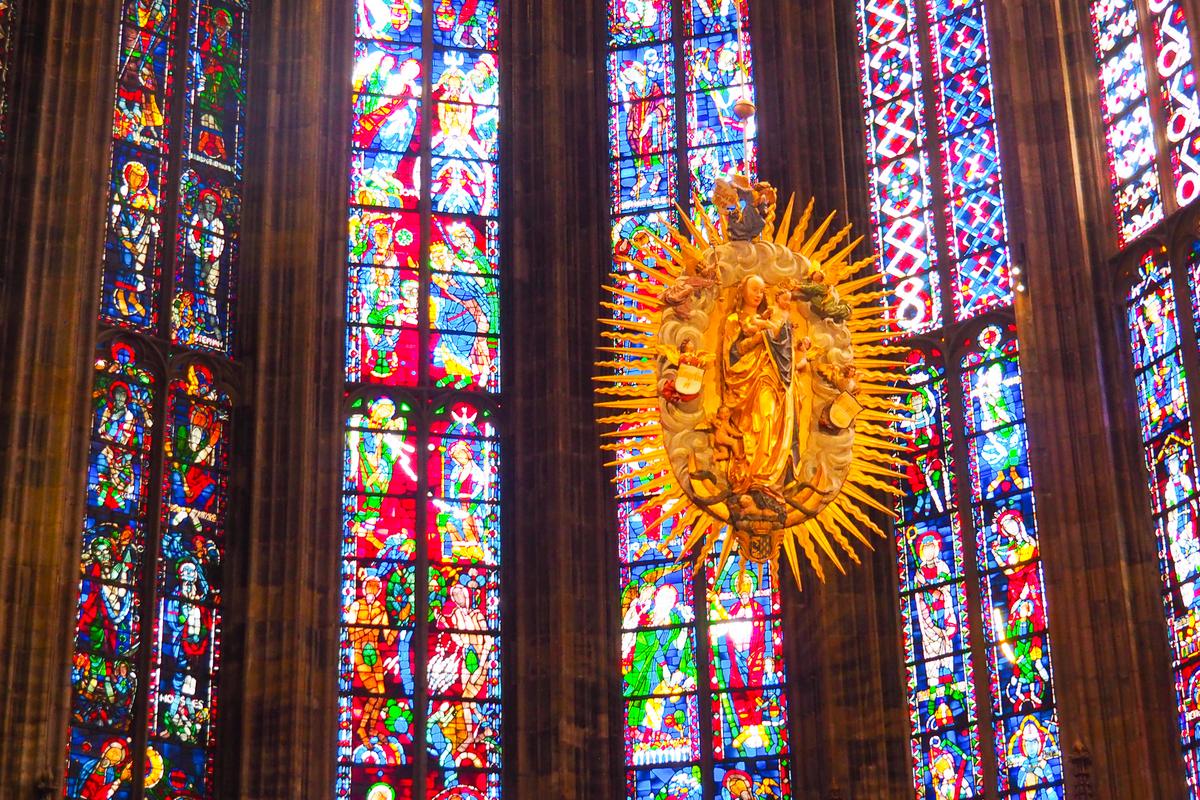
The cathedral’s architectural style is predominantly Carolingian, with later additions reflecting Romanesque and Gothic influences. Its octagonal plan and the Palatine Chapel within the complex are remarkable examples of early medieval architecture. The Shrine of Charlemagne, constructed in 1215, is a notable feature that adds to the cathedral’s unique design elements.
Visitor Experience
Visitors to Aachen Cathedral can expect a captivating experience. Guided tours provide insights into its historical and architectural significance, while special exhibitions often showcase the cathedral’s rich heritage. The serene ambiance allows for quiet contemplation and appreciation of the cathedral’s splendor.
The cathedral is accessible to various groups, including families and individuals with disabilities, with ramps and accessible restrooms. Additionally, amenities such as cafes and gift shops enhance the visitor experience, providing opportunities to relax and purchase souvenirs.
Ratings and Reviews
Aachen Cathedral garners widespread acclaim for its historical significance, architectural beauty, and cultural resonance. Visitors frequently praise its tranquil atmosphere and informative guided tours. However, some reviews note limitations in accessibility for individuals with mobility challenges. Overall, Aachen Cathedral stands out as a top cultural attraction in the region.
Photographic Opportunities
Photographers will find numerous captivating spots within and around Aachen Cathedral. The intricately designed interior, including the Palatine Chapel, and the exterior featuring the cathedral’s iconic domed structure offer excellent photo opportunities. Sunset and early morning visits are recommended for capturing the cathedral in the best light.
Global Influence
- Aachen Cathedral, also known as Aachener Dom, is globally recognized as the first site in Germany to be inscribed on the UNESCO World Heritage List in 1978, acknowledging its special architectural and historical significance (Aachener Dom – UNESCO Welterbe).
- The cathedral attracts many international visitors, contributing to the tourism industry in Aachen. It is a prominent destination for tourists interested in medieval architecture and religious history, drawing visitors from around the world.
- The cathedral’s architectural and historical significance has profoundly influenced global culture, particularly in the fields of art, architecture, and religious studies. Its unique Carolingian architecture and historical importance make it a subject of study and inspiration for artists, architects, and historians worldwide.
- Aachen Cathedral has been involved in international events and collaborations, symbolizing cultural exchange and historical dialogue. It has been a focal point for academic and cultural exchanges, contributing to international understanding and collaboration in heritage preservation and historical research.
Historical Impact
- Aachen Cathedral played a significant role in the history of the Holy Roman Empire, as it was the church of coronation for German kings and emperors for over 600 years, from 936 to 1531.
- Its architectural and archaeological significance lies in being one of the best-preserved buildings from the Carolingian period, showcasing exceptional craftsmanship and design from the early medieval era (A Place of History – Aachener Dom).
- The cathedral’s contributions to local and national history are profound. It symbolizes the power and influence of Charlemagne, who chose Aachen as his primary residence and established it as the center of his empire. It remains a symbol of the Carolingian Renaissance and the historical significance of Aachen as a political and cultural center in Europe.
- Notable historical figures associated with Aachen Cathedral include Charlemagne, the great Frankish king, who commissioned the construction of the Palatine Chapel, which forms the core of the present-day cathedral and played a pivotal role in shaping the cathedral’s historical and cultural significance.
Preservation Efforts
- Current preservation projects for Aachen Cathedral focus on maintaining and restoring its architectural elements, including its unique mosaics, sculptures, and historic fabric, ensuring the long-term conservation of this cultural heritage site.
- Organizations such as the Aachen Cathedral Construction and Maintenance Association (Dombauhütte) are actively involved in preserving the cathedral, overseeing restoration projects and conservation efforts to safeguard its historical and architectural integrity.
- Funding and support for preservation come from various sources, including government grants, private donations, and international partnerships, reflecting the collaborative efforts to ensure the sustainable preservation of this iconic cultural landmark.
- The local community is actively involved in preservation through volunteer programs, educational initiatives, and public engagement. It fosters a sense of ownership and pride in the cathedral’s preservation and promotes awareness of its historical significance among residents and visitors.
Aachen Cathedral is one of Europe’s oldest and most historically significant cathedrals, commissioned by Emperor Charlemagne around 790-800 AD. This UNESCO World Heritage Site, Germany’s first cultural site on the list, features a striking octagonal basilica (Palatine Chapel) inspired by Eastern Roman churches and a later Gothic choir. The cathedral served as Charlemagne’s burial place in 814 and was the coronation site for 31 German kings and 12 queens between 936-1531. Its architectural significance lies in the blend of Carolingian-Romanesque and Gothic styles, while its religious importance continues with the Aachen Pilgrimage held every seven years since 1349. Inside, visitors can view Charlemagne’s ornate shrine, the medieval imperial throne, extraordinary Byzantine mosaics, and precious relics in the Cathedral Treasury.
Cultural Context
Aachen Cathedral stands as one of Europe’s most historically significant religious buildings, commissioned by Emperor Charlemagne around 796 AD as his palace chapel. The burial site of Charlemagne and coronation church for 30 German kings between 936-1531.
Historical Context
Commissioned by Emperor Charlemagne around 790-800 AD, Aachen Cathedral served as the imperial church of the Holy Roman Empire. Following Charlemagne’s death and burial here in 814, the cathedral became Germany’s premier coronation site, witnessing the crowning of 31 German kings and 12 queens between 936-1531. This makes it one of Europe’s most politically significant religious buildings, representing over 600 years of German imperial history.