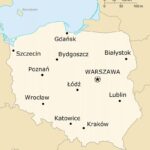
Poland emerges as Europe’s phoenix, rising from the ashes of devastating wars to become a vibrant democracy that honors its past while embracing an innovative future. This Central European nation preserves medieval splendor in Kraków’s Royal Castle, Warsaw’s meticulously reconstructed Old Town, and Gdańsk’s amber-laden streets, each telling stories of resilience and cultural pride. The country’s tragic history unfolds at Auschwitz-Birkenau, where visitors confront humanity’s darkest chapter, while the European Solidarity movement’s birthplace in Gdańsk celebrates the triumph of peaceful resistance against oppression. Poland’s natural treasures include the ancient Białowieża Forest, Europe’s last primeval woodland where bison roam freely, and the Tatra Mountains offering alpine adventures along the Slovak border. The cuisine reflects centuries of influences through hearty dishes like pierogi, bigos, and żurek, best enjoyed in traditional milk bars or candlelit cellars accompanied by excellent Polish vodka or craft beer. Chopin’s homeland nurtures a profound musical tradition celebrated in Warsaw’s concert halls and intimate piano recitals held in historic manor houses throughout the countryside. The Wieliczka Salt Mine amazes with underground chapels carved entirely from salt, while Malbork Castle stands as the world’s largest brick fortress, testament to the medieval Teutonic Knights’ power. Contemporary Poland pulses with entrepreneurial energy in Warsaw’s gleaming business districts and Kraków’s thriving tech scene, proving that tradition and innovation can harmoniously coexist. Whether exploring Wrocław’s whimsical dwarfs, experiencing Zakopane’s highlander culture, or discovering hidden vodka bars in Warsaw’s Praga district, Poland rewards curious travelers with authentic experiences far beyond typical tourist trails.
The destination guide
Poland

Country in EuropeUpdated
- Overall8/10
- Best forBudget travelers, Solo travelers
- PeakMay–Sep
- CurrencyPLN
Kraków’s cellars, Warsaw’s rebuilt streets, bison in Białowieża — Poland rewards the curious traveler who looks past the obvious.
Travel guides for Poland
Travel tips & costs (1)
Destination stories (1)
More guides featuring Poland (2)
At a glance
- Polish
- Urban cityscape
- Historic architecture
- River valleys
- Parks and green spaces
- Maritime History
- WWII History
- Amber
- Architecture
- Beer Culture
- Beach
- Solidarity Movement
- Christmas Markets
How Poland scores
Editorial scores on a 10-point scale, weighed against destinations of the same kind.
Travel safety snapshot
SafePlace indicators use their source 100-point scale; higher is more favourable. Planning context, not a live travel advisory — check official government guidance before you go.
When to go
Best months to visit: April, May, June, July, August, September and October.
- January: -2.4 to 2.5 degrees Celsius, 49.2 millimetres of rain, best-time score 2 out of 5.
- February: -1.4 to 5 degrees Celsius, 49.3 millimetres of rain, best-time score 2 out of 5.
- March: 0.4 to 9.1 degrees Celsius, 36.2 millimetres of rain, best-time score 3 out of 5.
- April: 4.4 to 14.3 degrees Celsius, 39.8 millimetres of rain, best-time score 4 out of 5.
- May: 8.7 to 19 degrees Celsius, 60.1 millimetres of rain, best-time score 5 out of 5.
- June: 13.9 to 24.3 degrees Celsius, 66.3 millimetres of rain, best-time score 5 out of 5.
- July: 15 to 24.8 degrees Celsius, 89.2 millimetres of rain, best-time score 5 out of 5.
- August: 15.1 to 25 degrees Celsius, 67.5 millimetres of rain, best-time score 5 out of 5.
- September: 11.4 to 20.5 degrees Celsius, 59.7 millimetres of rain, best-time score 5 out of 5.
- October: 7.1 to 14.1 degrees Celsius, 64.6 millimetres of rain, best-time score 4 out of 5.
- November: 2.5 to 7.5 degrees Celsius, 40.1 millimetres of rain, best-time score 2 out of 5.
- December: -0.4 to 3.9 degrees Celsius, 47.6 millimetres of rain, best-time score 3 out of 5.
Month-by-month conditions and packing advice
- January
- Cold, occasional rain Very cold, best time only for winter sports in Zakopane. Crowds: January in Poland is workable with normal seasonal planning; build in layers, weather checks, and a mix of indoor and outdoor activities. Pack: Pack warm layers, a coat, and comfortable shoes for cold mornings and evenings.
- February
- Cold, occasional rain Still freezing, short daylight hours. Crowds: February in Poland is workable with normal seasonal planning; build in layers, weather checks, and a mix of indoor and outdoor activities. Pack: Pack warm layers, a coat, and comfortable shoes for cold mornings and evenings.
- March
- Cold, occasional rain Warming slightly, but weather can be unpredictable. Crowds: March in Poland is workable with normal seasonal planning; build in layers, weather checks, and a mix of indoor and outdoor activities. Pack: Pack warm layers, a coat, and comfortable shoes for cold mornings and evenings.
- April
- Cool to mild, occasional rain Spring begins, beautiful weather starting to set in. Crowds: April in Poland is workable with normal seasonal planning; build in layers, weather checks, and a mix of indoor and outdoor activities. Pack: Pack layered clothing and comfortable walking shoes.
- May
- Cool to mild, occasional rain Great spring weather, flowers blooming, comfortable. Crowds: May in Poland is workable with normal seasonal planning; build in layers, weather checks, and a mix of indoor and outdoor activities. Pack: Pack layered clothing and comfortable walking shoes.
- June
- Mild to warm, occasional rain Warm and sunny, long days perfect for sightseeing. Crowds: June in Poland is comfortable for sightseeing, neighborhoods, food stops, day trips, and outdoor time with limited weather friction. Pack: Pack light clothing, sun protection, and comfortable walking shoes.
- July
- Mild to warm, some rain Peak summer, warmest month, great for the Baltic coast. Crowds: July in Poland is workable with normal seasonal planning; build in layers, weather checks, and a mix of indoor and outdoor activities. Pack: Pack light clothing, sun protection, and comfortable walking shoes. Add a rain jacket or compact umbrella.
- August
- Mild to warm, occasional rain Still peak summer, many festivals taking place. Crowds: August in Poland is comfortable for sightseeing, neighborhoods, food stops, day trips, and outdoor time with limited weather friction. Pack: Pack light clothing, sun protection, and comfortable walking shoes.
- September
- Mild to warm, occasional rain Golden autumn begins, excellent comfortable weather. Crowds: September in Poland is comfortable for sightseeing, neighborhoods, food stops, day trips, and outdoor time with limited weather friction. Pack: Pack layered clothing and comfortable walking shoes.
- October
- Cool to mild, occasional rain Beautiful fall colors, getting chilly. Crowds: October in Poland is workable with normal seasonal planning; build in layers, weather checks, and a mix of indoor and outdoor activities. Pack: Pack layered clothing and comfortable walking shoes.
- November
- Cold, occasional rain Cold, damp, and grey. Off-peak. Crowds: November in Poland is workable with normal seasonal planning; build in layers, weather checks, and a mix of indoor and outdoor activities. Pack: Pack warm layers, a coat, and comfortable shoes for cold mornings and evenings.
- December
- Cold, occasional rain Cold but festive with beautiful Christmas markets. Crowds: December in Poland is workable with normal seasonal planning; build in layers, weather checks, and a mix of indoor and outdoor activities. Pack: Pack warm layers, a coat, and comfortable shoes for cold mornings and evenings.
- July
- August
- May
- June
- September
- January
- February
- November
- December
- March
- April
Know before you go
Neighbourhoods
Warsaw (Stare Miasto), Kraków (Old Town), Gdańsk, Wrocław, Zakopane
Best time to visit
May through September for the warmest weather (18–25 °C), long daylight, and outdoor events. June and September offer the best weather-to-crowd balance. July–August is peak season with festivals but higher prices. December for atmospheric Christmas markets.
Season by season
Spring (Mar–May): 8–18 °C, parks greening, quieter streets, shoulder pricing. Summer (Jun–Aug): 18–25 °C, peak tourism, St. Dominic’s Fair (Aug), beach season. Autumn (Sep–Nov): 8–17 °C, golden foliage, fewer crowds, rain increases. Winter (Dec–Feb): -2 to 3 °C, Christmas market (Dec), indoor museums, lowest hotel rates.
Crowds
High in July–August and during St. Dominic’s Fair (Aug); moderate in shoulder months; low in winter
Getting there and around
Getting there
Warsaw Chopin Airport (WAW) serves as Poland’s primary international gateway with extensive connections to Europe, Middle East, Asia, and North America via LOT Polish Airlines (national carrier), Lufthansa, KLM, British Airways, and budget carriers (Ryanair, Wizz Air). John Paul II International Airport Kraków-Balice (KRK) is Poland’s second-largest airport offering direct flights to 133 destinations via 33 airlines including Ryanair, Wizz Air, and LOT. Intercontinental travelers from U.S./Asia typically connect through major European hubs (Frankfurt, Amsterdam, Paris, London). LOT operates the only non-stop flights from Kraków to U.S.: year-round Chicago (ORD, 10 hours) and seasonal Miami (MIA). Warsaw-Kraków domestic flights operate frequently (57 minutes, ~$50-100). Ground transportation from Warsaw Airport includes Skybus connecting to city center (30 minutes, ~10 PLN), commuter train to Central Station (20 minutes, ~5 PLN), taxis (~60-80 PLN), and ride-share (Uber, Bolt). Kraków Airport connects to city center via train (20 minutes, ~10 PLN) and buses. Entry requirements: No visa required for U.S. citizens (90-day Schengen stay); passport valid 3+ months beyond stay. New European Entry/Exit System (EES) requires fingerprint and photo registration at Schengen borders for non-EU nationals. Temporary border controls exist with Germany and Lithuania (document checks). Avoid Belarus and Russia borders – crossings limited/restricted.
Getting around
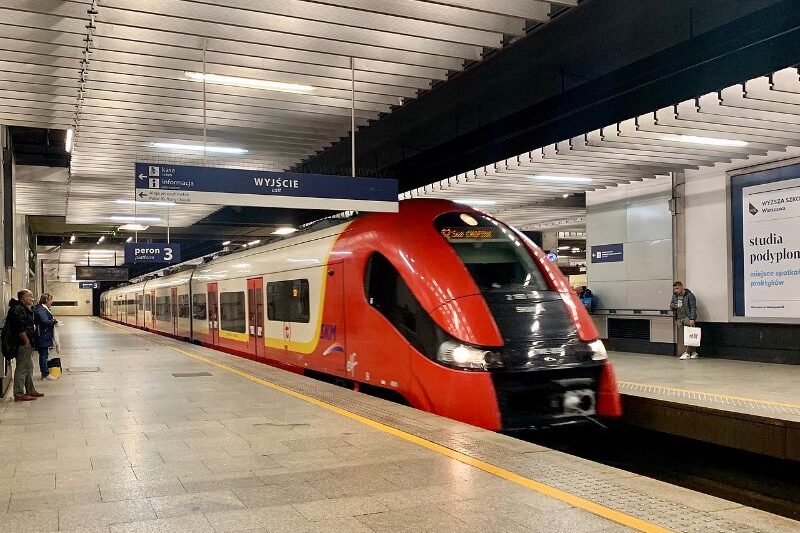
Poland’s extensive PKP Intercity train network efficiently connects major cities with modern, comfortable service: Warsaw-Kraków (2.5 hours, ~100-150 PLN), Warsaw-Gdańsk (3 hours), Kraków-Wrocław (3.5 hours) via Express InterCity Premium (EIP) Pendolino high-speed trains. Booking advance tickets through PKP Intercity website or apps (Trainline, Omio) secures best fares and seats. Long-distance buses (FlixBus, Polski Bus) serve routes trains don’t, reaching mountain regions and Lake District at budget prices (~30-80 PLN). Urban transport uses trams, buses, and Warsaw’s modern metro – tickets must be purchased before boarding via mobile apps, card payment, or pre-bought paper (cash not accepted on most buses, ~4-6 PLN per ride). Day passes available for unlimited urban travel. Ride-share apps (Uber, Bolt) operate in major cities – reliable and safe, though official taxis with company logos also work if meters are used. Rental cars useful for exploring countryside, Tatra Mountains, and smaller towns though unnecessary in cities where public transport excels. Winter driving requires snow tires. Poland is compact – you can traverse the country by train in 6-8 hours. Major cities’ historic centers are highly walkable. English signage is improving but Polish language app helps. Most cities offer bike-share programs for summer exploration.
Top experiences in Poland
Long Market & Neptune's Fountain
The heart of Gdańsk’s Main Town — a wide, cobblestoned promenade lined with ornate, pastel-colored Hanseatic townhouses reconstructed after World War II. The 17th-century bronze Neptune’s Fountain anchors the square. At the eastern end, the Green Gate frames the entrance to the Motława waterfront. Wander through at sunset when the facades glow.
St. Mary's Basilica
One of the world’s largest brick churches (105 m long, 66 m wide), built between the 14th and 16th centuries. The interior holds 31 chapels, a 14-meter astronomical clock from 1470, and the late-Gothic altarpiece of the Coronation of the Virgin. Climb 405 steps to the tower summit for a sweeping Old Town panorama. Admission ~25 PLN.
Museum of the Second World War
A modern, interactive museum opened in 2017, examining World War II through the lens of civilian experience across Europe and Asia. Three underground floors present oral histories, original artifacts, a replica Warsaw apartment, and a Gdańsk street scene before and after bombing. Widely considered one of the best WWII museums in the world. Admission ~25 PLN; allow 3+ hours.
Motława River Embankment & The Crane
A scenic waterfront promenade along the Motława River, lined with amber shops, restaurants, and excursion boats. The Crane (Żuraw) — a medieval double-towered port crane from the 15th century — is the city’s maritime icon and now houses the National Maritime Museum’s exhibition. Canal cruises depart from the quay to Westerplatte.
Mariacka Street (Amber Street)
Gdańsk’s most atmospheric street: a narrow cobblestone lane flanked by rebuilt Gothic townhouses, each with stone steps extending onto the pavement. Amber galleries, craft studios, and jewelry shops fill the ground-floor arcades — this is Poland’s amber capital. The street ends at St. Mary’s Basilica. Visit in the morning for quieter browsing.
Editor-curated picks carried over from our original guide. Where a full place guide exists, the card links to it.
Worth booking ahead in Poland
Hand-picked from the operators our guides already send readers to. Prices and availability are live on the partner site.
BrowseViator
Tours and tickets in Poland on Viator (opens Viator in a new tab)
Viator's full list of bookable tours and tickets in Poland.
BrowseGetYourGuide
Experiences in Poland on GetYourGuide (opens GetYourGuide in a new tab)
Everything GetYourGuide sells in Poland, with the cancellation terms on each listing.
Where to stayBooking.com
Stays in Poland (opens Booking.com in a new tab)
Live rates and availability for Poland on Booking.com; filter by neighbourhood once you know where your days start.
We earn a commission if you book through these links, at no extra cost to you. It is how we keep the guides free and independent.
Where to stay
Radisson Blu Hotel Gdańsk
Długi Targ 19, 80-828 Gdańsk, Poland
A 5-star hotel occupying a row of restored burghers’ houses on the Long Market, steps from Neptune’s Fountain and the Green Gate. Rooms blend exposed-brick Hanseatic character with modern comforts. Breakfast is served in a vaulted cellar. The rooftop terrace offers panoramic views of St. Mary’s Basilica.
Hotel Gdańsk Boutique
ul. Targ Rybny 1, 80-838 Gdańsk, Poland
A design-forward 5-star hotel on the Motława waterfront, directly facing the medieval Crane. Rooms feature floor-to-ceiling windows with river views, a full-service spa, and an acclaimed restaurant serving modern Polish cuisine. Walking distance to every major Old Town attraction.
Radisson Hotel & Apartments Gdańsk
ul. Szafarnia 9, 80-755 Gdańsk, Poland
A contemporary 4-star hotel on the Motława embankment near the Philharmonic, offering canal-view rooms, a fitness center, and a breakfast restaurant. Its quieter location is ideal for travelers seeking proximity to the Old Town without the tourist-center bustle.
Editor-curated stays carried over from our original guide. Where we have reviewed the hotel, the card links to the review.
Tips from the field
Highlights
- Long Market & Neptune's Fountain
- St. Mary's Basilica
- Museum of the Second World War
- Motława Embankment & The Crane
- Mariacka Street (Amber)
- European Solidarity Centre
- Sopot & Gdynia Day Trips
- Christmas Markets
Best activities
- Walk the Long Market and Neptune's Fountain, climb St. Mary's Basilica tower, spend 3 hours at the Museum of the Second World War, stroll the Motława embankment and photograph the Crane, browse amber on Mariacka Street, cruise to Westerplatte, day-trip to Sopot beach and pier, visit the European Solidarity Centre, taste pierogi and craft beer at Brovarnia, and explore the Oliwa Cathedral and its organ concerts.
Local experiences
- Browse amber workshops on Mariacka Street, taste żurek (sour rye soup) at a milk bar (bar mleczny), attend an organ concert at Oliwa Cathedral, cruise the Motława to Westerplatte, drink craft beer at Brovarnia or Piwnica Rajców, visit the European Solidarity Centre where the Solidarity trade union began, walk the Sopot pier at sunset, or explore Gdynia's modernist waterfront and Emigration Museum.
Practical tips
- PKP Intercity & Pendolino Trains: Poland's high-speed PKP Intercity Express (EIP Pendolino) connects Warsaw to Kraków, Gdańsk, and Katowice in under 2.5 hours. Seat reservations are mandatory before boarding EIP trains.
- Currency & Contactless BLIK: Polish Złoty (PLN / zł). Contactless card payments and Apple/Google Pay are ubiquitous nationwide; carry small cash for coin-operated public restrooms.
- Mandatory Museum Reservations: High-demand historical sites such as the Auschwitz-Birkenau Memorial (Oświęcim), Wieliczka Salt Mine, and Warsaw Rising Museum require booking timed-entry tickets weeks ahead online.
- Traditional Milk Bars (Bar Mleczny): Enjoy authentic, budget-friendly homemade Polish comfort foods—such as pierogi, barszcz, and placki ziemniaczane—at iconic historic milk bars across every major Polish city.
Photography tips
- The Long Market's colorful facades photograph best in late-afternoon side light. St. Mary's tower offers the best bird's-eye view of the Old Town rooftops. The Crane (Żuraw) reflects in the Motława at dusk — shoot from the opposite quay with a wide angle. Mariacka Street's gargoyle-decorated doorways make atmospheric close-ups. The Sopot wooden pier at sunset catches golden light over the Baltic.
Timing
- Allow 3–4 days for Gdańsk (Old Town, WWII Museum, Solidarity Centre, Mariacka Street) plus day trips to Sopot and Gdynia. A week covers the entire Tricity area and a possible excursion to Malbork Castle (1 hr by train).
Keeping it authentic
- Gdańsk's identity is layered: Hanseatic trader, Prussian port, Free City, the birthplace of Solidarity, and — since 1945 — a painstaking reconstruction of a city that was 90 % destroyed. The rebuilt Old Town is not a replica but a civic act of will. Amber is the city's material soul
- workshops on Mariacka Street still shape Baltic amber by hand. Pierogi (dumplings), żurek (sour rye soup), and craft beer from the Brovarnia microbrewery at the Hotel Gdańsk are local staples. Day-tripping to Sopot's wooden pier and Gdynia's modernist waterfront extends the Tricity experience.
Culture, customs and safety
Cultural heritage
Poland’s cultural and historical heritage is marked by centuries of resilience, creativity, and rich tradition. Once the heart of the Polish-Lithuanian Commonwealth, its legacy includes Gothic and Baroque architecture, medieval castles like Malbork, and vibrant traditions such as pierogi-making and folk dances like the mazurka. Warsaw’s Old Town, meticulously rebuilt after World War II, and Kraków’s well-preserved medieval center are both UNESCO World Heritage Sites that reflect the nation’s enduring spirit. Poland is also home to poignant memorials like Auschwitz-Birkenau, a stark reminder of the Holocaust and the importance of remembrance. From the wooden churches of southern Lesser Poland to the multicultural legacy of cities like Gdańsk and Lublin, the country offers a layered narrative of faith, resistance, and cultural synthesis.
Local customs & etiquette
Poles are proud, hospitable people who value courtesy, formality, and national heritage. Greet people with ‘Dzień dobry’ (good day) – handshakes are standard for introductions. Address people formally as ‘Pan’ (Mr.) or ‘Pani’ (Mrs./Ms.) with surname until invited to use first names. Poles can seem reserved initially but warm considerably once relationships develop. When invited to a Polish home, bring flowers (odd numbers only, avoid yellow or white), chocolates, or wine – gifts are expected. Remove shoes at the door. Be punctual for social invitations as tardiness is considered disrespectful. At meals, wait for host to say ‘Smacznego’ (bon appetit) before eating and toast ‘Na zdrowie’ (to health) before drinking. Table manners are Continental – fork in left hand, knife in right. Finish everything on your plate to show appreciation. Tipping is customary: round up bills or add 10% at restaurants (not mandatory but appreciated). Poles take pride in their resilience and history – showing respect for WWII sites and communist history is essential. Never make light of Holocaust or suggest Poland was complicit (the term ‘Polish death camps’ is highly offensive – they were Nazi German camps in occupied Poland). The Catholic Church plays significant role in culture – dress modestly in churches, remain quiet, and avoid visiting during Mass unless participating. Polish vodka culture is serious – if offered a shot, refusing is rude. Sunday remains somewhat sacred with many businesses closed. Punctuality matters for business and formal occasions. Learning basic Polish phrases earns immediate goodwill even if pronunciation is poor. Public drinking is prohibited except in designated garden areas.
Safety notes
As of 2026, Poland is recognized as one of the safest countries in the European Union, policed by the Policja and municipal Straż Miejska.
Key Security, Driving & Transit Regulations:
• Strict Drink-Driving Limit: Poland enforces a near-zero legal blood alcohol limit of 0.2u2030 (0.02% BAC). Operating a vehicle with a BAC above 0.5u2030 is a criminal offense punishable by mandatory license revocation and prison sentences.
• Eastern Border Security Zones: The international borders with Belarus and the Russian Kaliningrad exclave are heavily monitored. Do not approach the border strip or photograph military/border installations.
• Public Transit Ticket Validation: When riding trams, buses, or the Warsaw Metro, tickets must be validated immediately upon boarding using onboard stamping machines (kasowniki); plainclothes ticket inspectors issue strict on-the-spot fines of 200–300+ PLN for unvalidated tickets.
• Nightlife & Strip Club Scams: In central entertainment districts (Kraków Main Market, Warsaw Nowy Świat, Wrocław Rynek), avoid aggressive promoters offering free shots or adult venue entries; credit card extortion occurs in predatory clubs.
• Emergency: European Emergency 112, Policja 997, Medical Ambulance 999.