Last verified: July 2026. ViaTravelers may earn a commission if you book through certain links on this page. Recommendations are based on tool fit, booking model, documented features, and traveler risk—not commission rate.
For most travelers, Google Flights is the best all-purpose Skyscanner alternative for flexible-date research, nearby-airport comparisons, and price tracking. KAYAK and Momondo are better cross-checks when you want more online travel agency results. Going is best for proactive deal alerts, ITA Matrix is strongest for advanced fare research, and Expedia or Booking.com make more sense when you want to combine flights with hotels or cars.
No flight search engine finds the lowest fare on every route. Inventory, refresh timing, baggage rules, payment fees, and the seller handling the booking can all change the real trip cost. The most reliable approach is to compare two search tools, then check the exact itinerary on the airline’s website before paying.
In this guide

- Best alternatives at a glance
- 15-tool comparison table
- Types of flight search and booking tools
- Corporate ownership and inventory overlap
- Detailed Skyscanner alternatives
- Cheap-flight search workflow
- When Skyscanner is still useful
- Frequently asked questions
Best Skyscanner alternatives at a glance

- Best overall: Google Flights
- Best broad metasearch: KAYAK
- Best visual fare comparison: Momondo
- Best cheap-flight alerts: Going
- Best app-first price tracking: Hopper
- Best advanced fare research: ITA Matrix
- Best for unusual self-transfer routes: Kiwi.com
- Best for flight-and-hotel packages: Expedia
- Best for India and the Middle East: Cleartrip or Wego
For a broader overview of airfare tools, see our guide to the best flight search engines. This page is narrower: it explains which tools replace a specific Skyscanner function, where their inventory may overlap, and what risks matter after you click through.
Quick comparison of 15 Skyscanner alternatives

This ranking is based on current official product documentation, booking model, regional fit, search controls, price transparency, and disruption risk. It is not a claim that one site always produces the cheapest fare.
| Tool | Type | Best for | Where you book | Main tradeoff |
|---|---|---|---|---|
| Google Flights | Metasearch | Flexible dates and route research | Airline or OTA | Does not sell the ticket |
| KAYAK | Metasearch | Broad cross-checks and Hacker Fares | Airline or OTA | Separate-ticket combinations add complexity |
| Momondo | Metasearch | Visual comparison and Mix & Match | Airline or OTA | Inventory may overlap with KAYAK |
| Going | Deal-alert service | Flexible travelers departing from U.S. airports | Usually the airline | Not an exact-date search engine |
| Hopper | App and OTA | Mobile price watches and optional booking products | Hopper | Add-on terms and fees require review |
| ITA Matrix | Research tool | Advanced routing and fare construction | Nowhere; recreate the fare elsewhere | Steeper learning curve |
| Kiwi.com | OTA | Self-transfer and unconventional routes | Kiwi.com | Missed-connection risk on separate tickets |
| Skiplagged | Specialized search | Conventional and hidden-city fare discovery | Provider or Skiplagged | Airline contract and itinerary risks |
| Expedia | OTA | Packages and a single trip account | Expedia | Changes may involve an intermediary |
| Booking.com | OTA | Combining flights with accommodation | Booking.com or a partner | Less flight-research depth than metasearch |
| Priceline | OTA | Packages, VIP rates, and Express Deals | Priceline | Deal restrictions can reduce flexibility |
| Trip.com | OTA | Asia-focused and international itineraries | Trip.com | Support and fare rules vary by booking |
| CheapOair | OTA | Travelers who value phone support | CheapOair | Service and post-ticketing fees may apply |
| Cleartrip | OTA | India and Middle East bookings | Cleartrip | Regional value is stronger than global value |
| Wego | Metasearch and marketplace | MENA and Asia, local currencies, and payment methods | Provider or Wego | Provider coverage varies by market |
What type of Skyscanner alternative do you need?
Metasearch engines

Google Flights, KAYAK, Momondo, and Wego compare options from airlines and travel sellers, then usually send you elsewhere to complete the booking. They are best for research because you can scan dates, airports, stops, carriers, and sellers without committing to one agency.
Online travel agencies
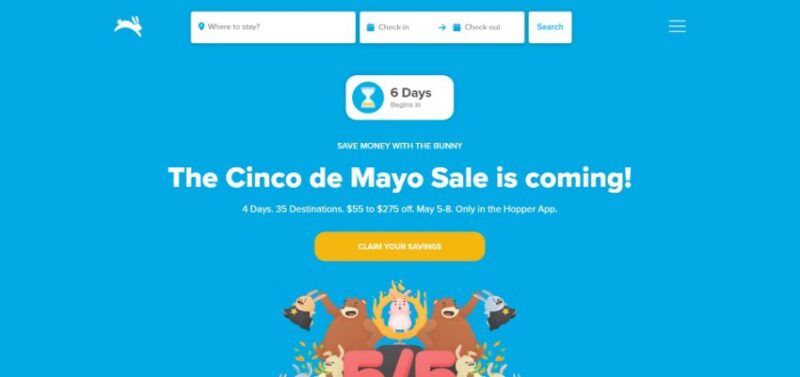
Expedia, Booking.com, Priceline, Trip.com, CheapOair, Cleartrip, Hopper, and Kiwi.com can take payment and manage the reservation as an intermediary. An OTA may offer a lower price, package discount, loyalty credit, or localized payment option. The tradeoff is that voluntary changes, refunds, and disruption support may involve both the OTA and the airline.
Deal-alert services

Going monitors fares and sends selected deals from your chosen departure airports. It is useful when the destination or dates are flexible, but it does not replace a live search for a fixed itinerary.
Advanced research tools
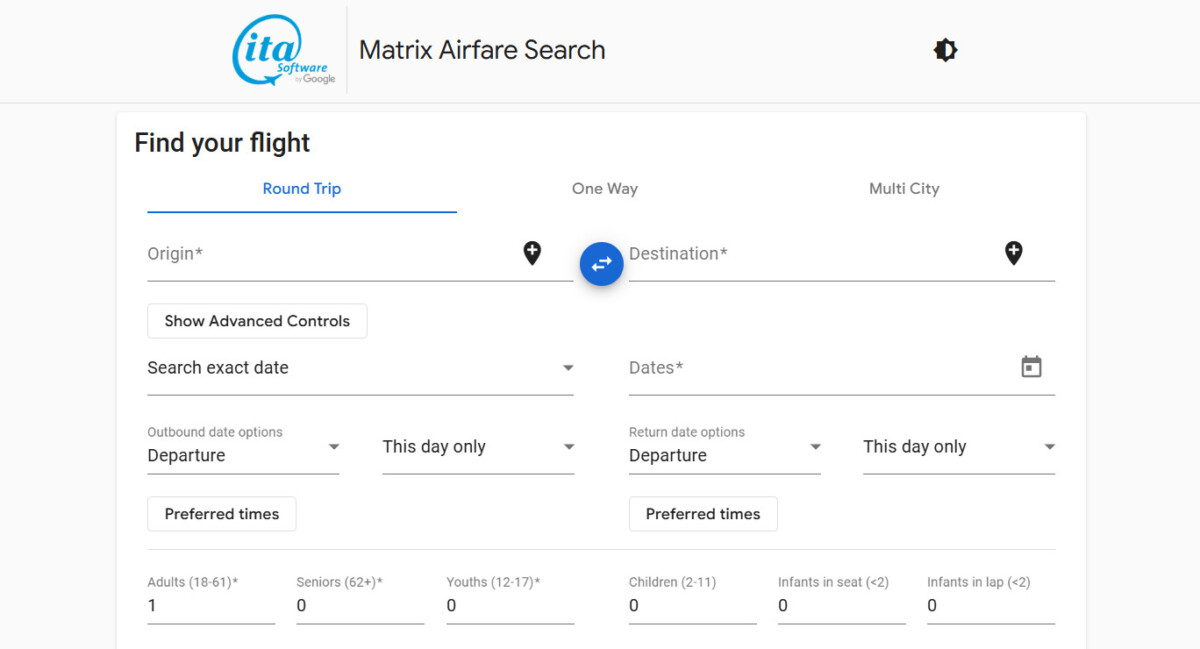
ITA Matrix is designed for deeper fare and routing research. It can expose combinations, calendar patterns, and fare details that simpler interfaces hide, but you must recreate the itinerary with an airline or travel seller.
Why several “different” sites may show similar results

Travel brands often share a parent company. Ownership does not make their results identical, but it is one reason not to treat every sibling brand as a fully independent market check.
| Parent group | Relevant brands | Practical takeaway |
|---|---|---|
| Booking Holdings | Booking.com, KAYAK, Momondo, Priceline | Compare their interfaces and special tools, but expect some supplier overlap. |
| Expedia Group | Expedia, Orbitz, Travelocity | Searching all three may not broaden the market as much as adding an unrelated metasearch engine. |
| Trip.com Group | Skyscanner, Trip.com | They use different booking models, but they are not independent corporate competitors. |
The best Skyscanner alternatives
1. Google Flights: best overall alternative

- Best for: Flexible dates, nearby airports, fast comparisons, and price tracking
- Main tradeoff: Google does not sell or service the ticket
Google Flights is the strongest starting point for most searches. Its interactive calendar, Date grid, Price graph, nearby-airport suggestions, and route tracking make it easy to see how one day, one airport, or one stop changes the fare. You can search one-way, round-trip, and multi-city itineraries, then book through an airline or online travel agency.
The best use is broad research, not blind checkout. Google says calendar prices can be refreshed on a delay, and the final booking happens with the airline or seller you select. Recheck the total after bags, seats, and payment fees. Our walkthrough of Google Flights’ flexible-destination tools explains how to search when your route is open.
Choose Google Flights over Skyscanner when speed, date flexibility, alternate airports, and airline-direct booking options matter most. Keep Skyscanner as a second check for additional budget-carrier or regional seller coverage.
2. KAYAK: best broad metasearch alternative

- Best for: Cross-checking many sellers, destination discovery, and two-one-way combinations
- Main tradeoff: Some results involve separate tickets or third-party providers

KAYAK searches hundreds of travel sites and adds useful planning tools. Explore is good for “where can I go for this budget?” searches. Price Alerts monitor a route, while Price Forecast uses historical data to suggest whether to buy or wait.
KAYAK’s Hacker Fares build a round trip from two one-way tickets, sometimes on different airlines. That can cut the price, but you are managing two reservations. Check both tickets’ live availability before buying, compare baggage rules, confirm airport codes, and consider what happens if one side changes. Read our full analysis of whether KAYAK is legit and how its booking flow works.
Choose KAYAK over Skyscanner when you want a deeper set of planning tools or a broad second opinion across airlines and agencies.
3. Momondo: best visual fare comparison

- Best for: Quickly comparing cheapest, quickest, and best-value itineraries
- Main tradeoff: Momondo is managed by KAYAK, so results may overlap
Momondo is a clean metasearch option for travelers who prefer a visual comparison. Its result groupings and fare calendar make it easier to trade price against duration, while Mix & Match can pair different providers for outbound and return tickets.
Momondo does not sell tickets. It sends you to an airline or travel agency, which becomes responsible for payment and booking support. Momondo is managed by KAYAK and both belong to Booking Holdings, so using Momondo after KAYAK may refine the presentation more than it broadens the underlying market.
Choose Momondo over Skyscanner when you want an uncluttered comparison and a fast way to balance price, trip time, and booking provider.
4. Going: best for proactive cheap-flight alerts
- Best for: Flexible leisure travelers departing from U.S. airports
- Main tradeoff: It does not search a fixed route and date on demand

Going is a deal-alert service, not an online travel agency or conventional flight search engine. You choose U.S. departure airports, and Going sends deals that pass its internal criteria. When a fare fits, its instructions usually lead you to book directly with the airline.
This makes Going a useful complement to Skyscanner rather than a one-for-one replacement. It is strongest when the destination and dates are flexible. It is weaker when you need a specific route next Tuesday. Free and paid membership levels differ by alert speed, fare class, and deal coverage, so check the current plan details before subscribing. Our Going.com review covers the membership model in more detail.
Choose Going over Skyscanner when you are waiting for the right destination and price instead of searching for a fixed trip.
5. Hopper: best app-first alternative

- Best for: Mobile price watches and travelers who want booking options in one app
- Main tradeoff: Optional products have separate fees, limits, and terms
Hopper is built around mobile fare monitoring. Search a route, turn on Price Watch, and the app sends notifications when its prediction changes. Hopper also sells flights and offers optional products such as Price Freeze and flexible-cancellation features in eligible markets.
Those add-ons can be useful, but they are not the same as an airline’s refundable fare. Read the eligibility rules, service fee, payout method, and deadline before paying. If you prefer to research on desktop and book directly with an airline, Google Flights is simpler. If you want alerts, booking, and add-ons in one mobile flow, Hopper may fit better. See our independent Hopper review for the practical tradeoffs.
Choose Hopper over Skyscanner when app-based tracking and optional price-protection products matter more than broad desktop metasearch.
6. ITA Matrix: best for advanced fare research
- Best for: Complex routing, multi-city research, fare classes, and calendar searches
- Main tradeoff: You cannot buy a ticket inside ITA Matrix
ITA Matrix is the power-user option behind many modern airfare-search ideas. It supports round-trip, one-way, and multi-city searches and exposes routing details that can help with alliance preferences, connection points, fare classes, and long date ranges.
The interface is less forgiving than Google Flights, and some combinations shown in separate searches may not be sellable as one ticket. Once you find an itinerary, you must recreate it with an airline or travel agency. Availability can also move before you finish.
Choose ITA Matrix over Skyscanner when you know the route constraints you want to test and are willing to do more work to book the result.
7. Kiwi.com: best for unconventional self-transfer itineraries

- Best for: Combining airlines that do not sell a protected through-ticket
- Main tradeoff: Separate-ticket connections can leave the traveler responsible for disruption costs
Kiwi.com specializes in virtual interlining: combining separate tickets from airlines that may not cooperate. This can reveal cheaper or more convenient routes that standard airline booking systems do not sell as one itinerary.
The risk is material. On a self-transfer, the next airline generally has no obligation to rebook you when an earlier flight causes a missed connection. You may need to collect and recheck bags, clear immigration, change terminals or airports, and satisfy entry rules for the connection country. Kiwi sells a Guarantee with disruption-related services, but coverage depends on its current terms and the option purchased.
Choose Kiwi.com over Skyscanner when the routing advantage is substantial and you understand the separate-ticket risk. For a high-stakes trip, short connection, checked bag, or event you cannot miss, a protected single ticket is usually the safer choice.
8. Skiplagged: best for hidden-city fare discovery—with major caveats

- Best for: Experienced travelers researching conventional and hidden-city fares
- Main tradeoff: Hidden-city ticketing can violate airline contracts and disrupt the rest of an itinerary

Skiplagged is known for hidden-city searches, where your intended destination is the connection point rather than the ticket’s final city. The tool also displays conventional fares.
Hidden-city ticketing is not simply a harmless trick. American Airlines and United explicitly prohibit buying a ticket without intending to fly every segment. Skipping a segment can cancel later flights on the same reservation, checked bags normally continue to the ticketed destination, and airline enforcement may affect loyalty accounts or future travel. Review the carrier’s contract of carriage before considering it. Our Skiplagged review explains the mechanics and risks, while our guide to a layover versus a stopover clarifies the itinerary terminology.
Choose Skiplagged over Skyscanner when you are deliberately researching this narrow fare type and accept the restrictions. It is not a good default for families, checked-bag travelers, round trips, or any journey with little room for disruption.
9. Expedia: best for flight-and-hotel packages

- Best for: Bundling flights, hotels, cars, and activities in one account
- Main tradeoff: Changes and refunds may need to pass through Expedia
Expedia is an online travel agency rather than a pure search engine. Its strongest case is convenience: you can compare flights, add accommodation or a car, filter for refundable options, and manage eligible bookings through one account. One Key members can earn rewards on eligible reservations.
Package pricing can beat buying each component separately, but compare the complete trip—not just the headline flight price. Check bag and seat costs, hotel cancellation terms, and who handles support. The U.S. Department of Transportation’s 24-hour reservation rule requires airlines to offer a hold or refund on qualifying tickets purchased at least seven days before departure; it does not mean every third-party booking has the same policy. Read Expedia’s checkout terms before paying and see our guide to whether Expedia is trustworthy.
Choose Expedia over Skyscanner when you value package savings and one itinerary dashboard more than booking directly with each supplier.
10. Booking.com: best for travelers already booking accommodation

- Best for: Adding flights to an accommodation-first planning workflow
- Main tradeoff: Its flight-research tools are less specialized than Google Flights or KAYAK
Booking.com supports one-way, round-trip, and multi-city flight searches alongside its large accommodation and car-rental marketplace. It is convenient when the hotel is the center of the trip and you want fewer sites and accounts.
Booking.com, KAYAK, Momondo, and Priceline all sit under Booking Holdings. Their interfaces and booking models differ, but searching every sibling brand should not replace an independent check with Google Flights, Skyscanner, or an airline. Before checkout, confirm the operating carrier, baggage allowance, seller, cancellation policy, and support contact. Our Booking.com review covers the broader platform.
Choose Booking.com over Skyscanner when you want flights, stays, and cars in one familiar booking ecosystem.
11. Priceline: best for package shoppers and deal-led booking

- Best for: Packages, VIP pricing, and travelers comfortable with deal restrictions
- Main tradeoff: Discounted or opaque offers may limit flexibility or reveal details late
Priceline sells flights, hotels, cars, cruises, and packages. Its value comes from member pricing and Express Deals rather than the pure research depth of a metasearch tool.
Read every deal condition before buying. A lower price may come with a limited cancellation window, nonrefundable terms, or hidden supplier details. The discount is only meaningful when the itinerary, baggage allowance, and change rules still fit your trip. Our guide to Priceline Express Deals for flights explains what to check.
Choose Priceline over Skyscanner when you are shopping for a package or member deal and are willing to trade some flexibility for a lower total.
12. Trip.com: best for Asia-focused and international booking

- Best for: Asia-heavy itineraries, app users, price alerts, and loyalty credits
- Main tradeoff: It is an OTA, so support and fare rules depend on the booking
Trip.com combines live flight booking with price alerts, app offers, a loyalty program, and Trip Coins on eligible purchases. It is especially relevant for itineraries involving Asian carriers, regional routes, or travelers already using the Trip.com ecosystem.
Skyscanner and Trip.com are both part of Trip.com Group, but they serve different roles: Skyscanner is primarily metasearch, while Trip.com accepts bookings. That makes Trip.com useful as a checkout option, not a wholly independent view of the travel market.
Choose Trip.com over Skyscanner when you want to complete and manage an Asia-focused or international booking inside one OTA.
13. CheapOair: best when live support matters

- Best for: Travelers who prefer phone support and an OTA booking flow
- Main tradeoff: Service fees and post-ticketing fees can reduce a small fare advantage
CheapOair sells flights from a large airline set and promotes 24/7 support, ClubMiles rewards, and app-based booking. It can be useful when you want a human support channel or find an itinerary unavailable through your first search.
Compare the final total carefully. CheapOair’s own promotions often discount its service fees, which confirms that those fees can be part of the price. Voluntary changes or cancellations may involve both airline penalties and agency fees. A $10 headline saving is rarely worth a more restrictive support path. See our full CheapOair review before booking.
Choose CheapOair over Skyscanner when its total price is meaningfully lower or its support model solves a specific need—not simply because the first fare shown is lower.
14. Cleartrip: best for India and selected Middle East markets

- Best for: Domestic India, India–Gulf routes, regional offers, and local booking preferences
- Main tradeoff: It is less compelling as a default search tool outside its strongest markets
Cleartrip is an established regional OTA with broad airline coverage, a mobile app, and localized offers. It is most useful when your itinerary begins in India or involves nearby Middle East markets, where payment options, carrier coverage, and support channels may fit better than a U.S.-centric site.
Travelers elsewhere should still compare the exact fare against Google Flights, Skyscanner, and the airline. Check the currency, payment fee, baggage allowance, cancellation rules, and customer-service channel that applies to your country.
Choose Cleartrip over Skyscanner when its regional inventory, payment methods, or promotion is directly relevant to your route.
15. Wego: best MENA-focused metasearch alternative
- Best for: Middle East and North Africa searches, local currencies, and regional payment methods
- Main tradeoff: Provider coverage and checkout flow vary by market
Wego compares airlines and online travel agencies and also supports on-platform booking in some cases. Its strongest differentiator is localization: country-specific currencies, regional payment methods, Arabic-language support, and deep relevance across MENA and parts of Asia.
Wego says mandatory taxes and fees are included in displayed totals, while optional services such as bags can still cost more. The search page can also filter by payment type and show a fare calendar. As with any marketplace, verify who is taking payment and who will service the booking.
Choose Wego over Skyscanner when regional suppliers, local payments, and MENA-focused coverage matter more than a globally uniform interface.
A smarter way to search for cheap flights

- Start broad in Google Flights. Search flexible dates, nearby airports, and both the Best and Cheapest result tabs. Use the bag filter when available.
- Cross-check KAYAK or Momondo. Look for agencies, mixed-carrier combinations, or fare options missing from the first search.
- Use Skyscanner as an independent second metasearch. Its regional provider coverage can still surface a different seller or budget carrier.
- Set an alert when the trip is not urgent. Google Flights, KAYAK, Hopper, Skyscanner, and Going cover different alert use cases. Our guide to flight price trackers explains the differences.
- Compare the exact itinerary on the airline’s site. Match flight numbers, fare class, baggage, seats, cancellation terms, and total price.
- Book based on total value, not the first fare. A slightly higher direct fare may be worthwhile when the trip is complex, the connection is tight, or disruption support matters.
Airfares move because airlines manage inventory dynamically, not because a single “best day” guarantees a deal. Flexibility, competition on the route, remaining seats, seasonality, and fare rules matter more than a universal booking trick. See our practical guide to finding cheap flights step by step and our explanation of what affects flight prices.
Why Orbitz, Travelocity, and Vayama are not separate picks
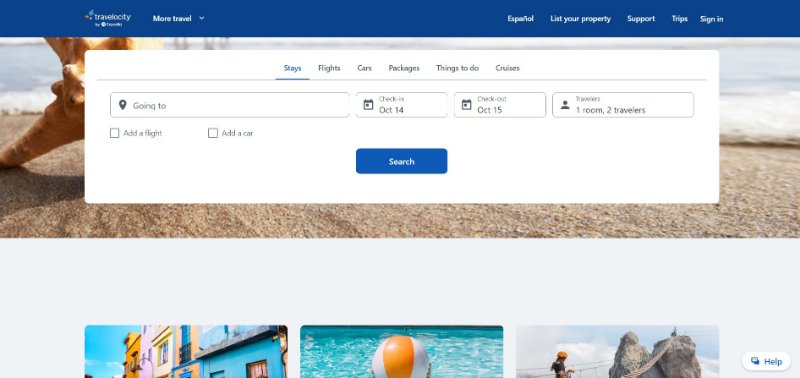
Orbitz and Travelocity remain usable booking brands, but both belong to Expedia Group. Listing Expedia, Orbitz, and Travelocity as three independent alternatives would overstate the diversity of the comparison. Search one Expedia Group brand, then add a metasearch tool or airline-direct check.
The old Vayama recommendation is no longer current for U.S. readers: Vayama.com now redirects to BudgetAir-branded content. Regional tools can still be useful, but this list prioritizes services with a clearly documented present-day role and enough differentiation to justify a separate recommendation.
Should you still use Skyscanner?

Yes. Skyscanner is still a useful metasearch engine for flights, hotels, and car rentals. Its flexible-date and “Everywhere” tools are especially helpful when the destination or timing is open.
The limitation is the same one shared by every metasearch engine: Skyscanner normally redirects you to an airline or travel provider, and that provider controls payment, support, changes, and refunds. Prices can also change between the search result and checkout as inventory updates. Use Skyscanner to discover options, then evaluate the seller and final terms—not just the number on the first screen.
The best practical combination: Google Flights for fast date and route research, KAYAK or Momondo for a broad seller cross-check, Skyscanner for additional regional coverage, and Going or a price alert when your schedule is flexible.
Frequently asked questions

What is the best alternative to Skyscanner?
Google Flights is the best general alternative for most travelers because it makes flexible dates, nearby airports, price graphs, and fare tracking easy to compare. KAYAK or Momondo are better second checks for additional travel-agency results, while Going is better for proactive deal alerts.
Is Google Flights better than Skyscanner?
Google Flights is usually better for speed, date flexibility, nearby-airport research, and airline-direct booking links. Skyscanner can be stronger for additional regional providers and some budget-airline results. Using both is more reliable than treating either one as complete.
Which flight search engine finds the cheapest flights?
No flight search engine is cheapest on every route. Results differ because airlines, agencies, cached prices, fees, and regional inventory change. Compare at least two search tools, then check the same flight on the airline’s website.
Is it better to book directly with the airline?
Booking directly is often simpler when you need to change a ticket or resolve a disruption because there is no agency between you and the airline. An online travel agency can still be worthwhile when the total price is meaningfully lower, a package saves money, or a local payment method is required.
Why does a flight price change after I click a search result?
Flight inventory changes quickly, and a metasearch result may be based on a recently cached price. The airline or travel agency confirms the live fare at checkout. Recheck the flight numbers, fare class, baggage, seats, payment fees, and cancellation terms before paying.
Final verdict

The strongest Skyscanner alternative depends on the job. Use Google Flights for fast research, KAYAK or Momondo for a broad cross-check, Going for deal alerts, ITA Matrix for complex fare construction, and a regional tool such as Wego or Cleartrip when local inventory and payments matter.
Do not judge a fare by price alone. Confirm whether the itinerary is one protected ticket or several separate tickets, identify the company taking payment, add bags and seats, and read the change and cancellation terms. When an online travel agency is only slightly cheaper, booking directly with the airline often buys a simpler support path.