

Food Travel Travel
Food travel guides for trips planned around the table — regional dishes, market tours, cooking classes, and Michelin-to-street-food picks vetted in person by the ViaTravelers team.
-
-
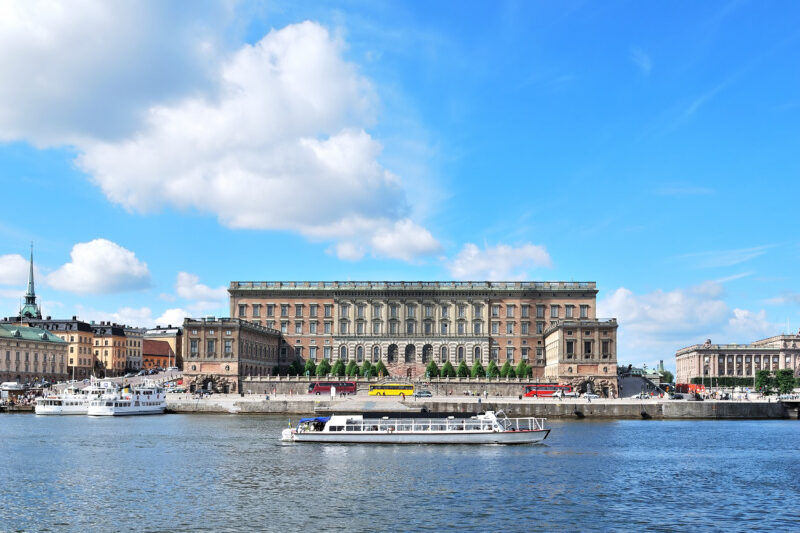
Gamla Stan Stockholm
Stockholm’s old town — one of Europe’s best-preserved medieval cores, a cluster of ochre buildings and lanes on its own island, home to the Royal Palace and Stortorget square.
-
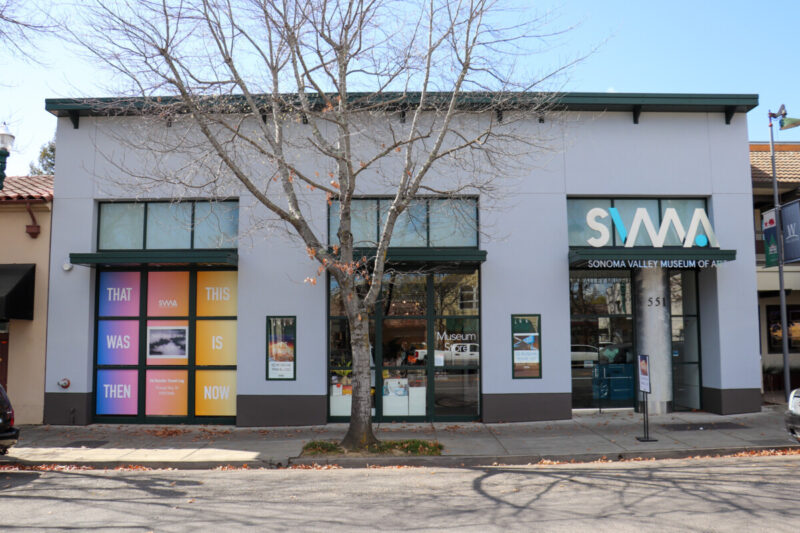
Sonoma Valley Sonoma
The historic plaza town at the heart of California’s Sonoma Valley wine country — a mission, a central square ringed by tasting rooms, and farm-to-table dining an hour from San Francisco.
-
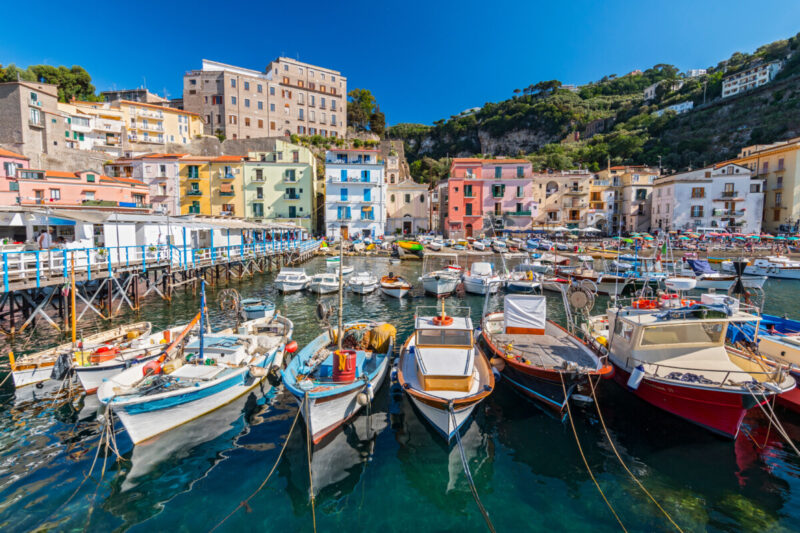
Marina Grande Sorrento
Sorrento’s historic fishing harbor — a cluster of pastel houses and seafood trattorias on the waterfront below the cliffs, with ferries to Capri and the Amalfi Coast.
-
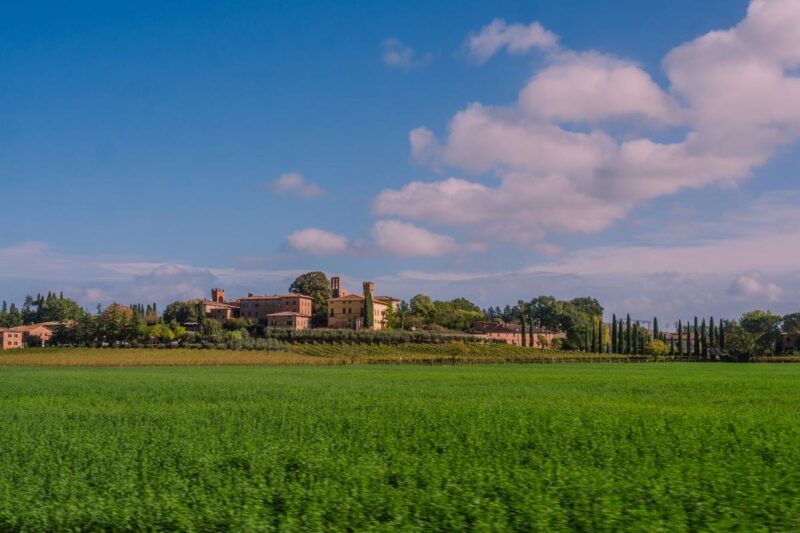
Chiaia Naples
Naples’ elegant seafront district — upscale shopping, the Riviera di Chiaia gardens, and the Lungomare promenade with views across the bay to Vesuvius.
-
Spaccanapoli Naples
The straight, narrow street that splits Naples’ old town in two — a UNESCO-listed corridor of churches, street food, and artisan workshops at the city’s historic heart.
-

St Barts Gustavia
The harbor capital of St. Barthélemy — a chic Caribbean port of red-roofed buildings, designer boutiques, waterfront dining, and superyachts ringing a horseshoe bay.
-
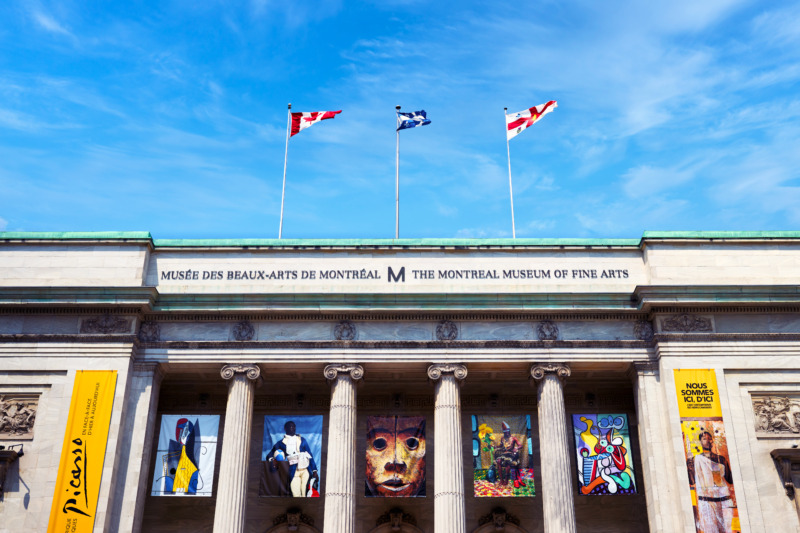
Downtown St John S
The walkable core of St. John’s, Newfoundland — famously colorful ‘Jellybean Row’ houses, the pubs of George Street, and a working harbor beneath Signal Hill.
-
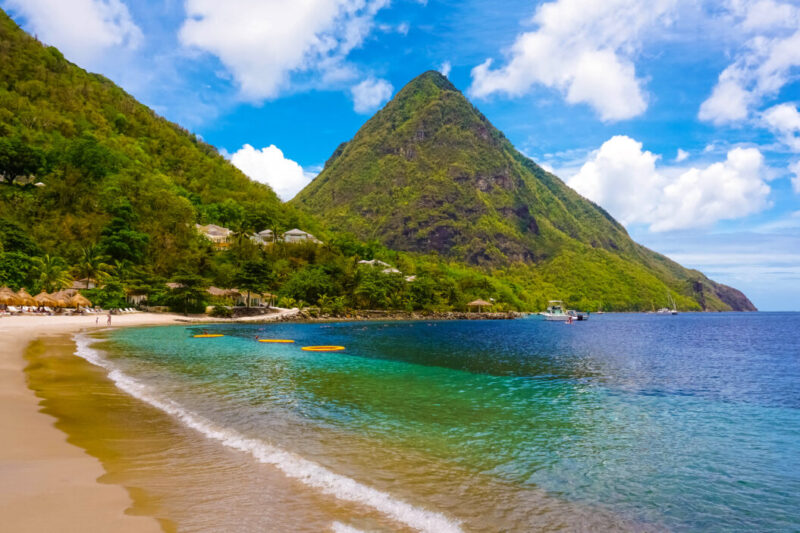
Gros Islet Castries
A lively fishing town in northern St. Lucia — known for its Friday-night street party (the ‘jump-up’), nearby Rodney Bay and Reduit Beach, and easy access to Pigeon Island.
-
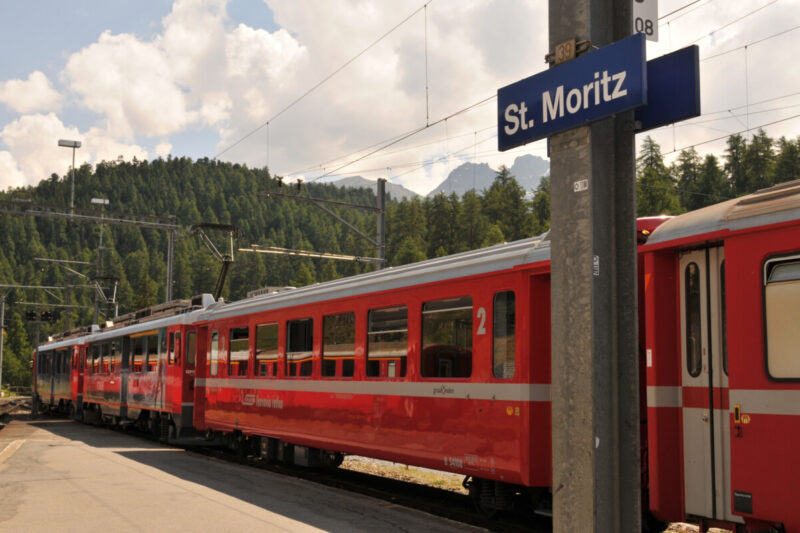
St Moritz Dorf St Moritz
The village heart of St. Moritz in the Swiss Engadin — an upscale alpine resort of luxury boutiques and grand hotels, framed by lake and mountain views at 1,800 m.
-

-
Yuyuan Garden Area
A traditional shanghai, classical gardens, tourist center neighborhood ideal for Culture seekers, Garden lovers, Photographers.
-

Historic Center Šibenik
Šibenik’s medieval old town on the Dalmatian coast — a maze of stone stairways crowned by the UNESCO-listed Cathedral of St. James, built entirely of interlocking stone.
-
Centro Storico Siena
Siena’s UNESCO-listed medieval heart — the shell-shaped Piazza del Campo and its Palio horse race, the Torre del Mangia, and a marble-floored Gothic Duomo.
-
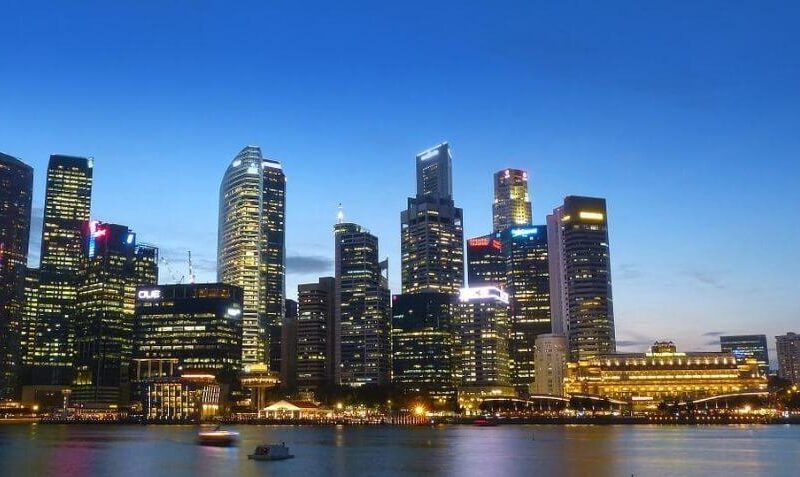
Chinatown Singapore
Singapore’s historic Chinatown — shophouse-lined lanes, the Buddha Tooth Relic Temple, the Sri Mariamman Hindu temple, and hawker centers like Maxwell Food Centre.
-

Downtown Sioux Falls
The revitalized core of Sioux Falls, South Dakota — a walkable district along the Big Sioux River, anchored by Falls Park and a sculpture-lined Phillips Avenue.
-
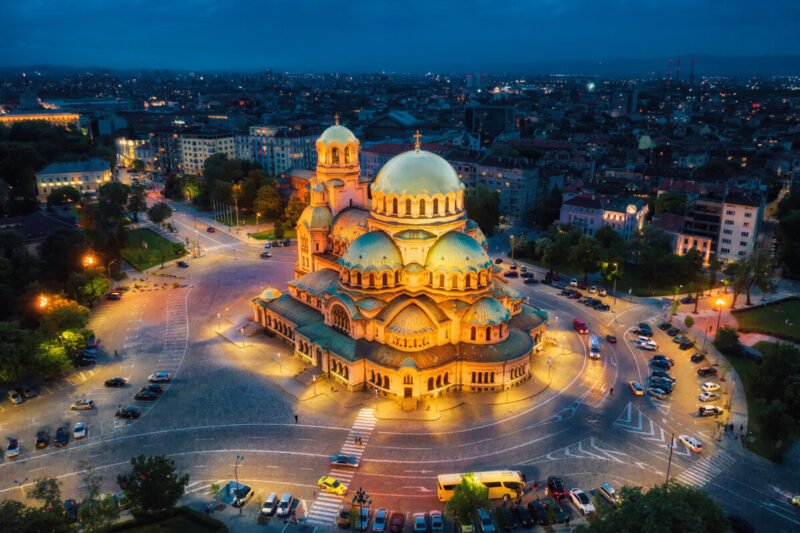
Vitosha Boulevard
Sofia’s tree-lined pedestrian promenade — café terraces and nearly 200 shops running from the ancient St. George Rotunda to the Brutalist National Palace of Culture.
-
-
Tianzifang
A art district, creative quarter, shopping maze neighborhood ideal for Art lovers, Souvenir shoppers, Photographers.
-
French Concession
A colonial charm, tree-lined streets, historic quarter neighborhood ideal for History buffs, Architecture lovers, Cafe enthusiasts.
-

-
-
-
Myeongdong
Seoul’s neon shopping and street-food district in Jung-gu — K-beauty flagships, tteokbokki and tornado-potato stalls, and the Gothic Myeongdong Cathedral.