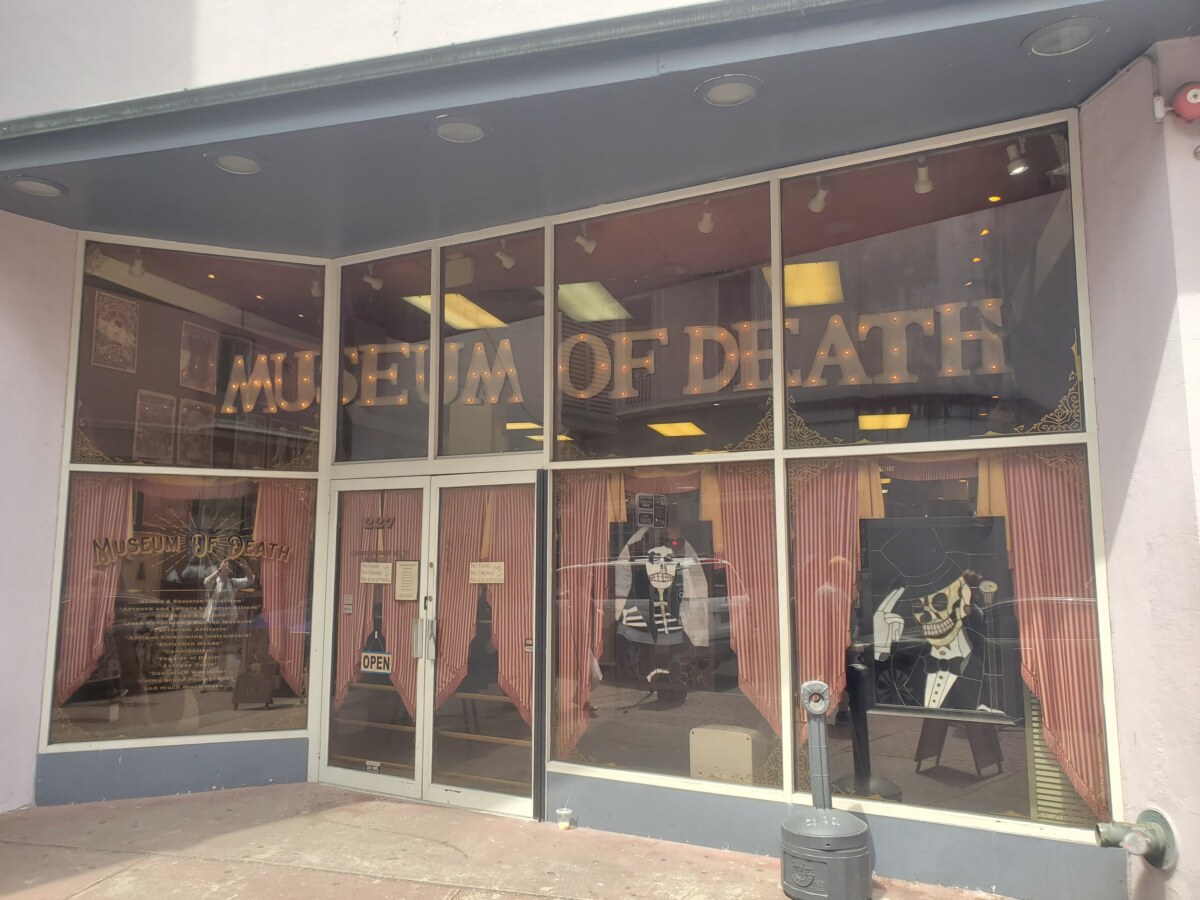
Louisiana
Louisiana hits differently when you eat your way through it — boudin in Breaux Bridge, then a swamp tour before dark.
Food travel guides for trips planned around the table — regional dishes, market tours, cooking classes, and Michelin-to-street-food picks vetted in person by the ViaTravelers team.
Louisiana hits differently when you eat your way through it — boudin in Breaux Bridge, then a swamp tour before dark.

San Sebastian has more Michelin stars per capita than almost anywhere on earth — and the pintxos bars in Parte Vieja cost just €2 a bite.
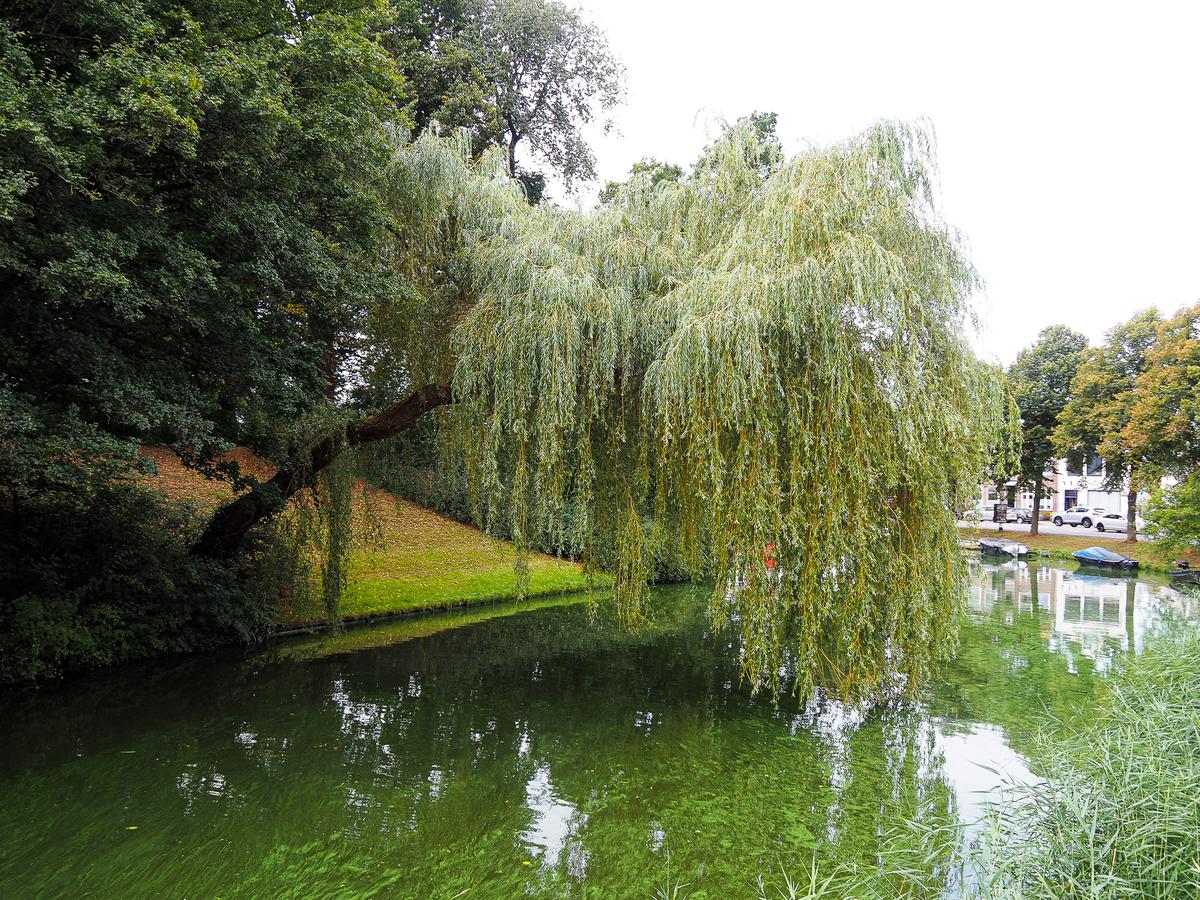
The Friday cheese market is real — guild members, wooden stretchers, giant Gouda wheels. Get there before 10AM or fight the tour groups.
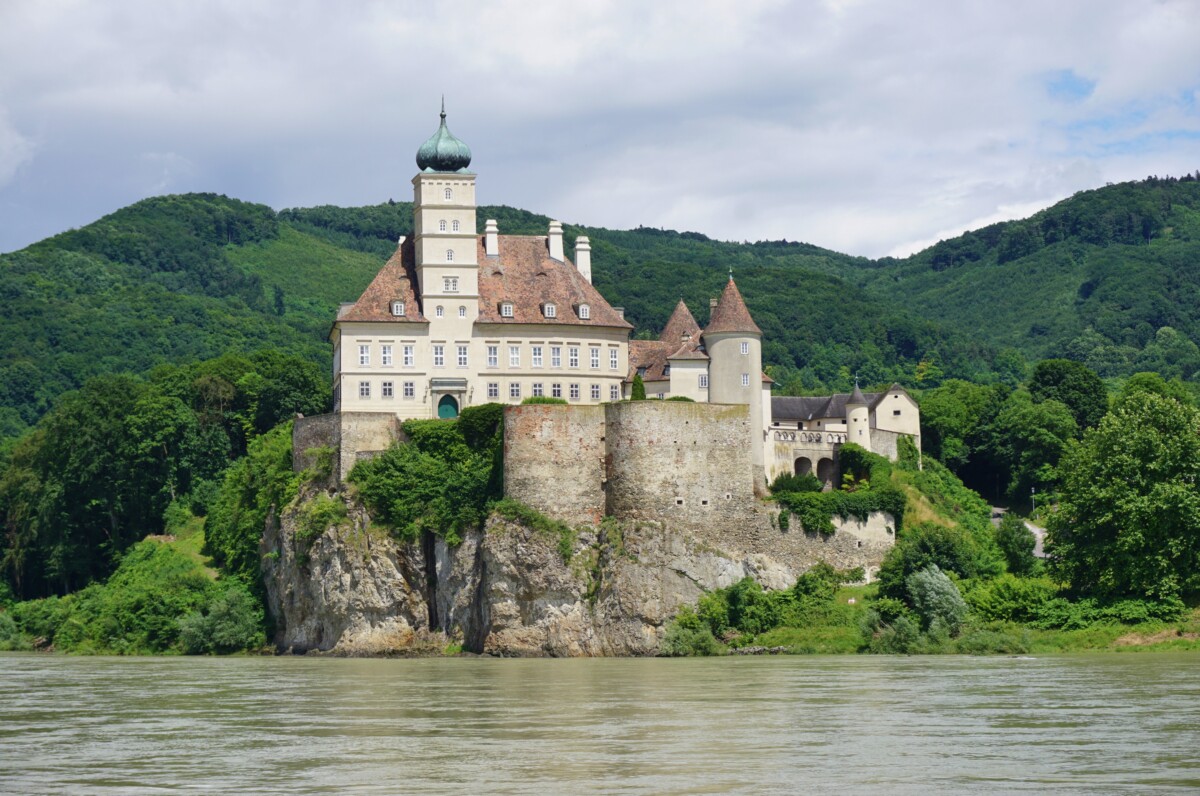
Dürnstein Castle held Richard the Lionheart prisoner. The Grüner Veltliner poured below it is reason enough to linger.

Austin’s best barbecue isn’t on 6th Street — it’s a 45-minute line on a Tuesday at Franklin’s, and it’s worth every minute.

The Vatican line starts at 7am — get there at 6:45. Skip it entirely and you’re looking at 3 wasted hours.
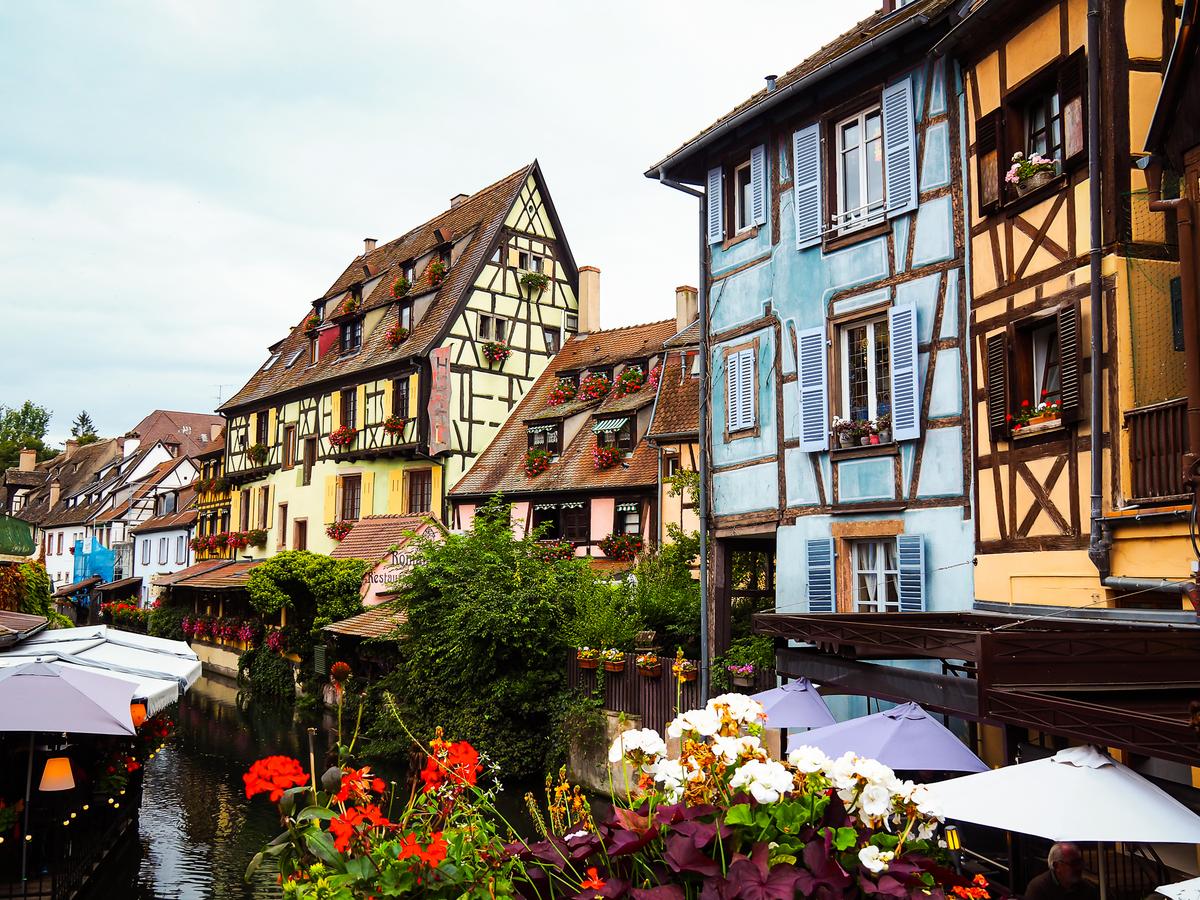
Alsace sits between France and Germany and tastes like both — riesling, tarte flambée, and half-timbered villages that actually look like that.

The Palatine Chapel’s Islamic muqarnas ceiling sits directly above Byzantine mosaics and Latin texts. No other room in Europe looks like this.

Genoa’s caruggi pull you in fast — narrow, loud, and layered with 800 years of port city life most Italy itineraries completely skip.

Melbourne’s laneways do more work than any landmark — Hosier Lane alone changes weekly, and the coffee scene genuinely earned its reputation.

Lyon has more Michelin-starred restaurants per capita than Paris. The bouchons in Vieux-Lyon are where locals actually eat.
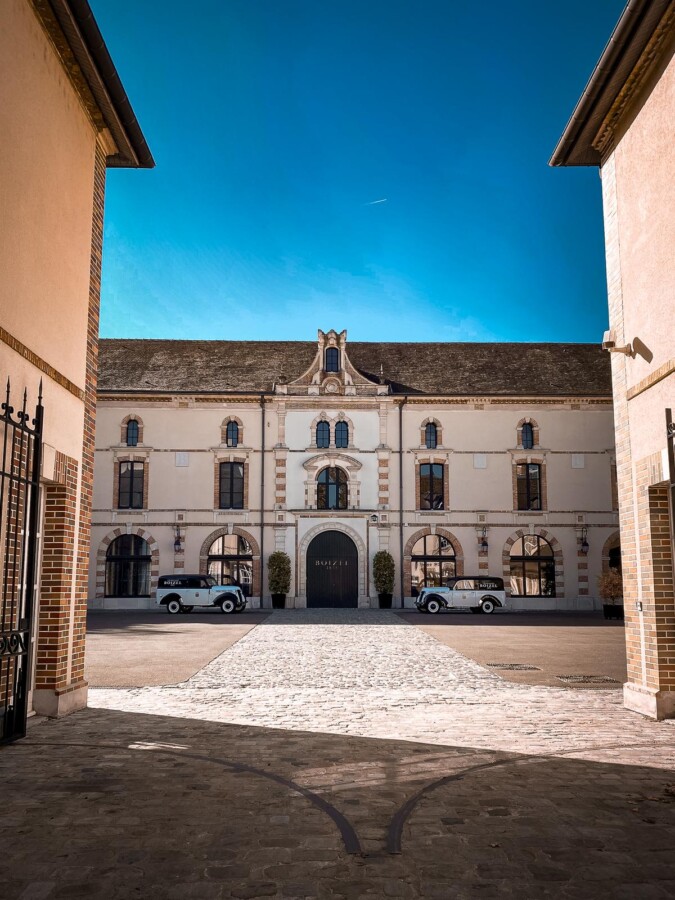
Reims Cathedral alone justifies the detour, but the real reason to come is the chalk caves beneath the city — where Veuve Clicquot ages by the millions.
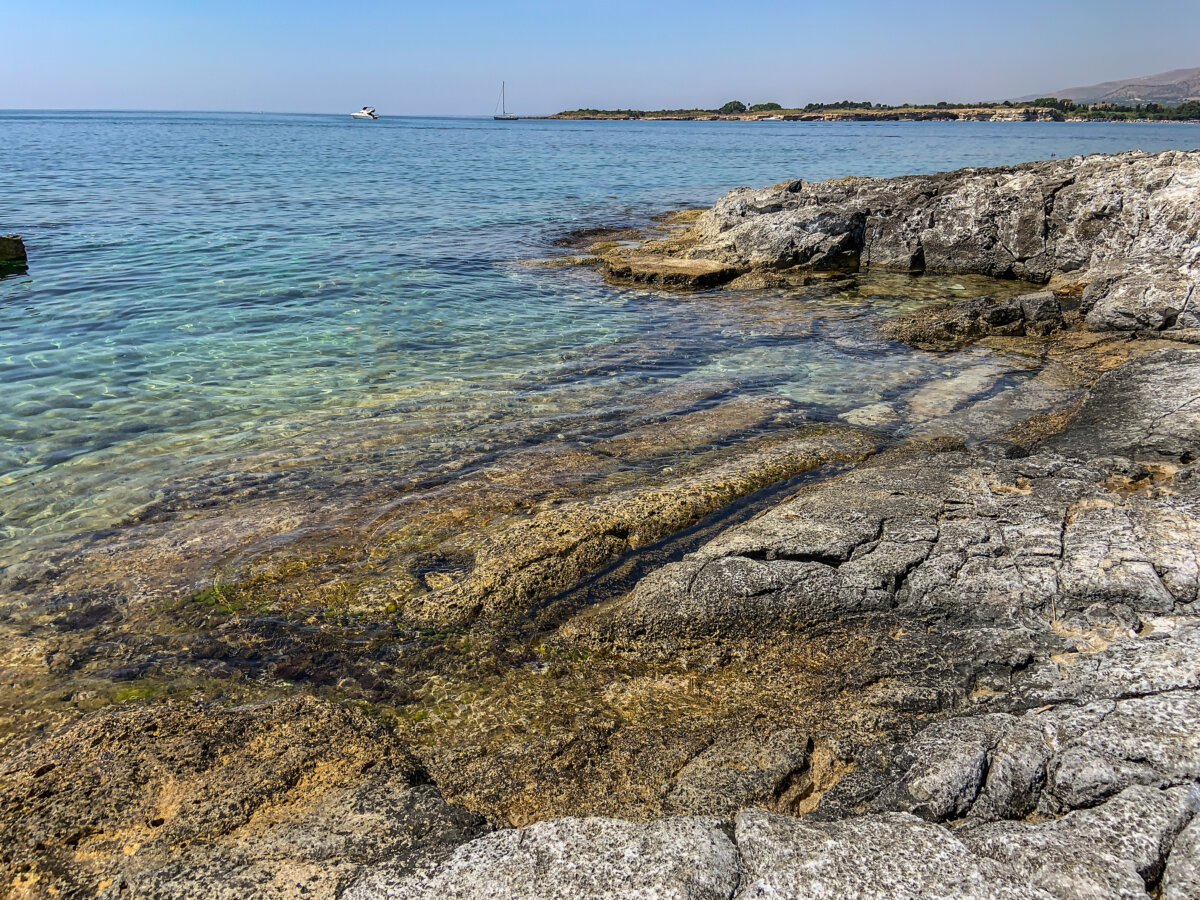
Ortigia’s Duomo was built around a Greek temple — the Doric columns are still standing inside. Syracuse earns more time than most people give it.
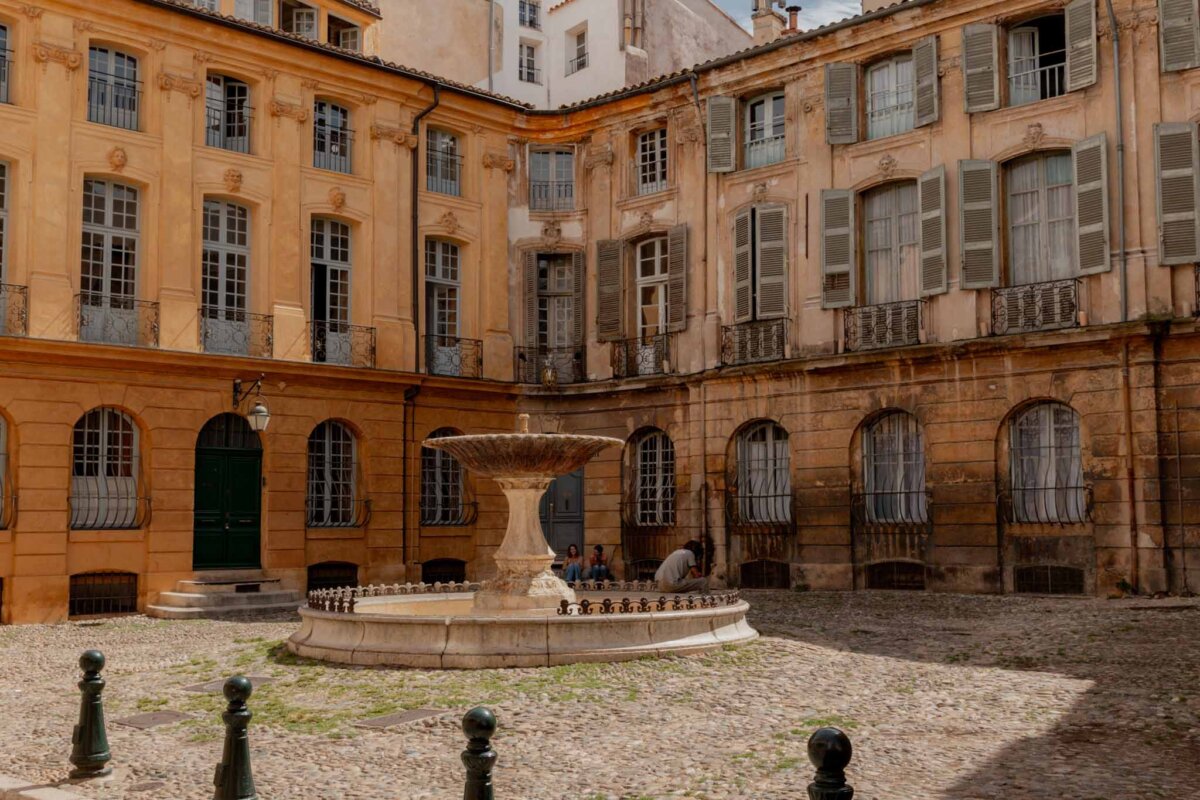
Cézanne’s atelier still has his smock on the wall. Follow the bronze ‘C’ markers around Aix and the city starts making sense.
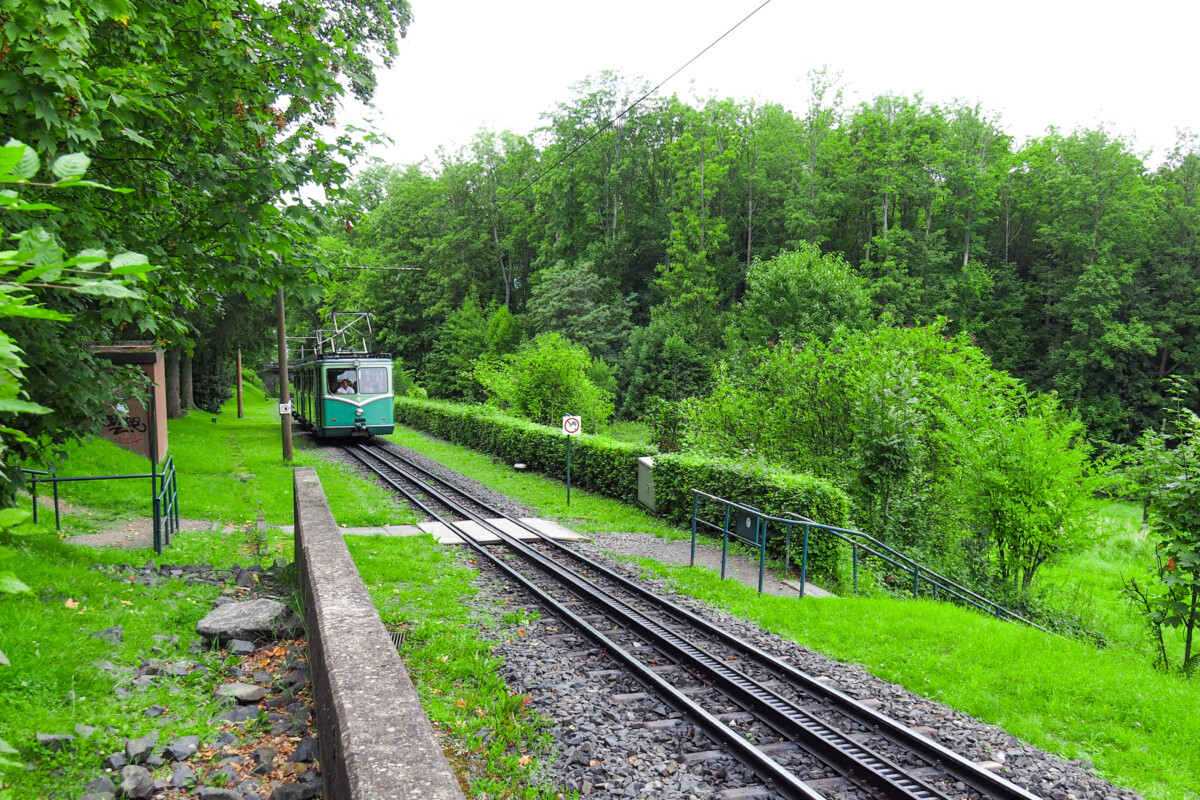
Bernkastel-Kues sits on the Moselle like it was staged for a painting — but the Riesling in the market square is very real.
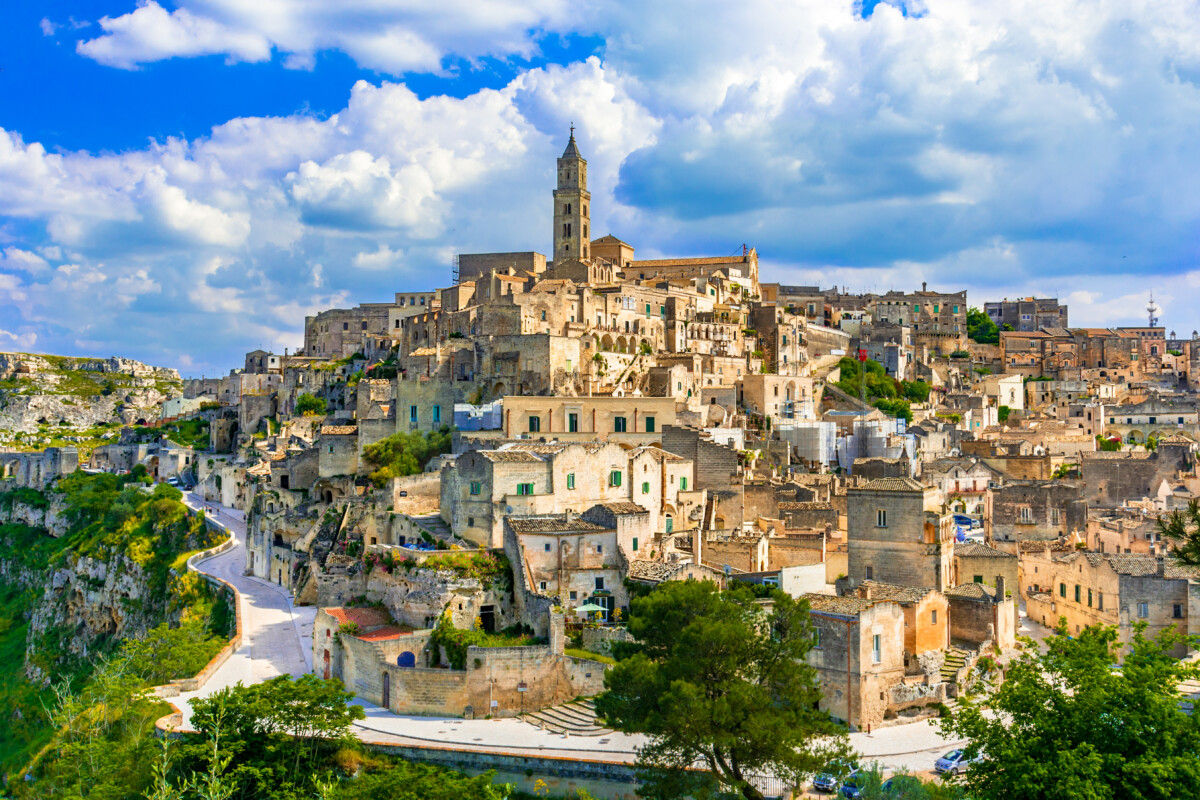
Alberobello’s trulli look like a film set, but stay overnight and the town actually empties out — that’s when it gets interesting.

Drosselgasse is 144 meters of wine taverns in half-timbered buildings. The Riesling grown on slopes too steep to mechanize is why you actually come.

Missouri’s BBQ scene alone justifies the trip — and the Lake of the Ozarks is what happens when fishing culture gets serious.
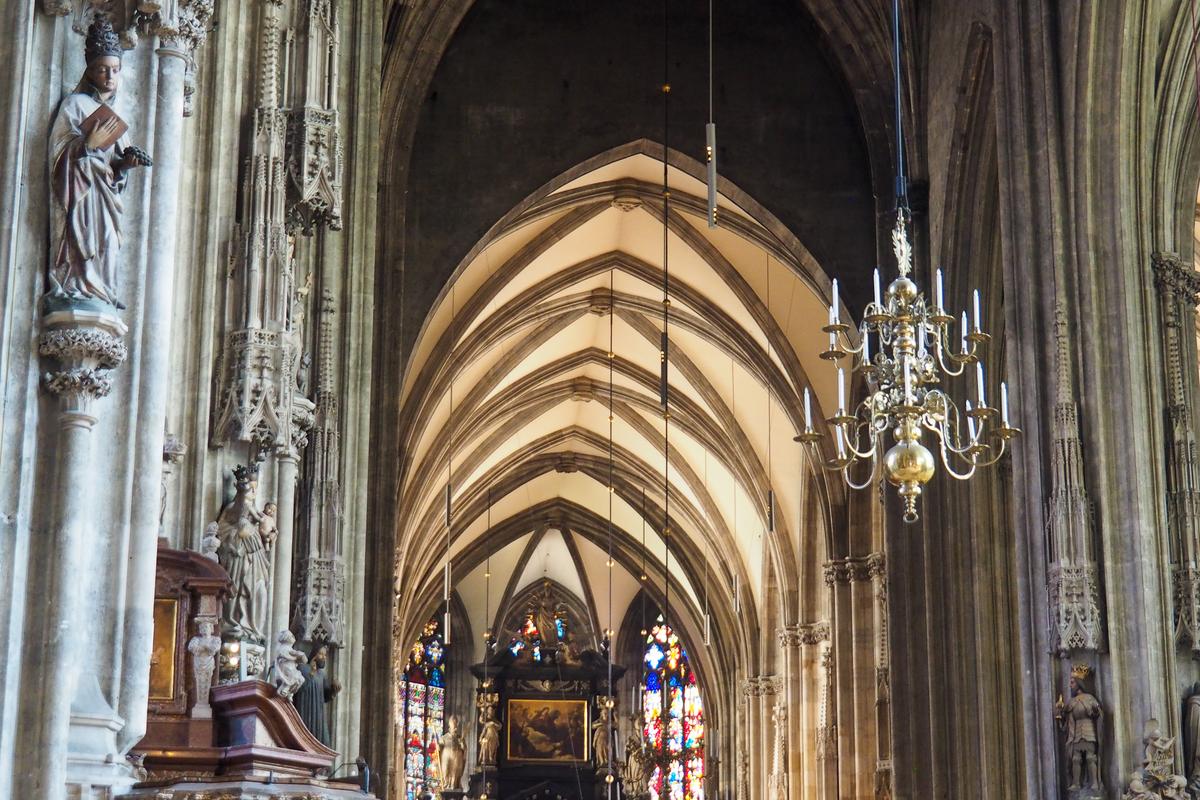
Dürnstein has 900 residents, a castle that once held a king prisoner, and the best Grüner Veltliner in the Wachau. It earns a full day.
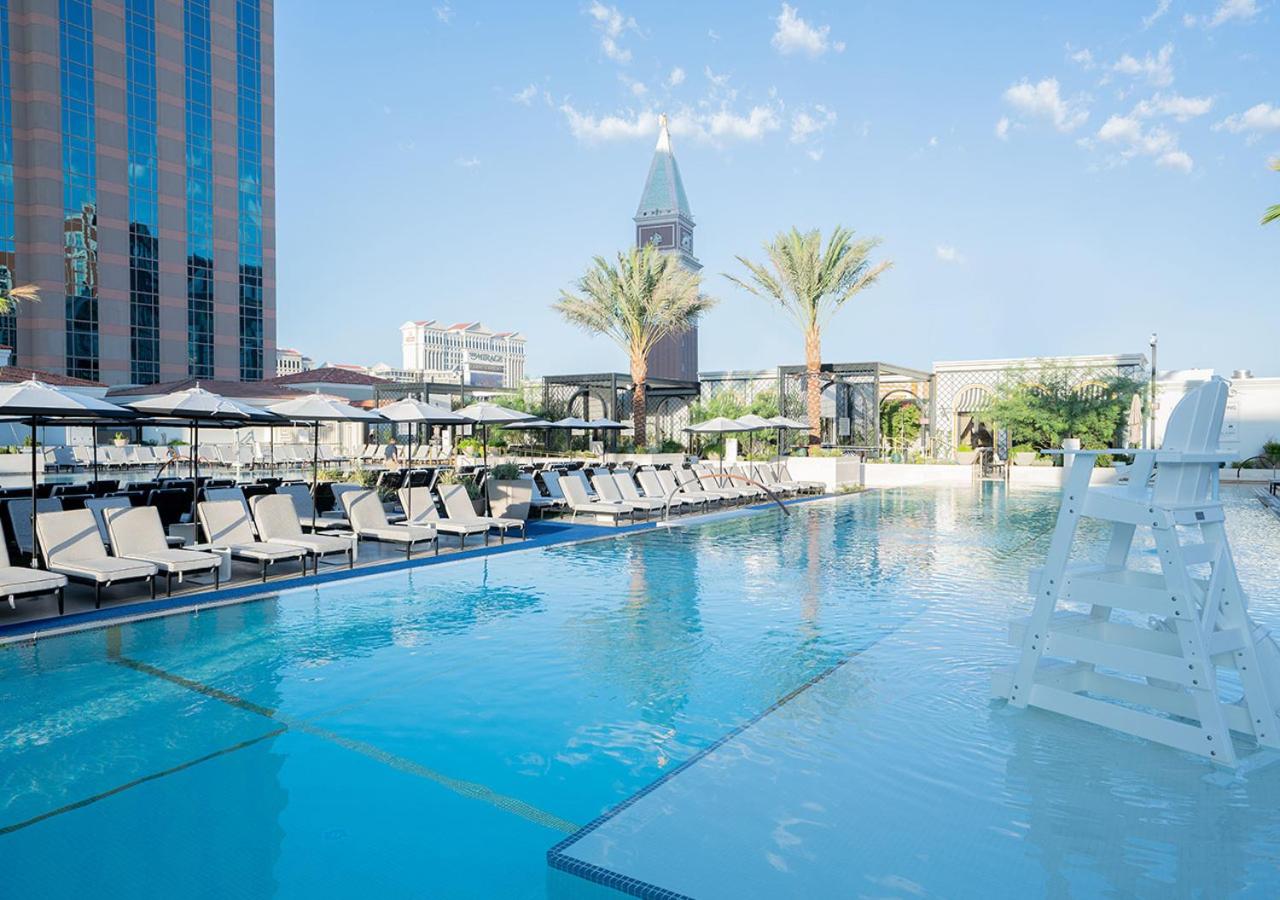
Juliet’s balcony gets all the attention, but Verona’s Roman Arena — still hosting opera — is the real reason to come.

Palermo’s street food scene alone justifies the flight. Add Mount Etna and Greek ruins older than Rome, and Sicily keeps outperforming expectations.

Stockholm sits across 14 islands — Gamla Stan alone takes a full day, and the museums here consistently rank among Europe’s best.

Kuala Lumpur is easy. Malaysian Borneo — orangutans, Mulu’s caves, longhouse stays — is where the trip gets interesting.
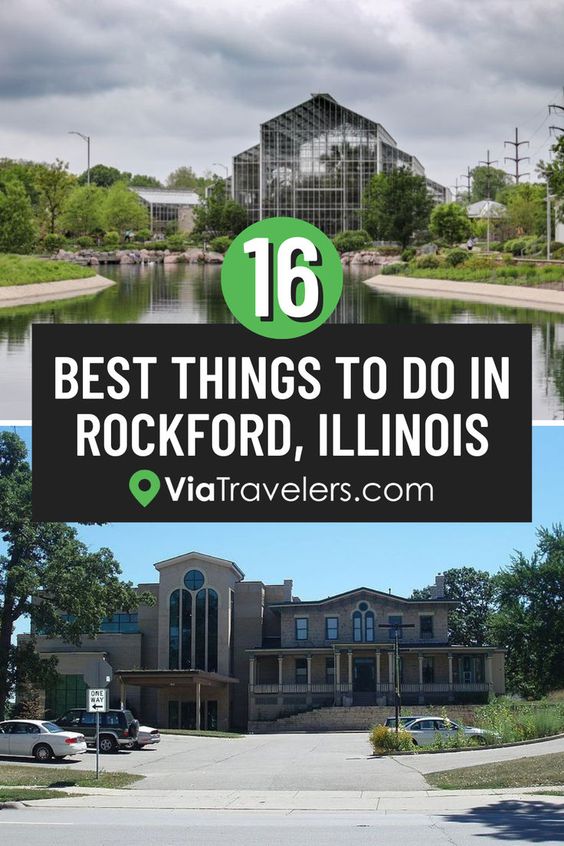
Illinois runs deeper than Chicago. The state’s river towns, prairie routes, and mid-century architecture catch most visitors completely off guard.