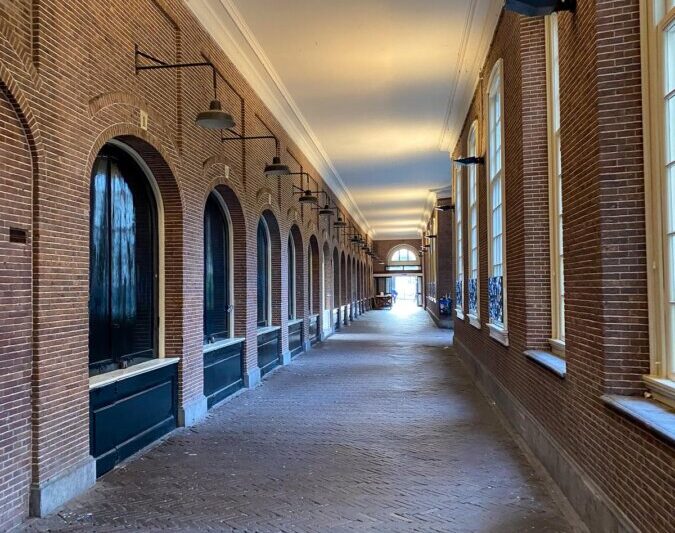
Champagne, renowned for its sparkling wine, is a picturesque region in northeastern France. The city of Reims, often considered the capital of Champagne, is famous for its stunning Gothic cathedral, rich history, and, of course, its vineyards. Visitors can explore charming villages, indulge in wine tastings, and enjoy the beautiful countryside.
The destination guide
Champagne
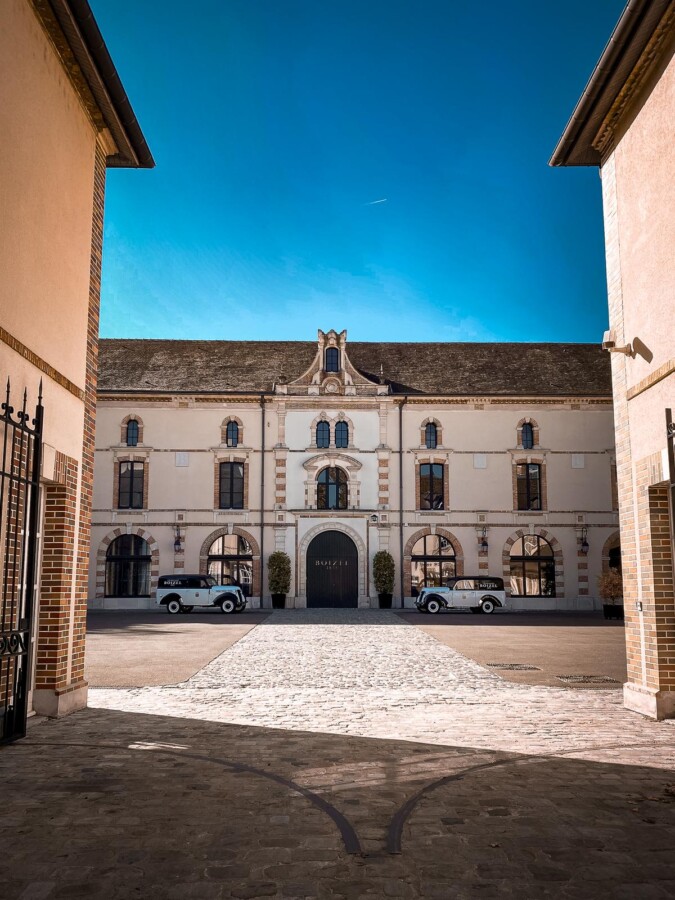
Reims Cathedral alone justifies the detour, but the real reason to come is the chalk caves beneath the city — where Veuve Clicquot ages by the millions.
Travel guides for Champagne
Things to do (1)
Where to stay (1)
Destination stories (1)
More guides featuring Champagne (15)
At a glance
Currency€ EURCode: EUR
Time zoneCentral European Time
Languages
- French
Setting
- Chalky vineyards
- Rolling countryside
- Cathedral towns
- River Marne
Known for
- Champagne Tasting
- Wine Cellars
- UNESCO Vineyards
- French Cuisine
- Gothic Architecture
- Medieval History
- Cycling
- Royal Heritage
Population1.3M1,300,000 residents
VisaDuration: Up to 90 days within any 180-day period in the Schengen Area · Documents: Valid passport issued within the last 10 years and valid for at least 3 months after planned departure, plus proof of accommodation, onward or return travel, and sufficient funds if requested
How Champagne scores
8/10OverallExcellent
Weather7/10
Value for money6/10
Food & cuisine9/10
Culture & arts6/10
Cultural experience8/10
History9/10
Nature & outdoors6/10
Adventure4/10
Nightlife4/10
Shopping6/10
Family friendly5/10
Romance8/10
Editorial scores on a 10-point scale, weighed against destinations of the same kind.
Travel safety snapshot
Overall92/100High rating
Women travellers90/100
LGBTQ+ travellers85/100
Theft88/100
Medical care88/100
Physical harm92/100
Political freedom80/100
SafePlace indicators use their source 100-point scale; higher is more favourable. Planning context, not a live travel advisory — check official government guidance before you go.
When to go
Best months to visit: April, May, June, July, August, September, October and November.
- January: 0.9 to 5.8 degrees Celsius, 27.1 millimetres of rain, best-time score 2 out of 5.
- February: 1.8 to 8.5 degrees Celsius, 17.3 millimetres of rain, best-time score 2 out of 5.
- March: 3.7 to 11.7 degrees Celsius, 18.7 millimetres of rain, best-time score 3 out of 5.
- April: 5.8 to 14.8 degrees Celsius, 10.2 millimetres of rain, best-time score 5 out of 5.
- May: 7.3 to 15.9 degrees Celsius, 8.1 millimetres of rain, best-time score 5 out of 5.
- June: 12.9 to 21.6 degrees Celsius, 41.3 millimetres of rain, best-time score 5 out of 5.
- July: 13.7 to 23.3 degrees Celsius, 38.7 millimetres of rain, best-time score 4 out of 5.
- August: 15.4 to 24.2 degrees Celsius, 66 millimetres of rain, best-time score 4 out of 5.
- September: 12.4 to 21.3 degrees Celsius, 28.3 millimetres of rain, best-time score 5 out of 5.
- October: 7.9 to 14.9 degrees Celsius, 17.8 millimetres of rain, best-time score 5 out of 5.
- November: 5.2 to 10.3 degrees Celsius, 21.1 millimetres of rain, best-time score 4 out of 5.
- December: 2 to 6 degrees Celsius, 29 millimetres of rain, best-time score 3 out of 5.
Month-by-month conditions and packing advice
- January
- Cold weather, some rain January in Champagne: cold winter weather makes a broad Champagne itinerary less flexible. Crowds: January falls firmly in Champagne’s low tourist season, bringing reduced crowds and more personal interactions with winemakers. Accommodation prices are generally lower, and reservations for cellar tours are easier to secure. Outdoor vineyard visits are shorter due to the cold, but indoor tastings, cathedral visits, and museum explorations are especially rewarding without peak-season congestion. Winter’s subdued light enhances the romantic, contemplative feel of historic streets, though limited daylight hours mean planning activities earlier in the day. Travelers should be prepared for brisk, damp weather but will find the trade-off worth it for quieter experiences and greater availability across the region’s cultural and culinary highlights. Pack: Insulated coat for cold outdoor conditions; Water-resistant boots for damp streets and vineyards; Thermal layers for added warmth; Compact travel umbrella; Wool scarf, gloves, and hat; Smart-casual attire for wine cellar visits
- February
- Cool weather, mostly dry February in Champagne: cold winter weather makes a broad Champagne itinerary less flexible. Crowds: February is low tourist season in Champagne, meaning uncrowded tasting rooms, relaxed pace at prestigious houses, and greater opportunities for personalized cellar tours. Accommodation prices are generally more favorable than in warmer months, though some smaller producers may have reduced visiting hours. Outdoor vineyard walks can be bracing, so plan for shorter strolls paired with extended indoor experiences. This period is ideal for travelers seeking depth over spectacle—immersing in winemaking culture without the distraction of crowds. Photography enthusiasts will find atmospheric lighting and misty vineyard vistas. Advance booking is still recommended for major Champagne houses, but same-day reservations are often possible in winter. Pack: Warm insulated coat for cold outdoor conditions; Layered sweaters and thermal tops for temperature changes; Comfortable waterproof walking shoes for vineyard terrain; Scarf, gloves, and wool hat for morning chill; Smart-casual attire for cellar tours and dining; Compact umbrella for light rain protection
- March
- Cool weather, mostly dry March in Champagne: cooler months can work for cellars but narrow vineyard scenery. Crowds: March falls in Champagne’s shoulder season, offering a quieter travel experience before the busier summer months. Cool, mostly dry weather supports comfortable vineyard walks, city explorations, and cellar tours without the heat or crowds. Hotel rates and tour prices tend to be more favorable than during harvest season, making it an appealing time for budget-conscious travelers seeking authenticity. Outdoor dining is still limited, but cafes and tasting rooms provide cozy indoor atmospheres. While some smaller producers may operate on reduced schedules, major houses are open for tours. Advance booking is recommended for cellar visits, but last-minute flexibility is possible compared to peak months. Pack: Warm layers for cool mornings and evenings; Comfortable waterproof walking shoes; Light scarf for added warmth and style; Compact umbrella for occasional showers; Smart-casual attire for Champagne house visits; Insulated jacket for extended outdoor activities
- April
- Cool weather, mostly dry April in Champagne: vineyards, cellar visits, villages, Reims, Epernay, food, and harvest-season atmosphere are strongest. Crowds: April marks the shoulder season in Champagne, offering a quieter alternative to the summer rush with lower accommodation rates and fewer crowds at popular champagne houses. Cool but pleasant temperatures suit outdoor vineyard walks, cellar tours, and cultural excursions. The weather supports full-day itineraries without the fatigue of summer heat, though evenings remain brisk. While harvest celebrations are months away, this is an excellent time for in-depth tastings and more personal interactions with vintners. Booking ahead for major cellar tours is still advisable, especially in Reims and Épernay. Travelers should expect limited outdoor dining in the evenings due to the chill but benefit from more authentic local encounters. Pack: Light to medium-weight jacket for cool mornings and evenings; Layerable tops for fluctuating daytime temperatures; Comfortable walking shoes for vineyard and town exploration; Compact umbrella or light rain jacket for occasional showers; Smart-casual attire for champagne house tours and tastings; Scarf or shawl for added warmth during breezy afternoons
- May
- Cool weather, mostly dry May in Champagne: vineyards, cellar visits, villages, Reims, Epernay, food, and harvest-season atmosphere are strongest. Crowds: May is part of Champagne’s spring shoulder season, offering a calm and uncrowded experience before the summer rush. Mild daytime temperatures and mostly dry conditions make it excellent for vineyard visits, cellar tours, and countryside cycling. Crowds are moderate, and accommodation prices remain more reasonable compared to peak harvest season in September. Outdoor festivals and local markets begin to reappear, adding cultural vibrancy. The cooler evenings encourage layering, but they also create the perfect setting for sipping sparkling wine on a terrace. Advance booking is still recommended for top champagne houses, though last-minute reservations are often easier to secure this month. Pack: Light jacket or trench coat for cool mornings; Comfortable walking shoes for cobblestone streets; Layered clothing to adapt to changing temperatures; Compact travel umbrella for unexpected showers; Scarf or shawl for evening chill; Smart-casual attire for champagne house tours and tastings
- June
- Warm and pleasant, some rain June in Champagne: vineyards, cellar visits, villages, Reims, Epernay, food, and harvest-season atmosphere are strongest. Crowds: June marks the start of Champagne’s high season, when vineyard tours, outdoor festivals, and cellar tastings are in full swing. The warm, mostly sunny weather provides ideal conditions for cycling routes, garden visits, and guided tours through Reims and Épernay. Moderate rainfall is unlikely to disrupt plans and can even enhance the scenery. Expect moderate to high visitor numbers, especially on weekends and during local events, which can drive up accommodation prices. Booking vineyard visits and restaurant tables well in advance is advisable, as popular spots fill quickly. This is an optimal month for travelers seeking both cultural immersion and scenic tranquility before peak summer crowds arrive in July and August. Pack: Light jacket or sweater for cooler evenings; Comfortable walking shoes for vineyard and town exploration; Compact umbrella or light rain jacket; Smart-casual attire for winery visits and fine dining; Sunglasses with UV protection; Breathable clothing suitable for mild to warm temperatures
- July
- Warm and pleasant, some rain July in Champagne: summer and late autumn remain useful with crowd or weather planning. Crowds: July is high summer in Champagne, drawing visitors for both the weather and the cultural calendar. Conditions are excellent for vineyard visits, cellar tours, and countryside exploration. Tourist numbers are strong but not at the peak harvest-season rush, so accommodations may still be found with advance planning, though rates are above spring levels. Outdoor dining and picnics are at their most enjoyable, with mild evenings extending activity hours. The possibility of light rain means flexible planning is wise, but most attractions remain fully accessible. Early booking is recommended for winery tours and guided experiences, as they can fill quickly in this season of long, sunny days. Pack: Light layers for warm days and cooler evenings; Comfortable walking shoes for vineyard and town exploration; Compact umbrella or lightweight rain jacket; Wide-brimmed hat and UV-protection sunglasses; Smart-casual attire for winery visits and dining; Breathable fabrics like cotton and linen
- August
- Warm and pleasant, some rain August in Champagne: summer and late autumn remain useful with crowd or weather planning. Crowds: August is a popular month for visiting Champagne, coinciding with the tail end of the summer tourism peak. Warm, mostly dry conditions favor vineyard tours, cellar visits, and countryside cycling, though intermittent rain may briefly pause outdoor activities. The approach of harvest season adds cultural depth, with some estates offering special events and tastings. Crowds can be moderate to high in well-known towns, and accommodation prices often reflect seasonal demand. Booking in advance is recommended for wine experiences and lodging. This period is excellent for combining cultural exploration with outdoor leisure, though travelers seeking quieter roads may prefer early mornings or weekday visits. Pack: Light layers for shifting day-to-night temperatures; Comfortable walking shoes for vineyard and town exploration; Compact umbrella or light rain jacket for passing showers; Sunhat and SPF 30+ sunscreen for midday outings; Smart-casual attire for winery tours and tastings; Reusable water bottle to stay hydrated during excursions
- September
- Warm and pleasant, some rain September in Champagne: vineyards, cellar visits, villages, Reims, Epernay, food, and harvest-season atmosphere are strongest. Crowds: September marks the start of the grape harvest in Champagne, making it a prime month for wine-focused travelers. The weather is comfortable for both outdoor exploration and cellar tours, while the harvest brings a festive, bustling energy to towns and villages. Tourist numbers are moderate—less crowded than peak summer—but accommodations in wine-producing areas may book out quickly due to harvest events and festivals. Prices are slightly elevated in popular spots during harvest weekends. This period is excellent for cycling between vineyards, attending tastings, and enjoying regional cuisine. Light rain is possible, so some flexibility in outdoor plans is wise. Booking wine tours well in advance is highly recommended. Pack: Light sweater or cardigan for cooler evenings; Comfortable walking shoes for vineyard terrain; Compact travel umbrella for occasional showers; Breathable long-sleeve shirts for sun and insect protection; Smart-casual attire for winery visits and dining; Light scarf for added warmth and style
- October
- Cool weather, mostly dry October in Champagne: vineyards, cellar visits, villages, Reims, Epernay, food, and harvest-season atmosphere are strongest. Crowds: October sits just after the Champagne harvest season, offering a peaceful, uncrowded window to visit. While the excitement of picking is mostly over, many wine houses still offer harvest-related tours and tastings, and cellar visits are easier to book than in peak summer. Accommodation prices begin to drop, and restaurant reservations are more relaxed, yet cultural vibrancy remains—especially in Reims and Épernay. The weather supports outdoor vineyard walks and countryside drives without the heat of summer or the chill of winter. Shorter daylight hours mean planning sightseeing earlier in the day, while cooler evenings lend themselves to intimate dinners and champagne pairings indoors. Pack: Warm layers such as sweaters and light jackets for cool mornings and evenings; Comfortable waterproof walking shoes for vineyard and village exploration; A compact umbrella or rain jacket for occasional showers; Scarf and gloves for early morning vineyard walks; Smart-casual attire suitable for champagne house tours and tastings; Camera with low-light capability for autumn scenery and indoor cellars
- November
- Cool weather, mostly dry November in Champagne: summer and late autumn remain useful with crowd or weather planning. Crowds: November marks the start of the low season in Champagne, offering a quieter, more intimate travel experience. With the harvest completed and fewer tourists, it’s an excellent time to secure lower accommodation rates and enjoy personalized attention at wineries. Outdoor activities like vineyard walks are still possible, though cooler temperatures and shorter daylight hours favor indoor pursuits such as cellar tours, museum visits, and long lunches. The subdued pace means you can explore Reims or Épernay without the summer bustle, though some smaller producers may operate on reduced schedules. It’s wise to book tastings in advance, as many houses shift focus to production work during this period. For travelers seeking authenticity and value, late autumn delivers both. Pack: Warm, insulated jacket for cool days and evenings; Comfortable waterproof shoes for walking in damp conditions; Layered sweaters and long-sleeve shirts; Compact umbrella for light rain or mist; Scarf, gloves, and hat for added warmth; Smart-casual attire for winery tours and fine dining
- December
- Cold weather, some rain December in Champagne: cooler months can work for cellars but narrow vineyard scenery. Crowds: December marks the low tourist season in Champagne, offering serene cellar tours and uncrowded town squares. Accommodation rates are generally lower, though festive events and Christmas markets in Reims and Épernay can draw modest weekend crowds. Outdoor vineyard walks are briefer due to cold temperatures and limited daylight, but indoor tastings and gastronomic experiences are at their best. Seasonal menus feature hearty dishes and pairings with prestige cuvées, ideal for warming up after brisk strolls. Travelers should plan activities with early sunsets in mind and reserve any holiday events in advance, as popular celebrations can fill quickly despite the overall quieter season. Pack: Insulated winter coat for cold outdoor conditions; Water-resistant boots for damp streets and vineyard paths; Warm scarf, hat, and gloves for frosty mornings; Layered clothing for transitioning between chilly outdoors and heated interiors; Smart-casual attire suitable for champagne house visits; Compact umbrella for light winter showers
Peak season
- June
- July
- August
Off-peak
- January
- February
- November
Know before you go
About
Champagne, in northeastern France’s Grand Est region about 160 km east of Paris, is the storied homeland of the world’s most famous sparkling wine—a UNESCO World Heritage region of chalky hillsides, grand cellars, and historic wine houses inscribed in 2015. Roughly 34,000 hectares of vineyards spread across some 319 villages, planted mainly with Chardonnay, Pinot Noir, and Pinot Meunier and divided into sub-regions like the Montagne de Reims and the Côte des Blancs. The city of Reims, home to the cathedral where French kings were crowned, anchors the north and hosts many of the great houses, while nearby Épernay’s Avenue de Champagne hides more than 200 million bottles aging in cellars beneath maisons such as Moët & Chandon and Perrier-Jouët. Travelers come to tour those chalk tunnels, taste at family growers and grandes maisons alike, and drive the scenic wine routes between vine-striped slopes. Champagne pairs world-class viticulture with deep royal and Gothic heritage.
Best time to visit
The best time to visit the Champagne region is during the shoulder seasons of late April to June and September to October, when the vineyards are active, the weather is pleasant, and champagne houses welcome visitors with fewer crowds.
Spring (April-June)
Temperatures climb from 10-19°C (50-66°F) with blossoming landscapes and vibrant green vineyards. May and June offer the best balance of comfortable weather and open tasting rooms. Fewer tourists than summer.
Harvest Season (September-October)
September is the most exciting month — the grape harvest (vendange) transforms the vineyards into a hive of activity. Temperatures hover around 12-20°C (54-68°F), and autumn colors paint the hillsides gold. October offers a quieter, more intimate experience with harvest festivities winding down.
Summer (July-August)
Sunny and warm but peak tourist season. Many local businesses and smaller growers close for August holidays, requiring careful planning. Major champagne houses remain open.
Winter (December-March)
Cold with shorter days. Christmas markets in Reims and the Habits de Lumière festival in Épernay provide festive charm. Cellar visits are available year-round as cellars maintain a constant 10-12°C.
Season by season
Fall (Sept-Oct):
Weather: 10-18°C, crisp
Highlights: HARVEST (Vendanges)
Best For: Seeing the action
Summer (June-Aug):
Weather: 20-30°C, sunny
Highlights: Vineyard picnics
Best For: Cycling
Spring (April-May):
Weather: 10-18°C, blooming
Highlights: Vines waking up
Best For: Tasting tours
Winter (Nov-March):
Weather: 0-10°C, grey
Highlights: Christmas Market (Reims)
Best For: Cozy cellars (some closed)
Crowds
Épernay and Reims see steady tourism year-round but never feel overcrowded outside peak harvest weeks. September harvest season brings the highest visitor numbers along with festival events. Smaller villages and grower estates remain wonderfully quiet even in peak season.
Getting there and around
Getting there
Champagne is easily accessible from Paris, making it ideal for wine tourism. Take the TGV high-speed train from Paris Gare de l’Est to Reims (45 minutes) or regular trains to Épernay (1.5 hours). Book SNCF tickets in advance for savings. By car, drive 1 hour 45 minutes from Paris via the A4 motorway. Charles de Gaulle Airport serves as the main international gateway; from there, rent a car or take trains. Budget travelers can use Flixbus services. Small regional airports include Châlons Vatry, Reims-Champagne, and Troyes, though connections are limited. Most visitors base themselves in Reims or Épernay, with regular 30-minute trains connecting the two cities. Spring and fall offer ideal visiting conditions, avoiding the busy September-October harvest season when many champagne houses close for tastings.
Getting around
Getting around the Champagne region is relatively straightforward, especially if you’re based in Reims or Épernay—both are compact and highly walkable, with most cellars, historic sites, and local restaurants within a short stroll. Public transportation is reliable but somewhat limited outside urban centers; regional TER trains connect major towns, while buses like the CITURA network in Reims offer good local coverage (though often infrequent on weekends). Taxis and rideshares such as Uber are available but can be scarce in smaller villages, so booking ahead is smart if you’re planning rural wine estate visits. For travelers exploring multiple towns, consider purchasing a regional transit card or multi-ride ticket at the train station to save on local fares and avoid lines.
Top experiences in Champagne
Reims Cathedral
The coronation site of French kings. It is a Gothic masterpiece, larger than Notre Dame in Paris. The Smiling Angel (L’Ange au Sourire) statue is famous. The stained glass includes modern windows by Chagall. It survived WWI shelling to stand tall.
Avenue de Champagne (Epernay)
The ‘most expensive avenue in the world’ because of the millions of bottles stored in the cellars beneath it. It is lined with the grand mansions of houses like Moët & Chandon, Perrier-Jouët, and Pol Roger. It is elegant and prestigious.
Champagne Houses (Caves)
Visiting the ‘Caves’ (cellars) is mandatory. They are miles of chalk tunnels carved by Romans. Tours explain the ‘Méthode Champenoise.’ Top picks: Ruinart (historic chalk pits), Taittinger, or Veuve Clicquot. Tasting at the end is the best part.
Hautvillers
A picturesque village known as the cradle of Champagne. Dom Pérignon, the monk who ‘tasted the stars,’ is buried in the abbey church here. The views over the sea of vines are spectacular. It is charming and quiet compared to the cities.
Vineyard Cycling
The vineyards are best explored slowly. Renting an e-bike to ride through the vines, stopping at small grower champagne houses for tastings, is magical. The Montagne de Reims offers gentle slopes and forest trails.
Editor-curated picks carried over from our original guide. Where a full place guide exists, the card links to it.

Worth booking ahead in Champagne
Hand-picked from the operators our guides already send readers to. Prices and availability are live on the partner site.
Day tripGetYourGuide
Versailles Palace guided tour with coach transfer (opens GetYourGuide in a new tab)
Guided palace visit with the coach transfer handled, so you skip the RER connection and the ticket-office line.
Where to stayBooking.com
Stays in Champagne (opens Booking.com in a new tab)
Live rates and availability for Champagne on Booking.com; filter by neighbourhood once you know where your days start.
We earn a commission if you book through these links, at no extra cost to you. It is how we keep the guides free and independent.
Where to stay
Royal Champagne Hotel & Spa
9 Rue de la République, 51160 Champillon, France
A modernist luxury retreat overlooking the vineyards of the Marne Valley. It is stunning, spacious, and wellness-focused. The spa is world-class. It feels like floating above the vines. Napoleon stopped here (at the old post house). It is the new icon of the region.
Domaine Les Crayères
64 Bd Henry Vasnier, 51100 Reims, France
A classic French château in Reims offering the ultimate Art de Vivre. It is elegant, refined, and houses a 2-Michelin-star restaurant. The park is beautiful. It feels like staying in a private aristocratic home. The service is flawless old-school luxury.
La Caserne Chanzy
18 Rue Tronsson Ducoudray, 51100 Reims, France
The only luxury hotel with a direct view of Reims Cathedral. It is housed in a former fire station (caserne). The rooms are comfortable and chic. Watching the light change on the cathedral facade from your window or the spa is a unique experience.
Editor-curated stays carried over from our original guide. Where we have reviewed the hotel, the card links to the review.
Tips from the field
Highlights
- Champagne – The Wine
- Reims Cathedral – Coronation site
- Epernay – The Capital
- Chalk Cellars – UNESCO
- Dom Pérignon – The Monk
- Biscuits Rose – Pink dipping biscuits
- Gastronomy – Truffles/Foie Gras
- History – WWI surrender site
Best activities
- Take a tour of the Crayères (chalk cellars) at Ruinart. Walk down the Avenue de Champagne in Epernay. Visit Dom Pérignon's grave in Hautvillers. Dip a 'Biscuit Rose de Reims' in your glass. See the Marc Chagall windows in the Cathedral. Bike through the vineyards.
Local experiences
- Touring Moët & Chandon's 28 km of underground cellars beneath the Avenue de Champagne. Tasting at a family-run grower champagne estate where the winemaker pours personally. Visiting Dom Pérignon's grave at Hautvillers Abbey, the cradle of champagne. Cycling through UNESCO-protected vineyard slopes of the Montagne de Reims. Dipping pink biscuits of Reims into a glass of freshly poured champagne at a local café.
Practical tips
- Currency: Euro (EUR)
- Getting There: TGV high-speed train from Paris to Reims takes 45 minutes (~€30-40). Épernay is accessible by regional train from Reims (25 minutes). Driving from Paris takes about 1.5 hours via the A4 motorway.
- Transportation: A rental car provides the most flexibility for visiting vineyards and smaller villages. Within Reims, walking covers the main attractions easily. Taxis are limited in rural areas — book guided tours with transport for stress-free tasting.
- Dining: Reims and Épernay offer quality restaurants at moderate prices (€20-40 per person for dinner). Casual bistros and crêperies provide budget options. Local specialties include biscuit rose (pink biscuit), andouillette, and chaource cheese. Champagne by the glass starts at €8-15.
- Tastings: Independent growers offer tastings from €15-20 per person. Major houses (Moët & Chandon, Veuve Clicquot, Mumm) charge €25-40 and require reservations. Buying directly from producers is often cheaper than retail.
- Free Attractions: Walking the Avenue de Champagne in Épernay, Reims Cathedral exterior, vineyard strolls, and the village of Hautvillers (birthplace of Dom Pérignon).
- Tipping: Service compris (included); rounding up is appreciated
- Electricity: 230V/50Hz, Type C/E plugs
Photography tips
- Golden Hour: Sunset over the vineyards in Hautvillers.
- Iconic Shots:
- The Reims Cathedral facade.
- Rows of bottles in a chalk cellar.
- The sign 'Avenue de Champagne'.
- A glass of bubbly with vines in background.
- The stained glass in the Cathedral.
- Technique: Cellars are very dark and cold (10°C). Use a fast lens and bring a jacket.
Timing
- Peak Season (May-Oct):
- Best weather, busy
- Shoulder Season (April, Nov):
- Quiet, decent weather
- Low Season (Jan-March):
- Cold, many closures
Keeping it authentic
- Champagne is a protected name
- it only comes from here. Locals are proud but reserved. There is a distinction between the 'Grandes Marques' (big houses) and 'Vignerons' (small growers)—both are worth visiting. 'Santé' is the toast.
Culture, customs and safety
Cultural heritage
The heritage of the Champagne region in France is the story of how a unique agro-industrial landscape created the world’s universal symbol of celebration. This UNESCO World Heritage site encompasses three elements: the chalky hillsides where the grapes are grown, the grand Champagne Houses that produce the wine, and the vast network of underground cellars where it ages. Honed over centuries, the ‘méthode champenoise’ and the entrepreneurial vision of the Houses transformed a regional wine into a global luxury, shaping the region’s architecture, economy, and identity.
Local customs & etiquette
Champagne culture revolves around centuries of winemaking traditions and refined hospitality. The Méthode Champenoise requires hand-harvesting grapes—machine picking is prohibited by law. During vendanges (harvest), communities celebrate with parades, traditional music, and period costumes at festivals like Château-Thierry’s “Champagne et Vous” in October. Wine etiquette is paramount: never bring wine as a gift (hosts carefully pair wines with meals), avoid adding ice to champagne, and appreciate that champagne can accompany entire meals, not just apéritifs. Look for “Vignobles & Découvertes” certifications ensuring quality bilingual tourism services. The 1919 “Usages locaux” law protects local customs and appellations. Toasting carries deep significance beyond mere gesture—it symbolizes joy, prosperity, and unity. Hospitality expectations are high; hosts take pride in sharing regional cuisine and carefully selected pairings. Express gratitude with flowers (not wine) and engage in the cherished ritual of “dégustation” (wine tasting) that invites appreciation of complexity and terroir.
Safety notes
The Champagne region is very safe, with low crime rates typical of rural and small-city France.
General Safety:
• Petty theft is uncommon outside of crowded tourist areas in Reims
• Keep valuables secure when visiting busy champagne houses and markets
Driving & Wine Tasting:
• French authorities are strict about drink-driving — designate a driver or book a guided tour with transportation
• Blood alcohol limit is 0.5 g/L, lower for new drivers (0.2 g/L)
• Stay hydrated and eat between tastings
Cellar Tours:
• Champagne cellars are cool (10-12°C / 50-54°F) year-round — bring a jacket or sweater regardless of the season
• Surfaces in historic cellars can be uneven and slippery — wear comfortable, closed-toe shoes
Booking:
• Appointments are often required for tastings, even at major houses — book in advance
Rural Driving:
• Roads through vineyards can be narrow and winding; drive carefully, especially during harvest season when tractors and trucks share the roads
Emergency number: 112

Travel Style
Activities