- Universal Appeal and Cultural Authenticity: Champagne Ruinart offers a unique historical and contemporary appeal blend. It maintains traditional methods of Champagne production while engaging visitors with modern presentations. The house successfully encapsulates the essence of Champagne culture, appealing to both connoisseurs and casual visitors.
- Cultural Richness and Educational Value: With its in-depth tours and knowledgeable guides, Champagne Ruinart provides an enriching cultural experience that delves deeply into the history and art of Champagne-making. Visitors can learn about the intricate processes behind each bottle and the house’s historical significance, making it a valuable educational destination.
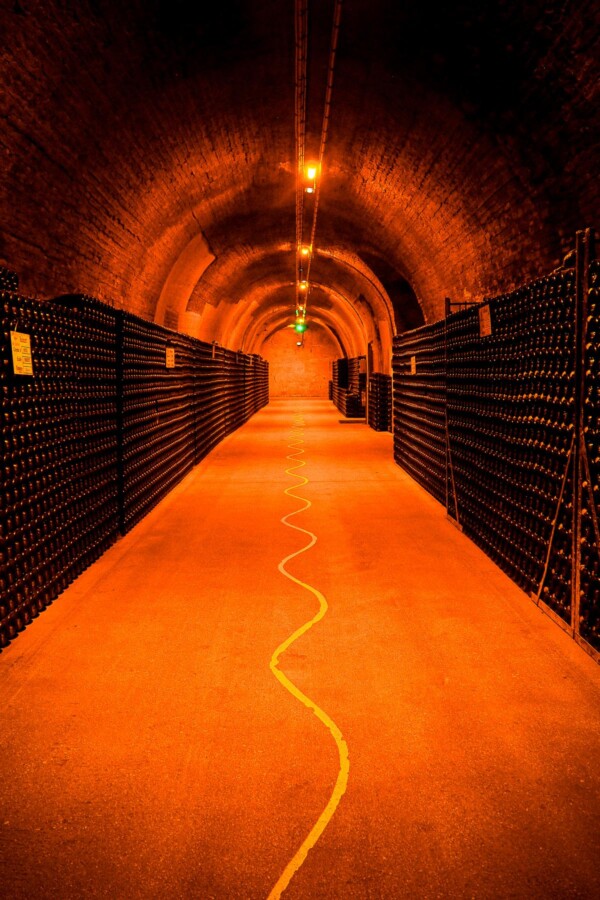
- Preservation and Integrity: Champagne Ruinart’s cellars, or crayères, are an excellent example of preservation, showcasing centuries-old architectural and historical elements. The house’s commitment to maintaining these sites underscores its dedication to preserving its cultural heritage.
- Accessibility and Visitor Engagement: Champagne Ruinart strives to make its tours accessible and engaging, offering intimate group sizes and detailed narratives. While accessibility is generally good, there is room for improvement in ensuring broader inclusivity and expanding interactive activities for a diverse audience.
Global Influence
- Ruinart is globally recognized as one of the oldest and most prestigious Champagne houses, with a history dating back to 1729.
- The Champagne caves of Ruinart in Reims attract many international visitors, contributing to the local tourism industry.
- Ruinart has a notable influence on global art and culture. It often collaborates with renowned artists and designers to create unique experiences and products.
- The brand is actively involved in international events and collaborations, showcasing its commitment to sustainability and luxury in various global initiatives.
Historical Impact
- Ruinart has been involved in significant historical events in the Champagne region, pivotal in its development and popularization.
- The chalk quarries that serve as Ruinart’s cellars are of archaeological significance, representing the deep historical roots of the Champagne production process.
- Contributions to local and national history include Ruinart’s enduring presence as a symbol of Champagne excellence, contributing to the region’s cultural heritage.
- Notable historical figures associated with Ruinart include Nicolas Ruinart, who founded the Maison Ruinart in 1729 and shaped the early history of Champagne production.
Preservation Efforts
- Ruinart is engaged in current preservation projects to maintain the integrity of its historic cellars and vineyards, ensuring the continuation of its legacy.
- Organizations involved in preservation efforts include Ruinart’s partnerships with environmental and cultural preservation groups, emphasizing its commitment to sustainability.
- Ruinart’s corporate initiatives provide funding and support for preservation, demonstrating a solid financial commitment to heritage conservation.
- The community is actively involved in Ruinart’s preservation efforts, fostering a shared responsibility for preserving local heritage and traditions.
Champagne Ruinart – A Cultural Review
Historical Significance
Champagne Ruinart is the first established Champagne house, founded in 1729 by Nicolas Ruinart in Reims. The house has a rich history intertwined with the development of Champagne production, making it a significant figure in the region’s viticulture heritage.
Cultural Importance
Champagne Ruinart’s cultural importance extends beyond its historical roots, influencing local traditions and contributing to the global recognition of Champagne as a symbol of celebration and luxury. The house’s commitment to excellence has set a standard for Champagne-making, impacting the local community and the broader appreciation of fine wines and the associated craftsmanship.
Architectural Style
The architectural style of Champagne Ruinart reflects a blend of tradition and modernity. The cellars, with their chalky underground passages, showcase a unique design that speaks to the historical methods of Champagne production while incorporating contemporary elements to enhance the visitor experience.
Visitor Experience
Visitors to Champagne Ruinart can expect a captivating experience, including guided tours that provide insights into the Champagne-making process, the history of the house, and the art of tasting. The ambiance is one of sophistication and refinement, offering a glimpse into the world of Champagne production and the meticulous care taken in crafting each bottle.
Accessibility and Amenities
Champagne Ruinart aims to cater to diverse groups of visitors, providing accessibility for families and individuals with disabilities. The estate offers amenities such as restrooms, a visitor center, and possibly a gift shop, ensuring a comfortable and inclusive experience.
Best Time to Visit
To determine the optimal times to visit Maison Ruinart based on the provided operational hours (9:30 AM – 5:30 PM) and the detailed visitor experiences shared in the reviews, here are three bullet points highlighting the best times to visit:
- Mid-Morning Visits (around 10 AM—11 AM): Arriving shortly after opening allows visitors to enjoy a more peaceful experience in the cellars and engage more deeply with the guides before the peak visitor hours. This time is ideal for those who want a thorough, unrushed tour, as indicated by multiple reviews praising the informative and intimate nature of the early tours.
- Late Afternoon (around 3 PM—4:30 PM): As the day winds down, there’s often a quieter, more relaxed atmosphere, making it perfect for visitors who prefer a less crowded setting. The softer light at this time can also enhance the photographic appeal of the chalk cellars and the vineyards, as noted in the reviews.
- Weekdays (particularly Tuesday to Thursday): Visiting on a weekday can provide a more personalized and engaging experience to avoid the busiest times, especially the weekend crowds. The reviews frequently mentioned the benefit of smaller groups and more interaction with knowledgeable guides during these times.
Ratings and Reviews
Consensus from reviewers and visitors highlights the exceptional quality of Champagne Ruinart’s products and the immersive nature of the tours. Praises often center on informative and engaging tours, while some visitors may desire expanded amenities or additional interactive activities.
Photographic Opportunities
Champagne Ruinart presents numerous photogenic opportunities, particularly within the atmospheric cellars and the picturesque vineyard surroundings. The golden hues of the Champagne and the elegant architecture offer ideal subjects for capturing memorable moments. Early mornings or late afternoons may provide optimal lighting conditions for the best photos.