

Oh, Wyoming! What comes to mind when you think of the Cowboy State? For most travelers, Yellowstone National Park tops the list, followed closely by Jackson Hole and Grand Teton National Park. Throughout America’s least populated state, there are endless treasures to uncover: wildlife, hot springs, museums, towering mountains, wide open plains, winding rivers, and many remarkable sites.
The destination guide
Wyoming

State in United States, North AmericaUpdated
- Overall9/10
- Best forCouples, Adventure seekers
- PeakJan–Apr
- CurrencyUSD
Wyoming’s least-visited corners beat Yellowstone’s crowds — bison on open plains, hot springs with no line, and mountains that don’t ask anything of you.
Travel guides for Wyoming
Things to do (7)
Food & drink (2)
Destination stories (2)
More guides featuring Wyoming (32)
At a glance
Currency$ USDCode: USD
Time zoneMountain Time (MT)
Languages
- English
Setting
- Mountain ranges
- Yellowstone nearby
- High desert
- River valleys
Population588K587,618 residents
VisaDocuments: For domestic U.S. air travel, travelers age 18 and older must present a REAL ID-compliant driver's license or another TSA-accepted ID such as a valid passport
How Wyoming scores
9/10OverallExcellent
Weather6/10
Value for money6/10
Food & cuisine4/10
Culture & arts6/10
Cultural experience8/10
Nature & outdoors7/10
Adventure6/10
Nightlife8/10
Shopping8/10
Family friendly5/10
Romance7/10
Editorial scores on a 10-point scale, weighed against destinations of the same kind.
Travel safety snapshot
Overall85/100High rating
Women travellers82/100
LGBTQ+ travellers70/100
Theft88/100
Medical care80/100
Physical harm86/100
Political freedom80/100
SafePlace indicators use their source 100-point scale; higher is more favourable. Planning context, not a live travel advisory — check official government guidance before you go.
When to go
Best months to visit: May, June, July, August, September and October.
- January: -14.1 to -6.5 degrees Celsius, 22.5 millimetres of rain, best-time score 3 out of 5.
- February: -13.8 to -5.4 degrees Celsius, 22.8 millimetres of rain, best-time score 3 out of 5.
- March: -8.7 to -0.3 degrees Celsius, 51.5 millimetres of rain, best-time score 3 out of 5.
- April: -5.3 to 4.7 degrees Celsius, 54 millimetres of rain, best-time score 3 out of 5.
- May: 1.1 to 12.1 degrees Celsius, 62.8 millimetres of rain, best-time score 4 out of 5.
- June: 8.3 to 21.3 degrees Celsius, 33.5 millimetres of rain, best-time score 5 out of 5.
- July: 12.6 to 25.8 degrees Celsius, 15 millimetres of rain, best-time score 5 out of 5.
- August: 11.3 to 24 degrees Celsius, 23.4 millimetres of rain, best-time score 5 out of 5.
- September: 6.8 to 19 degrees Celsius, 27.8 millimetres of rain, best-time score 5 out of 5.
- October: -1.5 to 8.8 degrees Celsius, 35.9 millimetres of rain, best-time score 4 out of 5.
- November: -6.9 to 1.8 degrees Celsius, 22 millimetres of rain, best-time score 3 out of 5.
- December: -11.6 to -4.1 degrees Celsius, 20.6 millimetres of rain, best-time score 3 out of 5.
Month-by-month conditions and packing advice
- January
- Very cold, mostly dry January in Wyoming: winter or spring transition weather narrows road and trail access. Crowds: January in Wyoming is best for winter-ready travelers; outdoor plans need warm gear, shorter daylight expectations, and weather-aware transport planning. Pack: Pack insulated layers, warm footwear, gloves, and a serious winter coat.
- February
- Very cold, mostly dry February in Wyoming: winter or spring transition weather narrows road and trail access. Crowds: February in Wyoming is best for winter-ready travelers; outdoor plans need warm gear, shorter daylight expectations, and weather-aware transport planning. Pack: Pack insulated layers, warm footwear, gloves, and a serious winter coat.
- March
- Very cold, occasional rain March in Wyoming: winter or spring transition weather narrows road and trail access. Crowds: March in Wyoming is best for winter-ready travelers; outdoor plans need warm gear, shorter daylight expectations, and weather-aware transport planning. Pack: Pack insulated layers, warm footwear, gloves, and a serious winter coat.
- April
- Cold, occasional rain April in Wyoming: winter or spring transition weather narrows road and trail access. Crowds: April in Wyoming is best for winter-ready travelers; outdoor plans need warm gear, shorter daylight expectations, and weather-aware transport planning. Pack: Pack insulated layers, warm footwear, gloves, and a serious winter coat.
- May
- Cool to mild, occasional rain May in Wyoming: late spring or early fall can be rewarding with snow, wildlife, and service schedules checked. Crowds: May in Wyoming is workable with normal seasonal planning; build in layers, weather checks, and a mix of indoor and outdoor activities. Pack: Pack warm layers, a coat, and comfortable shoes for cold mornings and evenings.
- June
- Mild to warm, occasional rain June in Wyoming: Yellowstone, Grand Teton, wildlife, mountain towns, trails, scenic drives, and open park roads are most accessible. Crowds: June in Wyoming is comfortable for sightseeing, neighborhoods, food stops, day trips, and outdoor time with limited weather friction. Pack: Pack layered clothing and comfortable walking shoes.
- July
- Mild to warm, mostly dry July in Wyoming: Yellowstone, Grand Teton, wildlife, mountain towns, trails, scenic drives, and open park roads are most accessible. Crowds: July in Wyoming is comfortable for sightseeing, neighborhoods, food stops, day trips, and outdoor time with limited weather friction. Pack: Pack light clothing, sun protection, and comfortable walking shoes.
- August
- Mild to warm, mostly dry August in Wyoming: Yellowstone, Grand Teton, wildlife, mountain towns, trails, scenic drives, and open park roads are most accessible. Crowds: August in Wyoming is comfortable for sightseeing, neighborhoods, food stops, day trips, and outdoor time with limited weather friction. Pack: Pack layered clothing and comfortable walking shoes.
- September
- Cool to mild, mostly dry September in Wyoming: Yellowstone, Grand Teton, wildlife, mountain towns, trails, scenic drives, and open park roads are most accessible. Crowds: September in Wyoming is workable with normal seasonal planning; build in layers, weather checks, and a mix of indoor and outdoor activities. Pack: Pack layered clothing and comfortable walking shoes.
- October
- Cold, occasional rain October in Wyoming: late spring or early fall can be rewarding with snow, wildlife, and service schedules checked. Crowds: October in Wyoming is workable with normal seasonal planning; build in layers, weather checks, and a mix of indoor and outdoor activities. Pack: Pack warm layers, a coat, and comfortable shoes for cold mornings and evenings.
- November
- Very cold, mostly dry November in Wyoming: winter or spring transition weather narrows road and trail access. Crowds: November in Wyoming is best for winter-ready travelers; outdoor plans need warm gear, shorter daylight expectations, and weather-aware transport planning. Pack: Pack insulated layers, warm footwear, gloves, and a serious winter coat.
- December
- Very cold, mostly dry December in Wyoming: winter or spring transition weather narrows road and trail access. Crowds: December in Wyoming is best for winter-ready travelers; outdoor plans need warm gear, shorter daylight expectations, and weather-aware transport planning. Pack: Pack insulated layers, warm footwear, gloves, and a serious winter coat.
Peak season
- March
- February
- January
- April
Off-peak
- September
- August
- July
- June
Know before you go
About
Wyoming, in the Mountain West of the United States, is the least populous American state, home to about 588,000 people despite ranking 10th in land area. Admitted as the 44th state on July 10, 1890, it had already made history as a territory by granting women the right to vote in 1869, earning its nickname the Equality State. Wyoming is a land of wide-open plains and high mountains, containing Yellowstone, established in 1872 as the world’s first national park, and the jagged peaks of Grand Teton National Park. It is also home to Devils Tower, designated the first U.S. national monument in 1906. With its ranching heritage, rodeos and vast public lands, Wyoming embodies the American West.
Best time to visit
June through September for Yellowstone and Grand Teton access. July-August are peak but crowded. September brings elk rut and golden aspens. Winter skiing at Jackson Hole.
Season by season
Summer (June-Aug):
Weather: 20-25°C, dry
Highlights: Wildlife/geysers
Best For: Yellowstone
Fall (Sept-Oct):
Weather: 10-15°C, crisp
Highlights: Elk rut, colors
Best For: Photography
Winter (Nov-March):
Weather: -10 to 0°C, snow
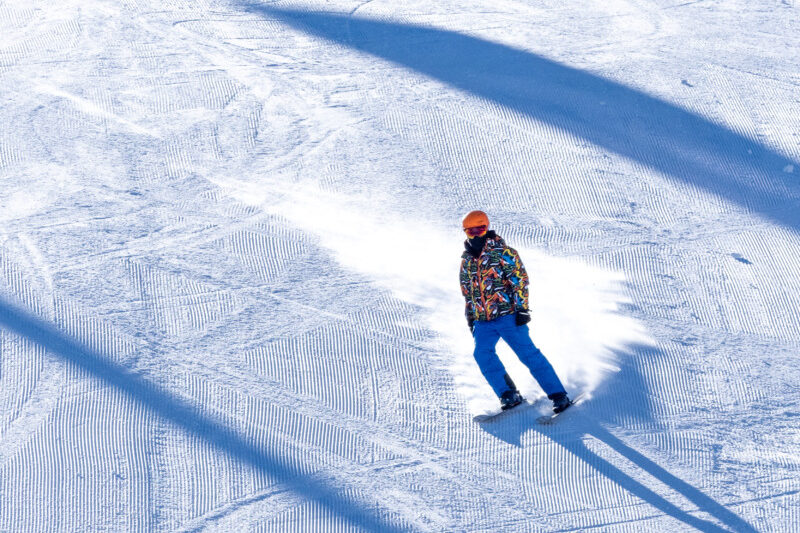
Highlights: Skiing
Best For: Jackson Hole ski
Spring (April-May):
Weather: Variable
Highlights: Baby animals
Best For: Fewer crowds
Crowds
Wyoming is busiest in summer (June–August) for Yellowstone and Grand Teton with heavy park traffic and crowded lodges; quietest late fall through early spring (Nov–Mar) though winter draws niche snow sports—overall parks experience very high seasonal crowds, statewide low to moderate off-season.
Getting there and around
Getting there
Fly into Jackson Hole Airport (JAC) inside Grand Teton National Park, or Yellowstone Regional Airport (COD). Salt Lake City (SLC) is 5 hours south. I-80 crosses the southern part of the state.
Top experiences in Wyoming
Yellowstone National Park
The world’s first national park (1872). Geysers, hot springs, mud pots, and the Grand Prismatic Spring (the largest hot spring in America). Grizzly bears, wolves, bison, and elk roam freely. It is primal America.
Grand Teton National Park
A dramatic mountain range rising abruptly from the Jackson Hole valley floor. The Teton Range has no foothills — it just erupts. Jenny Lake is turquoise. The scenery is some of the most dramatic on the continent.
Devils Tower
America’s first National Monument (1906). A massive volcanic rock tower rising 386m above the plains. Sacred to Native American tribes. Featured in ‘Close Encounters of the Third Kind’. It is otherworldly.
Old Faithful Geyser
The most famous geyser on Earth. Erupts approximately every 90 minutes, shooting water 40m+ into the air. The Inn overlooks it. Predictably spectacular.
Jackson Hole
A charming Western town surrounded by mountains. The antler arches mark the town square. Cowboy bars, elk burgers, and art galleries. Gateway to both Yellowstone and Grand Teton.
Editor-curated picks carried over from our original guide. Where a full place guide exists, the card links to it.
Worth booking ahead in Wyoming
Hand-picked from the operators our guides already send readers to. Prices and availability are live on the partner site.
BrowseViator
Tours and tickets in Wyoming on Viator (opens Viator in a new tab)
Viator's full list of bookable tours and tickets in Wyoming.
BrowseGetYourGuide
Experiences in Wyoming on GetYourGuide (opens GetYourGuide in a new tab)
Everything GetYourGuide sells in Wyoming, with the cancellation terms on each listing.
Where to stayBooking.com
Stays in Wyoming (opens Booking.com in a new tab)
Live rates and availability for Wyoming on Booking.com; filter by neighbourhood once you know where your days start.
We earn a commission if you book through these links, at no extra cost to you. It is how we keep the guides free and independent.
Where to stay
Old Faithful Inn (Yellowstone)
Old Faithful, Yellowstone National Park, WY 82190, USA
The largest log structure in the world. Built in 1903-1904. The lobby is a cathedral of logs. It overlooks Old Faithful Geyser. Rustic luxury with frontier soul. Book a year in advance.
Four Seasons Resort Jackson Hole
7680 Granite Loop Rd, Teton Village, WY 83025, USA
A world-class ski and summer resort in Teton Village. Spectacular mountain views, a full spa, and direct access to both skiing and Grand Teton. Western elegance refined for the modern era.
Jenny Lake Lodge (Grand Teton)
Jenny Lake, Grand Teton National Park, WY, USA
A collection of log cabins in Grand Teton National Park, steps from Jenny Lake. Horseback riding, gourmet dining, and Teton views from every porch. Rates include breakfast and dinner. Exclusive and intimate.
Editor-curated stays carried over from our original guide. Where we have reviewed the hotel, the card links to the review.
Tips from the field
Highlights
- Park – Yellowstone
- Mountain – Grand Teton
- Geyser – Old Faithful
- Tower – Devils Tower
- Town – Jackson Hole
- Wildlife – Bison/Bears
- Skiing – Jackson Hole
- Vibe – Wild West
Best activities
- Watch Old Faithful erupt. Drive the Grand Loop in Yellowstone. Hike to Inspiration Point in Grand Teton. Photograph the Grand Prismatic Spring. Ski Jackson Hole. Visit Devils Tower. Spot wolves and bison in Lamar Valley.
Photography tips
- Golden Hour: Sunrise at Schwabacher Landing (Teton reflection). Sunset at Grand Prismatic Spring overlook.
- Iconic Shots:
- Grand Prismatic Spring from above.
- The Teton Range reflected in the Snake River (Ansel Adams spot).
- Old Faithful erupting.
- A bison herd in Lamar Valley.
- Devils Tower with stars.
- Technique: Yellowstone's steam can fog lenses — bring wipes. Lamar Valley wildlife requires a 400mm+ lens. Devils Tower is best shot at night (astrophotography).
Timing
- Peak Season (July-Aug):
- Full parks, traffic
- Shoulder Season (Sept, early June):
- Best balance
- Winter Season (Dec-March):
- Skiing, snowcoach tours
- Low Season (April-May):
- Roads opening, baby animals
Keeping it authentic
- Wyoming is the least populated state in the US (less than 600,000 people). The cowboy culture is alive. Cattle outnumber people. Yellowstone was the world's first national park (1872). The scale of the landscape is humbling.
Culture, customs and safety
Cultural heritage
Wyoming’s cultural and historical heritage is deeply rooted in Indigenous traditions and frontier history. The state encompasses parts of the ancestral homelands of the Arapaho, Shoshone, and Lakota peoples, whose legacy is preserved in places like the Wind River Reservation. Wyoming was pivotal in the expansion of the American West, with landmarks such as the Oregon Trail, Fort Laramie, and the first national park—Yellowstone, a UNESCO World Heritage site known for its geothermal features and Indigenous cultural significance. The state also played a progressive role in U.S. history, being the first to grant women the right to vote in 1869, earning it the nickname “The Equality State.” Its architectural landscape reflects a mix of frontier-era log structures, railroad towns, and preserved territorial buildings that narrate the story of westward expansion.

Travel Style
Activities
