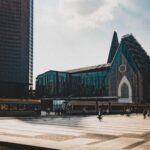
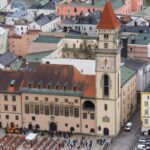
Johann Sebastian Bach’s musical epicenter where the Thomaskantor served St. Thomas Church (1723-1750) until death, now housing his burial site alongside Thomanerchor—internationally renowned boys’ choir founded 1212 maintaining 800+ years of excellence as Germany’s most distinguished choral tradition. Peaceful Revolution birthplace where Monday Demonstrations beginning September 4, 1989, at St. Nicholas Church’s Friedensgebet (prayer for peace) culminated October 9 with 70,000 candlelit peaceful demonstrators facing 8,000 armed security forces ordered to shoot, ultimately helping halt communism and achieve German reunification. Musical heritage nexus as Richard Wagner’s birthplace plus workplace for Bach, Mendelssohn Bartholdy, the Schumanns, and Mahler, creating essential destination for classical music lovers exploring Germany’s cultural contributions. Renaissance Altes Rathaus (1556) considered among Germany’s most beautiful Renaissance buildings, Monument to Battle of Nations, and historic city center ranked most beautiful among German cities with 500,000+ inhabitants. St. Nicholas Church serving dual roles as sacred space and revolutionary forum where prayer meetings transformed into political demonstrations, demonstrating Leipzig’s unique fusion of spiritual heritage with pivotal modern German history across this culturally-rich Saxon musical capital.
The destination guide
Leipzig
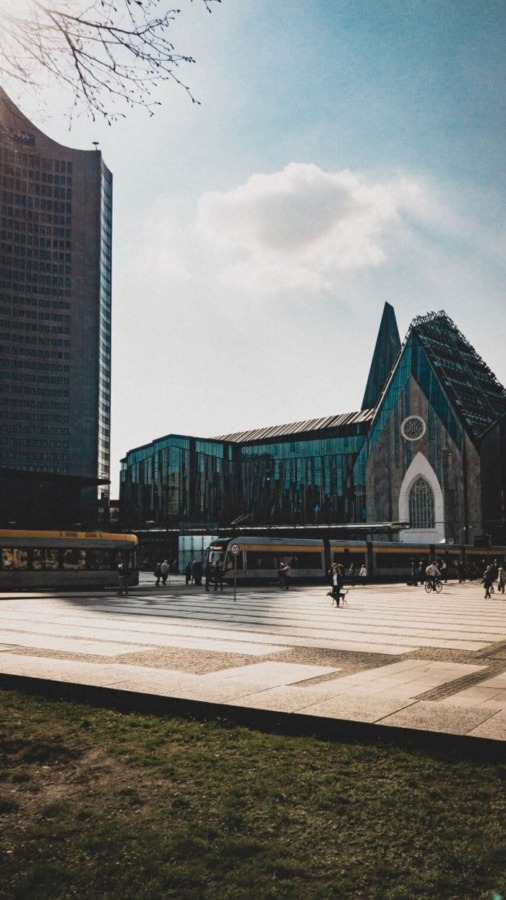
Augustusplatz Leipzig | Augustusplatz | Augustusplatz Leipzig, Germany | Leipzig, Germany
Travel guides for Leipzig
Itineraries & day trips (1)
Things to do (1)
More guides featuring Leipzig (11)
At a glance
- German
- Urban cityscape
- River confluence
- Industrial heritage
- Parks and cultural quarter
- Classical Music
- History
- Contemporary Art
- Architecture
- Reunification Heritage
- Gastronomy
- Lake Culture
- Nightlife
How Leipzig scores
Character
Editorial scores on a 10-point scale, weighed against destinations of the same kind.
Travel safety snapshot
SafePlace indicators use their source 100-point scale; higher is more favourable. Planning context, not a live travel advisory — check official government guidance before you go.
When to go
Best months to visit: April, May, June, July, August, September, October and December.
- January: -0.8 to 4 degrees Celsius, 5.9 millimetres of rain, best-time score 2 out of 5.
- February: -1.3 to 6.5 degrees Celsius, 7.9 millimetres of rain, best-time score 2 out of 5.
- March: 2.2 to 8.9 degrees Celsius, 13 millimetres of rain, best-time score 3 out of 5.
- April: 4.4 to 14 degrees Celsius, 16.4 millimetres of rain, best-time score 4 out of 5.
- May: 7 to 17 degrees Celsius, 10.8 millimetres of rain, best-time score 5 out of 5.
- June: 12 to 22.6 degrees Celsius, 18.9 millimetres of rain, best-time score 5 out of 5.
- July: 14.3 to 23.5 degrees Celsius, 19.4 millimetres of rain, best-time score 5 out of 5.
- August: 15.6 to 25.3 degrees Celsius, 16.2 millimetres of rain, best-time score 5 out of 5.
- September: 12.6 to 20.9 degrees Celsius, 11.7 millimetres of rain, best-time score 5 out of 5.
- October: 7.6 to 14.4 degrees Celsius, 15.4 millimetres of rain, best-time score 4 out of 5.
- November: 4.3 to 9.9 degrees Celsius, 22.9 millimetres of rain, best-time score 3 out of 5.
- December: 0.1 to 4.3 degrees Celsius, 14.6 millimetres of rain, best-time score 4 out of 5.
Month-by-month conditions and packing advice
- January
- Cold weather, mostly dry January in Leipzig: cold, short days make this more of an indoor city break. Crowds: Travelers visiting Leipzig in January should prepare for cold conditions and a quieter tourism period. This is the city’s low season, meaning hotel rates and flight prices are often more affordable, and popular sites like the Bach Museum and the Spinnerei art complex can be explored without crowds. Outdoor time is limited by the cold and shorter days, but indoor cultural life thrives—concerts at the Gewandhaus, opera performances, and museum exhibitions are at their peak. Winter sales also draw visitors into Leipzig’s shopping arcades. While conditions are not ideal for outdoor exploration, the calm city atmosphere allows for a more intimate and authentic experience. Booking is generally straightforward, with little risk of sold-out accommodations, though cultural events should be reserved in advance. Pack: Insulated winter coat for sub-freezing temperatures; Warm scarf, gloves, and knit hat for wind protection; Sturdy waterproof boots for icy or wet pavements; Thermal base layers for extended outdoor walks; Smart casual attire suitable for concerts and museums; Compact umbrella for occasional light showers
- February
- Cold weather, mostly dry February in Leipzig: cold, short days make this more of an indoor city break. Crowds: Traveling to Leipzig in February means embracing the winter atmosphere with fewer crowds and a slower pace. This is the off-season, so visitors benefit from lower accommodation rates and greater availability at popular sites such as the Bach Museum or St. Thomas Church. Outdoor sightseeing is possible but limited by cold temperatures, making indoor cultural activities more rewarding. Cafés and historic beer halls provide cozy respite from the chilly streets, while the city’s museums and concert venues operate at full rhythm, giving travelers an authentic local experience. While festival season has not yet begun, the relative quiet offers an intimate look at Leipzig without tourist congestion. Travelers should book flexible tickets, as weather disruptions, though rare, can occur. Pack: Thermal base layers for warmth; Insulated winter coat; Water-resistant boots with good grip; Wool hat and gloves; Warm scarf for wind protection; Smart-casual attire for concert and museum visits
- March
- Cool weather, mostly dry March in Leipzig: culture remains strong while weather is cooler or less predictable. Crowds: March represents a shoulder season in Leipzig, with moderate travel benefits. The weather, though cool, is improving, and drier conditions make walking tours of the city’s historic core more appealing. Tourist numbers remain relatively low compared to summer, meaning easier access to landmarks such as St. Thomas Church and the Bach Museum without the peak-season crowds. Accommodation prices are generally more affordable, with better availability than in May through September. Outdoor activities like exploring Leipzig’s canal system or visiting the botanical gardens are feasible, though still best complemented with indoor pursuits such as museums and coffee houses. This is a practical time for travelers who prefer authenticity over peak-season bustle, but packing for warmth remains critical. Advance booking is less urgent, though cultural events tied to the city’s music heritage begin to draw attention by late spring. Pack: Insulated jacket for chilly mornings and evenings; Layered sweaters or fleeces for daytime comfort; Comfortable waterproof walking shoes; Scarf, hat, and gloves for lingering cold spells; Compact umbrella for occasional showers; Daypack to carry extra layers while exploring
- April
- Cool weather, mostly dry April in Leipzig: spring, fall, or Christmas-market timing can be rewarding with fewer peak crowds. Crowds: April represents the shoulder season in Leipzig, when cooler but manageable weather keeps major tourist crowds at bay. Accommodation rates remain moderate compared to the summer peak, offering good value for visitors. Conditions are favorable for cultural exploration—museums, historic churches, and walking tours—without the heavy congestion of later months. Outdoor attractions such as the Leipzig Zoo and canal-side neighborhoods can be enjoyed comfortably, though evenings remain too chilly for extended al fresco dining. Spring festivals and classical music events begin to populate the calendar, giving travelers a chance to experience the city’s cultural heartbeat in a more intimate setting. For those looking to balance affordability with pleasant weather, April strikes a sweet spot before summer tourism pushes prices and occupancy higher. Pack: Layered clothing including sweaters and light jackets; Water-resistant walking shoes for cobblestone streets; Compact umbrella for occasional spring showers; Scarf or shawl for cooler evenings; Smart casual attire for concerts or cultural events; Daypack for carrying layers and photography gear
- May
- Cool weather, mostly dry May in Leipzig: parks, lakes, music events, walking tours, and cafe neighborhoods benefit from warm weather and long days. Crowds: May is one of Leipzig’s prime months for cultural tourism, offering a sweet spot between cooler spring and the busier summer season. The mild weather supports all kinds of outdoor activities, from biking along the canals to exploring historic neighborhoods on foot. Tourist numbers increase slightly as cultural festivals and music events begin to fill the calendar, but the city remains less crowded than in peak summer. Hotel rates and airfare are moderately priced, making May a good balance between affordability and favorable conditions. This timing allows visitors to enjoy Leipzig’s parks and beer gardens at their most vibrant without the intensity of summer heat or crowds. For travelers interested in music heritage or attending spring festivals, May provides optimal weather and manageable tourism levels. Pack: Layered clothing for shifting spring temperatures; Comfortable walking shoes for cobblestone streets; Light waterproof jacket for unexpected showers; Sunglasses to enjoy bright spring days; Scarf or light sweater for cool evenings; Smart-casual attire suitable for concerts and cultural venues
- June
- Warm and pleasant, mostly dry June in Leipzig: parks, lakes, music events, walking tours, and cafe neighborhoods benefit from warm weather and long days. Crowds: June marks the start of Leipzig’s high season, coinciding with warm, inviting weather and an active cultural calendar. Travelers will find outdoor festivals, classical concerts, and open-air markets thriving across the city. Comfortable conditions make it perfect for cycling, walking tours, and day trips to Saxon wine country. With school holidays approaching, crowd levels begin to increase, particularly around popular attractions like the St. Thomas Church and the Gewandhaus. Prices for accommodation and flights begin to climb as demand builds toward midsummer, so early booking is advisable. While weather is generally stable, occasional rain showers may interrupt outdoor activities briefly, but they seldom derail plans. June offers one of the best times to experience Leipzig’s cultural and natural offerings in harmony. Pack: Light cotton or linen clothing for warm daytime temperatures; Compact umbrella or light rain jacket for summer showers; Comfortable walking shoes for cobblestone streets; Sunglasses and broad-spectrum sunscreen for long daylight hours; Light sweater or shawl for cooler evenings around 12°C; Casual but modest attire suitable for churches and concert halls
- July
- Warm and pleasant, mostly dry July in Leipzig: parks, lakes, music events, walking tours, and cafe neighborhoods benefit from warm weather and long days. Crowds: July represents Leipzig’s peak summer season, attracting visitors with warm, stable weather and a lively cultural calendar. Outdoor attractions like the city’s parks, lakes, and canal-side cafés are at their best, making this a highly favorable time for exploration. However, as the warmest and most popular month, expect higher hotel rates and more crowded attractions, particularly around major festivals or concerts. The weather is comfortable for walking tours and cycling, with only brief interruptions from passing showers. Travelers should book accommodation and event tickets well in advance to secure options during this busy period. While daytime temperatures are pleasantly warm, evenings can still cool down, especially in open-air venues, so flexible clothing choices are important. July offers ideal conditions for those seeking to experience Leipzig’s cultural energy and summer vibrancy at its peak. Pack: Light cotton and linen clothing for warm days; Comfortable walking sandals or shoes for city touring; Compact umbrella or light rain jacket for brief showers; Light sweater or jacket for cooler evenings; Sunhat and high-SPF sunscreen for outdoor festivals; Smart-casual outfit for concerts or cultural events
- August
- Warm and pleasant, mostly dry August in Leipzig: parks, lakes, music events, walking tours, and cafe neighborhoods benefit from warm weather and long days. Crowds: August represents late-summer peak travel season in Leipzig, with warm weather perfect for city walking tours, cycling, and cultural festivals. This period also overlaps with holiday time across Europe, so accommodation prices are at their higher seasonal range, and popular attractions can feel busier than in shoulder months. The warm yet not extreme climate is excellent for open-air events such as classical music concerts and street food festivals, which are integral to Leipzig’s summer character. Daylight hours remain long, offering extended sightseeing time, but it’s wise to book hotels and tickets in advance. For travelers seeking quieter exploration and slightly lower costs, visiting toward the end of the month as families return home from vacation can be a good balance. Pack: Light cotton or linen shirts for daytime comfort; Breathable walking shoes for exploring cobblestone streets; Compact rain jacket for occasional showers; Sunglasses and high-SPF sunscreen for long days outdoors; Smart casual outfit for evening concerts or dining; Reusable water bottle to stay hydrated during city walks
- September
- Warm and pleasant, mostly dry September in Leipzig: parks, lakes, music events, walking tours, and cafe neighborhoods benefit from warm weather and long days. Crowds: September marks one of Leipzig’s most appealing times to visit, sitting in the shoulder season between the summer crowds and the quieter winter months. With reliably mild temperatures and mostly dry days, visitors can comfortably explore both indoor and outdoor attractions, from classical concerts at the Gewandhaus to cycling along the city’s greenbelt. Accommodation prices generally ease after the summer peak, though popular events like the Leipzig Autumn Fair can temporarily drive demand higher. The city is lively without feeling overcrowded, offering an ideal balance of accessibility and cultural vibrancy. Travelers benefit from pleasant walking conditions and excellent seasonal produce in local markets, making this a prime month for both budget-conscious explorers and those seeking rich cultural immersion. Pack: Light jacket or cardigan for cool evenings; Comfortable walking shoes for cobblestone streets; Compact umbrella for occasional showers; Layered clothing to adjust to mild temperature swings; Scarf for both warmth and cultural style; Daypack for carrying water and market finds
- October
- Cool weather, mostly dry October in Leipzig: spring, fall, or Christmas-market timing can be rewarding with fewer peak crowds. Crowds: October represents shoulder season in Leipzig, when the busy summer crowds have thinned but the winter markets have yet to begin. Accommodation prices drop slightly, and availability improves compared to peak travel months. The mild yet cool weather is well-suited for city walking tours, museum visits, and cultural performances, though outdoor café culture begins to wind down. Autumn foliage adds a layer of beauty to the city’s green spaces, making it an ideal time for photography and leisurely exploration. Light rain is possible but rarely disruptive, and most attractions remain open on regular schedules. For budget-conscious travelers or those seeking quieter cultural immersion, October strikes a balance of manageable weather, affordable stays, and fewer tourist bottlenecks—making it an underrated choice before the winter festivities set in. Pack: Warm layers such as sweaters and light jackets; Comfortable waterproof walking shoes; Compact umbrella for light showers; Scarf and gloves for chilly evenings; Camera for autumn foliage and architecture; Smart casual attire for theaters and concerts
- November
- Cool weather, mostly dry November in Leipzig: culture remains strong while weather is cooler or less predictable. Crowds: November marks the shoulder season in Leipzig, with cooler weather leading to noticeably thinner tourist crowds and more affordable accommodation rates. This is an excellent month for cultural travel: concerts at the Gewandhaus and performances at the Leipzig Opera are in full swing, while museums and historic sites can be enjoyed without queues. Outdoor exploration is still possible, though shorter days and brisk air make indoor attractions more appealing. Seasonal markets begin to set up toward the end of the month, hinting at the famous Christmas season. Visitors should anticipate quieter streets, relaxed dining experiences, and reduced pricing compared to summer and December’s holiday peak. The conditions favor those seeking a cultural deep dive over outdoor leisure. Pack: Warm coat suitable for daytime walks; Layered sweaters and long-sleeve shirts; Comfortable waterproof walking shoes; Compact umbrella for light showers; Scarf, hat, and gloves for chilly evenings; Smart casual attire for concerts and opera visits
- December
- Cold weather, mostly dry December in Leipzig: spring, fall, or Christmas-market timing can be rewarding with fewer peak crowds. Crowds: Traveling to Leipzig in December means embracing the city’s full festive charm under wintry conditions. While the cold weather demands preparation, it coincides with one of the city’s busiest cultural moments: the traditional Christmas markets. Crowds concentrate around market squares, so expect higher hotel occupancy and seasonal price surges in central areas. Outdoor sightseeing can be limited by the cold, but museums, opera houses, and cozy cafés provide inviting indoor alternatives. Daylight hours are short, making mornings and early afternoons best for outdoor exploration. Visitors who plan ahead and secure accommodations early can experience Leipzig at its most atmospheric, when cultural traditions and holiday spirit outweigh the challenges of the weather. Pack: Insulated winter coat for freezing temperatures; Thermal base layers for outdoor comfort; Water-resistant boots for icy or damp streets; Wool hat, gloves, and scarf for warmth; Smart casual attire for concerts and cultural venues; Compact umbrella for occasional drizzle or sleet
- June
- July
- August
- September
- December
- January
- February
- March
Know before you go
Neighbourhoods
Leipzig features diverse neighborhoods, each with its own character:
- Plagwitz: Known for its canals and creative spaces, this area is a hub for artists and musicians.
- Connewitz: A lively district popular with students, offering a vibrant nightlife and alternative culture.
- Alt-West: A quieter residential area with parks and family-friendly amenities.
- Innenstadt: The historic city center, filled with shops, restaurants, and cultural landmarks.
Each neighborhood provides a unique glimpse into Leipzig’s multifaceted identity.
Best time to visit
The best time to visit Leipzig is from May to September when the weather is warm and ideal for outdoor activities. The city’s numerous festivals, including the Leipzig Book Fair in March and the Wave-Gotik-Treffen in May, attract visitors from around the world. Autumn offers beautiful foliage, while winter brings charming Christmas markets.
Season by season
Spring (Mar–May): 10–20 °C, parks greening, Bach Festival preparations, pleasant sightseeing. Summer (Jun–Aug): 22–30 °C, lake season, outdoor cafés, Wave-Gotik-Treffen and Bach Festival. Autumn (Sep–Nov): 8–17 °C, autumn foliage, Festival of Lights (Oct 9), fewer tourists. Winter (Dec–Feb): -2–5 °C, Christmas market magic, Gewandhaus concert season, cozy café culture.
Crowds
Moderate at Old Town attractions year-round; high at the Christmas Market (late November–December); busy during Bach Festival (June) and Wave-Gotik-Treffen (May/June); lower overall than Berlin or Munich
Getting there and around
Getting there
Leipzig is accessible via Leipzig/Halle Airport and Germany’s extensive rail network. The city connects to Berlin, Munich, Hamburg, and other German cities via train and autobahn networks.
Getting around
Leipzig provides efficient public transportation including S-Bahn, trams, and buses. The city is very bike-friendly with extensive cycling infrastructure.
Top experiences in Leipzig
St. Thomas Church & Bach's Tomb
The 15th-century Gothic church where Johann Sebastian Bach served as cantor for 27 years and where his remains are interred beneath a bronze grave plate in the chancel. The St. Thomas Boys’ Choir—one of the oldest choral ensembles in the world, founded in 1212—still performs motets here every Friday and Saturday. The adjacent Bach Museum traces the composer’s life through manuscripts, instruments, and interactive listening stations. Outside, Carl Seffner’s 1908 bronze Bach Monument depicts the master organist with score in hand. Free entry to the church; museum ~€10.
Völkerschlachtdenkmal (Monument to the Battle of the Nations)
One of Europe’s largest monuments, this 91-metre stone colossus commemorates the decisive 1813 battle where coalition forces defeated Napoleon. Climb its 500 interior steps (or take the lift) for panoramic views stretching across Saxony from the viewing platform. The crypt-like Hall of Fame features 324 life-sized horsemen carved in stone, and the reflecting pool at the base doubles the monument’s mass photographically. A small museum recounts the battle in which half a million soldiers clashed. Allow 1.5–2 hours. Entry ~€10.
Leipzig Zoo & Gondwanaland
Consistently ranked among Europe’s top five zoos, Leipzig Zoo houses over 850 species across naturalistically landscaped habitats. The crown jewel is Gondwanaland—a 16,500 m² tropical hall where visitors ride boats through a recreated rainforest canopy among free-flying tropical birds, coatis, and tapirs. The Pongoland great-ape facility, developed with the Max Planck Institute, is the world’s largest. A full circuit covers six themed ‘worlds’ from African savanna to Asian temple ruins. Allow 4–6 hours.
Spinnerei Art Complex
A former 19th-century cotton-spinning mill—once the largest in continental Europe—transformed into a sprawling art campus hosting over 100 studios, 11 galleries, and creative workshops across its red-brick industrial halls. Neo Rauch and the New Leipzig School put this complex on the international art map. Visitors wander freely through open galleries, watch artists at work, and browse everything from contemporary painting to experimental installations. Free to walk; individual gallery hours vary. The on-site café in the machine hall is worth a stop.
St. Nicholas Church (Nikolaikirche)
Leipzig’s oldest church, dating to 1165 and rebuilt in a striking late-Gothic and Neoclassical interior of white columns and pale green palm-leaf vaults. It played a pivotal role in modern history: the Monday Peace Prayers held here in autumn 1989 catalyzed the Peaceful Revolution that brought down the Berlin Wall. An exhibition in the church documents those events. Bach also served as its musical director—organ recitals continue regularly. Free entry; the adjacent Nikolaikirchhof plaza features a replica ‘peace column.’
Editor-curated picks carried over from our original guide. Where a full place guide exists, the card links to it.
Worth booking ahead in Leipzig
Hand-picked from the operators our guides already send readers to. Prices and availability are live on the partner site.
Day tripViator
Neuschwanstein and Linderhof royal castles day tour (opens Viator in a new tab)
Both royal castles and the coach in one long day; the practical way to see them from Munich without a car.
Where to stayBooking.com
Stays in Leipzig (opens Booking.com in a new tab)
Live rates and availability for Leipzig on Booking.com; filter by neighbourhood once you know where your days start.
We earn a commission if you book through these links, at no extra cost to you. It is how we keep the guides free and independent.
Tips from the field
Highlights
- St. Thomas Church & Bach's Tomb
- Völkerschlachtdenkmal Panoramic Views
- Leipzig Zoo & Gondwanaland
- Spinnerei Art Complex
- Nikolaikirche & Peaceful Revolution
- Gewandhaus Orchestra Concerts
- Leipzig Christmas Market
- Plagwitz & Karl-Heine-Straße Café Scene
Best activities
- Visit Bach's tomb at St. Thomas Church and attend a St. Thomas Boys' Choir motet, climb the Völkerschlachtdenkmal for panoramic views, boat through the Gondwanaland tropical hall at Leipzig Zoo, explore Spinnerei's contemporary art galleries, learn about the Peaceful Revolution at Nikolaikirche, browse Mädler Passage and Auerbachs Keller (Goethe's favorite), cycle to Cospudener See for a lake swim, attend a Gewandhaus Orchestra concert, drink at Germany's oldest coffee house, and take a Trabi tour through the former East.
Local experiences
- Attend a Friday evening motet by the St. Thomas Boys' Choir, sip coffee at Zum Arabischen Coffe Baum (Germany's oldest coffee house, since 1694), browse Spinnerei galleries alongside working artists, cycle the Karl-Heine canal to Plagwitz for independent cafés and bistros, swim at Cospudener See on a summer afternoon, take a Trabi tour through former East German streets, visit the Runde Ecke (former Stasi headquarters) museum for Cold War history, sample Sächsische Kartoffelsuppe at a traditional gasthaus, and join the Festival of Lights on October 9th to commemorate the Peaceful Revolution.
Practical tips
- Currency: Euro (EUR). Cards increasingly accepted but carry cash for smaller venues.
- Getting There: Leipzig/Halle Airport (LEJ) connects via S-Bahn S5/S5X (15 minutes). Leipzig Hauptbahnhof is a major rail hub — ICE trains to Berlin (70 minutes), Munich (3.5 hours).
- Transportation: LVB trams and buses cover the city. Day ticket €8.20. Walking and cycling are excellent. Karl Heine Kanal area is great for waterway exploration by kayak.
- Dining: Leipzig is extremely affordable. Traditional Saxon cuisine (Leipziger Allerlei, Leipziger Lerche) at restaurants for €8-18. Plagwitz/Karl-Liebknecht-Straße ("KarLi") has hip cafés and international options. Auerbachs Keller is one of Germany's oldest restaurants.
- Free Attractions: Marktplatz und Altes Rathaus, Thomaskirche (Bach's church), Nikolaikirche (Peaceful Revolution), Spinnerei contemporary art, Karl Heine Kanal walks.
- Tipping: Round up or add 5-10%
- Electricity: 230V/50Hz, Type C/F plugs
Photography tips
- The Völkerschlachtdenkmal reflects dramatically in its foreground pool at sunrise—arrive early with a wide-angle lens for symmetrical compositions. St. Thomas Church's interior demands a tripod and high ISO for the dim Gothic nave
- the Bach grave plate benefits from close-up detail shots. Spinnerei's industrial brick halls and paint-splattered corridors make excellent urban-texture subjects with a 35 mm prime. For autumn color, Rosenthal park and Clara-Zetkin Park are reliable. The Altes Rathaus on Marktplatz is best captured at blue hour when the Renaissance façade is illuminated against a deep blue sky.
Timing
- Allow 2–3 full days: a culture day (St. Thomas Church, Bach Museum, Nikolaikirche, Gewandhaus or Oper Leipzig concert), an art and history day (Spinnerei, Runde Ecke Stasi museum, Museum der Bildenden Künste), and a half-day for the Völkerschlachtdenkmal and a Cospudener See lake excursion. Leipzig is 80 minutes from Berlin by ICE train and 70 minutes from Dresden, making it an easy addition to a Saxony itinerary.
Keeping it authentic
- Leipzig's identity is shaped by its dual heritage—classical music capital (Bach, Mendelssohn, the Gewandhaus Orchestra) and cradle of the Peaceful Revolution. Unlike the tourist-polished centers of Munich or Prague, Leipzig's creative energy is grassroots: the Spinnerei art studios, the Karl-Heine-Straße café scene in Plagwitz, and the free-spirited FKK lake culture remain driven by locals rather than tour operators. Café culture runs deep—Zum Arabischen Coffe Baum is Germany's oldest coffee house (1694), and the tradition of Kaffee und Kuchen is observed seriously. The annual Wave-Gotik-Treffen Gothic festival draws 20,000+ participants with zero corporate sanitization.
Culture, customs and safety
Cultural heritage
Leipzig represents the cultural heart of East German intellectual resistance and musical excellence, where Johann Sebastian Bach legacy, peaceful revolution leadership, and German reunification symbolism created one of Germany most historically significant cultural centers. The city preserves the tradition of German classical music while serving as symbol of democratic transformation and German cultural unity. Leipzig cultural heritage encompasses German classical music traditions, peaceful revolution history, intellectual resistance culture, and contemporary German democratic values that continue to influence European political development and classical music performance worldwide.
Local customs & etiquette
In Leipzig, greet with ‘Guten Tag’ and maintain punctuality – it’s extremely important. Germans value directness and efficiency in communication. Leipzig has a rich musical heritage.
Safety notes
Leipzig is very safe with an emerging creative scene.
General Safety:
• The city center, Südvorstadt, and Plagwitz/Lindenau are safe and vibrant
• Very low crime rate for tourists
• Standard awareness at Leipzig Hauptbahnhof
Cycling:
• Leipzig is very cycle-friendly — respect bike lanes
Emergency contacts:
• General: 112
• Police: 110