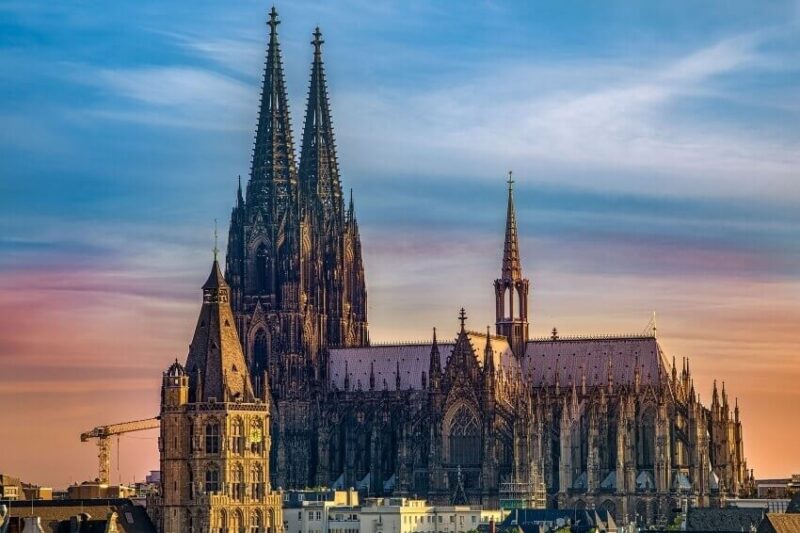
Cologne, known for its stunning cathedral, is a vibrant city that combines history with modernity. Situated along the Rhine River, Cologne is famous for its rich cultural scene, including art galleries, museums, and a lively nightlife. The city’s annual Carnival celebration draws visitors from around the world, showcasing its unique traditions and festive spirit.
Cologne
City in Germany, Germany, EuropeUpdated
- Overall7/10
- Best forSolo travelers
- PeakMay, Jun, Jul, Aug
- CurrencyEUR
Cologne’s twin-spired cathedral took 632 years to build and dominates a city that also does Kölsch beer, chocolate museums, and Rhine River culture at a serious clip.

At a glance
Currency€ EURCode: EUR
Time zoneCentral European Time
Languages
- German
Setting
- Rhine River city
- Gothic cathedral
- Urban waterfront
- Bridge heritage
Known for
- Roman history
- Gothic architecture
- Modern art
- Beer culture
- Rhine River lifestyle
Population1.1M1,085,664 residents
VisaDuration: Up to 90 days within any 180-day period in the Schengen Area · Documents: Valid passport issued within the last 10 years and valid for at least 3 months after planned departure, plus proof of accommodation, onward or return travel, and sufficient funds if requested
How Cologne scores
7/10OverallGood
Weather6/10
Value for money7/10
Safety7/10
Food & cuisine7/10
Culture & arts8/10
Cultural experience8/10
History9/10
Nature & outdoors6/10
Adventure4/10
Nightlife8/10
Shopping8/10
Family friendly5/10
Romance7/10
Character
Photography score7/10
Authenticity score10/10
Off-the-beaten-path score7/10
Editorial scores on a 10-point scale, weighed against destinations of the same kind.
Travel safety snapshot
Overall76/100Moderate rating
Women travellers74/100
LGBTQ+ travellers78/100
Theft72/100
Medical care84/100
Physical harm75/100
Political freedom77/100
SafePlace indicators use their source 100-point scale; higher is more favourable. Planning context, not a live travel advisory — check official government guidance before you go.
When to go
Best months to visit: March, April, May, June, July, August, September, October, November and December.
- January: 0.8 to 5.4 degrees Celsius, 20.3 millimetres of rain, best-time score 3 out of 5.
- February: 1.8 to 7.7 degrees Celsius, 17.6 millimetres of rain, best-time score 3 out of 5.
- March: 3.8 to 10.7 degrees Celsius, 25.9 millimetres of rain, best-time score 4 out of 5.
- April: 5.4 to 15.3 degrees Celsius, 18.4 millimetres of rain, best-time score 5 out of 5.
- May: 7.9 to 16.9 degrees Celsius, 20.8 millimetres of rain, best-time score 5 out of 5.
- June: 12.8 to 21.8 degrees Celsius, 22.1 millimetres of rain, best-time score 5 out of 5.
- July: 13.8 to 22.9 degrees Celsius, 13.7 millimetres of rain, best-time score 4 out of 5.
- August: 15.6 to 24.5 degrees Celsius, 39.1 millimetres of rain, best-time score 4 out of 5.
- September: 11.9 to 21.3 degrees Celsius, 11.9 millimetres of rain, best-time score 5 out of 5.
- October: 7.9 to 15.1 degrees Celsius, 24.8 millimetres of rain, best-time score 5 out of 5.
- November: 5.7 to 10.6 degrees Celsius, 25.4 millimetres of rain, best-time score 4 out of 5.
- December: 1.7 to 6.1 degrees Celsius, 14.4 millimetres of rain, best-time score 5 out of 5.
Month-by-month conditions and packing advice
- January
- Cold weather, mostly dry January in Cologne: indoor culture remains strong, but cold damp weather limits the city break. Crowds: January marks Cologne’s low tourism season, offering a quieter, more affordable experience compared to the festive December Christmas markets or the lively Carnival season in February. Accommodation prices are generally lower, and popular sites like the cathedral or museums are free from large tour groups. The cooler weather makes outdoor strolling shorter and more purposeful, but it’s ideal for cultural immersion—visiting art galleries, historical museums, and sampling local cuisine indoors. Light precipitation and overcast skies mean photography benefits from soft, diffused light. This is an excellent month for travelers seeking a slower pace, intimate cultural experiences, and the chance to enjoy Cologne without competing with heavy crowds.
- February
- Cold weather, mostly dry February in Cologne: indoor culture remains strong, but cold damp weather limits the city break. Crowds: February is Cologne’s off-season for tourism, meaning fewer crowds at major attractions like the Cathedral and Museum Ludwig. Hotel rates are generally more affordable, though they may spike briefly if your visit coincides with Cologne Carnival, one of Europe’s largest street festivals. The cool temperatures and shorter days make this month better suited for indoor cultural experiences, though bundled walks along the river remain pleasant on clear days. Public transport is reliable and uncrowded, offering easy access to the city’s neighborhoods. Visitors should plan for layered clothing and have a warm refuge nearby after outdoor excursions.
- March
- Cool weather, some rain March in Cologne: conditions are useful, though summer crowds or late fall weather require planning. Crowds: March is considered shoulder season in Cologne, offering a quieter travel experience after the winter lull and before the busier late spring months. Accommodation prices are moderate, and popular attractions like the Cathedral, Museum Ludwig, and Hohenzollern Bridge are less crowded. Outdoor events and river cruises start to resume, though evenings remain cool, limiting late-night al fresco dining. The occasional rain shower is unlikely to disrupt plans but may require flexible scheduling for walking tours. For travelers who enjoy cultural immersion without peak-season bustle, March offers a balance of manageable weather, lighter crowds, and authentic city life. Booking flexibility is easier, and last-minute deals are more available compared to summer.
- April
- Cool weather, mostly dry April in Cologne: cathedral visits, Rhine walks, beer halls, museums, festivals, and Christmas markets have the strongest balance. Crowds: April marks the start of Cologne’s spring shoulder season, a sweet spot between the chill of winter and the crowds of summer. Mild daytime temperatures and low rainfall make it ideal for outdoor sightseeing, cycling along the Rhine, or enjoying café terraces. Tourist numbers are moderate, meaning attractions like the Cologne Cathedral or Museum Ludwig are easier to explore without heavy queues. Hotel rates remain more reasonable than peak summer, though Easter holidays can cause a brief surge in both crowds and prices. Seasonal events such as spring markets and early beer garden openings add to the atmosphere. This is an excellent time for budget-conscious travelers who value comfort and cultural immersion over heat and hustle.
- May
- Cool weather, mostly dry May in Cologne: cathedral visits, Rhine walks, beer halls, museums, festivals, and Christmas markets have the strongest balance. Crowds: May marks the beginning of Cologne’s high visitation months, though crowds are still lighter than the peak summer rush. The comfortable weather is ideal for open-air beer gardens, river cruises, and exploring cultural landmarks like the Cologne Cathedral without overheating. Accommodation prices begin to rise but remain lower than in June and July. The mild evenings invite attendance at spring festivals and outdoor concerts, with longer daylight hours maximizing sightseeing time. Occasional light showers are unlikely to disrupt plans, making it an excellent month for both cultural touring and leisurely outdoor exploration. Early booking is recommended for centrally located hotels with views of the Rhine or the Altstadt.
- June
- Warm and pleasant, mostly dry June in Cologne: cathedral visits, Rhine walks, beer halls, museums, festivals, and Christmas markets have the strongest balance. Crowds: June offers prime sightseeing conditions in Cologne, marking the start of the city’s high summer appeal without the heavier crowds of July and August. Warm but not overly hot days are perfect for outdoor festivals, cycling along the Rhine, and leisurely exploring neighborhoods like Ehrenfeld and the Belgian Quarter. Hotel rates are moderate but begin trending upward as summer holidays approach, so early booking is advisable. Extended daylight hours allow for unhurried itineraries, while the low chance of heavy rain means minimal disruptions to outdoor plans. Light layers work well for the temperature swings between sunny afternoons and cooler evenings, making alfresco dining and evening strolls particularly enjoyable.
- July
- Warm and pleasant, mostly dry July in Cologne: conditions are useful, though summer crowds or late fall weather require planning. Crowds: July falls within Cologne’s peak summer tourism season, bringing a vibrant atmosphere but also higher crowd levels at major attractions and in popular dining areas. Accommodation and flight prices tend to be at their yearly highs, so early booking is advisable. The warm, mostly dry weather is perfect for walking tours, cycling along the Rhine, and attending outdoor cultural events such as open-air concerts and beer festivals. Extended daylight supports packed itineraries, but visitors should expect busy streets in the Old Town and longer queues at top sights. Light planning around peak hours can make the experience more relaxed, especially when visiting major landmarks like the Cologne Cathedral.
- August
- Warm and pleasant, some rain August in Cologne: conditions are useful, though summer crowds or late fall weather require planning. Crowds: August sits in the peak summer travel period for Cologne, meaning vibrant street life and a packed cultural calendar, but also higher hotel rates and larger crowds at landmarks such as the Cologne Cathedral and Museum Ludwig. The warm, stable weather is ideal for river cruises, cycling tours, and beer garden evenings, while the relatively low rainfall means minimal disruption to outdoor plans. Expect busy weekends, especially during local festivals, so advance booking for accommodations and popular attractions is essential. While temperatures are comfortable for most, midday sun can still be strong, so plan walking tours for mornings or late afternoons and reserve the hottest part of the day for shaded cafés or museum visits.
- September
- Warm and pleasant, mostly dry September in Cologne: cathedral visits, Rhine walks, beer halls, museums, festivals, and Christmas markets have the strongest balance. Crowds: September marks the shoulder season in Cologne—warm enough for outdoor sightseeing yet cool enough for comfortable walking tours. Crowds thin compared to the peak summer months, making major attractions more accessible, and hotel rates begin to ease, though weekends can still see higher occupancy during local events like wine festivals and art fairs. Conditions are ideal for cycling along the Rhine, visiting beer gardens, or enjoying cultural highlights such as museums and concert halls. While rain is minimal, occasional light showers can occur, so a small umbrella is useful. Early booking is still recommended for special events, but overall, travel costs and wait times are more favorable than in July or August.
- October
- Cool weather, mostly dry October in Cologne: cathedral visits, Rhine walks, beer halls, museums, festivals, and Christmas markets have the strongest balance. Crowds: October marks the shoulder season in Cologne, when summer crowds have faded and the Christmas market rush has yet to begin. Cooler weather is ideal for museum visits, architectural walks, and brewery tours, while the low rainfall makes sightseeing pleasant. Hotel rates are generally lower than peak summer months, and availability is good for last-minute bookings. Outdoor events slow down compared to September, but autumn festivals and cultural performances pick up indoors. Travelers should plan for shorter daylight hours—perfect for pairing daytime exploration with evening concerts, theater, or hearty Rhineland cuisine in traditional beer halls.
- November
- Cool weather, mostly dry November in Cologne: conditions are useful, though summer crowds or late fall weather require planning. Crowds: November falls firmly in Cologne’s shoulder season, with fewer tourists compared to the bustling Christmas market period in December. Accommodation rates are generally lower, making it an appealing time for budget-conscious travelers. The cool, mostly dry weather is ideal for museum visits, architectural walks, and exploring the city’s beer halls without the crowds of summer. Outdoor sightseeing remains enjoyable, though daylight hours are limited, so prioritizing activities earlier in the day is wise. This is also a great month to experience the local cultural rhythm, as the city transitions toward its winter festivities. Advance booking is not essential for most attractions, but securing centrally located lodging ensures easy access to indoor activities during shorter, cooler days.
- December
- Cold weather, mostly dry December in Cologne: cathedral visits, Rhine walks, beer halls, museums, festivals, and Christmas markets have the strongest balance. Crowds: December is a prime month for cultural immersion in Cologne, thanks to its world-famous Christmas markets and festive cityscape. While this isn’t peak weather for outdoor recreation, the cool, mostly dry conditions are comfortable for walking tours between market squares, cathedral visits, and museum hopping. Crowds are significant in market areas but lighter elsewhere, and hotel rates can spike in the early part of the month before dropping after Christmas. Short days and chilly evenings encourage a slower, more atmospheric exploration pace. Visitors should plan for indoor cultural activities and festive events, taking advantage of the cozy seasonal mood, and book accommodation early if visiting during the Christmas market peak.
Peak season
- July
- August
- May
- June
- September
- December
Off-peak
- January
- February
- March
- April
- October
- November
Know before you go
About
Cologne, or Köln, on the banks of the Rhine in Germany’s North Rhine-Westphalia, is one of the country’s oldest and most vibrant cities, founded by the Romans in the 1st century AD as Colonia—the source of its name. Home to about a million residents, this Rhineland metropolis is dominated by the twin-spired Cologne Cathedral, a Gothic masterpiece and UNESCO World Heritage Site whose 157-meter towers took more than six centuries to complete, finishing in 1880. Beyond the Dom, the city safeguards a dozen Romanesque churches and more than forty museums, from art to chocolate. Cologne is famous for its exuberant Carnival, its locally brewed Kölsch beer served in distinctive slim glasses, and a lively old town and Rhine waterfront. Visitors climb the cathedral towers, cross the lock-laden Hohenzollern Bridge, and cruise the river past the city skyline. Warm, welcoming, and centrally located in western Europe, Cologne blends ancient Roman roots with a famously easygoing and festive spirit.
Best time to visit
The best time to visit Cologne is in the spring (March to May) and early autumn (September to October) when the weather is mild and pleasant. The Christmas markets in December are particularly enchanting, offering a festive atmosphere and local crafts.
Getting there and around
Getting there
Cologne is exceptionally well-connected through multiple transportation hubs, beginning with Cologne Bonn Airport (CGN) just 15km southeast, offering direct flights throughout Europe plus S-Bahn connections to the city center in 20 minutes. International travelers benefit from Frankfurt Airport’s ICE high-speed rail service reaching Cologne in one hour, while Düsseldorf Airport provides another gateway with 30-40 minute direct train connections. The crown jewel is Cologne Hauptbahnhof, positioned dramatically beside the Gothic cathedral, serving as a major European rail hub with ICE connections to Berlin, Munich, Hamburg, Frankfurt, plus international Thalys services to Paris, Brussels, Amsterdam, and Luxembourg—making Cologne one of Europe’s most accessible cultural destinations.
Getting around
Cologne’s public transportation system is exceptionally well integrated, with the KVB (Kölner Verkehrs-Betriebe) operating an extensive network of trams (Stadtbahn), buses, and some underground metro lines that connect effortlessly across the city and into nearby towns. For most visitors, trams and walking will cover the bulk of your movement, as the city center is compact, charmingly walkable, and packed with landmarks like the cathedral and Old Town. While taxis are available and Uber operates in Cologne, they’re rarely necessary thanks to frequent transit service—even late into the night—and it’s worth purchasing a 24-hour or multi-day KVB ticket for unlimited rides across all zones. A savvy local tip: download the KVB app to check real-time routes, buy mobile tickets, and avoid the occasional confusion with the ticket machines.
Places worth your time
Where to stay

Tips from the field
Highlights
- Cologne Cathedral
- Museum Ludwig
- Rhine River
- Cologne Zoological Garden
- Botanical Gardens
Best activities
- Visit the iconic Cologne Cathedral
- Explore the Museum Ludwig for modern and contemporary art
- Take a stroll along the Rhine Promenade
- Visit the Cologne Zoological Garden
Practical tips
- Purchase a KölnCard for public transport and museum discounts
- Book cathedral tower visits in advance during peak season
- Many museums are closed on Mondays
Keeping it authentic
- Visit local breweries to taste authentic Kölsch beer
- Explore the historic Altstadt (Old Town) for genuine Cologne atmosphere
Culture, customs and safety
Cultural heritage
Cologne preserves 2,000 years of Rhineland history anchored by its Gothic cathedral, whose twin spires took 632 years to complete and survived WWII bombing while the city burned. Roman foundations underlie the modern metropolis where CCAA (Colonia Claudia Ara Agrippinensium) served as Germania Inferior’s capital. Kölsch beer culture defines local identity—served in tiny 0.2L glasses by blue-aproned Köbes waiters who replace empties without asking. Carnival traditions culminate in Rosenmontag parades where political satire floats mock authority. The city’s Eau de Cologne, invented by Giovanni Farina in 1709, spawned a global fragrance industry. Romanesque churches, more than any other German city, preserve medieval art treasures.
Local customs & etiquette
Cologne’s identity revolves around Kölsch culture—both the protected local beer and the warmhearted dialect that shares its name, embodying the local saying “Kölsch is the only culture you can drink.” Visit traditional Brauhaus taverns where gruff-but-beloved Köbes waiters serve Kölsch in 0.2L Stange glasses, automatically replacing empties while marking your coaster—this brusque efficiency is cherished local character, not rudeness. Social life follows relaxed Rhineland rhythms: greet shopkeepers with “Guten Tag,” maintain German punctuality standards, and respect the sacred “Feierabend” (post-work relaxation time). During Carnival season (pre-Lent), the city transforms into Germany’s most exuberant celebration with elaborate parades, street parties, and costume revelry—when normal social rules delightfully dissolve into collective joy. Year-round, Cologne balances formal German etiquette with Rhineland warmth, where sharing restaurant tables is common and conversations flow as freely as the legendary local brew.