

Champagne, renowned for its sparkling wine, is a picturesque region in northeastern France. The city of Reims, often considered the capital of Champagne, is famous for its stunning Gothic cathedral, rich history, and, of course, its vineyards. Visitors can explore charming villages, indulge in wine tastings, and enjoy the beautiful countryside.
The destination guide
Reims

Reims has a Gothic cathedral that rivals Notre-Dame and gets a fraction of the crowds — the champagne cellars beneath the city are just as good.
Travel guides for Reims
Things to do (1)
Where to stay (1)
More guides featuring Reims (8)
At a glance
Currency€ EURCode: EUR
Time zoneParisEurope/Paris
Languages
- French
Setting
- Champagne vineyards
- Gothic cathedral
- Canal system
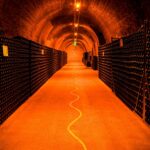
- Champagne cellars
Known for
- {"name": "Champagne capital cathedral city"}
- {"name": "French coronation historical site"}
- {"name": "Art Deco architecture and cellars"}
Population182K182,460 residents
VisaDuration: Up to 90 days within any 180-day period in the Schengen Area · Documents: Valid passport (issued less than 10 years ago, valid for at least 3 months after departure), proof of accommodation, proof of sufficient financial means (65 EUR/day with hotel booking, 120 EUR/day without), return ticket, travel medical insurance
Practical basics
- Driving side
- Right
- Electrical standard
- 230V/50Hz Type C/E/F
- Measurement system
- Metric
- Emergency numbers
- 112
- Country code
- FR
How Reims scores
7/10OverallGood
Weather4/10
Value for money10/10
Safety8/10
Food & cuisine10/10
Culture & arts6/10
Cultural experience9/10
History9/10
Nature & outdoors4/10
Adventure4/10
Nightlife3/10
Shopping7/10
Family friendly5/10
Romance10/10
Character
Photography score8/10
Authenticity score10/10
Off-the-beaten-path score6/10
Editorial scores on a 10-point scale, weighed against destinations of the same kind.
Travel safety snapshot
Overall88/100High rating
Women travellers86/100
LGBTQ+ travellers60/100
Theft70/100
Medical care85/100
Physical harm90/100
Political freedom80/100
SafePlace indicators use their source 100-point scale; higher is more favourable. Planning context, not a live travel advisory — check official government guidance before you go.
When to go
Best months to visit: April, May, June, July, August, September, October and November.
- January: 1.2 to 6.4 degrees Celsius, 84 millimetres of rain, best-time score 2 out of 5.
- February: 2.4 to 8.8 degrees Celsius, 58 millimetres of rain, best-time score 2 out of 5.
- March: 3.4 to 11.6 degrees Celsius, 61.5 millimetres of rain, best-time score 3 out of 5.
- April: 5.3 to 15.1 degrees Celsius, 49.1 millimetres of rain, best-time score 4 out of 5.
- May: 9.2 to 18.9 degrees Celsius, 76.2 millimetres of rain, best-time score 5 out of 5.
- June: 13.5 to 23.2 degrees Celsius, 66.5 millimetres of rain, best-time score 5 out of 5.
- July: 14.7 to 24.5 degrees Celsius, 64.4 millimetres of rain, best-time score 4 out of 5.
- August: 14.9 to 24.8 degrees Celsius, 53.4 millimetres of rain, best-time score 4 out of 5.
- September: 12.1 to 21.3 degrees Celsius, 58.7 millimetres of rain, best-time score 5 out of 5.
- October: 9.2 to 16.3 degrees Celsius, 75.1 millimetres of rain, best-time score 5 out of 5.
- November: 4.7 to 10.1 degrees Celsius, 63.8 millimetres of rain, best-time score 4 out of 5.
- December: 2.8 to 7.5 degrees Celsius, 81.7 millimetres of rain, best-time score 3 out of 5.
Month-by-month conditions and packing advice
- January
- Cold, some rain January in Reims: cold winter months are less balanced for a first-time Champagne trip. Crowds: January in Reims is workable with normal seasonal planning; build in layers, weather checks, and a mix of indoor and outdoor activities. Pack: Pack warm layers, a coat, and comfortable shoes for cold mornings and evenings. Add a rain jacket or compact umbrella.
- February
- Cold, occasional rain February in Reims: cold winter months are less balanced for a first-time Champagne trip. Crowds: February in Reims is workable with normal seasonal planning; build in layers, weather checks, and a mix of indoor and outdoor activities. Pack: Pack warm layers, a coat, and comfortable shoes for cold mornings and evenings.
- March
- Cool to mild, occasional rain March in Reims: cooler weather and shorter days make wine-country touring more constrained. Crowds: March in Reims is workable with normal seasonal planning; build in layers, weather checks, and a mix of indoor and outdoor activities. Pack: Pack layered clothing and comfortable walking shoes.
- April
- Cool to mild, occasional rain April in Reims: conditions remain useful with spring buildup, summer warmth, or late-fall wine events. Crowds: April in Reims is workable with normal seasonal planning; build in layers, weather checks, and a mix of indoor and outdoor activities. Pack: Pack layered clothing and comfortable walking shoes.
- May
- Cool to mild, some rain May in Reims: Champagne houses, vineyards, cathedral visits, food, cycling, and harvest scenery align best. Crowds: May in Reims is workable with normal seasonal planning; build in layers, weather checks, and a mix of indoor and outdoor activities. Pack: Pack layered clothing and comfortable walking shoes. Add a rain jacket or compact umbrella.
- June
- Mild to warm, occasional rain June in Reims: Champagne houses, vineyards, cathedral visits, food, cycling, and harvest scenery align best. Crowds: June in Reims is comfortable for sightseeing, neighborhoods, food stops, day trips, and outdoor time with limited weather friction. Pack: Pack layered clothing and comfortable walking shoes.
- July
- Mild to warm, occasional rain July in Reims: conditions remain useful with spring buildup, summer warmth, or late-fall wine events. Crowds: July in Reims is comfortable for sightseeing, neighborhoods, food stops, day trips, and outdoor time with limited weather friction. Pack: Pack light clothing, sun protection, and comfortable walking shoes.
- August
- Mild to warm, occasional rain August in Reims: conditions remain useful with spring buildup, summer warmth, or late-fall wine events. Crowds: August in Reims is comfortable for sightseeing, neighborhoods, food stops, day trips, and outdoor time with limited weather friction. Pack: Pack light clothing, sun protection, and comfortable walking shoes.
- September
- Mild to warm, occasional rain September in Reims: Champagne houses, vineyards, cathedral visits, food, cycling, and harvest scenery align best. Crowds: September in Reims is comfortable for sightseeing, neighborhoods, food stops, day trips, and outdoor time with limited weather friction. Pack: Pack layered clothing and comfortable walking shoes.
- October
- Cool to mild, some rain October in Reims: Champagne houses, vineyards, cathedral visits, food, cycling, and harvest scenery align best. Crowds: October in Reims is workable with normal seasonal planning; build in layers, weather checks, and a mix of indoor and outdoor activities. Pack: Pack layered clothing and comfortable walking shoes. Add a rain jacket or compact umbrella.
- November
- Cool to mild, occasional rain November in Reims: conditions remain useful with spring buildup, summer warmth, or late-fall wine events. Crowds: November in Reims is workable with normal seasonal planning; build in layers, weather checks, and a mix of indoor and outdoor activities. Pack: Pack layered clothing and comfortable walking shoes.
- December
- Cold, some rain December in Reims: cooler weather and shorter days make wine-country touring more constrained. Crowds: December in Reims is workable with normal seasonal planning; build in layers, weather checks, and a mix of indoor and outdoor activities. Pack: Pack warm layers, a coat, and comfortable shoes for cold mornings and evenings. Add a rain jacket or compact umbrella.
Peak season
- April
- May
- June
- July
- August
- September
Off-peak
- November
- December
- January
- February
Peak season
- When
- April to September
- Crowds
- Peak tourist season, especially during harvest (September)
- Weather
- Pleasant spring/summer 12-25°C (54-77°F), ideal for champagne tours
- What to do
- Champagne house tours, cathedral visits, harvest season experiences, outdoor dining
Shoulder season
- When
- March, October
- Crowds
- Moderate tourism, good accommodation values
- Weather
- Cool but comfortable 8-18°C (46-64°F), occasional rain
- What to do
- Indoor champagne tastings, cultural sites, fewer crowds
Off season
- When
- November to February
- Crowds
- Fewest tourists, lowest prices, some champagne houses closed
- Weather
- Cold winter 2-8°C (36-46°F), possible snow, limited daylight
- What to do
- Indoor cultural attractions, cozy wine bars, Christmas markets
Know before you go
About
Reims is where French history and French champagne converge in a city of unexpected depth and easy grace. The Cathedral where 25 French kings were crowned – its facade alive with more than 2,300 stone sculptures including the famous Smiling Angel – anchors a UNESCO World Heritage ensemble that ranks among France’s most important architectural treasures. Below the surface, kilometers of chalk cellars house millions of aging champagne bottles in conditions unchanged since Roman quarrying first carved these tunnels. Above ground, a cityscape rebuilt in Art Deco style after WWI devastation gives Reims a visual character distinct from France’s other medieval cathedral towns. Major champagne houses – Taittinger, Veuve Clicquot, Pommery, Ruinart – open their doors for cellar tours and tastings that connect visitors to both the craft and the ceremony of the world’s most celebrated sparkling wine. Yet Reims operates at a pace that belies its significance: Place Drouet d’Erlon fills with café tables on sunny afternoons, the daily market at Place du Boulingrin supplies the city’s kitchens with regional produce, and the 45-minute TGV connection to Paris makes it a remarkably accessible destination for so concentrated an experience.
Neighbourhoods
Centre-Ville, Saint-Remi, Champagne Houses quarter, Jean-Jaures, Courlancy, Boulingrin
Season by season
Spring (March-May):
Weather: 8-18°C, warming gradually, occasional rain
Highlights: Vine buds emerging, fewer tourists, comfortable walking weather
Best For: Cathedral visits without crowds, early champagne tours, market browsing
Summer (June-August):
Weather: 16-26°C, warmest period with occasional thunderstorms
Highlights: Cathedral light shows, outdoor terraces active, all champagne houses at full capacity
Consider: Peak tourist season – book cellar tours well ahead. Some small producers may take August holidays
Best For: Light shows, extended evening dining, vineyard cycling
Autumn (September-October):
Weather: 10-20°C, cooling gradually, generally dry
Highlights: Grape harvest (vendange), stunning vineyard foliage, harvest festivals
Consider: Producers may be focused on harvest
Best For: Vineyard photography, harvest atmosphere, ideal balance of weather and crowd levels
Winter (November-March):
Weather: 2-8°C, grey skies, occasional frost
Highlights: Christmas markets (December), intimate cellar experiences, lower prices
Consider: Shorter daylight, some outdoor sites less inviting
Best For: Budget travel, cozy champagne tastings, fewer crowds
Getting there and around
Getting there
Reims is remarkably accessible from Paris, just 45-50 minutes by TGV high-speed train from Gare de l’Est. Trains run frequently throughout the day, arriving at either Reims Centre station (in the city center, more convenient) or Champagne-Ardenne TGV station (10 km outside the city, connected by Tram B). The direct TGV also connects Reims with Strasbourg, Lyon, Bordeaux, and Lille. By car from Paris, take the A4 motorway east – the drive takes approximately 90 minutes. Reims does not have a commercial airport, but Paris CDG airport (roughly 1 hour 20 minutes by car or train connection) and Paris Orly serve as the nearest international gateways. Budget bus services (Flixbus, BlaBlaBus) connect Reims with Paris and other French cities at lower cost but longer journey times (2-3 hours from Paris).
Getting around
Reims is compact and flat, making walking the best way to explore the city center – the Cathedral, Palais du Tau, champagne houses, and Place Drouet d’Erlon are all within comfortable walking distance of each other. A modern tram system with two lines connects the main train stations to the city center and outskirts. The bus network supplements the tram for reaching suburban areas. Cycling is practical on Reims’ flat terrain, with dedicated bike lanes and a bike-share system. For visiting champagne houses and vineyards in the surrounding countryside (Montagne de Reims, Côte des Blancs, Vallée de la Marne), a rental car is recommended – the rolling vine-covered hills are beautiful for scenic drives. Taxis and Uber are available for point-to-point trips. Park-and-ride facilities at tram terminals allow drivers to leave their cars on the city edge.
Top experiences in Reims
Reims Cathedral (Notre-Dame de Reims)
The coronation cathedral of France’s kings since the 5th century, Notre-Dame de Reims represents High Gothic architecture at its most ambitious and refined. Construction began in 1211 and continued for over a century, resulting in a facade adorned with more than 2,300 stone sculptures – including the famous ‘Smiling Angel’ (L’Ange au Sourire) that has become the city’s symbol. The interior soars to 38 meters, illuminated by Marc Chagall’s stained-glass windows (installed in 1974) in the apse, which cast an ethereal blue glow across the stone vaults. Twenty-five French kings were crowned here, from Louis VIII in 1223 to Charles X in 1825 – each ceremony followed a ritual involving sacred chrism oil kept at the nearby Abbey of Saint-Remi. German shelling during WWI severely damaged the cathedral, and its meticulous restoration took decades, symbolizing both French cultural resilience and early architectural conservation efforts.
Champagne House Cellars (Crayères)
Reims sits atop a network of chalk caves (crayères) carved during Roman times and medieval quarrying, now providing perfect conditions for champagne aging at a constant 10-12°C. Major champagne houses including Taittinger, Veuve Clicquot, Pommery, Ruinart (the oldest champagne house, founded 1729), and Mumm have established their cellars in these tunnels, some stretching for kilometers beneath the city. Guided cellar tours explain the méthode champenoise – the two-fermentation process that creates champagne’s signature bubbles – and descend into atmospheric underground galleries lined with millions of aging bottles. Taittinger’s crayères are designated a UNESCO World Heritage Site. Most tours conclude with guided tastings. Pre-booking is recommended, especially during summer. The contrast between the chalky subterranean galleries and the elegant tasting rooms above ground encapsulates champagne’s blend of agricultural roots and refined luxury.
Palais du Tau
Adjoining the Cathedral, this former archbishop’s palace served as the staging ground for royal coronation ceremonies – kings-in-waiting spent the night before their crowning here, and the post-ceremony banquet filled its Gothic halls. The building’s name derives from a medieval German term for palace. Today it operates as a museum displaying coronation vestments and regalia, monumental tapestries commissioned for the ceremonies, and cathedral treasury objects including chalices and reliquaries. The Salle du Tau – the magnificent T-shaped banqueting hall – preserves its vaulted 15th-century timber ceiling. The museum also houses original cathedral sculptures removed during restoration, allowing close examination of Gothic masonry that’s normally visible only as distant silhouettes. Together with the Cathedral and the Abbey of Saint-Remi, the Palais du Tau forms a UNESCO World Heritage ensemble.
Basilique Saint-Rémi
Overshadowed by the more famous Cathedral, this Romanesque-Gothic basilica deserves equal attention. Dating primarily from the 11th century with significant Gothic additions, Saint-Remi was built to house the relics of the city’s patron saint, Remigius – the bishop who baptized Clovis I, the first king of the Franks, in 496 AD. That baptism essentially established Christianity in France and made Reims the coronation city for a thousand years of French monarchy. The basilica’s nave is among France’s longest Romanesque church interiors, its rhythmic columns drawing the eye toward the ambulatory and Romanesque apse. The adjacent Musée Saint-Remi occupies the former abbey buildings, tracing regional history from prehistory through the Renaissance with archaeological finds, sculpture, and military history. Like the Cathedral and Palais du Tau, it holds UNESCO World Heritage status.
Porte de Mars
This 3rd-century Roman triumphal arch is the widest existing Roman arch in the world, spanning 33 meters across three archways decorated with relief panels depicting scenes from Roman military campaigns, agricultural life, and mythology including the founding of Rome by Romulus and Remus. Named for Mars, the Roman god of war, the gate originally marked one of the main entrances to Durocortorum – the Roman name for Reims, which was at the time one of the most important cities in the Roman province of Belgica and among the largest in the Western Roman Empire. Despite nearly 1,800 years of exposure, many of the relief carvings remain remarkably detailed. The arch stands in a park near the railway station, an understated reminder that Reims’ significance as a cultural and political center extends far beyond champagne.
Editor-curated picks carried over from our original guide. Where a full place guide exists, the card links to it.

Worth booking ahead in Reims
Hand-picked from the operators our guides already send readers to. Prices and availability are live on the partner site.
Day tripGetYourGuide
Versailles Palace guided tour with coach transfer (opens GetYourGuide in a new tab)
Guided palace visit with the coach transfer handled, so you skip the RER connection and the ticket-office line.
Where to stayBooking.com
Stays in Reims (opens Booking.com in a new tab)
Live rates and availability for Reims on Booking.com; filter by neighbourhood once you know where your days start.
We earn a commission if you book through these links, at no extra cost to you. It is how we keep the guides free and independent.
Where to stay
La Caserne Chanzy Hôtel & Spa
20 Rue Jean Moët, 51100 Reims, France
Occupying a former 19th-century military barracks directly opposite the Cathedral, La Caserne Chanzy ranks among the most ambitious hotel openings in France’s Champagne region. The conversion retained the building’s imposing stone facade while creating 95 rooms and suites with contemporary interiors that reference the region’s chalky terroir through pale tones and natural textures. The hotel houses a Guerlain Spa, indoor pool, and two restaurants including a gastronomic dining room. Its cathedral-facing address and courtyard terrace position guests at the spiritual and geographic center of Reims, with major champagne houses within walking distance.
Domaine Les Crayères
64 Boulevard Henry Vasnier, 51100 Reims, France
This Relais & Châteaux property occupies a magnificent Belle Époque estate surrounded by a 7-hectare park on the outskirts of Reims, offering a country château experience within city reach. The 20 individually decorated rooms and suites blend antique furnishings with refined contemporary touches. The two Michelin-starred Le Parc restaurant (headed by Chef Philippe Mille) serves inventive cuisine showcasing Champagne region produce. The estate’s champagne bar stocks an exceptional selection of regional wines. The property’s leafy setting, a 10-minute drive from the city center, provides tranquil contrast to Reims’ urban energy while maintaining easy access to champagne houses and attractions.
Best Western Premier Hôtel de la Paix
9 Rue Buirette, 51100 Reims, France
A well-established 4-star hotel positioned in the heart of Reims, within comfortable walking distance of the Cathedral, Palais du Tau, and Place Drouet d’Erlon. The 165 rooms offer reliable contemporary comfort in neutral tones with good soundproofing. The hotel’s ground-floor brasserie serves regional cuisine, and the bar stocks an extensive champagne list. Its central location, consistent standards, and moderate pricing make it a practical choice for travelers who want to explore Reims on foot without the premium of the luxury properties. The rooftop terrace provides Cathedral views.
Editor-curated stays carried over from our original guide. Where we have reviewed the hotel, the card links to the review.
Tips from the field
Highlights
- Reims Cathedral (Notre-Dame de Reims) – Gothic masterpiece where 25 French kings were crowned, with Chagall stained glass
- Champagne House Cellars – Tour underground Roman-era chalk caves where millions of bottles age at Taittinger, Veuve Clicquot, Pommery, and others
- Palais du Tau – Former archbishop's palace displaying coronation regalia and royal ceremony artifacts
- Basilique Saint-Rémi – Romanesque-Gothic basilica housing relics of the bishop who baptized France's first king
- Porte de Mars – The world's widest surviving Roman triumphal arch, 1,800 years old
- Art Deco Architecture – Distinctive post-WWI reconstruction creating a city unlike any other in France
- Surrounding Champagne Vineyards – UNESCO-listed vine-covered hillsides with boutique grower visits
- Place du Boulingrin Market – Regional produce in an Art Deco market hall
Best activities
- Reims is a city built for elegant indulgence rather than adrenaline. The Cathedral alone deserves an hour or more – study the facade's 2,300 sculptures, then enter for the Chagall windows and the nave's Gothic proportions. The Palais du Tau adjacent houses coronation regalia and provides context for understanding why this building shaped French history. The Basilique Saint-Rémi, a quieter UNESCO site on the southern edge of the center, rewards visitors who make the 20-minute walk.
- Champagne cellar tours are the city's signature experience. Taittinger's UNESCO-listed Roman-era crayères offer the most atmospheric underground journey. Veuve Clicquot and Pommery deliver more polished presentations with excellent tastings. Smaller grower-producers accessible by car or guided tour through the surrounding vineyards provide more intimate encounters with winemakers. Beyond champagne, the Art Deco architecture along Avenue de Champagne and throughout the reconstructed city center tells a fascinating story of post-WWI rebuilding. The daily market on Place du Boulingrin, housed in an Art Deco concrete hall, offers regional cheeses, charcuterie, and baked goods.
Local experiences
- Book a small-group tour with an independent champagne guide who visits boutique grower-producers (récoltant-manipulants) rather than the major houses – these family operations offer intimate tastings in their own cellars with the winemaker pouring. Browse the covered market at Place du Boulingrin on weekday mornings for regional Chaource cheese, Ardennes ham, and champagne biscuits (biscuits roses de Reims). Attend a sound-and-light show projected onto the Cathedral facade on summer evenings. Rent a bicycle to explore the vine-covered slopes of the Montagne de Reims south of the city.
Practical tips
- Book Cellar Tours: Reserve champagne house visits 1-2 weeks ahead in summer, especially Taittinger and Veuve Clicquot
- Reims-Épernay Pass: Available from the tourism office, includes public transport and discounts on tours and attractions
- Train Tips: Choose 'Reims Centre' station rather than 'Champagne-Ardenne TGV' for direct city center arrival
- October Harvest: The vendange (grape harvest) in September-October is atmospheric but some smaller producers may be too busy for tours
- Currency: Euro (€). Cards widely accepted; carry cash for market stalls
- Language: French. English is spoken at champagne houses and hotels but less common elsewhere
- Cathedral Light Shows: Free evening sound-and-light projections on the Cathedral facade run during summer months
- Driving: Rent a car if visiting champagne vineyards outside the city. The city center is easily walkable
Photography tips
- Golden Hour Shots: The Cathedral's west facade glows golden in late afternoon light – position yourself on Place du Cardinal Luçon for the classic frontal perspective
- Iconic Views:
- Cathedral Facade – Frame the full facade including the Smiling Angel (left portal, north side)
- Champagne Cellars – Underground chalk tunnels with rows of aging bottles create moody compositions (bring a tripod; light levels are low)
- Chagall Windows – Interior shots from the nave capture the blue-dominated stained glass
- Vineyards – The Montagne de Reims hillsides photograph beautifully in autumn (golden vine leaves) and spring (green shoots)
- Porte de Mars – The Roman arch provides dramatic architectural compositions
- Best Months: September-October for vineyard harvest colors; June-August for cathedral light shows
- Note: Interior photography rules vary in champagne cellars – ask permission before using flash or tripods. The Cathedral allows photography without flash.
Timing
- Peak Season (June-September):
- Warmest weather, Cathedral light shows
- All champagne houses at full schedule
- Book cellar tours 2+ weeks in advance
- Higher prices, more crowded
- Shoulder Season (April-May, October):
- Excellent weather, fewer tourists
- May: vineyards budding, pleasant temperatures
- October: harvest just ending, autumn foliage,vendange atmosphere
- Better hotel rates
- Low Season (November-March):
- Quiet, cold but authentic atmosphere
- Champagne houses still open but some reduce schedules
- December Christmas markets add festive charm
- Lowest prices, easiest availability
- Key Events:
- Vendange (Grape Harvest): September, exact dates vary annually
- Habitations Champenoises: June – private champagne cellars and historic homes open to the public
- Reims Christmas Market: Late November through December
- Fêtes Johanniques: June – medieval festival celebrating Joan of Arc
Keeping it authentic
- Reims manages a rare balancing act: it is simultaneously one of France's most historically significant cities and a genuinely lived-in place that doesn't perform for tourists. The champagne industry provides an economic backbone that operates independently of tourism, meaning the cellars, vineyards, and maisons are working production facilities first and visitor attractions second. The city center functions as a real French town – residents shop at the daily market, students from the University of Reims fill the cafes on Place Drouet d'Erlon, and the pace remains unhurried outside of peak champagne tourism season. The Cathedral, while magnificent, serves as an active parish church rather than merely a museum. The Art Deco architecture that replaced much of the city after WWI destruction gives Reims a distinctive visual identity that sets it apart from the medieval streetscapes of other French cathedral towns.
Culture, customs and safety
Cultural heritage
Reims stands at the intersection of French religious, political, and gastronomic history. Its story begins in the Roman era when Durocortorum served as the capital of the province of Belgica – one of the Roman Empire’s most important northern cities, as evidenced by the massive Porte de Mars triumphal arch. The pivotal moment came in 496 AD when Bishop Remigius baptized Clovis I, founder of the Merovingian dynasty, establishing the tradition of crowning French kings in Reims – a tradition that continued for over 1,300 years through 25 coronations. The Cathedral, built from 1211, became the physical expression of this royal-religious bond. The champagne tradition developed here from the 17th century onward, when Benedictine monk Dom Pérignon (at nearby Hautvillers) refined the sparkling winemaking process. WWI devastated the city – German shelling reduced the Cathedral to a burning shell and destroyed 80% of buildings. The reconstruction in Art Deco style created the city’s distinctive modern character. On May 7, 1945, Germany signed its unconditional surrender in a schoolhouse in Reims, ending WWII in Europe.
Local customs & etiquette
Reims follows standard French social conventions with the addition of champagne-specific etiquette. Greet shopkeepers and restaurant staff with ‘Bonjour’ upon entering and ‘Au revoir’ when leaving – this basic politeness matters significantly in France. Dining operates on a French schedule: lunch from noon to 2 PM, dinner from 7:30 PM onward. Tipping is not obligatory (service is included by law) but leaving a few euros for good service is appreciated. When visiting champagne houses, book cellar tours in advance, especially during summer. Dress code at champagne houses is smart-casual; avoid shorts and flip-flops. During tastings, swirl, sniff, and sip rather than downing glasses – the staff value genuine appreciation of their craft. Many smaller businesses close between noon and 2 PM for lunch and are closed on Sundays and often Monday mornings. Photography inside cellars varies by house – ask before shooting.
Safety notes
France is a safe travel destination, and Reims is among its more tranquil cities. Exercise normal precautions.
General Safety:
• Very low violent crime rate – Reims is considerably quieter than Paris
• Pickpocketing is uncommon but exercise normal vigilance at the train station and tourist sites
• Emergency number: 112 (general), 15 (medical/SAMU), 17 (police), 18 (fire)
Transport:
• The tram and bus network is safe at all hours
• The city center is well-lit and safe for evening walks
• If driving in the champagne region, note that France has strict drink-driving laws (0.05% limit)
Health:
• The Centre Hospitalier Universitaire de Reims provides comprehensive medical care
• Pharmacies (marked with green crosses) are plentiful and pharmacists can advise on minor ailments
• EU Health Insurance Card (EHIC/GHIC) valid for EU/UK citizens
• Tap water is safe to drink throughout France
Sources: French Ministry of Foreign Affairs, UK FCDO

Travel Style
Activities