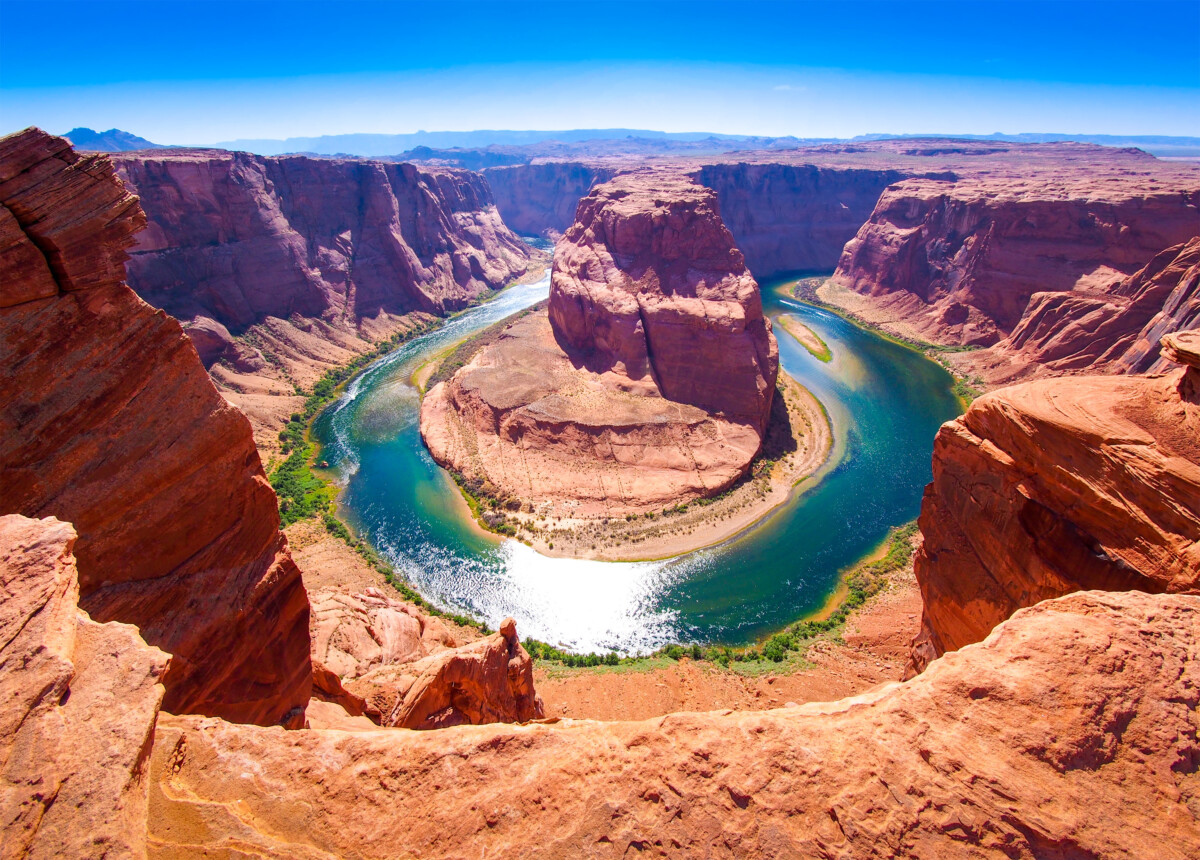
The United States is filled with stunning natural wonders, from the remote wilderness of Alaska to the dramatic volcanoes of Hawaii. But few sights can rival the epic majesty of the Grand Canyon.
This captivating geological marvel has thrilled us for centuries, making it a sure-fire bucket list destination for almost every traveler, dreamer, holidaymaker, and outdoor enthusiast.
Across its 1,904 square miles, there are hundreds of topographical attractions. Still, one of the most popular isn’t part of Grand Canyon National Park itself – although pictures often confuse it with it – but this travel guide shares tips for visiting and getting the most out of your experience.
About

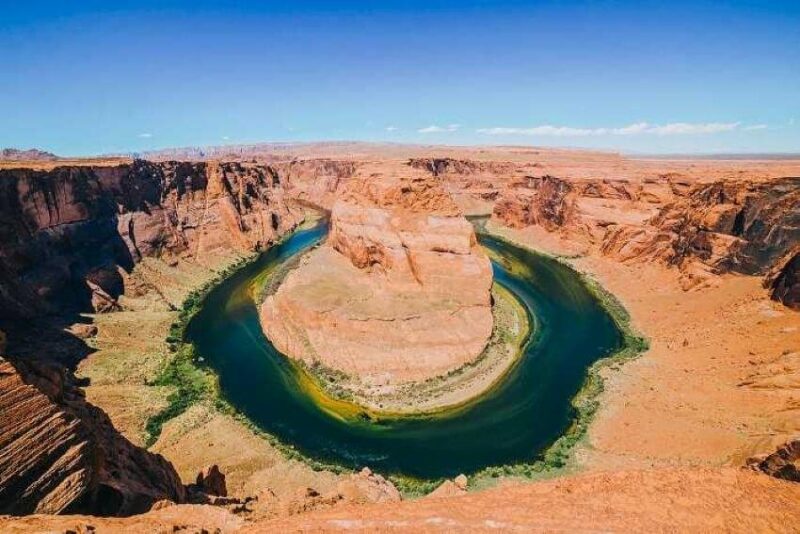
The beautiful Horseshoe Bend is located in Glen Canyon National Recreation Area, close to the east rim of the Grand Canyon in Arizona. Believing that this striking landform is part of the canyon is a common misconception.
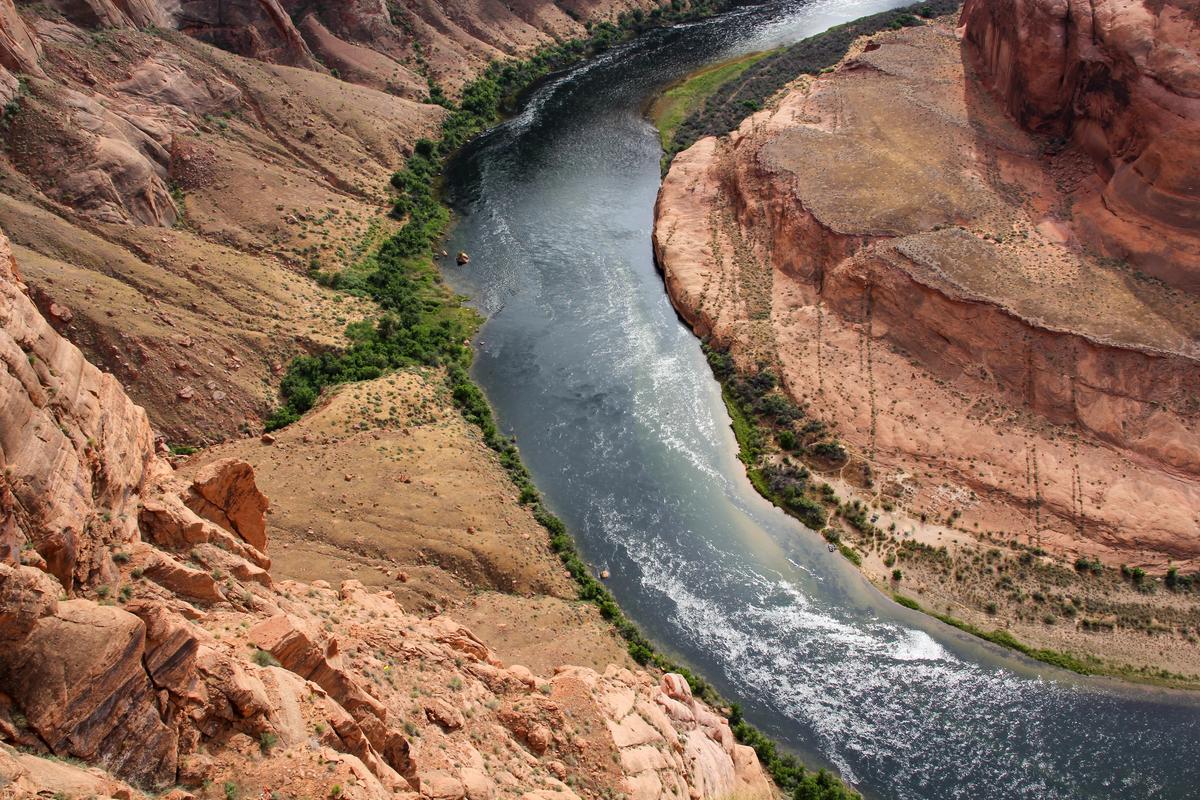
Cut by the Colorado River over millions of years, the Horseshoe Bend is probably the most famous meander in the world. Noted as one of the best things to do in Arizona, it attracts around two million visitors a year, which makes this region of Northern Arizona a hub of outdoor activity and recreation.
Image Gallery




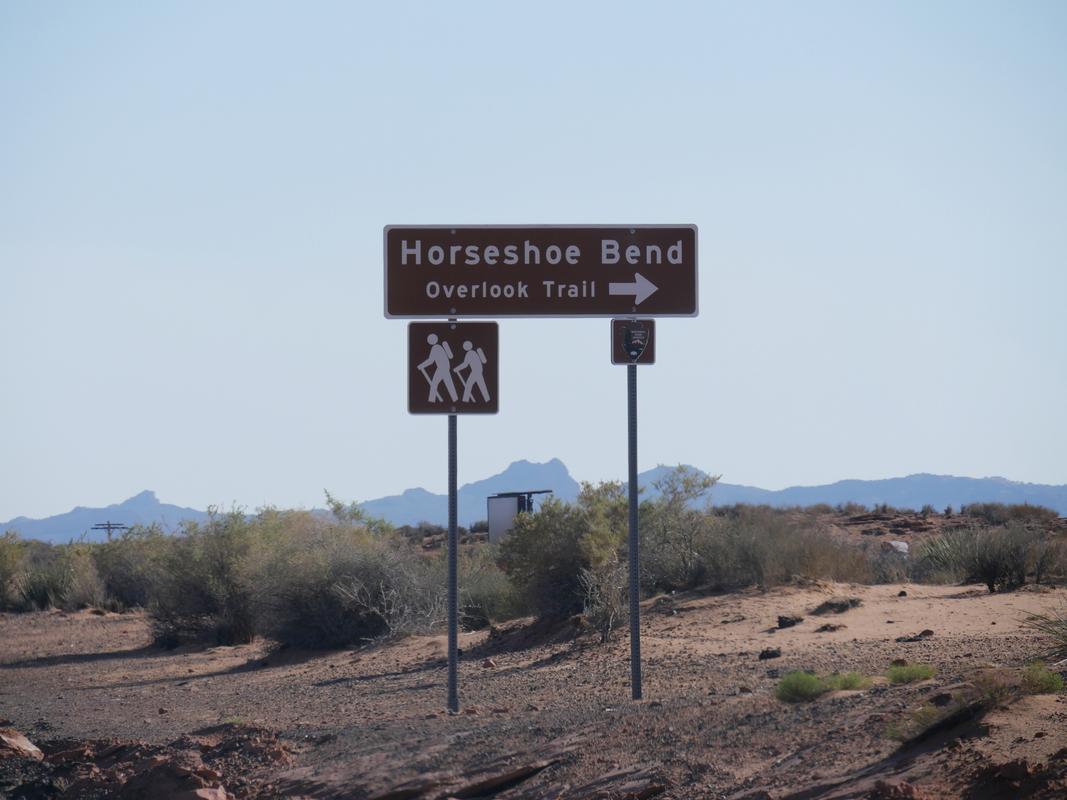
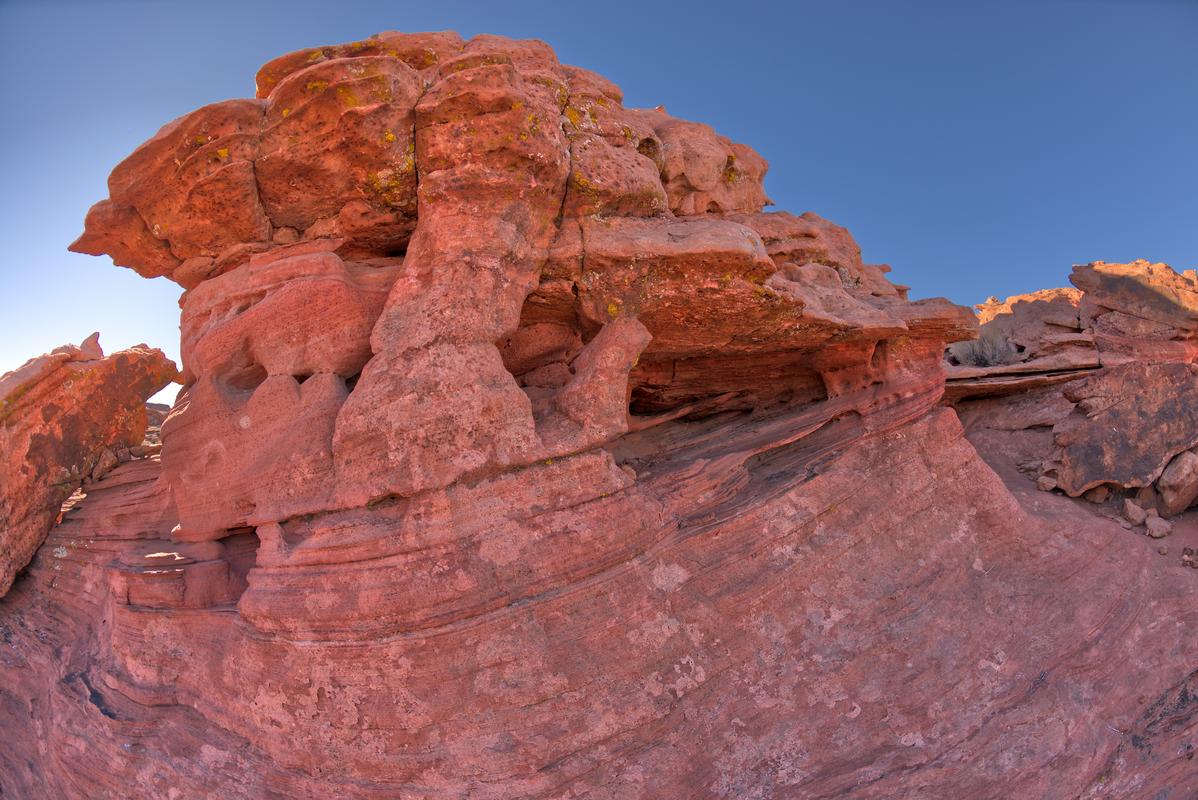
Interesting Facts

- The bend is about 4,200 feet (1,280 meters) wide and 1,000 feet (305 meters) deep.
- It comprises three rock layers: the bottom is a layer of Kaibab Limestone, the middle is a layer of Coconino Sandstone, and the top is a layer of Hermit Shale.
- The Colorado River flows from east to west and began to form the bend around six million years ago.
- Eventually, the Colorado River will take the path of least resistance and break through the neck of the bend to become an oxbow lake. Don’t worry, though, as it will still take a few thousand years to see it in its current form.
- It wasn’t always as popular as today (thanks, social media!).
Best Time to Visit
Glen Canyon National Recreation Area is open year-round, from sunrise to sunset. Most visitors come during the summer months and aim to arrive for the sunset hours, but it gets crowded.
One of the best vacation planning tips is to consider visiting popular tourist destinations during the shoulder seasons. Mid-to-late spring and early fall are perfect times to visit.
You can avoid the crowds in the early afternoon in high season, but be aware this is the hottest time, and you will miss out on that glorious sunrise or sunset snapshot.
My first choice would be a weekday evening in late September. You can visit in winter, but it can still get chilly, and snow is infrequent.
How to Get There
Horseshoe Bend is about 10 miles downstream of the Glen Canyon Dam and 140 miles from the Grand Canyon’s north rim. To get there, you have several options.
By Road
Take US Highway 89 out of the town to reach the overlook south of Page. You’ll arrive at the parking area in about 11 minutes.
A road trip from Las Vegas or Phoenix is one of the most popular ways to reach the bend. The drive is four to five hours from both cities. Salt Lake City is just under six hours away if you’re coming from Utah.
If you want to leave the car at home, shuttle bus services are available from Page, and tickets cost $5 per person. Flixbus and Greyhound offer routes from further afield.
By Air
Page Municipal is the closest airport, but most visitors will land at Harry Reid International in Las Vegas or Pheonix Sky Harbor. Try Skyscanner for flights.
By Rail
If you want to arrive by rail, the nearest national link is the Flagstaff Amtrak train station. From there, Horseshoe Bend is still over two hours drive away.
By Water
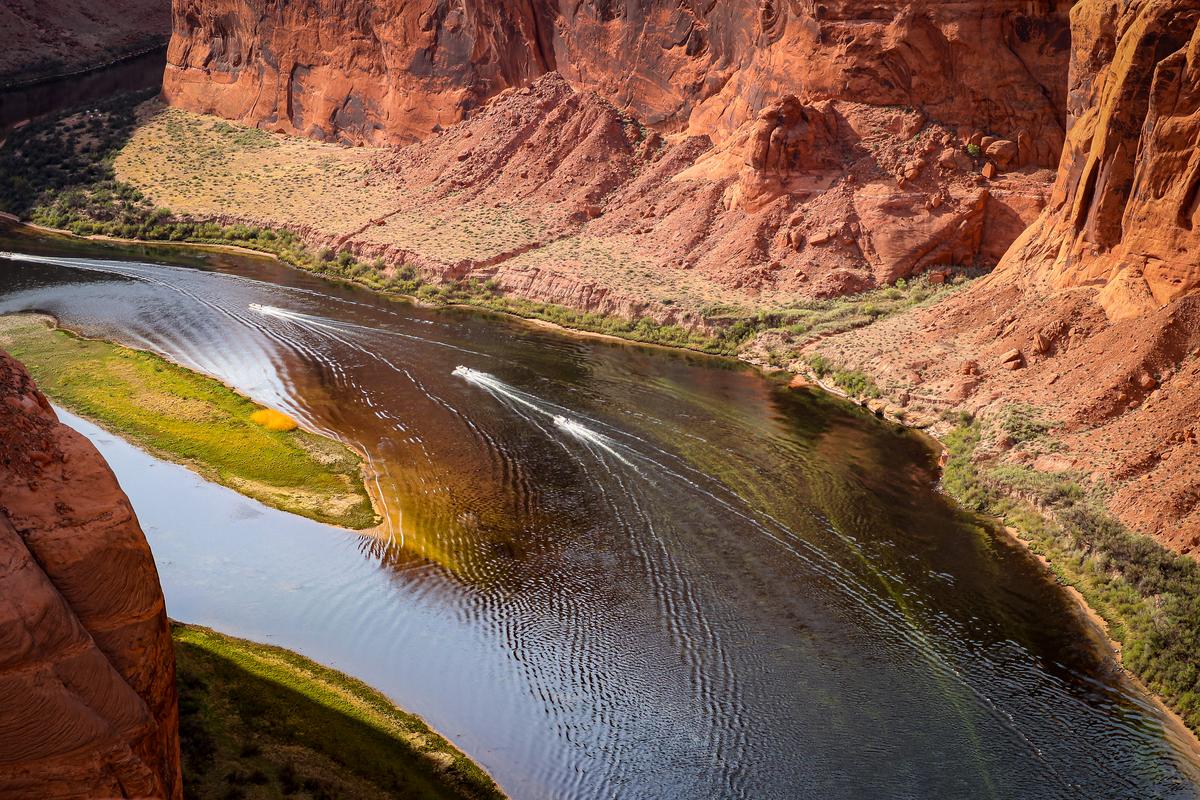
It is possible to reach the bend on the Colorado River. With class I rapids, this stretch of this mighty waterway is calm and suitable for paddlers of all skill levels. You can find more intense whitewater rafting elsewhere.
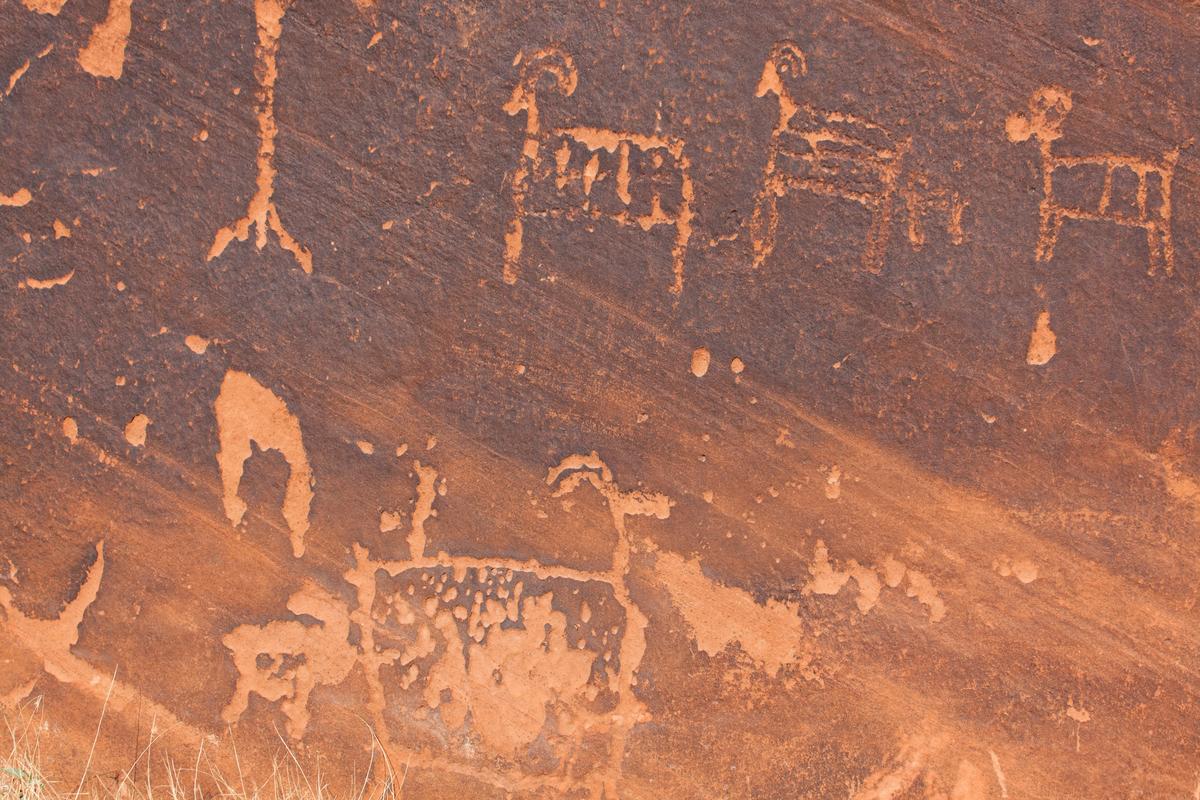
Kayaking, canoeing, and paddleboarding are popular activities. Guided tours are available (below), but Lees Ferry in Marble Canyon is a good place to put it in if you’re bringing your craft. It’s an easy paddle upstream to the historic Petroglyphs Beach, just beyond the bend.
Accessibility
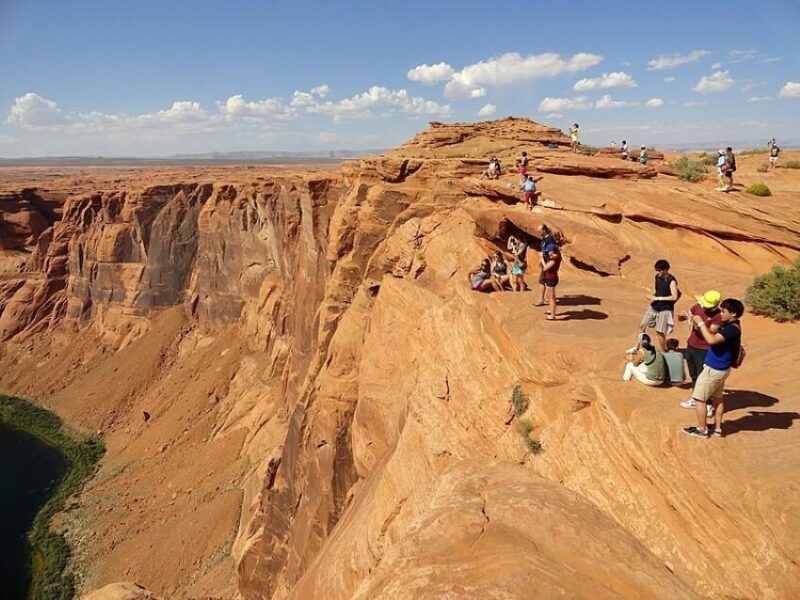
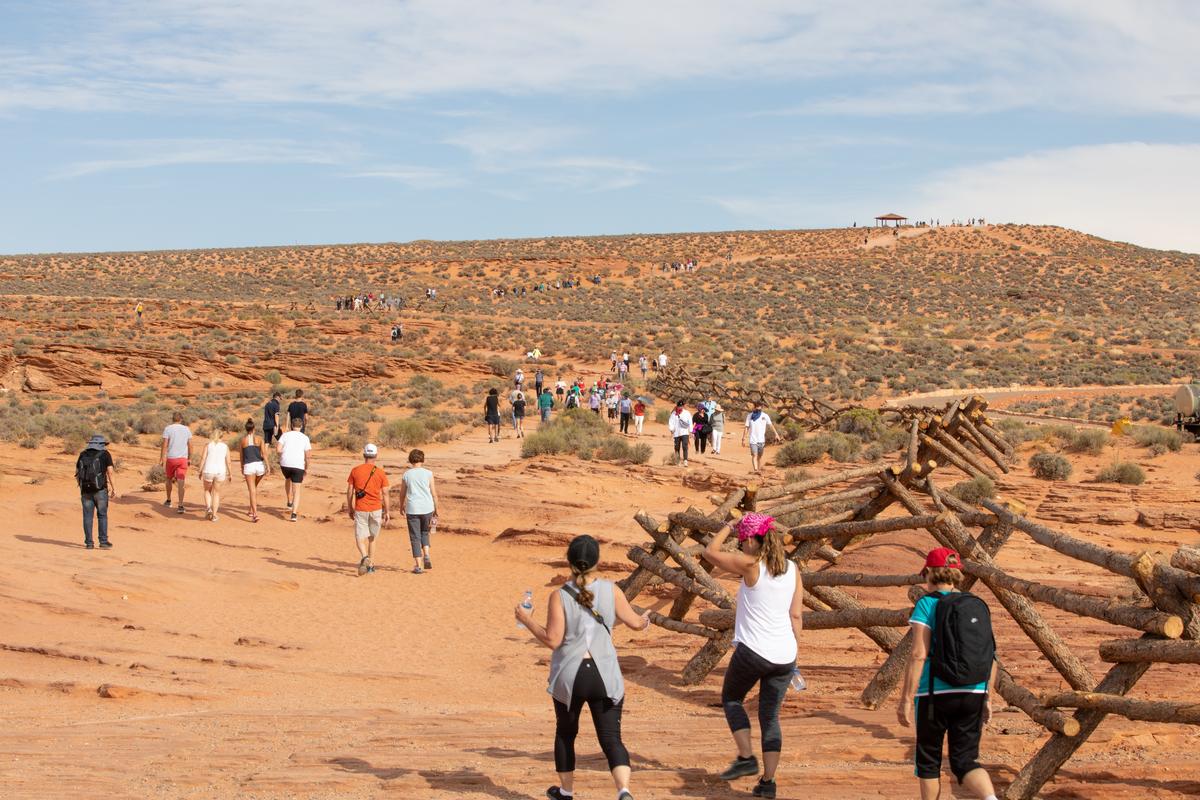
The trailhead starts at the parking lot, where it’s a short walk to the overlook’s viewing platform. The distance from the car park to the overlook rim and back is around 1.5 miles.
This trail is listed as accessible in the eyes of the Americans with Disabilities Act, but it might still be a challenge to the elderly or anyone with health issues. However, there is now an alternative route.
A newly renovated path is wheelchair and stroller accessible, with a more even surface and less gradient. It also features shade structures for escaping the sun and benches for breathing. The canyon walls are steep, and only limited areas have safety railings. Take care when approaching the edge.
Parking
The car park is large but will fill up during peak visiting times. On rare occasions, it can overflow, in which case it will close, and you will be advised to return it later.
Visiting will cost you $10 if you drive a car, SUV, truck, or motorhome. The fee for motorcyclists is $5; for large or commercial vehicles, the fee will be $35-$140, depending on capacity.
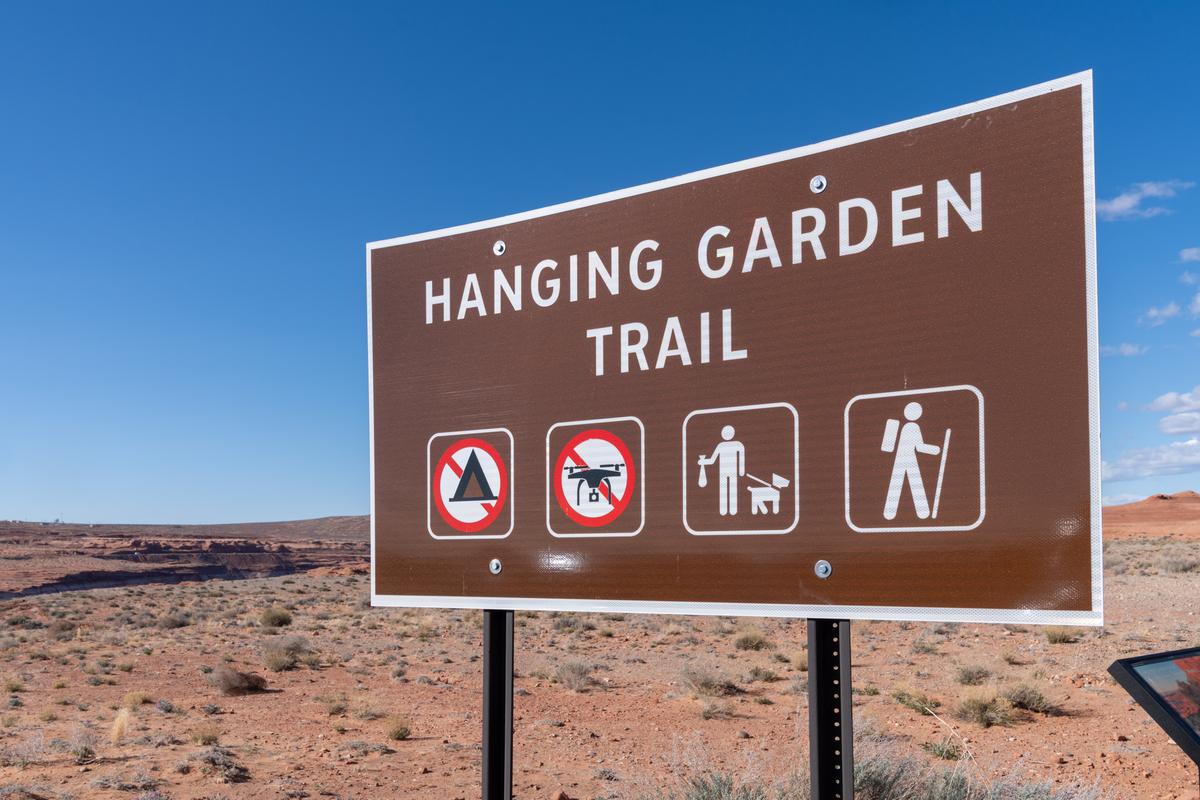
National park passes will not grant access to the parking lot; every vehicle must pay an entrance fee. Note that overnight parking is not allowed, and camping is strictly forbidden.
Pets
Dogs are allowed, provided they are kept on a leash no more than six feet long. Be mindful in summer, though – the scorching sand and rocks won’t be kind to their little paws.
Where to Stay Near Horseshoe Bend
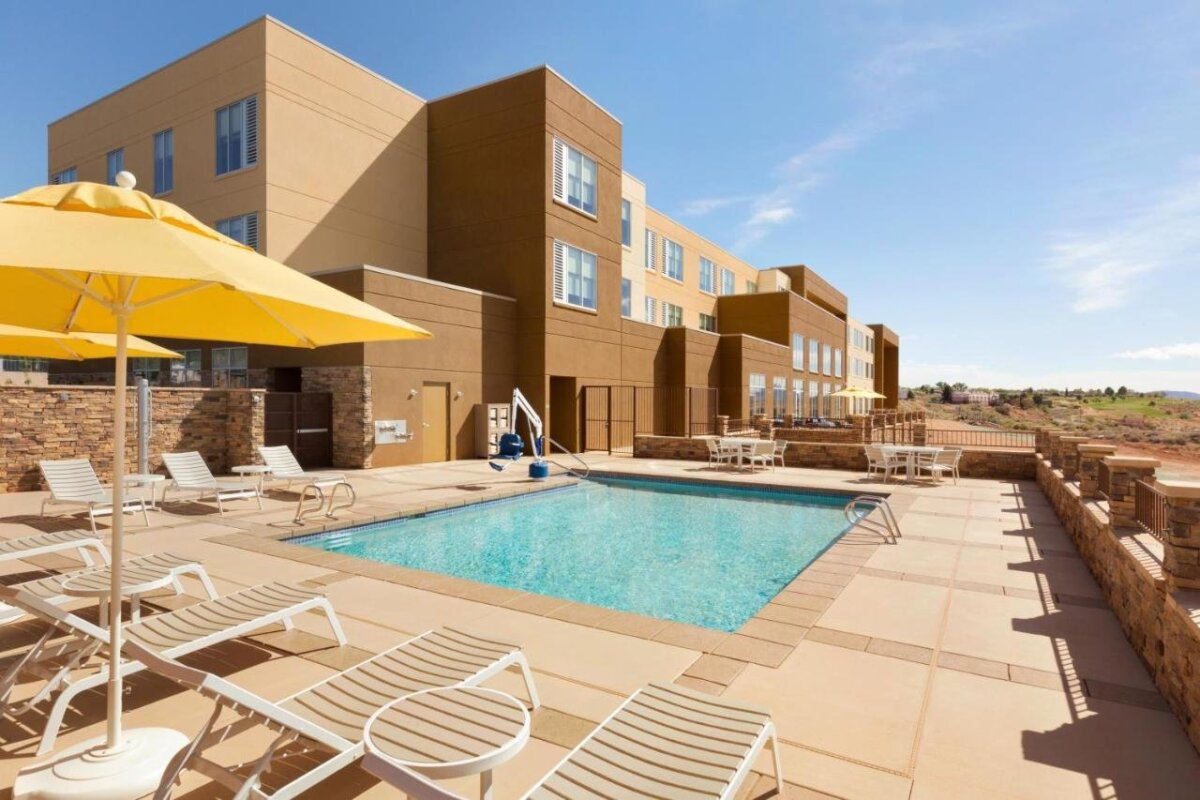
You’ll find plenty of accommodation options in Page, Arizona, just under five miles from the parking area. Hyatt Place (pictured) is one of the best hotels in Page, with an in-house restaurant serving traditional American fare. Try Canyon Colors if you’d prefer a cozy bed & breakfast.
The page is filled with vacation rentals, and the delightful Cowgirl Cabana must surely be one of the cutest. This three-bedroom home might be more suitable for families, as it is just three minutes away.
Camping is available in the area if you’re looking for budget-friendly accommodation. Try the Page Lake Powell Campground, which also features covered wagon glamping, as well as RV and tent spots.
Tour Options

If you don’t fancy getting there on your own, there are plenty of excellent guided tour options. Day trips from Las Vegas are extremely popular, and this one takes in Antelope Canyon and Lake Powell by way of Horseshoe Bend.
If you’re coming from Sedona or Flagstaff, try this tour instead. If you’ve already made it to Page, this secret Antelope Canyon and Horseshoe Bend tour will show you the less well-known spots in the region. For a different perspective, this helicopter tour departs from Page and boasts a stunning bird’ s-eye view of the landscape.
Travel Tips for Visiting

Stay Hydrated
The most popular time to visit is May through August. The heat can be extreme, so if you come in summer, bring plenty of water.
Since the National Park Service and City of Page Council don’t want anyone suffering from dehydration, bottled water can be purchased at the site. But it’s more economical and less wasteful to bring your own.
This Lifestraw water bottle with an onboard filtration system is an excellent choice. You could fill it up from the Colorado River and have instant clean drinking water.
Wear the Right Shoes
Although the trail is relatively straightforward, flip-flops are not recommended as suitable footwear. You’ll need something more supportive and comfortable to navigate the rocky terrain.
The sand can get scorching hot, with the sun’s rays all day. Wearing anything with open toes is a mistake. Your best bet is a good pair of lightweight hiking shoes like the Columbia Crestwood.
Wear Sun Protection
That big ball of fire in the sky gives us life, but it can just as easily take it away. Temperatures can reach the 80s in summer, and exposure is a genuine risk with little shade to speak of on the Horseshoe Bend Overlook Trail.
If you’re visiting during this time, I highly recommend you wear appropriate clothing with adequate sun protection. A good sunhat is essential, and exposed skin should be liberally slathered in sunscreen that’s over 50 SPF. Children and the elderly are particularly vulnerable, so double-check to ensure they’re properly protected.
Cotton holds sweat against the skin in this kind of heat, which is the whole argument for lightweight clothing for hot climates on an exposed rim walk.
Tips for Taking Pictures
This is one of the most photographed spots in the US, so you must ensure your travel photography game is in top shape to capture those stunning sunsets. Be sure to pack your wide-angle lens, as this is about as panoramic as it gets. Mercifully, drones are not allowed.
Travel Insurance
Consider travel insurance with VisitorsCoverage when exploring the Glen Canyon, Grand Canyon, and surrounding regions. It’s better to be safe than sorry.
Things to Do Near Horseshoe Bend
Antelope Canyon

Antelope Canyon is another bucket list destination and attracts even more visitors than Horseshoe Bend (around four million, annually). Probably the most famous slot canyon in the world, it’s a must-see if you’re in this part of the American Southwest.
You’ll find it less than a ten-minute drive from Page, Arizona. You can only visit the canyon with a tour guide, but that’s perfectly fine when they’re a local Navajo Indian. This admission ticket is all you need.
Stop by the Carl Hayden Visitor Center
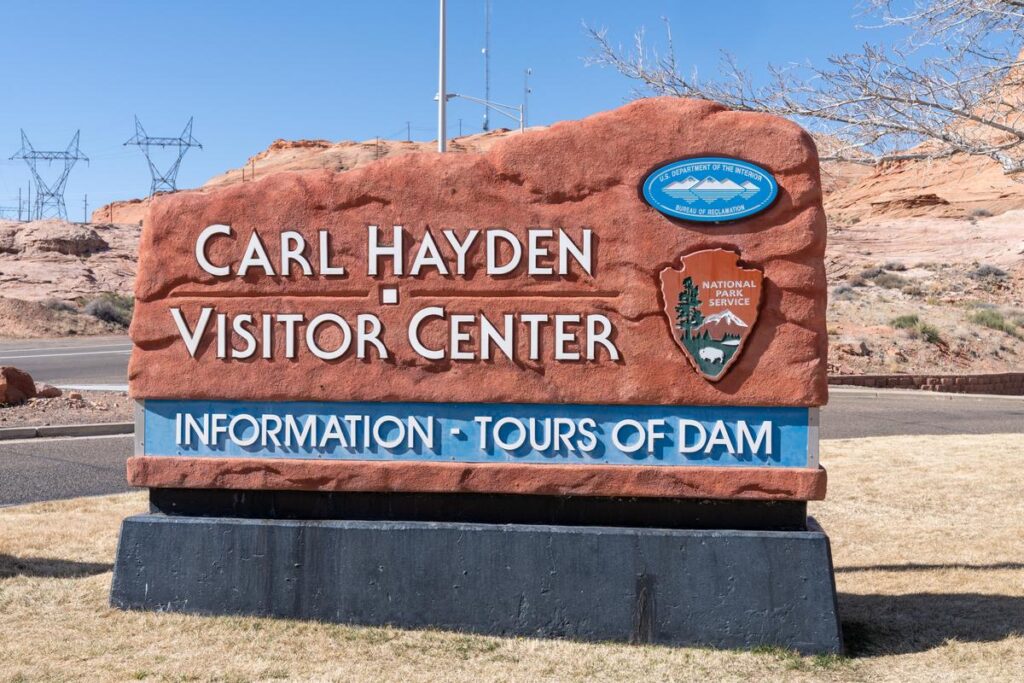
And don’t miss the Carl Hayden Visitor Center in Page, where you can learn about all the Glen Canyon National Recreation Area attractions.
Grand Canyon National Park

FAQs
How was Horseshoe Bend formed?
Horseshoe Bend began to form around six million years ago. Tectonic plate movements raised the area, and the Colorado River began to erode the landscape, sharply creating a dramatic sandstone escarpment.
Where does the water come from in Horseshoe Bend?
The Colorado River, flowing from the Rocky Mountains of Colorado to the Gulf of California, makes this famous landmark what it is.
Related Resources