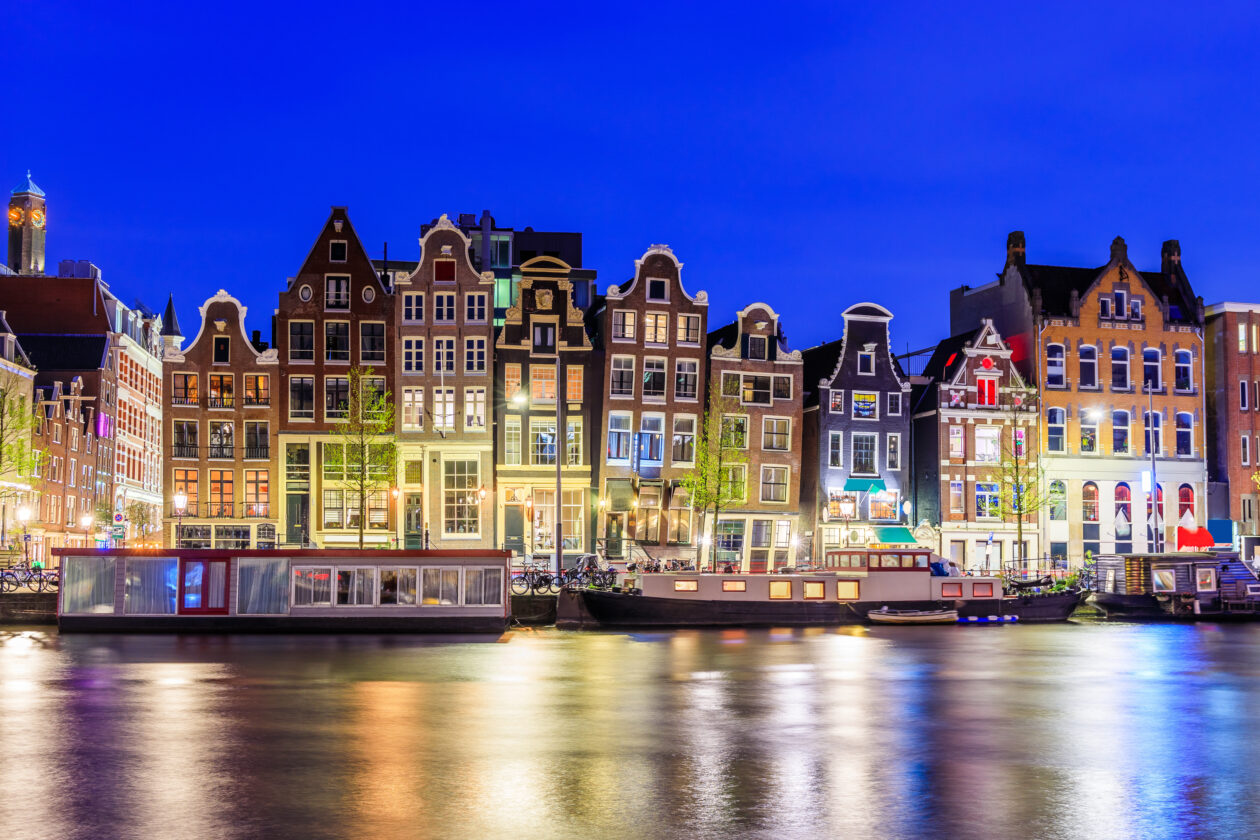
De Pijp is a densely built late-19th-century neighbourhood in Amsterdam-Zuid, developed to house the city’s working class and now one of its most multicultural and gastronomically diverse districts. Its grid of narrow streets runs between the Singelgracht and the Boerenwetering canals, with the Albert Cuypmarkt as the commercial and social spine. The area draws a mix of long-term Surinamese, Moroccan, and Dutch residents alongside students and internationals.
What is De Pijp known for?
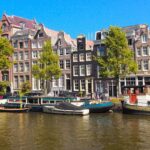
De Pijp is best known for the Albert Cuypmarkt, one of Europe’s largest daily outdoor markets, stretching roughly 300 stalls along Albert Cuypstraat between Ferdinand Bolstraat and Van Woustraat, selling stroopwafels, raw herring, textiles, and produce six days a week. The neighbourhood also has a high density of brown cafés, Surinamese snack bars serving roti and bara, and independent coffee roasters such as Bocca Coffee on Keizersgracht nearby. Its 19th-century architecture of narrow brick façades and wrought-iron balconies lines streets like Gerard Doustraat and Govert Flinckstraat.
Best things to do in De Pijp
Spending a morning at the Albert Cuypmarkt sampling Dutch street food, then walking south to Sarphatipark for a sit in the neighbourhood’s main green square, covers the two essential De Pijp experiences in under two hours. Other concrete activities include:
- Browse the stalls at the Albert Cuypmarkt for stroopwafels, poffertjes, and fresh stroopwafels made to order
- Walk the length of Gerard Doustraat to survey its concentration of independent restaurants and specialty food shops
- Visit Sarphatipark, the Victorian-era landscaped park at the southern end of the neighbourhood
- Explore Govert Flinckstraat, known locally for its Surinamese and Turkish bakeries and grocery shops
- Stop at one of the traditional brown cafés on Ferdinand Bolstraat for Dutch jenever or a draught Heineken
Where to eat in De Pijp
De Pijp offers one of Amsterdam’s most concentrated and diverse eating scenes, with Surinamese roti shops on Govert Flinckstraat, Indonesian rijsttafel restaurants, Dutch stamppot cafés, and modern European bistros all within a few streets of each other. Standout options include Warung Marlon on De Clercqstraat area for Surinamese food, and multiple shawarma and falafel counters along Albert Cuypstraat itself. The streets immediately north of the market around Gerard Doustraat have a higher density of sit-down restaurants, wine bars, and specialty coffee shops per block than almost anywhere else in Amsterdam.
How to get to De Pijp
The most direct public transport connection to De Pijp is metro line 52 (Noord/Zuidlijn), with De Pijp station on Ferdinand Bolstraat placing riders at the heart of the neighbourhood in under five minutes from Amsterdam Centraal. Tram line 24 also runs along Ferdinand Bolstraat, and tram line 4 serves Stadhouderskade on the northern boundary. Cyclists can reach De Pijp from the Rijksmuseum or Leidseplein in under ten minutes via the Singelgracht cycle path.
Where to walk in De Pijp
The most rewarding walk in De Pijp begins at the Heineken Experience on Stadhouderskade, proceeds south along Ferdinand Bolstraat through the full length of the Albert Cuypmarkt, then turns onto Gerard Doustraat before ending at Sarphatipark for a rest among locals. A second route follows the Boerenwetering canal path southward from the market, offering quiet waterside views away from the busiest streets, then loops back through Govert Flinckstraat past its mix of independent food shops.
Best time to visit De Pijp
Tuesday through Saturday mornings between 9 a.m. and 1 p.m. are the optimal time to visit De Pijp, as the Albert Cuypmarkt is fully operational and the streets are active without the peak-weekend crowding that sets in by early afternoon in summer. The market is closed on Sundays; Monday hours are limited. Spring and early autumn offer the best balance of daylight, mild temperatures, and manageable tourist volumes compared with July and August.