Haut-Marais occupies the northern part of the Marais district, largely within Paris’s 3rd arrondissement, stretching from the Rue de Bretagne down toward the historic core near the Place des Vosges. The neighborhood blends 17th-century hôtels particuliers with a thriving contemporary art scene, artisan food shops, and some of the city’s most-visited independent fashion boutiques. It draws a mix of Parisian locals doing weekend market runs and international visitors exploring beyond the well-trodden museum circuit.
What is Haut-Marais known for?
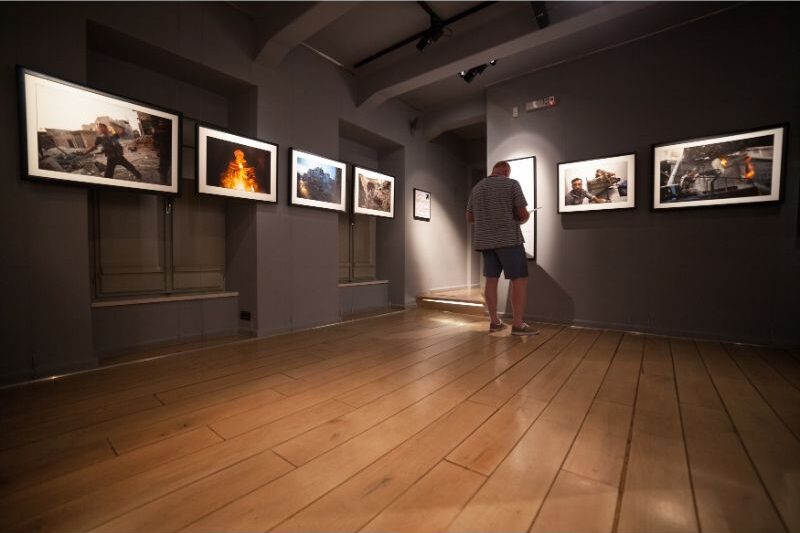
Haut-Marais is best known for its high density of contemporary art galleries concentrated along Rue de Bretagne, Rue Charlot, and Rue du Perche, making it one of the most active gallery districts in Paris, alongside the Carreau du Temple, a restored 19th-century iron-and-glass market hall that hosts food markets, sport classes, and cultural events throughout the week. The area is also recognized for its independent fashion and design boutiques, which occupy the ground floors of historic stone buildings throughout the district.
- Contemporary art galleries on Rue Charlot and Rue du Perche
- Carreau du Temple covered market hall, built in 1863
- Independent fashion boutiques along Rue de Bretagne and Rue Vieille-du-Temple
- Historic hôtels particuliers dating to the 17th century
Best things to do in Haut-Marais
The most rewarding activities in Haut-Marais involve gallery-hopping along Rue Charlot on a weekday afternoon when most spaces are open, browsing the daily food stalls at the Marché des Enfants Rouges on Rue de Bretagne — the oldest covered market in Paris, dating to 1615 — and walking the quieter residential streets such as Rue Saintonge and Rue de Poitou to see carved façades and iron balconies. Visitors can also attend events at the Carreau du Temple or explore the Archives Nationales courtyard on Rue des Francs-Bourgeois.
- Gallery-hopping on Rue Charlot and Rue du Perche
- Shopping at the Marché des Enfants Rouges on Rue de Bretagne
- Strolling Rue Saintonge and Rue de Poitou for architecture
- Visiting the Carreau du Temple for markets and events
Where to eat in Haut-Marais
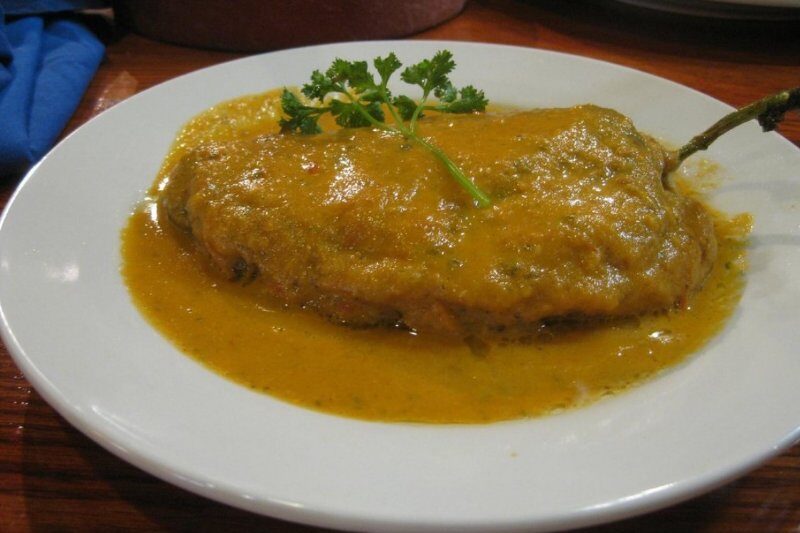
Haut-Marais offers a genuine cross-section of Parisian eating, from Moroccan and Lebanese cooked dishes sold directly at the Marché des Enfants Rouges stalls to natural-wine bars and modern French bistros on Rue de Bretagne and the surrounding streets. The market’s covered stalls serve sit-down lunch plates including couscous, Japanese bento, and crêpes, making it a practical and atmospheric midday stop. Several well-regarded bakeries and cheese shops line Rue de Bretagne for self-assembled picnic provisions.
- Marché des Enfants Rouges stalls for multicultural lunch plates
- Natural wine bars and bistros along Rue de Bretagne
- Artisan bakeries and fromageries for picnic supplies
How to get to Haut-Marais
Haut-Marais is served directly by Paris Métro Line 8 at Filles du Calvaire station and by Line 3 at Temple station, both of which deposit visitors within a short walk of the Carreau du Temple and Rue de Bretagne. Métro Line 11 at Arts et Métiers also provides access from the eastern side, and several bus lines including the 75 and 96 run through the neighborhood. The area is fully bikeable via Vélib’ stations on Rue de Bretagne and Rue du Temple.
- Métro Line 8 — Filles du Calvaire station
- Métro Line 3 — Temple station
- Métro Line 11 — Arts et Métiers station
- Vélib’ bike-share stations on Rue de Bretagne
Where to walk in Haut-Marais
The most rewarding walking circuit in Haut-Marais runs from the Carreau du Temple south along Rue de Bretagne to the Marché des Enfants Rouges, then east on Rue Charlot past gallery storefronts, south on Rue du Perche into the quieter residential grid, and west through Rue Saintonge back toward Place de la République. This loop of roughly two kilometers captures the market life, gallery culture, and architectural texture of the district without retracing steps.
Best time to visit Haut-Marais
Saturday and Sunday mornings between 9 a.m. and 1 p.m. are the most lively times to visit, when the Marché des Enfants Rouges fills with locals and the Carreau du Temple hosts its weekend markets, while Thursday and Friday afternoons are optimal for gallery visits since most spaces are open and uncrowded. August sees reduced gallery schedules as many close for summer, and Monday is the quietest day with the fewest shops and markets operating.