Le Marais occupies the 3rd and 4th arrondissements on the Right Bank of Paris, stretching from the Centre Pompidou in the west to the Place de la Bastille in the east. The neighborhood preserves some of the finest hôtels particuliers in France alongside a living Jewish Quarter, a thriving LGBTQ+ district, and dozens of contemporary art galleries. Few Paris neighborhoods pack as much architectural, cultural, and culinary variety into a walkable area.
What is Le Marais known for?
Le Marais is known above all for its intact 16th- and 17th-century aristocratic townhouses, its anchor square the Place des Vosges—Paris’s oldest planned square, completed in 1612—and for hosting the Musée Picasso, the Musée Carnavalet (dedicated to the history of Paris), and the Centre Pompidou on its western edge. The neighbourhood is also internationally recognized as the center of Parisian Jewish life, concentrated along rue des Rosiers, and as the city’s primary LGBTQ+ district around rue Sainte-Croix-de-la-Bretonnerie.
Best things to do in Le Marais
The single most rewarding activity is walking the network of medieval streets—rue des Francs-Bourgeois, rue Vieille-du-Temple, rue des Archives—to observe intact Renaissance and Louis XIII architecture. Beyond street-level exploration, key activities include:
- Visiting the Musée Picasso Paris on rue de Thorigny, which holds one of the world’s largest Picasso collections
- Exploring the Musée Carnavalet on rue de Sévigné for free permanent collections covering Parisian history from prehistory to the 20th century
- Sitting or strolling in the Place des Vosges arcades, where Victor Hugo’s former residence is now a free museum
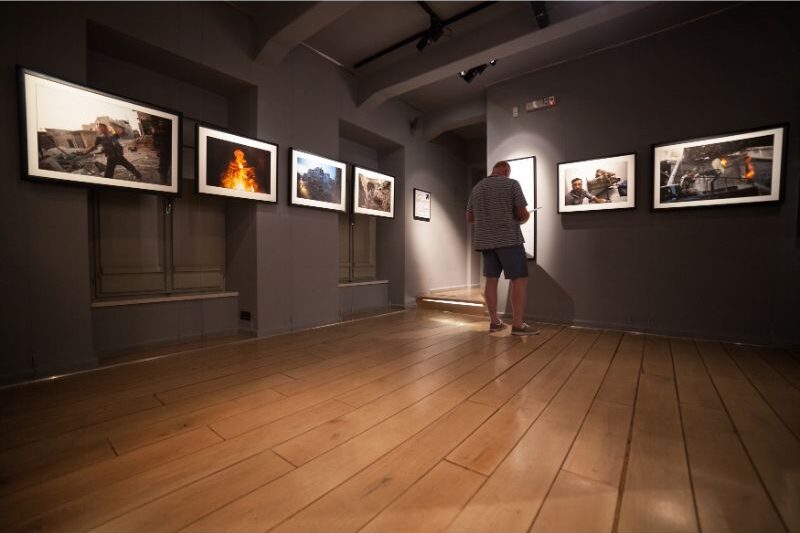
- Browsing the contemporary galleries concentrated on rue Debelleyme and around the Haut Marais
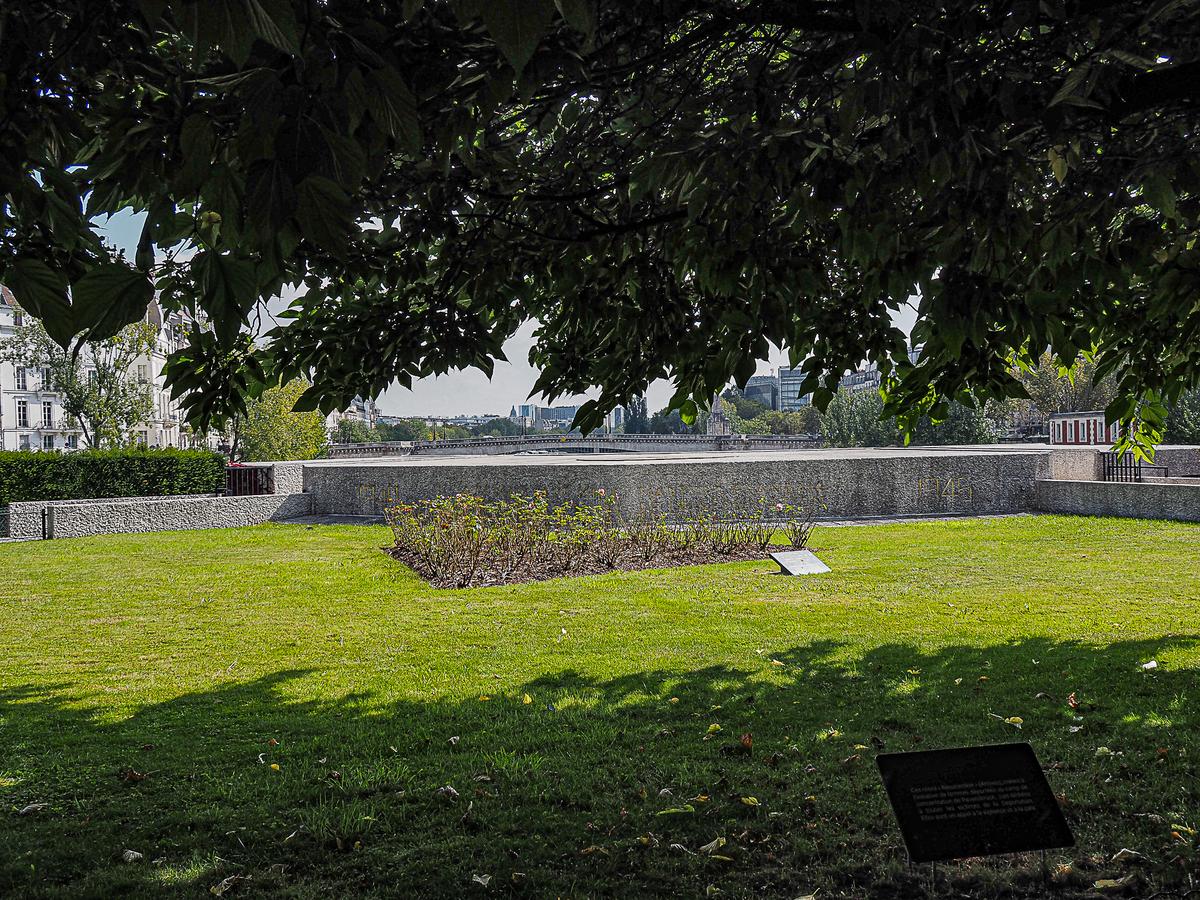
- Visiting the Mémorial de la Shoah on rue Geoffroy-l’Asnier, a major Holocaust memorial and research center
Where to eat in Le Marais
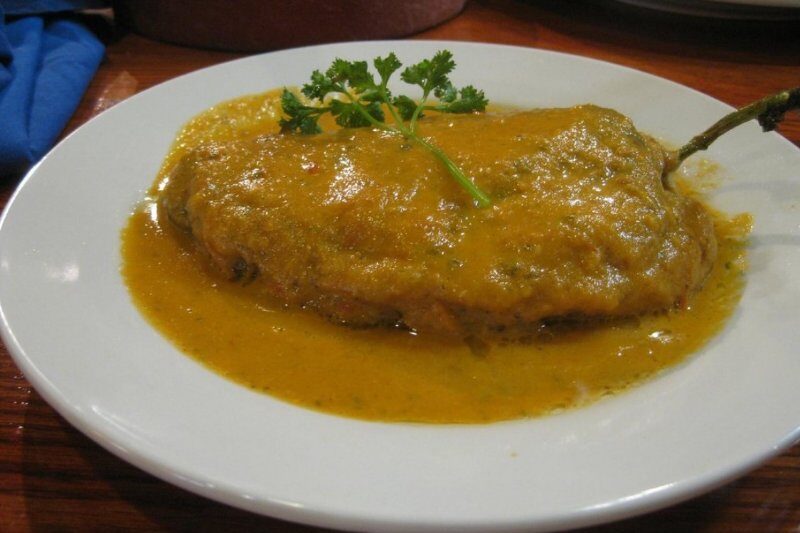
Le Marais offers one of Paris’s most concentrated and diverse dining scenes, anchored by the historic Jewish bakeries and delis of rue des Rosiers, where L’As du Fallafel has served falafel since the 1970s and Sacha Finkelsztajn’s Yiddish bakery has operated since 1946. The broader neighborhood supports French bistros on rue de Bretagne near the Marché des Enfants Rouges—Paris’s oldest covered market, dating to 1615—alongside natural-wine bars, contemporary French restaurants, and international options throughout the Haut Marais. The Marché des Enfants Rouges on rue de Bretagne itself offers cooked dishes from French, Moroccan, Japanese, and Antillean stalls.
Where to walk in Le Marais
The essential walking route begins at the Centre Pompidou on Place Georges-Pompidou, heads east along rue Rambuteau, turns south down rue des Archives, reaches Place des Vosges via rue des Francs-Bourgeois, then continues west through the Jewish Quarter on rue des Rosiers before looping back north along rue Vieille-du-Temple through the gallery district. A secondary route through the Haut Marais starts at Square du Temple, proceeds down rue de Bretagne to the Marché des Enfants Rouges, then wanders east through rue Debelleyme and rue Charlot past private galleries and independent boutiques.
How to get to Le Marais
Le Marais is served by several Métro stations making it highly accessible from across Paris: Saint-Paul (line 1) deposits visitors directly into the heart of the 4th arrondissement near rue de Rivoli and rue des Rosiers; Chemin Vert and Saint-Sébastien–Froissart (both line 8) access the 3rd arrondissement; and Rambuteau (line 11) sits steps from the Centre Pompidou. Hôtel de Ville (lines 1 and 11) provides access to the southwestern edge near the Seine.
Best time to visit Le Marais
Le Marais rewards visits on weekday mornings when museums open and the medieval streets are quietest, though the neighborhood is lively and functional seven days a week—notably, many shops stay open on Sundays, which is rare in Paris, particularly along rue des Francs-Bourgeois. Spring and early autumn bring the most comfortable walking temperatures; summer evenings animate the Place des Vosges and café terraces well into the night.