MenuClose

A place worth knowing

Bourbon St

Nightlife · Street in LouisianaUpdated

  • Google rating4.2/5 (1,460 reviews)
  • Typical visit2-4 hours, or longer if exploring multiple venues or during peak nightlife.
  • EntranceFree
  • Today (Monday)Open 24 hours
  • Typical visit2-4 hours, or longer if exploring multiple venues or during peak nightlife.
  • EntranceFree
  • Google rating4.2/5 1,460 reviews
Opening hours all week
Monday
Open 24 hours
Tuesday
Open 24 hours
Wednesday
Open 24 hours
Thursday
Open 24 hours
Friday
Open 24 hours
Saturday
Open 24 hours
Sunday
Open 24 hours
Rating breakdown
  • 5 stars1,010
  • 4 stars222
  • 3 stars128
  • 2 stars45
  • 1 star55

Based on 1,460 Google reviews and 4,797 photos.

The short answer

Why it matters

The French Quarter's notorious neon-lit party strip, 13 blocks of go-cups, live music venues, and balcony bars in continuous celebration since the 1700s

Bourbon Street pulses as New Orleans’ most iconic entertainment corridor, where jazz rhythms spill from historic clubs and the spirit of celebration never sleeps. This legendary thoroughfare in the French Quarter embodies the city’s vibrant soul through live music venues, historic bars, and authentic Creole culture that has captivated visitors for over two centuries. The street’s energy peaks during Mardi Gras when elaborate floats and masked revelers transform the historic cobblestones into a carnival paradise. Traditional jazz clubs like Preservation Hall showcase the musical genius that was born in New Orleans, while modern venues blend contemporary sounds with the city’s rich musical heritage. Historic establishments such as Pat O’Brien’s and The Famous Door have served legendary musicians and visitors since the early 1900s, each maintaining unique traditions and stories. The architecture tells New Orleans’ story through ornate ironwork balconies, Creole cottages, and grand establishments that survived hurricanes and centuries of celebration. Local street performers, from jazz musicians to tap dancers, create spontaneous entertainment that captures the improvisational spirit of New Orleans culture. Whether seeking authentic jazz, historic cocktails, or the infectious energy of Southern hospitality, Bourbon Street offers an unfiltered experience of America’s most culturally rich city.

Cultural Context

Legendary epicenter of New Orleans’ vibrant cultural life, representing the birthplace and ongoing evolution of American jazz music and the unique Creole cultural fusion that defines Louisiana. The street embodies the spirit of constant celebration, musical innovation, and cultural diversity that emerged from the intersection of French, Spanish, African, and Caribbean influences, serving as both a living museum of American musical heritage and a dynamic center of contemporary entertainment.

Historical Context

Named Rue Bourbon in 1721 by French engineer Adrien de Pauger after the ruling French royal family, the street evolved from a desirable residential area into the entertainment hub following the establishment of the adjacent Storyville red-light district in the late 1800s. This transformation coincided with the birth of jazz music, as legendary musicians like King Oliver and Jelly Roll Morton performed in the brothels and clubs, establishing the street’s eternal connection to American musical innovation.

Context

Story and significance

About

None {}

Historical significance

Bourbon Street is historically significant as a locus of New Orleans’s evolving public life, nightlife, and cultural commodification, illustrating how historic urban fabric becomes a stage for modern tourism and celebration. It also preserves architectural forms and urban patterns that reflect the city’s colonial and 19th-century development.

Historical context

Originally part of the French Quarter’s street plan, the street evolved from a residential and commercial thoroughfare in the 18th and 19th centuries into a 20th-century center for nightlife and tourism. Its transformation reflects broader shifts in urban economics, entertainment culture, and the city’s tourism industry.

Cultural context

Bourbon Street is a concentrated entertainment corridor in the French Quarter known for late-night nightlife, live music, and Mardi Gras revelry; it draws visitors looking for a high-energy, tourist-oriented experience. For locals, parts of Bourbon Street represent the city’s commercialized entertainment sector, while other sections retain music clubs and cultural venues.

Architecture

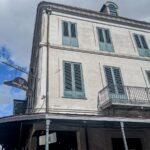
Bourbon Street is lined with characteristic French Quarter buildings: narrow, multi-story masonry structures with wrought-iron balconies, galleries and street-level businesses adapted for entertainment. The continuous arcade-like façades and balcony culture create an intimate streetscape that accommodates crowds and outdoor performance.

Local significance

Bourbon Street is a social and entertainment artery that many locals regard ambivalently: it’s central to the city’s nightlife economy but not representative of everyday residential life. For residents who work in hospitality it’s an essential source of jobs and tips; for others it’s a noisy, tourist-oriented corridor that contrasts with quieter neighborhood culture. Despite mixed feelings, Bourbon Street remains a visible symbol of New Orleans’ reputation for late-night music, parades and revelry that shapes how outsiders see the city.

Updated Data: Editorial research · Google Places ratings · Verified coordinates