Muffalettas, po' boys & other Creole staples in a circa-1914 house with a palm-filled courtyard.
- Universal Appeal and Cultural Authenticity
- Emphasizes New Orleans’ rich culinary tradition through local dishes like muffaletta, gumbo, and jambalaya.
- Interior design with Napoleon-themed decor adds a distinctive cultural touch, enhancing the local vibe.
- Customer interactions praise the authenticity of the food and ambiance, which stay true to the local culture.
- Cultural Richness and Educational Value
- Offers insight into New Orleans’ history and culture through its storied location and menu.
- Hints of historical narratives about the French Quarter and even whispers about being haunted add an educational layer.
- The setting provides an engaging backdrop for learning about the city’s past.
- Preservation and Integrity
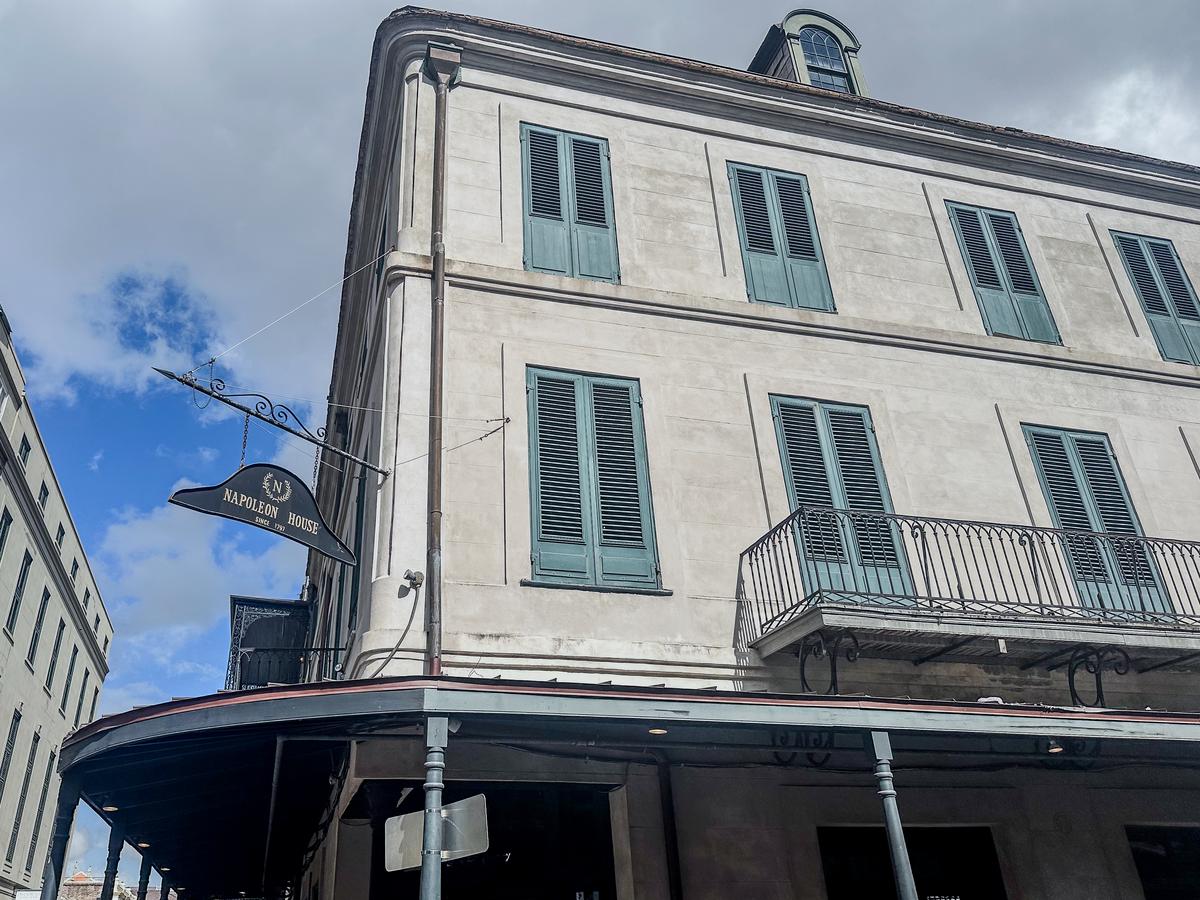
- Located in a historic building, maintaining a vital piece of New Orleans’ architectural heritage.
- Some reviews highlight minor issues with specificity in service, but the overall historical integrity remains intact.
- Efforts to keep local traditions alive through food and decor are evident.
- Accessibility and Visitor Engagement
- Generally, positive reviews indicate good accessibility, though occasional small service issues exist that need to be addressed, such as misunderstanding ADA regulations.
- Diverse menu options and interactive decor create an engaging experience for many visitors.
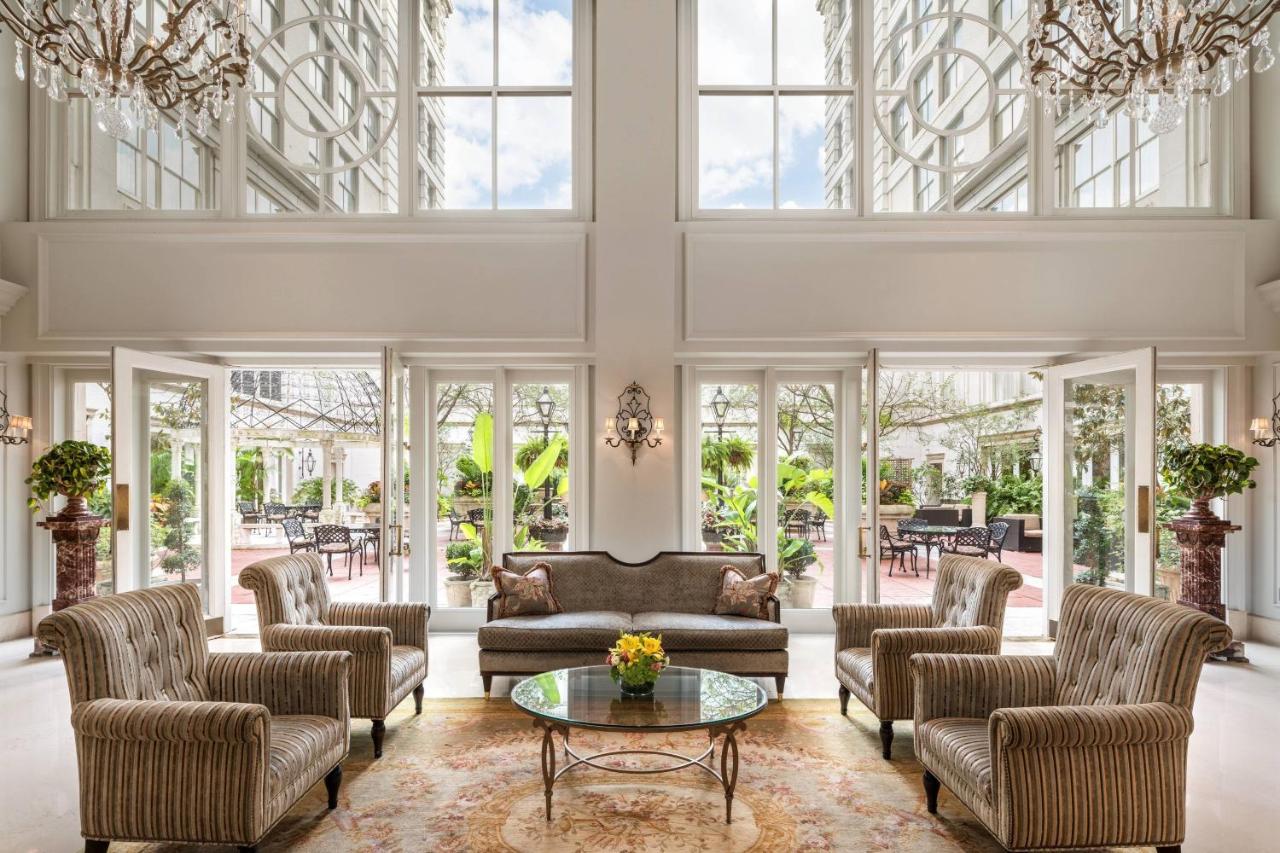
- Courtyard and historic architecture provide additional spaces for visitor interaction and enjoyment.
History and Significance
Napoleon House has been a New Orleans icon for over 200 years. Built-in 1794, this French Quarter gem got its name from a curious bit of local lore.
Legend has it that the building’s owner, Nicolas Girod, planned to offer it as a refuge for Napoleon Bonaparte after his exile. While the emperor never made it, the name stuck.
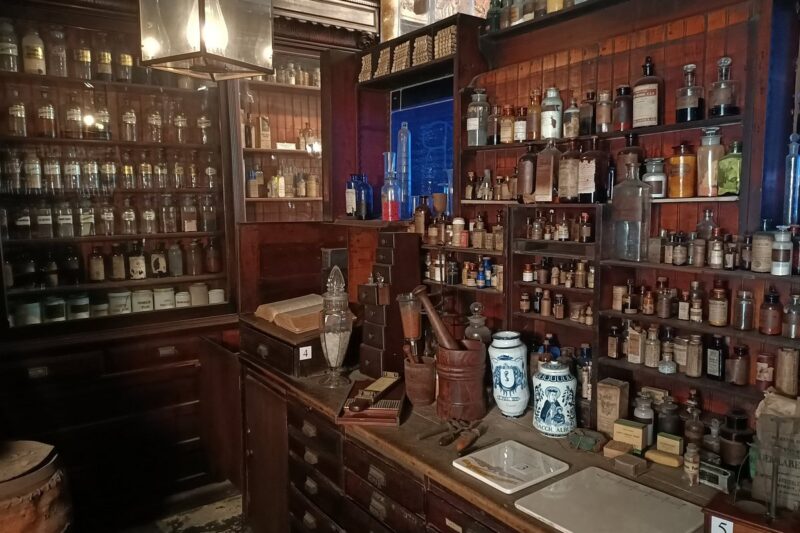
You’ll feel the history as soon as you step inside. The weathered walls and patina surfaces tell stories of centuries gone by.
In the early 1900s, it transformed into the beloved restaurant and bar you see today.
For over a century, Napoleon House was run by the Impastato family. They kept its old-world charm alive, making it a go-to spot for locals and tourists. In 2015, local restaurateur Ralph Brennan took over, promising to preserve its unique character.
As you sip your Pimm’s Cup, take a moment to soak in the atmosphere. The portraits of Napoleon and bits of memorabilia scattered around remind you of the building’s
fascinating past. It’s more than just a bar – it’s a living piece of New Orleans history.
Main Attractions and Activities
When you step into Napoleon House, you’re transported to another era. The peeling paint and creaky wooden furniture give it an irresistible charm. Don’t miss the chance to sip their famous Pimm’s Cup cocktail – it’s refreshing and perfect for beating the New Orleans heat.
Make sure to check out the old portraits adorning the walls. You might swear their eyes are following you! It’s all part of the spooky yet fun atmosphere. The food is a must-try, too. Grab a muffuletta sandwich and savor the flavors of New Orleans. It’s big enough to share, but you might not want to!
As you
explore, take in the building’s rich history. Napoleon himself was supposed to live here (hence the name). While that never happened, you can feel like royalty as you relax in this 200-year-old landmark.
Don’t forget to people-watch from the courtyard. It’s a great spot to soak up the French Quarter vibe and maybe make new friends.
Visitor Experience
As you step into Napoleon House, you’re transported to another era. The peeling paint and creaky wooden furniture give it an old-world charm that’s hard to resist. You’ll feel like you’ve stumbled upon a hidden gem in the French Quarter.
The ambiance is cozy and intimate, perfect for sipping a Pimm’s Cup or savoring their famous muffuletta. It can get crowded on busy nights, which adds to the lively atmosphere. The staff is friendly and knowledgeable, always happy to share stories about the building’s fascinating history. Don’t be shy—ask them about the Napoleon connection!
For a unique experience, grab a seat by the window and people-watch as the world goes by outside. Or head to the courtyard for a quieter spot to relax. Be sure to check out the old portraits on the walls – legend has it their eyes follow you around the room. Spooky or cool? You decide!
Tips for Visitors
Planning your trip to Napoleon House? Here’s what you need to know!
The
best time to visit is weekday afternoons when it’s less crowded. You’ll have a better chance of snagging a table and soaking in the ambiance. The dress is casual, but throw on some comfy shoes – you’ll walk a lot in the French Quarter.
No tickets are needed here! Just show up and grab a seat. Prices are reasonable for New Orleans, with most dishes under $15. The famous
muffuletta is a must-try. My top tip? Come hungry and thirsty. Order a Pimm’s Cup (the house specialty) and people-watch from the courtyard. It’s like stepping back in time.
Call ahead to reserve a table if you’re visiting with a group. The place can get packed, especially on weekends.
Accessibility and Facilities
Napoleon House is fairly accessible, though it’s not perfectly set up for all visitors. There’s a small step at the entrance, but staff are usually happy to help if needed. Inside, it’s a bit cramped, with narrow pathways between tables. The restrooms are on the ground floor, which is handy.
As for facilities, there’s no dedicated parking, so you might need to hunt for a spot nearby. The bar area is cozy, with a few stools for a quick drink. The dining room has a mix of tables and chairs, some more comfortable than others.
Food and drinks are the main draw here. You can grab a famous Pimm’s Cup at the bar or eat a
full meal. The menu isn’t huge, but there’s enough variety to satisfy most tastes.
One thing to note – it can get pretty busy, especially on weekends. You might want to arrive early or be prepared to wait a bit for a table. But the atmosphere is worth it!
Unique Features
You’ll find Napoleon House oozes character from every crumbling brick. As you step inside, the peeling paint and creaky wooden furniture transport you to another era. It’s like wandering into a living museum, but one where you can kick back with a drink.
Speaking of drinks, you’ve got to try their famous Pimm’s Cup. It’s a refreshing cocktail perfect for those steamy New Orleans days. The story goes that the owner brought it back from England, making Napoleon House the first place in America to serve it.
But let’s talk about food. The star of the show is their muffuletta. This isn’t just any sandwich – it’s a work of art. Imagine layers of meat and cheese, topped with a zesty olive salad, piled high on a sesame-crusted Italian loaf. The kicker? They warm it up, taking the flavors to a new level.
As you munch your sandwich, take a moment to soak in the atmosphere. With its old-world charm and rich history, Napoleon House is truly one-of-a-kind.
Best Time to Visit
- Early Afternoon (11 AM – 2 PM): Visit shortly after opening to enjoy quieter surroundings before peak crowds begin. This is an ideal time for leisurely exploring and taking unobstructed photos.
- Midweek Days (Tuesday – Thursday): These days typically have lighter visitor traffic than weekends, offering a more serene experience and shorter wait times for additional services or facilities.
- Late Evening (8 PM—10 PM): For a unique and tranquil experience, visit during the last two hours of operation when crowds thin out. This allows for a peaceful ambiance to fully appreciate the location.
Overall Impressions
Napoleon House is a must-visit spot in the French Quarter. You’ll feel like you’ve stepped back in time as soon as you walk through the door. The peeling paint and creaky furniture add to the old-world charm.
Don’t miss the brandy milk punch – it’s their signature drink for a reason! The bartenders mix it perfectly every time.
The atmosphere is what makes this place special. It’s cozy and intimate, perfect for escaping the hustle and bustle outside. If you’re lucky, you might even spot a ghost or two!
Food-wise, stick to the classics like the muffuletta. It’s not fancy, but it hits the spot. Is it touristy? A bit. But it’s worth braving the crowds to experience a true New Orleans landmark.
You’ll leave feeling like you’ve discovered a hidden gem, even though it’s been around for centuries. It’s the place that makes you want to linger over another drink and soak in the history.
Pros and Cons
You’ll find that Napoleon House has a lot going for it but a few drawbacks. Let’s break it down:
Pros:
- Historic charm – you’re dining in a 200-year-old building
- Great location in the French Quarter
- Delicious muffuletta sandwiches
- Tasty Pimm’s Cup cocktails
- Cozy, old-world ambiance
Cons:
- Service can be hit or miss
- Limited menu options
- It can get crowded and noisy
- Slightly pricey for casual fare
But fair warning: the service isn’t always top-notch. I’ve had great waiters, and some seemed uninterested. The menu is pretty small, too, so picky eaters might struggle. Still, it’s hard to beat the atmosphere. Just don’t expect fine dining or a quiet romantic spot. Napoleon House gets lively, especially on weekends. You may wait a bit for a table.
Is it worth a visit? Absolutely! Just go in, knowing what to expect. Soak up the history, enjoy a sandwich and a cocktail, and embrace the bustling French Quarter vibe.