New Orleans, known for its vibrant music scene, rich history, and unique cuisine, is a city like no other. Famous for its annual Mardi Gras celebration, the French Quarter’s lively atmosphere, and its diverse cultural heritage, visitors can immerse themselves in a blend of French, Spanish, and African influences that shape the city’s character.
The destination guide
New Orleans

City in United States, North AmericaUpdated
- Overall6/10
- Best forCouples, Budget travelers
- PeakFeb, Mar, Apr, Oct
- CurrencyUSD
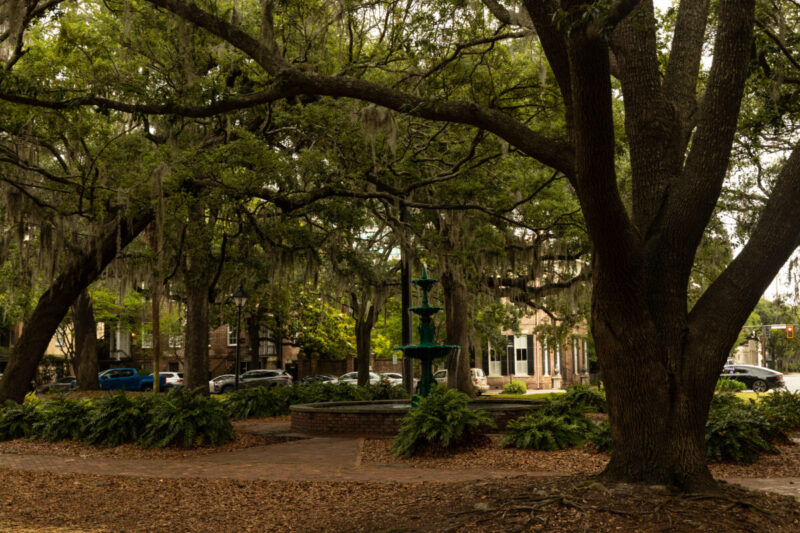
New Orleans runs on jazz, beignets, and a second-line parade energy that turns any Tuesday into an event. The French Quarter is just the opening act — the neighborhoods beyond are where the city lives.
Travel guides for New Orleans
Itineraries & day trips (1)
Things to do (1)
Where to stay (2)
Food & drink (1)
Travel tips & costs (1)
Destination stories (3)
More guides featuring New Orleans (26)
At a glance
Currency$ USDCode: USD
Time zoneCentral Standard Time
Languages
- English
Setting
- River delta
- French Quarter
- Bayou wetlands
- Jazz heritage district
Known for
- Jazz and music
- Historical architecture
- Creole culture
- Mardi Gras celebrations
Population390K390,144 residents
VisaDocuments: For domestic U.S. air travel, travelers age 18 and older must present a REAL ID-compliant driver's license or another TSA-accepted ID such as a valid passport
How New Orleans scores
6/10OverallFair
Weather7/10
Value for money8/10
Safety4/10
Food & cuisine10/10
Culture & arts6/10
Cultural experience9/10
History9/10
Nature & outdoors6/10
Adventure4/10
Nightlife9/10
Shopping7/10
Family friendly5/10
Romance8/10
Character
Photography score9/10
Authenticity score10/10
Off-the-beaten-path score6/10
Editorial scores on a 10-point scale, weighed against destinations of the same kind.
Travel safety snapshot
Overall60/100Exercise precaution
Women travellers62/100
LGBTQ+ travellers78/100
Theft55/100
Medical care72/100
Physical harm58/100
Political freedom70/100
SafePlace indicators use their source 100-point scale; higher is more favourable. Planning context, not a live travel advisory — check official government guidance before you go.
When to go
Best months to visit: February, March, April, May, October, November and December.
- January: 8.8 to 15.8 degrees Celsius, 23.3 millimetres of rain, best-time score 3 out of 5.
- February: 10.8 to 18.4 degrees Celsius, 27.5 millimetres of rain, best-time score 4 out of 5.
- March: 15 to 22.3 degrees Celsius, 19.2 millimetres of rain, best-time score 5 out of 5.
- April: 16.8 to 23.4 degrees Celsius, 35.2 millimetres of rain, best-time score 5 out of 5.
- May: 20.9 to 28.3 degrees Celsius, 39.5 millimetres of rain, best-time score 4 out of 5.
- June: 25.5 to 32.2 degrees Celsius, 27.3 millimetres of rain, best-time score 2 out of 5.
- July: 26.1 to 31.3 degrees Celsius, 71.6 millimetres of rain, best-time score 2 out of 5.
- August: 26.5 to 32.6 degrees Celsius, 54.5 millimetres of rain, best-time score 2 out of 5.
- September: 24.7 to 30.1 degrees Celsius, 43.8 millimetres of rain, best-time score 2 out of 5.
- October: 21.1 to 28 degrees Celsius, 25.7 millimetres of rain, best-time score 5 out of 5.
- November: 13.3 to 20.3 degrees Celsius, 48.9 millimetres of rain, best-time score 5 out of 5.
- December: 12.4 to 18.4 degrees Celsius, 14.7 millimetres of rain, best-time score 4 out of 5.
Month-by-month conditions and packing advice
- January
- Cool weather, mostly dry January in New Orleans: cool, quiet, and budget-friendly with early Carnival-season buzz beginning to build. Crowds: January offers a sweet spot for travelers seeking a quieter, more affordable New Orleans experience. The cooler weather is comfortable for city exploration, making it ideal for walking tours, historic site visits, and culinary adventures. Unlike the crowded Mardi Gras weeks to come, January brings lighter tourist numbers, shorter restaurant waits, and better hotel deals. Outdoor events and festivals are limited this month, but cultural venues—from Preservation Hall to the historic cemeteries—are fully accessible without the crush of peak-season crowds. Travelers should note that evenings can feel chilly, so planning layered outfits is essential. Overall, January delivers value and calm, allowing visitors to enjoy the city’s rhythm at a more relaxed pace while still soaking in its vibrant cultural energy. Pack: Layered clothing including sweaters and light jackets; Comfortable walking shoes for uneven sidewalks; Compact umbrella for occasional showers; Scarf or light gloves for cooler evenings; Smart-casual attire for jazz clubs and dining; Reusable water bottle to stay hydrated during city walks
- February
- Cool weather, some rain February in New Orleans: lively Mardi Gras energy and pleasant cool weather, though crowds and prices spike around Carnival. Crowds: February represents one of the most dynamic periods for visiting New Orleans, coinciding with the height of Mardi Gras festivities. While temperatures are moderate, the city fills with parades, celebrations, and large crowds. Hotel prices surge, and advance booking is essential for central accommodations. Cooler evenings make layering important when moving between outdoor festivities and indoor venues. Rain showers are brief but can disrupt parades temporarily, so flexibility is key. For those not attending Mardi Gras, it’s still a prime time to experience cultural richness with fewer hot-weather challenges, though visitor numbers and costs remain higher than in off-peak months. Expect lively streets, festive energy, and limited last-minute availability. Pack: Water-resistant jacket or poncho for brief showers; Layered clothing for shifting day-to-night temperatures; Comfortable walking shoes for long parade routes; Compact umbrella for unpredictable rain; Colorful attire or costumes to join Mardi Gras festivities; Light scarf or sweater for cool evenings
- March
- Warm and pleasant, mostly dry March in New Orleans: arguably the best month with perfect mild weather, lush gardens, and lighter crowds after Mardi Gras. Crowds: March brings prime conditions for visitors to New Orleans, coinciding with the city’s lively festival calendar and the tail end of Mardi Gras. Comfortable temperatures and mostly dry days make it perfect for walking tours, live music events, and evenings along Bourbon Street. Tourism demand is high, with larger crowds and steeper hotel prices than in off-peak months, especially around Mardi Gras dates. Those seeking cultural immersion will find parades, food festivals, and jazz performances dominating the city’s rhythm. While weather is favorable, booking accommodations and event tickets well in advance is strongly advised. For budget-conscious travelers, early or late March may offer slightly lower rates once the peak celebrations subside. Outdoor dining, river cruises, and day trips to plantations or bayous are particularly enjoyable during this time, as the moderate climate allows exploration without the extreme heat and humidity that arrives later in the year. Pack: Light jacket or cardigan for cooler evenings; Comfortable walking shoes for cobblestone streets; Umbrella or compact rain jacket for brief showers; Breathable shirts and blouses for daytime warmth; Stylish yet comfortable evening wear for music venues; Sun protection with sunglasses and SPF lotion
- April
- Warm and pleasant, some rain April in New Orleans: ideal spring weather and the buzz of Jazz Fest, one of the most rewarding times to visit. Crowds: April is one of the most attractive months to visit New Orleans, coinciding with major cultural events like the French Quarter Festival and the lead-up to Jazz Fest. Comfortable temperatures and manageable humidity make it an excellent time for both daytime exploration and nightlife. However, this is also peak cultural tourism season, which brings higher hotel rates and fuller restaurants. Travelers should expect crowds at popular events, but also unparalleled access to the city’s vibrant cultural calendar. Booking accommodations and tickets well in advance is strongly advised. The occasional rainfall is rarely disruptive, and most activities—from historic garden tours to live music events—continue uninterrupted, adding to the city’s unique seasonal charm. Pack: Lightweight, breathable clothing for warm days; Compact umbrella or light rain jacket for spring showers; Comfortable walking shoes for cobblestone and uneven streets; Wide-brimmed hat or cap for sun protection; Light sweater for cooler evenings or indoor venues; Casual yet stylish outfits for music clubs and dining
- May
- Warm and pleasant, some rain May in New Orleans: warm, festival-rich spring with Jazz Fest spilling into early month, though humidity starts climbing. Crowds: May offers highly favorable travel conditions in New Orleans, marking one of the most inviting windows before the intense summer heat and humidity arrive. The city is in the shoulder season following spring festivals like Jazz Fest, so while cultural events still abound, crowds begin to thin slightly, easing access to restaurants and attractions. Hotel prices remain elevated but not at peak holiday levels, rewarding early bookers with better deals. Outdoor activities—whether swamp tours, garden walks in the Garden District, or riverboat cruises—are especially appealing thanks to warm but not oppressive conditions. Light rain showers may occasionally adjust plans, but they are short-lived and rarely disrupt full days of exploration. This month is perfect for those seeking both cultural vibrancy and manageable weather conditions before summer tourism ramps up. Pack: Breathable cotton or linen outfits for humid conditions; Light rain jacket or compact umbrella for brief showers; Comfortable sandals or walking shoes for exploring historic districts; Sunhat and high-SPF sunscreen to counter strong midday sun; Light evening layer for river breezes or air-conditioned venues; Casual but neat attire suitable for jazz clubs and upscale dining
- June
- Hot and sunny, some rain June in New Orleans: hot, humid, and the start of hurricane season, though low summer rates offer real value. Crowds: Travelers in June should be prepared for hot, humid conditions that can feel overwhelming during midday hours. This is the start of New Orleans’ summer off-season, meaning smaller crowds at attractions and better hotel deals compared to spring’s festival rush. Afternoon storms may briefly interrupt walking tours, but evenings are lively with outdoor concerts and riverfront gatherings. The heat can limit long periods of outdoor exploration, so pacing with shaded stops and indoor cultural venues like museums and historic houses is ideal. For those who embrace the weather, June offers more relaxed access to the city’s cultural heartbeat, though planning activities for mornings and evenings provides the most comfort. Pack: Breathable cotton and linen clothing for humid conditions; Wide-brimmed hat and high-SPF sunscreen; Lightweight rain jacket or compact umbrella for sudden showers; Comfortable sandals or breathable walking shoes; Refillable water bottle to stay hydrated in the heat; Mosquito repellent for evenings near the river and parks
- July
- Hot and sunny, some rain July in New Orleans: sweltering heat and humidity with afternoon storms, best for budget travelers tolerant of the swelter. Crowds: July is part of New Orleans’ low tourism season due to high heat and humidity. While festivals and live music remain plentiful, the combination of sticky weather and regular thunderstorms means fewer crowds at popular attractions, translating into better hotel deals and shorter wait times at restaurants. Visitors should be mindful that outdoor exploration, such as walking tours, can feel draining during midday; early morning and evening outings are more comfortable. River cruises, indoor museums, and culinary experiences offer excellent alternatives during peak heat hours. Travelers looking to avoid heavy crowds and capitalize on lower prices will find July a good balance—provided they are prepared for the city’s steamy climate and spontaneous summer storms. Pack: Breathable cotton or linen clothing to manage humidity; Waterproof sandals or quick-dry shoes for sudden downpours; Compact travel umbrella for afternoon storms; Reusable water bottle to stay hydrated in heat; Wide-brimmed hat and SPF 50+ sunscreen; Light rain jacket or poncho for tropical showers
- August
- Hot and sunny, some rain August in New Orleans: peak heat, humidity, and elevated hurricane risk make this one of the least comfortable months. Crowds: Travelers should expect intense heat and high humidity during August, conditions that can be draining if not managed with regular breaks indoors. While this is not peak tourist season due to the weather, it creates an opportunity for lower hotel prices and fewer crowds at major attractions. Afternoon storms may briefly interrupt outdoor plans, but they are typically short-lived and can cool the city for evening exploration. Those sensitive to heat should plan cultural activities indoors during midday, saving outdoor adventures—such as walking tours or garden district explorations—for mornings or late evenings. The atmosphere is lively but less crowded, offering a more local experience if travelers can handle the weather intensity. Pack: Lightweight, breathable cotton or linen clothing; Wide-brimmed hat and high-SPF sunscreen; Comfortable sandals or ventilated walking shoes; Compact umbrella or light rain jacket for sudden storms; Reusable water bottle to stay hydrated in the heat; Dressier but lightweight evening outfit for jazz clubs and restaurants
- September
- Hot and sunny, some rain September in New Orleans: still hot and humid with the highest hurricane risk, though crowds and prices stay low. Crowds: September is a transitional travel month in New Orleans. The hot, humid weather still reflects summer, but lighter crowds compared to peak festival periods make it more appealing for those seeking a less hectic experience. Hotel prices tend to ease after the summer rush, though events like Southern Decadence early in the month can cause short spikes in demand. The risk of hurricanes can deter some visitors, but those who plan flexibly can enjoy excellent opportunities for dining, live jazz, and exploring cultural sites with more breathing room. Outdoor activities such as swamp tours or garden walks are best scheduled for early mornings or late evenings to avoid midday heat. Travelers looking for lower costs and manageable crowds may find September an advantageous time, provided they remain mindful of weather advisories and book accommodations with flexible cancellation policies. Pack: Light, breathable cotton or linen clothing for hot days; Comfortable sandals or breathable walking shoes; Compact travel umbrella for sudden showers; Wide-brimmed hat and high-SPF sunscreen; Evening wear suitable for live music venues; Light rain jacket in case of tropical downpours
- October
- Warm and pleasant, some rain October in New Orleans: ideal crisp, pleasant weather with low humidity and reduced crowds, among the best months. Crowds: October marks one of the most favorable times to visit New Orleans, sitting squarely in the shoulder-to-peak season sweet spot. The oppressive heat has receded, but the vibrant festival calendar remains strong with events like Crescent City Blues & BBQ Festival drawing locals and visitors alike. Tourist numbers are steady but not overwhelming compared to Mardi Gras or spring festival season, and hotel rates are more approachable than during peak spring. Outdoor dining, swamp tours, and long walking explorations are highly enjoyable with reduced humidity. While some brief showers may interrupt plans, they rarely last long and typically refresh the atmosphere. Early booking is advisable for festival weekends, but midweek stays can be more affordable and less crowded, offering an authentic taste of the city’s rhythm. Pack: Breathable cotton and linen outfits for daytime warmth; Light rain jacket or compact umbrella for passing showers; Comfortable walking shoes for cobblestone and uneven sidewalks; Smart-casual evening wear for jazz clubs and upscale dining; Reusable water bottle to stay hydrated while exploring; Light sweater or shawl for cooler evenings by the river
- November
- Warm and pleasant, some rain November in New Orleans: excellent cool, comfortable weather with thin crowds and lower rates, a top time to visit. Crowds: November is part of New Orleans’ shoulder season, offering travelers a sweet spot between the heavy summer tourism and the festive winter holidays. Conditions are excellent for outdoor exploration, from garden district walks to bayou tours, with fewer crowds at major attractions compared to spring’s festival highs. Accommodation rates are moderate—higher than the sweltering off-season of August but far more affordable than peak Mardi Gras. Rain is possible but rarely disruptive, making most days suitable for sightseeing and photography. This period is especially rewarding for food and music lovers, as seasonal menus emerge and local venues host events in a more relaxed atmosphere. Travelers seeking authentic cultural immersion without high-season pressure will find November an ideal time, though booking accommodations early ensures better rates around Thanksgiving and smaller festivals. Pack: Light jacket or cardigan for cooler evenings; Comfortable walking shoes for cobblestone streets; Compact umbrella or light rain jacket; Breathable layers for daytime exploration; Smart-casual attire for jazz clubs and dining; Reusable water bottle to stay hydrated
- December
- Warm and pleasant, mostly dry December in New Orleans: cool and festive with holiday charm and quieter streets at good value. Crowds: December is part of New Orleans’ shoulder season, meaning fewer crowds compared to Mardi Gras or spring festival months. The comfortable weather makes it easy to enjoy outdoor walking tours, cemetery visits, and historic streetcar rides without breaking a sweat. Hotel rates are generally moderate, though prices can spike slightly around Christmas and New Year festivities. Restaurants and music venues remain lively but not overcrowded, offering travelers a more intimate cultural experience. This timing is particularly appealing for those looking to experience the city’s food, jazz, and Creole heritage without battling the intensity of summer or the festival-season surge. Booking ahead for holiday weeks is recommended, but otherwise, conditions are relaxed, accessible, and budget-friendlier than peak months. Pack: Light sweater or cardigan for cooler evenings; Comfortable walking shoes for cobblestone and uneven streets; Compact umbrella or light rain jacket for brief showers; Smart-casual attire for jazz clubs and restaurants; Scarf or shawl for added warmth during nighttime river walks; Camera gear to capture festive lights and historic architecture
Peak season
- February
- March
- April
- October
- November
Off-peak
- July
- August
- May
- June
- September
- December
- January
Know before you go
About
New Orleans, on the banks of the Mississippi River in southern Louisiana, is one of America’s most distinctive cities—a sultry, music-soaked melting pot of French, Spanish, African, and Creole cultures. Founded by the French in 1718, it counts about 384,000 residents (2020) and centers on the French Quarter, the original street grid laid out that same year and still its historic heart. Widely celebrated as the birthplace of jazz, the city gave the world Louis Armstrong and keeps live music spilling from clubs along Frenchmen Street and beyond. Its calendar peaks with Mardi Gras, whose parading krewes date to 1857, filling the streets with floats and revelry. Visitors wander Jackson Square beneath the spires of St. Louis Cathedral, ride the historic streetcars, admire the mansions of the Garden District, and feast on Creole and Cajun staples like gumbo, jambalaya, and beignets. Atmospheric and endlessly festive, New Orleans is unlike anywhere else in the United States.
Best time to visit
The best time to visit New Orleans is during the spring (February to May) when the weather is mild and the city hosts numerous festivals, including Mardi Gras. Fall (September to November) is also a great time to experience the city with fewer crowds and pleasant temperatures. The summer months can be hot and humid, while winter is cooler but still vibrant.
Getting there and around
Getting there
Louis Armstrong International Airport (MSY) is 18 miles west of downtown. The Airport Shuttle ($24) or ride-share ($25-35) takes 30-45 minutes depending on traffic.
Getting around
The historic St. Charles streetcar line runs 24/7. Canal Street and Riverfront streetcars cover the French Quarter. Ride-shares are best at night — parking is scarce.
Top experiences in New Orleans
Magazine Street
Six-mile stretch of indie shops, galleries, and restaurants running from the CBD to Audubon Park — the antithesis of Bourbon Street.
City Park & NOMA
1,300-acre park with the New Orleans Museum of Art, a sculpture garden among live oaks, and the Carousel Gardens amusement park.
Editor-curated picks carried over from our original guide. Where a full place guide exists, the card links to it.








Worth booking ahead in New Orleans
Hand-picked from the operators our guides already send readers to. Prices and availability are live on the partner site.
BrowseViator
Tours and tickets in New Orleans on Viator (opens Viator in a new tab)
Viator's full list of bookable tours and tickets in New Orleans.
BrowseGetYourGuide
Experiences in New Orleans on GetYourGuide (opens GetYourGuide in a new tab)
Everything GetYourGuide sells in New Orleans, with the cancellation terms on each listing.
Where to stayBooking.com
Stays in New Orleans (opens Booking.com in a new tab)
Live rates and availability for New Orleans on Booking.com; filter by neighbourhood once you know where your days start.
We earn a commission if you book through these links, at no extra cost to you. It is how we keep the guides free and independent.
Where to stay
Hotel Monteleone
130 Roosevelt Way, New Orleans, LA 70112
Historic French Quarter grand hotel with the famous revolving Carousel Bar — a Literary Landmark where Faulkner and Hemingway stayed.
Ace Hotel New Orleans
Converted furniture warehouse in the Warehouse District with a rooftop pool, Seaworthy oyster bar, and live music programming.
The Chloe
14-room boutique hotel on St. Charles Avenue in a restored Uptown mansion with a front-porch cocktail culture that defines New Orleans hospitality.
Editor-curated stays carried over from our original guide. Where we have reviewed the hotel, the card links to the review.
Tips from the field
Highlights
- The French Quarter
- Jackson Square
- St. Louis Cathedral
- The National WWII Museum
- Audubon Park and Zoo
Best activities
- Tour the National WWII Museum
- Visit Jackson Square and St. Louis Cathedral
- Explore the Audubon Aquarium
- Take a steamboat ride on the Natchez
- Visit Mardi Gras World
Practical tips
- Currency: US Dollar (USD)
- Getting There: Louis Armstrong International Airport (MSY) connects via Airport Shuttle () or ride-share (-35).
- Transportation: Iconic streetcars (St. Charles line, Canal Street line) are atmospheric but slow (.25/ride, Jazzy Pass /day). Walking is the best way to explore the French Quarter and Garden District. Ride-shares widely available.
- Dining: New Orleans is one of America's greatest food cities. Po'boys (-14), gumbo (-15), beignets at Café du Monde (). Commander's Palace lunch (-60). Magazine Street and Frenchmen Street for local dining.
- Free Attractions: Jackson Square, French Quarter walking, Garden District walking tour (self-guided), St. Louis Cathedral exterior, Frenchmen Street live music (clubs have no cover), Magazine Street strolling.
- Tipping: 18-20% at restaurants
- Electricity: 120V/60Hz, Type A/B plugs
Keeping it authentic
- Visit the French Quarter for authentic architecture and ambiance
- Explore the unique blend of French, Spanish, and African influences in local culture
Culture, customs and safety
Cultural heritage
New Orleans embodies the unique cultural fusion of French, Spanish, African, and Caribbean influences that created one of America most distinctive and culturally rich urban centers. The city preserves Creole and Cajun cultural traditions while serving as birthplace of jazz music and maintaining distinctive architectural, culinary, and festival traditions that define New Orleans cultural identity. New Orleans cultural heritage encompasses French colonial culture, African-American musical innovation, Creole cultural synthesis, and contemporary American cultural creativity that continues to influence global music, cuisine, and American regional cultural identity.
Local customs & etiquette
- Respect local customs and traditions, especially during festivals
- Be friendly and engage with locals, as they appreciate conversation
- Tip service staff generously, as it is customary in the hospitality industry
- Try local dishes and participate in cultural events
Safety notes
New Orleans is fun and welcoming but requires awareness, especially at night.
General Safety:
• French Quarter, Garden District, Warehouse District, and Magazine Street are safe and well-patrolled
• Avoid walking alone in poorly lit areas after dark, especially near the edges of the French Quarter
• Bourbon Street gets rowdy at night — watch your belongings and drinks
Scams:
• “I bet I know where you got your shoes” — a common street hustle, decline politely
• Street performers may demand payment for unsolicited photos
Weather:
• Hurricane season June-November — check advisories
• Summer heat and humidity are intense (35°C+ with high humidity)
Emergency number: 911


Travel Style
Season
Activities