MenuClose

A place worth knowing

Café ‘t Mandje

Nightlife · Bar in AmsterdamUpdated

  • Google rating4.4/5
  • Typical visit1-3 hours
  • EntranceFree
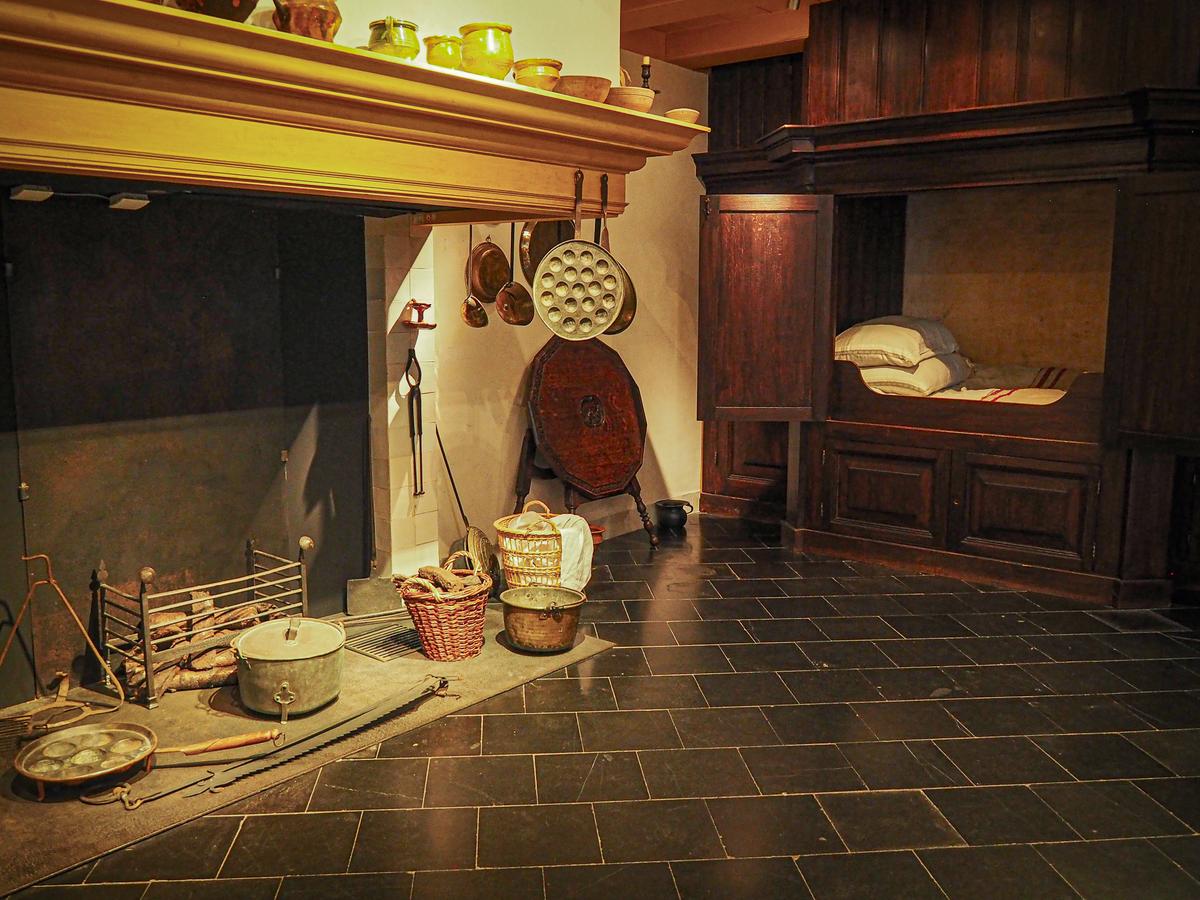
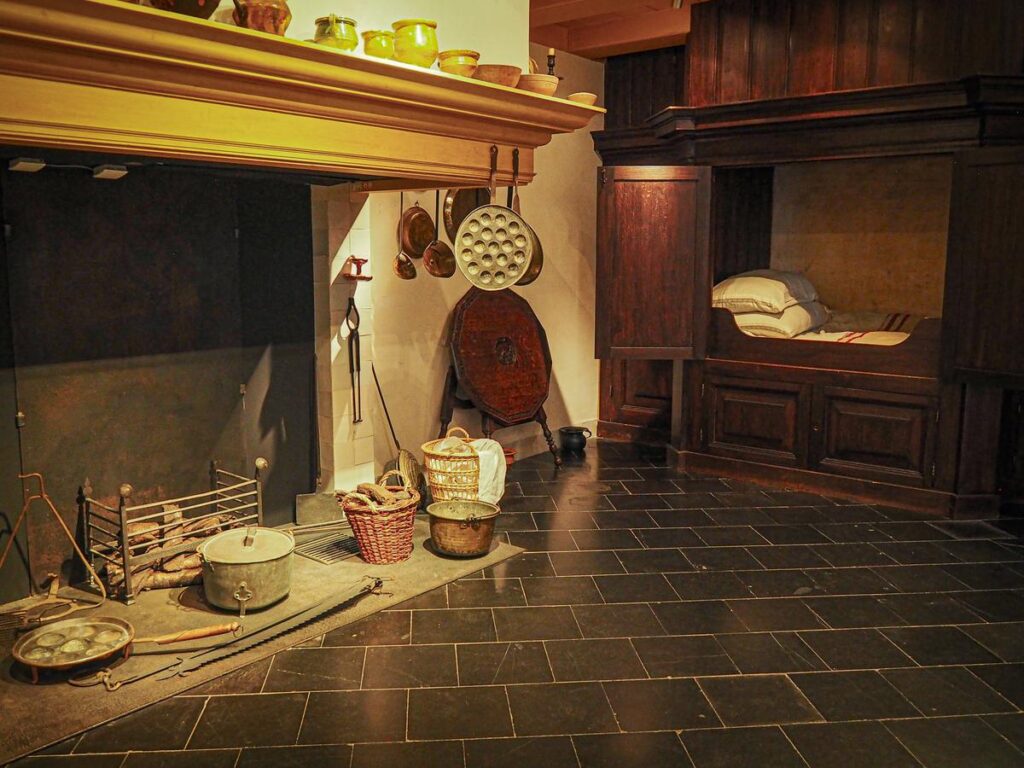
Authentic 17th-century kitchen and bed box at Rembrandt House Museum in Amsterdam
Rembrandt House Museum interior Kyle Kroeger / ViaTravelers
  • Today (Sunday)3:00 PM – 1:00 AM
  • Typical visit1-3 hours
  • EntranceFree
  • Google rating4.4/5
  • WebsiteOfficial site ↗
Opening hours all week
Monday
Closed
Tuesday
4:00 PM – 1:00 AM
Wednesday
4:00 PM – 1:00 AM
Thursday
4:00 PM – 1:00 AM
Friday
3:00 PM – 3:00 AM
Saturday
3:00 PM – 3:00 AM
Sunday
3:00 PM – 1:00 AM
Authentic 17th-century kitchen and bed box at Rembrandt House Museum in Amsterdam
The short answer

Why it matters

The world's oldest LGBTQ+ bar, opened in 1927 by lesbian icon Bet van Beeren, lined floor-to-ceiling with decades of memorabilia

Café ‘t Mandje stands as a living monument to Amsterdam‘s progressive history, founded in 1927 by Bet van Beeren, an openly lesbian leather-clad motorcyclist who created one of the world’s first openly gay bars. This small, unassuming establishment on Zeedijk street preserves its original eclectic interior—ceiling draped with countless neckties donated by patrons, walls covered with vintage photographs, and display cases featuring Bet’s personal artifacts. Beyond its historical significance in LGBTQ+ history, the café represents Amsterdam’s longstanding values of tolerance and personal freedom. Reopened in 2008 after decades of closure, ‘t Mandje now functions as both working café and living museum where visitors experience an authentic piece of Amsterdam’s social history. The intimate space encourages conversation between travelers and locals, often including family members of the original proprietors who share firsthand stories of the café’s colorful past. For cultural explorers seeking to understand Amsterdam’s pioneering role in LGBTQ+ acceptance, this authentic brown café provides unparalleled insight into the city’s socially progressive character.

Cultural Context

Amsterdam’s oldest LGBTQ bar symbolizing Dutch tolerance and gay liberation, opened by openly lesbian Bet van Beeren creating safe space for marginalized communities, included in Amsterdam canon as tolerance symbol

Historical Context

Opened 1927 by Bet van Beeren who ran it until death 1967, continued by sister Greet until 1982, interior preserved intact and displayed in Amsterdam Museum, reopened 2008 by niece Diana maintaining original character

Context

Story and significance

About

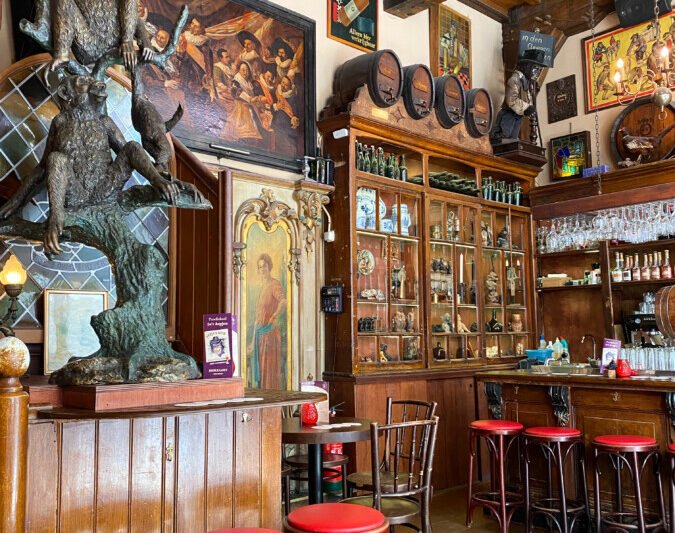
Café ‘t Mandje is one of Amsterdam’s oldest bars, opened in 1927 by Bet van Beeren on Zeedijk 63 in the Red Light District. It was one of the first openly gay-friendly establishments in the Netherlands, where Bet — a formidable woman who kept a shotgun behind the bar — welcomed everyone regardless of orientation at a time when homosexuality was taboo. The cozy, memorabilia-crammed interior preserves decades of Amsterdam’s queer history, including photo-covered walls and ceiling-hung ties and bras.

Historical significance

The café is historically significant as a physical site of LGBT+ social life and as part of Amsterdam’s history of tolerance and nightlife culture. It stands as a tangible reminder of grassroots social spaces where marginalized communities gathered and asserted visibility across the 20th century.

Historical context

Opened in the early 20th century by a proprietor who welcomed a mixed and nonconformist clientele, the café maintained a reputation through much of the century as an open space for gay and cross-cultural communities during periods when such visibility was less accepted elsewhere. Its continuity, occasional closures and reopenings reflect changing social attitudes and the preservation of queer heritage in Amsterdam.

Cultural context

Café ‘t Mandje on Amsterdam’s Zeedijk is known for its long-standing association with the city’s LGBT+ history and as an inclusive neighborhood café that attracted a diverse clientele, including sailors, artists and queer communities. It functions as both a nostalgic cultural landmark and a small-scale social venue where visitors can glimpse Amsterdam’s tolerant social fabric and nightlife history.

Architecture

Architecturally, Café ‘t Mandje occupies a modest canal-side building typical of Amsterdam’s dense urban fabric, with a small, convivial interior and historic barroom fittings rather than grand design statements. The charm derives from preserved interior details, memorabilia and an intimate layout that underscores the café’s social rather than architectural significance.

Local significance

Café ’t Mandje is known in Amsterdam for its long association with the city’s LGBTQ+ history and as an emblem of local social diversity; older generations remember it as one of the few places where gay and lesbian patrons could gather openly. Even when operating as a museum‑like café, it carries symbolic weight in neighborhood memory and contributes to Amsterdam’s broader reputation for tolerance, community activism and queer cultural heritage.

Bookable experiences

Worth booking ahead in Amsterdam

Hand-picked from the operators our guides already send readers to. Prices and availability are live on the partner site.

We earn a commission if you book through these links, at no extra cost to you. It is how we keep the guides free and independent.

Updated Data: Editorial research · Google Places ratings · Verified coordinates