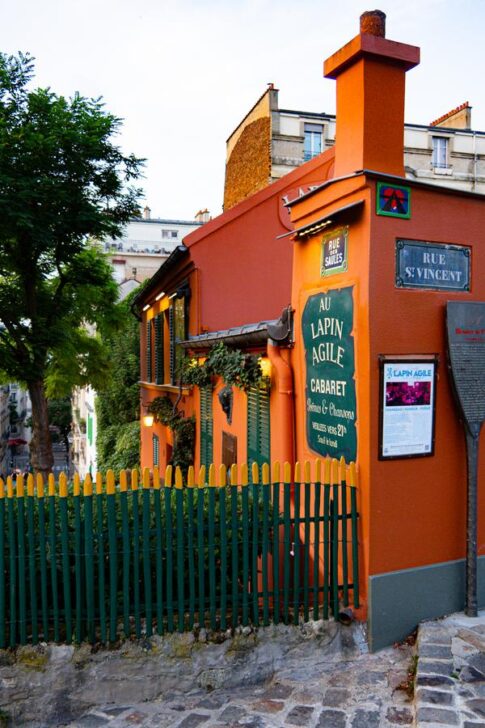
La Bonne Franquette enchants visitors with its authentic Belle Époque atmosphere, serving as one of Montmartre’s most storied restaurants where famous artists once gathered to discuss art and politics over wine and traditional French cuisine. Located in the heart of historic Montmartre, this charming establishment has welcomed guests since 1886, its walls adorned with paintings and memorabilia celebrating the bohemian spirit that once defined this artistic quarter. The restaurant’s timeless interior, featuring red-checkered tablecloths, vintage posters, and candlelit ambiance, recreates the convivial atmosphere that attracted painters, writers, and musicians during Montmartre’s golden age. Today’s visitors can enjoy classic French dishes like coq au vin and onion soup while imagining the legendary conversations that once filled these intimate dining rooms. This beloved institution preserves the romance and artistic heritage of old Montmartre for modern diners seeking an authentic Parisian experience.
Cultural Context
A historic Montmartre institution housed in a 16th-century building, originally known as “Aux Billards en Bois” until renamed “La Bonne Franquette” in 1925 by Francisque Poulot. This legendary establishment served as a crucial gathering place for the greatest Impressionist and Post-Impressionist artists of the late 19th and early 20th centuries—Pissarro, Sisley, Cézanne, Toulouse-Lautrec, Renoir, Monet, and Zola would gather here after climbing the Butte Montmartre. Vincent van Gogh, living nearby on rue Lepic with his brother Théo, painted his famous 1886 work “La Guinguette” here. The restaurant embodies the authentic spirit of artistic Montmartre with its motto “Aimer, Manger, Boire et Chanter” (Love, Eat, Drink and Sing), continuing as a family-run establishment for 45 years while preserving its role as a meeting place for artists and wine enthusiasts.
Historical Context
La Bonne Franquette stands as a vibrant testament to the artistic and bohemian spirit of 19th-century Montmartre, a neighborhood that transformed from a rural village into a bustling cultural hub in Paris. Established in the late 19th century, this restaurant became a favored meeting place for some of the most influential artists of the era, including Vincent van Gogh, Henri de Toulouse-Lautrec, and Pierre-Auguste Renoir. It was here that these painters and writers gathered to share ideas, celebrate their work, and enjoy the convivial atmosphere that La Bonne Franquette cultivated. The restaurant’s name, which translates to “The Good Frankness,” reflects its welcoming and unpretentious nature, appealing to both locals and creatives seeking genuine Parisian camaraderie. Over the decades, La Bonne Franquette has maintained its connection to Montmartre’s rich cultural tapestry, surviving the transformations of the 20th century while preserving the legacy of the artistic avant-garde that once defined the area. This enduring historical context makes La Bonne Franquette not merely a dining venue but a living monument to Paris’s artistic heritage and the vibrant social life that fueled some of the greatest movements in modern art. Today, visitors can still sense the echoes of those historic gatherings within its walls, making it a unique destination for those interested in the intersection of gastronomy and cultural history.