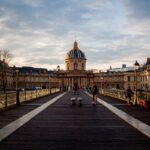
A hands-on macaron baking class located in L’Appartement Lafayette at Galeries Lafayette Haussmann. Learn the secrets of making perfect French macarons from a professional pastry chef in the heart of Paris.
A place worth knowing
Macaron Bakery Class at Galeries Lafayette
Activities · Activity in ParisUpdated
- Google rating4.7/5
- Typical visit1-2 hours
- EntranceAdmission required — check https://hfrancais.fr/ for tickets
Why it matters
A hands-on macaron-making workshop atop the iconic Galeries Lafayette department store, taught by French pastry chefs
Story and significance
About
A hands-on macaron baking class located in L’Appartement Lafayette at Galeries Lafayette Haussmann. Learn the secrets of making perfect French macarons from a professional pastry chef in the heart of Paris.
Historical significance
The Paris Macaron Bakery Class holds historical significance as a living continuation of France’s esteemed patisserie tradition, which has shaped global perceptions of fine baking and culinary excellence. The macaron itself, while evolving over centuries, became emblematic of French haute cuisine during the late 19th and early 20th centuries, particularly through iconic establishments such as Ladurée and Pierre Hermé. By teaching the precise techniques and cultural narratives behind this delicate confection, the class preserves an important aspect of France’s gastronomic heritage that might otherwise be lost in an era of mass production and globalization. Furthermore, the class contributes to the historical narrative of French culinary innovation, illustrating how traditional recipes adapt to modern tastes while maintaining their artisanal roots. It also highlights the role of food as a cultural artifact, reflecting social changes, regional influences, and historical events such as the influence of Italian Renaissance chefs and the development of French patisserie during the Belle Époque. As an educational experience, the Paris Macaron Bakery Class ensures that the knowledge and skills associated with this iconic pastry are passed down accurately and respectfully, safeguarding its legacy for future generations. In doing so, it reinforces the broader historical importance of French cuisine as a vital component of national identity and cultural diplomacy.
Historical context
The Paris Macaron Bakery Class is deeply rooted in the rich tradition of French patisserie, which dates back to the Renaissance period when French confectionery began to flourish under royal patronage. The macaron itself, a delicate meringue-based confection, has origins that trace back to the 8th century, with early versions introduced to France by Italian chefs during the reign of Catherine de Medici in the 16th century. However, the modern macaron as known today—with its smooth, rounded shells and creamy filling—was popularized in the early 20th century by the Parisian bakery Ladurée, founded in 1862. Over time, the macaron evolved from a simple almond cookie into a symbol of French elegance and culinary artistry. The bakery classes offer participants a hands-on experience that connects them to centuries of French baking heritage, emphasizing traditional techniques such as folding almond flour into whipped egg whites, mastering the perfect baking temperature, and creating vibrant, natural fillings. These classes not only preserve the culinary legacy but also adapt to contemporary tastes by incorporating innovative flavors and presentation styles, reflecting the ongoing evolution of French gastronomy. Through this immersive experience, learners gain a profound appreciation for the historical journey of the macaron, from its humble beginnings to its status as a global icon of French culture and cuisine.
Cultural context
Representing the heart of France’s food culture, this restaurant serves as a cultural bridge through its traditional French cuisine and authentic preparation methods.
Architecture
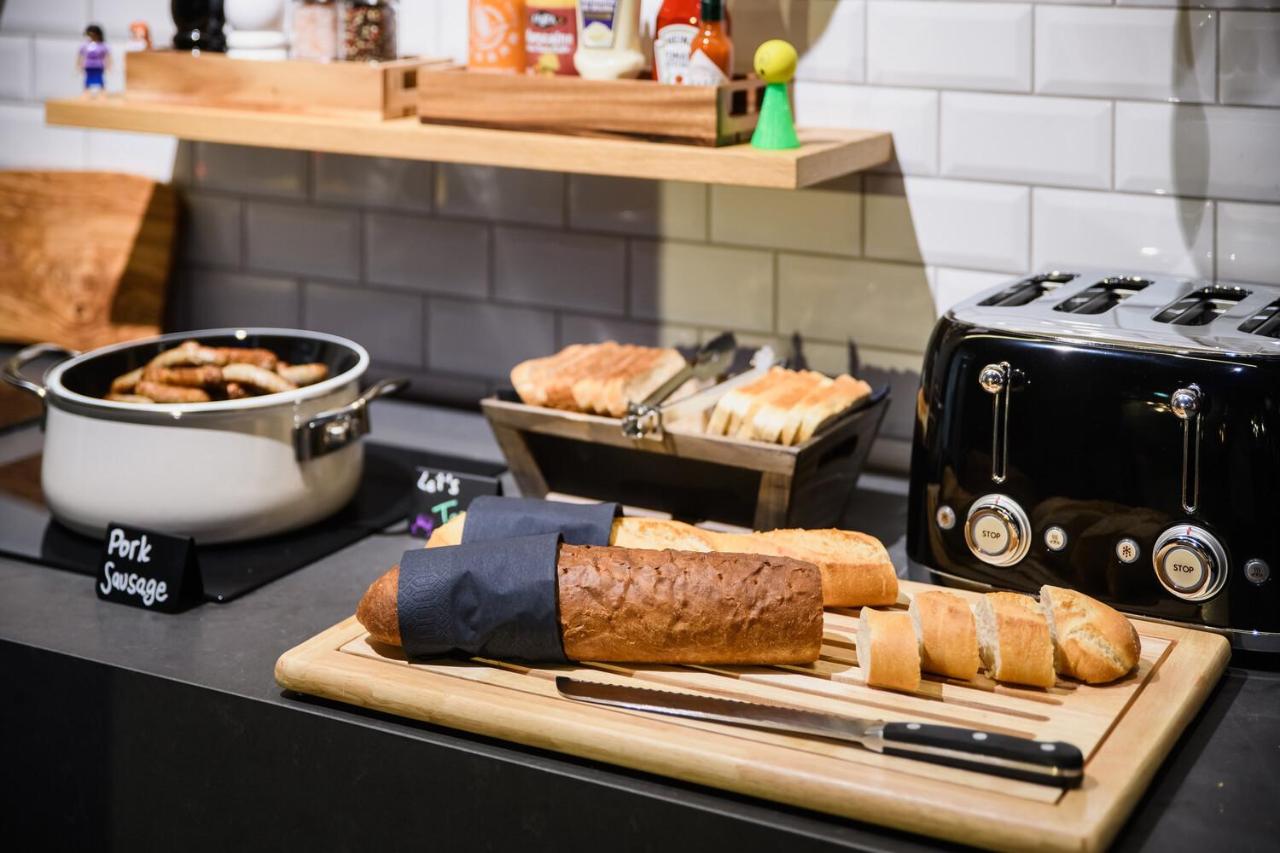
While the Paris Macaron Bakery Class itself is not housed in a historically monumental building, it often takes place in spaces that reflect Paris’s characteristic architectural charm, typically located in traditional boulangeries or patisseries that embody the city’s artisanal heritage. These venues frequently feature classic Parisian design elements such as Haussmannian facades, with their wrought-iron balconies and limestone exteriors, or cozy interiors adorned with vintage tile work, wooden countertops, and brass fixtures that evoke the ambiance of 19th-century Paris. The design of these spaces emphasizes functionality combined with aesthetic appeal, creating an inviting atmosphere conducive to culinary creativity. The kitchens where the classes occur are equipped with modern appliances but maintain a rustic charm through the use of natural materials like wood and stone, reflecting the artisanal nature of French baking. This blend of old-world Parisian architectural details and contemporary culinary infrastructure provides an inspiring environment that honors tradition while embracing innovation. The spatial layout is carefully designed to facilitate hands-on learning, with open workstations that encourage interaction and observation, enhancing the educational experience. Thus, the architectural setting of the Paris Macaron Bakery Class plays a subtle yet important role in connecting participants to the cultural and historical fabric of Parisian culinary arts.
Local significance
The Paris Macaron Bakery Class holds significant cultural and social value within the local community, serving as both a preservation of culinary heritage and a vibrant social activity. For Parisians, macarons are more than just a sweet treat; they represent a symbol of local pride and artisanal craftsmanship. These classes often attract locals eager to refine their baking skills or reconnect with traditional recipes passed down through generations. Beyond individual enrichment, the classes foster a sense of community by bringing together people of diverse backgrounds united by a shared appreciation for French gastronomy. Many local patisseries collaborate with these classes to promote regional ingredients and seasonal flavors, reinforcing the connection between the macaron and the broader landscape of French food culture. The classes also contribute to the local economy by supporting small businesses, including specialty ingredient suppliers and boutique bakeries. Moreover, they play a role in cultural education, helping younger generations and newcomers understand the significance of French culinary arts. In neighborhoods where these classes are held, they often become a hub for cultural exchange and creative expression, enhancing the social fabric of the area. Thus, the Paris Macaron Bakery Class is not only a culinary workshop but also a meaningful cultural institution that enriches local life and helps sustain Paris’s reputation as a world capital of gastronomy.
Make the most of it
Local tips
- Ask servers for off-menu items
- Seasonal menus showcase best ingredients
- Early bird specials before 7pm
- Locals eat later than tourists
- Chef's tasting menu offers best experience
- Bar seating often available without reservation
- Try the house wine recommendations
Hidden gems nearby
- Secret menu items for regulars
- Wine cellar tours can be arranged
- Kitchen tours sometimes offered
- Chef's table experiences available
- Private dining rooms for special occasions
- Signature cocktails worth trying
- Local ingredients sourced from specific farms
Special features
- The Paris Macaron Bakery Class distinguishes itself through its comprehensive, hands-on approach that allows participants to engage fully with the art of macaron making. Unlike passive demonstrations, these classes provide step-by-step guidance on every aspect of the process, from preparing the meringue base to mastering the precise folding technique and achieving the iconic smooth, glossy shells. A notable feature is the emphasis on natural ingredients, including high-quality almond flour and organic flavorings, which aligns with contemporary culinary trends favoring authenticity and sustainability. Participants also learn how to create a variety of fillings, ranging from traditional buttercream and ganache to innovative seasonal flavors inspired by French terroir. The classes often include detailed explanations of the science behind macaron baking, such as the role of humidity and oven temperature, helping attendees understand and troubleshoot common challenges. Another unique element is the cultural context provided by expert instructors who share stories about the macaron’s history and its place in French society. Some classes offer small group sizes to ensure personalized attention and foster a collaborative atmosphere. Additionally, many sessions conclude with a tasting experience where participants sample their creations alongside classic French pastries, deepening their appreciation for French patisserie. These features combine to make the Paris Macaron Bakery Class a distinctive, immersive culinary experience that goes beyond baking to celebrate French culture and tradition.
How we rate it
Authenticity8/10
Accessibility score8/10
Family-friendly score8/10
Off-the-beaten-path6/10
Editorial scores on a 10-point scale, judged against places of the same kind.
Worth booking ahead in Paris
Hand-picked from the operators our guides already send readers to. Prices and availability are live on the partner site.
Day tripGetYourGuide
Versailles Palace guided tour with coach transfer (opens GetYourGuide in a new tab)
Guided palace visit with the coach transfer handled, so you skip the RER connection and the ticket-office line.
Timed ticketGetYourGuide
Paris Catacombs timed entry with audio guide (opens GetYourGuide in a new tab)
Timed entry plus the audio guide, which is what turns the tunnels from spooky into interesting.
Day tripGetYourGuide
Versailles and Giverny day trip (opens GetYourGuide in a new tab)
Palace in the morning, Monet's gardens in the afternoon, one day out of Paris. Giverny closes for winter, so check the dates.
Where to stayBooking.com
Stays in Paris (opens Booking.com in a new tab)
Live rates and availability for Paris on Booking.com; filter by neighbourhood once you know where your days start.
We earn a commission if you book through these links, at no extra cost to you. It is how we keep the guides free and independent.




Where to find it
- Address
- 40 Boulevard Haussmann, 75009 Paris, France
- Phone
- +33 1 40 23 52 67
- Destination
- Paris