Plan your visit with our complete Paris travel guide featuring top sights, itineraries, and local travel tips.
A place worth knowing
Les Caves du Louvre Wine Experience
Activities · Activity in ParisUpdated
- Google rating4.7/5
- Typical visit1-2 hours
- EntranceAdmission required — check https://www.cavesdulouvre.com/en/ for tickets
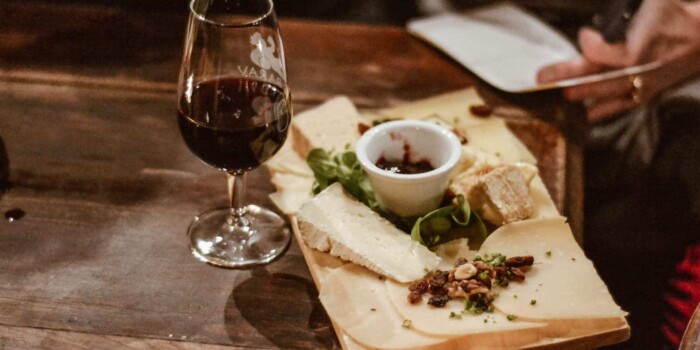
A captivating image showcasing a delightful Parisian wine tasting experience, featuring an array of exquisite wines and a charming ambiance. Immerse yourself in the rich culture and flavors of Paris with this exceptional wine tasting opportunity.
Why it matters
An 18th-century stone cellar near the Louvre offering immersive wine tasting workshops where you create your own blend to take home
A unique wine tasting experience housed in historic 18th-century royal wine cellars near the Louvre. Offers interactive tours, workshops, and guided tastings to discover the secrets of French wine.
Story and significance
About
A unique wine tasting experience housed in historic 18th-century royal wine cellars near the Louvre. Offers interactive tours, workshops, and guided tastings to discover the secrets of French wine.
Historical significance
Paris wine culture dates to Roman times when Lutetia vineyards supplied local taverns. Medieval monasteries perfected winemaking techniques still used today. 18th century saw establishment of legendary wine merchants and caves. Post-WWII revival brought new generation of cavistes promoting regional diversity. Modern Paris leads natural wine movement and innovative tasting experiences.
Historical context
The Paris Wine Tasting Experience is deeply rooted in France’s long-standing tradition of viticulture and oenology, which dates back to Roman times when vineyards were first established in the region. Over the centuries, France evolved into a global leader in wine production, with Paris emerging as a cultural hub where wine appreciation flourished. The city’s wine culture was significantly influenced by the French Revolution, which redistributed vineyard ownership, and by the 19th-century phylloxera epidemic that reshaped vineyard practices. In the 20th and 21st centuries, Paris became a center for wine education and connoisseurship, attracting sommeliers, producers, and enthusiasts worldwide. The Paris Wine Tasting Experience embodies this rich heritage by offering immersive sessions that explore not only the sensory aspects of wine but also its historical and regional contexts. These experiences often highlight renowned French wine regions such as Bordeaux, Burgundy, Champagne, and the Loire Valley, tracing the evolution of winemaking techniques and the cultural significance of wine in French society. The experience also reflects contemporary trends in sustainable and organic viticulture, connecting past traditions with modern innovations. Overall, the Paris Wine Tasting Experience serves as a living narrative of France’s enduring relationship with wine, providing visitors with a nuanced understanding of its historical journey and cultural resonance within the city and beyond.
Cultural context
Paris wine tasting experiences represent the epicenter of one of the world’s most sophisticated and culturally significant wine traditions. France produces 16% of the world’s wine while consuming 14% globally, making wine an integral part of French national identity and cultural heritage. These experiences often take place in historic settings like 17th-century cellars that once served as official wine stores for King Louis XV, connecting participants to centuries of French viticultural history. French wine culture embodies the concept of “terroir”—the belief that climate, soil, and geography create unique flavors that cannot be replicated elsewhere, a philosophy that has influenced global wine appreciation. Paris wine tastings educate visitors about France’s 142,000 winegrowers and the intricate system of Appellation d’Origine Contrôlée (AOC), which protects regional wine identities and maintains quality standards established over centuries. These experiences demonstrate how wine in France transcends mere consumption to become a form of cultural expression, regional pride, and social ritual, where the art of wine appreciation connects participants to France’s profound relationship between land, tradition, and the pursuit of culinary excellence.
Architecture
The venues hosting the Paris Wine Tasting Experience are often selected for their architectural charm and historical ambiance, ranging from intimate cellars in centuries-old buildings to elegant salons in Haussmannian apartments. Many of these spaces showcase quintessential Parisian architectural elements such as exposed wooden beams, stone walls, and vaulted ceilings that create an authentic atmosphere reminiscent of traditional wine cellars. Some locations occupy historic mansions or former aristocratic residences, featuring classic French design motifs like intricate moldings, wrought iron balconies, and parquet flooring, which enhance the sensory experience by situating tastings within culturally rich environments. The adaptive reuse of these spaces demonstrates a respect for preservation, blending contemporary amenities with historical aesthetics. Construction techniques often highlight the use of natural materials like limestone and oak, materials historically favored in Parisian architecture and essential in wine storage. Additionally, some tasting rooms incorporate modern design elements that emphasize lighting and acoustics to enhance the appreciation of wine’s visual and olfactory qualities. This architectural diversity reflects Paris’s layered history and its ability to harmonize tradition with modernity, providing an immersive setting that complements the educational and sensory aspects of wine tasting. Thus, the architectural significance of these venues contributes not only to the ambiance but also to the cultural authenticity of the Paris Wine Tasting Experience.
Local significance
The Paris Wine Tasting Experience holds considerable significance for the local community as it reinforces Paris’s identity as a global center for gastronomy and cultural refinement. For Parisians, these experiences serve as a celebration of national heritage, preserving and promoting the rich traditions of French viticulture and culinary arts. They provide a platform for local sommeliers, winemakers, and artisans to showcase their expertise, fostering a sense of pride and continuity within the community. Moreover, wine tastings contribute to the city’s vibrant social life, often functioning as gathering spaces where locals and visitors alike can connect over shared appreciation of French culture. The experience also supports local economies by promoting small-scale producers and specialty wine shops, many of which are family-owned businesses integral to Paris’s commercial fabric. In addition, these tastings often emphasize sustainable and organic wine production, reflecting Paris’s broader commitment to environmental consciousness and responsible consumption. Local festivals and wine-related events frequently incorporate these experiences, reinforcing communal bonds and cultural exchange. Through education and engagement, the Paris Wine Tasting Experience helps cultivate informed wine appreciation among residents, enriching everyday life and sustaining the city’s reputation as a beacon of culinary excellence. Consequently, it plays a vital role in maintaining Paris’s cultural vibrancy and economic vitality.
Make the most of it
Local tips
- Chef's tasting menu offers ideal experience
- Seasonal menus showcase best ingredients
- Try the house wine recommendations
- Locals eat later than tourists
- Bar seating frequently available without reservation
- Ask servers for off-menu items
- Early bird specials before 7pm
Hidden gems nearby
- Wine cellar tours can be arranged
- Private dining rooms for special occasions
- Kitchen tours sometimes offered
- Chef's table experiences available
- Local ingredients sourced from specific farms
- Secret menu items for regulars
- Signature cocktails worth trying
Special features
- The Paris Wine Tasting Experience offers several unique features that distinguish it from typical wine tours or tastings. One of the most notable aspects is the curated selection of wines, often including rare vintages and exclusive labels from prestigious French appellations, which allows participants to taste a broad spectrum of terroirs and winemaking styles. Many experiences also incorporate guided tastings led by certified sommeliers or wine experts who provide in-depth explanations of grape varieties, production methods, and pairing suggestions, enhancing the educational value. Some sessions integrate sensory workshops, such as aroma identification exercises or blind tastings, designed to refine the palate and deepen participants’ understanding of wine complexity. The settings themselves often include historic wine cellars or architecturally significant spaces that create an intimate and atmospheric environment conducive to focused tasting. Additionally, several experiences emphasize regional storytelling, pairing wines with traditional French cuisine or charcuterie to contextualize the flavors within local culture. Interactive elements like vineyard visits or blending workshops, where guests create their own wine blends, add a hands-on dimension that fosters engagement. Seasonal events and themed tastings focusing on specific regions, grape varieties, or organic wines further enrich the offerings. These distinctive features combine to deliver a comprehensive, multisensory exploration of French wine culture that appeals to both novices and connoisseurs alike.
How we rate it
Authenticity8/10
Accessibility score8/10
Family-friendly score6/10
Off-the-beaten-path6/10
Editorial scores on a 10-point scale, judged against places of the same kind.
Worth booking ahead in Paris
Hand-picked from the operators our guides already send readers to. Prices and availability are live on the partner site.
Day tripGetYourGuide
Versailles Palace guided tour with coach transfer (opens GetYourGuide in a new tab)
Guided palace visit with the coach transfer handled, so you skip the RER connection and the ticket-office line.
Timed ticketGetYourGuide
Paris Catacombs timed entry with audio guide (opens GetYourGuide in a new tab)
Timed entry plus the audio guide, which is what turns the tunnels from spooky into interesting.
Day tripGetYourGuide
Versailles and Giverny day trip (opens GetYourGuide in a new tab)
Palace in the morning, Monet's gardens in the afternoon, one day out of Paris. Giverny closes for winter, so check the dates.
Where to stayBooking.com
Stays in Paris (opens Booking.com in a new tab)
Live rates and availability for Paris on Booking.com; filter by neighbourhood once you know where your days start.
We earn a commission if you book through these links, at no extra cost to you. It is how we keep the guides free and independent.



Where to find it
- Address
- 52 Rue de l'Arbre Sec, 75001 Paris, France
- Phone
- +33 1 40 28 56 44
- Destination
- Paris