Explore historic book stalls by the Seine.
Global Influence
- Les bouquinistes de la Seine in Paris have gained global recognition as iconic open-air book stalls along the banks of the Seine River, attracting visitors from around the world.
- They contribute significantly to international tourism in Paris, drawing book enthusiasts and tourists eager to explore this unique cultural feature.
- The bouquinistes hold a special place in global culture and art, inspiring numerous artists, writers, and filmmakers who depict Paris’s romantic and intellectual allure.
- These book stalls have been involved in international events and collaborations, representing Parisian literary heritage and culture at various global book fairs and cultural exchanges.
Historical Impact
- With a history dating back to the 16th century, the bouquinistes have witnessed significant historical events in Paris and served as witnesses to the city’s evolution over the centuries.
- They hold architectural significance, adding to the unique charm of the Seine riverbanks and contributing to the city’s historical ambiance.
- The bouquinistes have contributed substantially to local and national history by preserving and promoting literature, art, and cultural heritage through their offerings.
- Notable historical figures associated with the bouquinistes include renowned authors, poets, and intellectuals who frequented these stalls, contributing to their cultural significance.
Preservation Efforts
- Current preservation projects aim to maintain the bouquinistes’ historical integrity while ensuring their continued presence along the Seine riverbanks for future generations to enjoy.
- Organizations such as the city of Paris, cultural heritage groups, and historical preservation societies are actively involved in preserving the bouquinistes and their cultural legacy.
- Funding and support for preservation efforts come from a combination of public and private sources, with the recognition of the bouquinistes’ cultural importance driving financial backing for their preservation.
- The community is deeply involved in preservation efforts, with local residents, businesses, and cultural advocates actively participating in initiatives to safeguard the bouquinistes and their historical significance.
Les Bouquinistes de la Seine in Paris: A Cultural Gem
Historical Significance
Les Bouquinistes de la Seine, established around the 16th century, has a rich historical background. These open-air book stalls along the Seine River have been a part of Parisian culture for centuries. Notable events include the decree in 1891 by the city of Paris recognizing the bouquinistes as an integral part of Parisian culture, solidifying their place in the city’s history.
Cultural Importance
Les Bouquinistes are inseparable from Parisian culture, influencing local traditions, arts, and community activities. They provide a platform for preserving and promoting literature, art, and history. The bouquinistes contribute to Paris’s romantic image, attracting artists, writers, and tourists from around the world.
Architectural Style
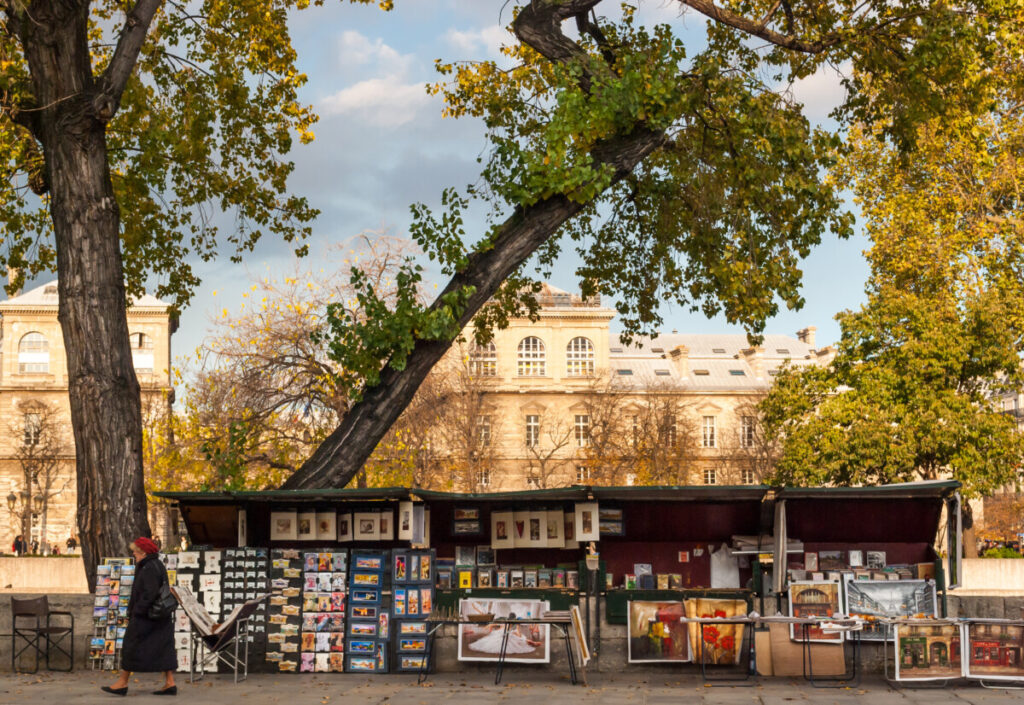
The architectural style of Les Bouquinistes de la Seine is characterized by the iconic green book stalls lining the riverbanks. These stalls represent a unique blend of traditional and practical design elements, creating a picturesque and functional space for literary enthusiasts.
Visitor Experience
Visitors to Les Bouquinistes de la Seine can expect a charming and authentic experience. While there may not be guided tours or special exhibitions, the ambiance is enriched by the opportunity to browse through a diverse collection of books, prints, and artwork. The serene setting along the Seine River offers a tranquil escape from the bustling city.
Accessibility and Amenities
Les Bouquinistes de la Seine are accessible to many visitors, including families and individuals with disabilities. While amenities may be limited, the surrounding area offers various facilities such as restrooms, cafes, and gift shops, ensuring a comfortable visit for all.
Best Time to Visit
- Golden Hours: Visit in the early morning or late afternoon for the best lighting and fewer crowds. This enhances the scenic beauty and allows for great photo opportunities.
- Spring and Autumn offer mild weather, making it pleasant to stroll along the Seine and browse the book stalls without the extremes of summer heat or winter cold.
- Weekdays: Weekdays are ideal for a more relaxed experience with fewer tourists compared to weekends, which can be busier.
Ratings and Reviews
The general consensus among reviewers and visitors is overwhelmingly positive. Visitors praise the unique and romantic atmosphere, the diverse selection of books, and the opportunity to interact with local vendors. However, some have noted the relatively high prices of certain items.
Compared to similar attractions in the area, Les Bouquinistes de la Seine stands out for its historical significance and authentic Parisian charm.
Photographic Opportunities
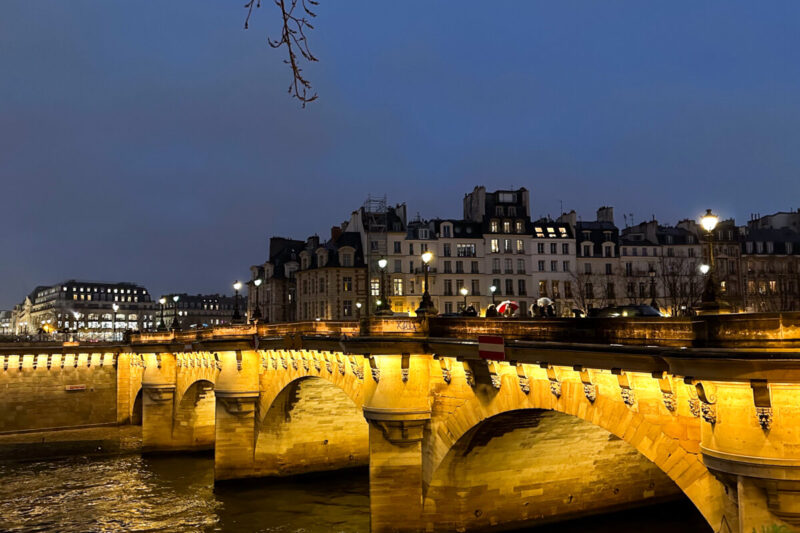
Les Bouquinistes de la Seine offers numerous photogenic spots, especially during the golden hours when the soft light enhances the beauty of the riverbanks. The iconic green book stalls, the picturesque bridges, and the Seine River itself provide ample opportunities for capturing memorable photographs.
- Universal Appeal and Cultural Authenticity (85/100): Les bouquinistes de la Seine are an iconic part of Parisian culture, deeply rooted in history and embedded in the city’s romantic identity. They manage to maintain and represent the authentic charm and traditions of old Paris, making them a must-visit for anyone wanting a genuine cultural experience.
- Cultural Richness and Educational Value (90/100): With a history spanning centuries, these book stalls offer a wealth of knowledge in forms ranging from rare books to vintage postcards. They are an excellent resource for those interested in French literature, art, and history and even offer engaging conversations with knowledgeable vendors.
- Preservation and Integrity (75/100): Efforts to preserve les bouquinistes have been ongoing, and they have been recognized by historical societies and the city of Paris itself. However, some challenges remain, including maintaining the condition of the stalls and facing modern pressures that threaten their traditional form.
- Accessibility and Visitor Engagement (70/100): While the book stalls are generally accessible, some visitors noted high prices and occasional poor customer service as downsides. Engagement is primarily through browsing and purchasing, without many interactive or guided experiences available. Nevertheless, the charm of interacting directly with the sellers adds to the experience.
Lining the banks of the Seine River since the 16th century, Paris‘s bouquinistes—secondhand booksellers with their distinctive green boxes—represent one of the French capital’s most enduring cultural institutions. Officially recognized in 1859 and now numbering approximately 230 vendors managing 900 boxes along three kilometers of quayside, these literary merchants form a living antiquarian library that UNESCO has recognized as part of the Seine’s World Heritage designation. The uniform dark green stalls—each measuring exactly 2 meters long by 0.75 meters deep—create a visual rhythm along both the Left and Right Banks between Pont Marie and Quai du Louvre. Inside these modest boxes unfolds a universe of intellectual treasures: vintage books in multiple languages, antique prints, postcards from bygone eras, and curios that capture fragments of Parisian history. While modern economic pressures have led some vendors to supplement their inventory with tourist souvenirs, the bouquinistes remain steadfast guardians of a bibliophilic tradition that has endured revolutions, world wars, and digital disruption. For both visitors and Parisians, browsing these open-air stalls—where each weathered volume holds stories beyond those printed on its pages—offers an authentic connection to the city’s literary soul and a quintessentially Parisian ritual that unfolds at the unhurried pace of the Seine itself.
Cultural Context
Les Bouquinistes de la Seine hold a unique place in Parisian culture, embodying the city’s longstanding reverence for literature, art, and intellectual exchange. These secondhand booksellers, who line the banks of the Seine River, have become cultural icons, symbolizing the spirit of Paris as a city of writers, philosophers, and artists. The tradition of selling books along the riverbanks dates back to the 16th century, evolving into a cherished custom that blends commerce with cultural preservation. The bouquinistes not only offer a diverse range of rare, antique, and contemporary books, but also prints, postcards, and posters, reflecting the evolving interests and tastes of Parisian society. Their presence fosters a vibrant street culture where locals and visitors alike engage in leisurely browsing, literary discoveries, and spontaneous conversations, reinforcing the social fabric of the city. The bouquinistes also participate in cultural celebrations and literary festivals, often serving as informal hubs for book launches and intellectual gatherings. Their green wooden boxes, painted in a distinctive shade known as ‘bouquiniste green,’ have become an emblem of Paris’s artistic heritage. This cultural practice highlights the importance Parisians place on accessible literature and the preservation of historical knowledge, making the bouquinistes a living testament to the city’s enduring commitment to culture and learning. The tradition continues to thrive today, bridging past and present in a uniquely Parisian way.
Historical Context
The history of Les Bouquinistes de la Seine dates back to the 16th century when itinerant booksellers began to gather along the banks of the Seine River in Paris, selling used and rare books. The term ‘bouquiniste’ itself emerged in the 17th century, derived from the French word ‘bouquin,’ meaning ‘book.’ By the 19th century, the bouquinistes had become a regulated and recognized institution, with official permits granted by the city to control the number and placement of their stalls. Their green boxes, designed to be foldable and weather-resistant, were introduced in the 1850s under the direction of Baron Haussmann during the extensive urban renovation of Paris. This period marked a significant evolution for the bouquinistes, as their stalls were standardized and integrated into the city’s broader urban planning efforts. Over centuries, these booksellers witnessed and adapted to major historical events, including the French Revolution, both World Wars, and the rise of digital media. Despite modern challenges, the bouquinistes have maintained their presence, preserving a tangible link to Paris’s literary and historical heritage. The UNESCO designation of the banks of the Seine as a World Heritage Site in 1991 further recognized the historical importance of the bouquinistes as part of Paris’s cultural landscape. Their enduring legacy offers a window into the city’s intellectual history and the evolution of book culture in France.