MenuClose

A place worth knowing

Deportation Martyrs Memorial

Attractions · Memorial in ParisUpdated

  • Google rating4.5/5
  • Typical visit30-60 minutes
  • EntranceFree
Tranquil Memorial Park with Historical Significance in Paris, France - Deportation Martyrs Memorial
Opening hours all week
Monday
10:00 AM – 7:00 PM
Tuesday
Closed
Wednesday
10:00 AM – 7:00 PM
Thursday
10:00 AM – 7:00 PM
Friday
10:00 AM – 7:00 PM
Saturday
10:00 AM – 7:00 PM
Sunday
10:00 AM – 7:00 PM
Tranquil Memorial Park with Historical Significance in Paris, France - Deportation Martyrs Memorial
The short answer

Why it matters

A solemn homage to resilience, set against Paris' heart.

Rationale

  1. Universal Appeal and Cultural Authenticity: The memorial authentically represents the somber experiences and memories associated with the deportation and the atrocities of the concentration camps during World War II. Its impact and significance resonate universally, as indicated by the emotional responses and reflections of diverse visitors from around the world.
  2. Cultural Richness and Educational Value: The memorial offers profound educational value, as stated by visitors who mention the profound effect of learning about the horrors of WWII and the information available in multiple languages. This educates about the past and enriches visitors’ understanding, resonating with a wide range of audiences, including students of history and families affected by WWII events.
  3. Preservation and Integrity: The memorial’s preservation was well-maintained. There has been some concern regarding closings for renovations due to flood damage. The integrity of conveying the historical somberness and respect for the victims seems top-notch, though accessibility issues during certain times somewhat impact the score in this category.
  4. Accessibility and Visitor Engagement: The location is free to visit and provides significant engagement opportunities through its exhibitions and the emotional architectural design. However, issues include the lack of visitor accommodations in large groups and possible closings during educational group visits. Improved visitor management and service could enhance the accessibility and engagement quality.

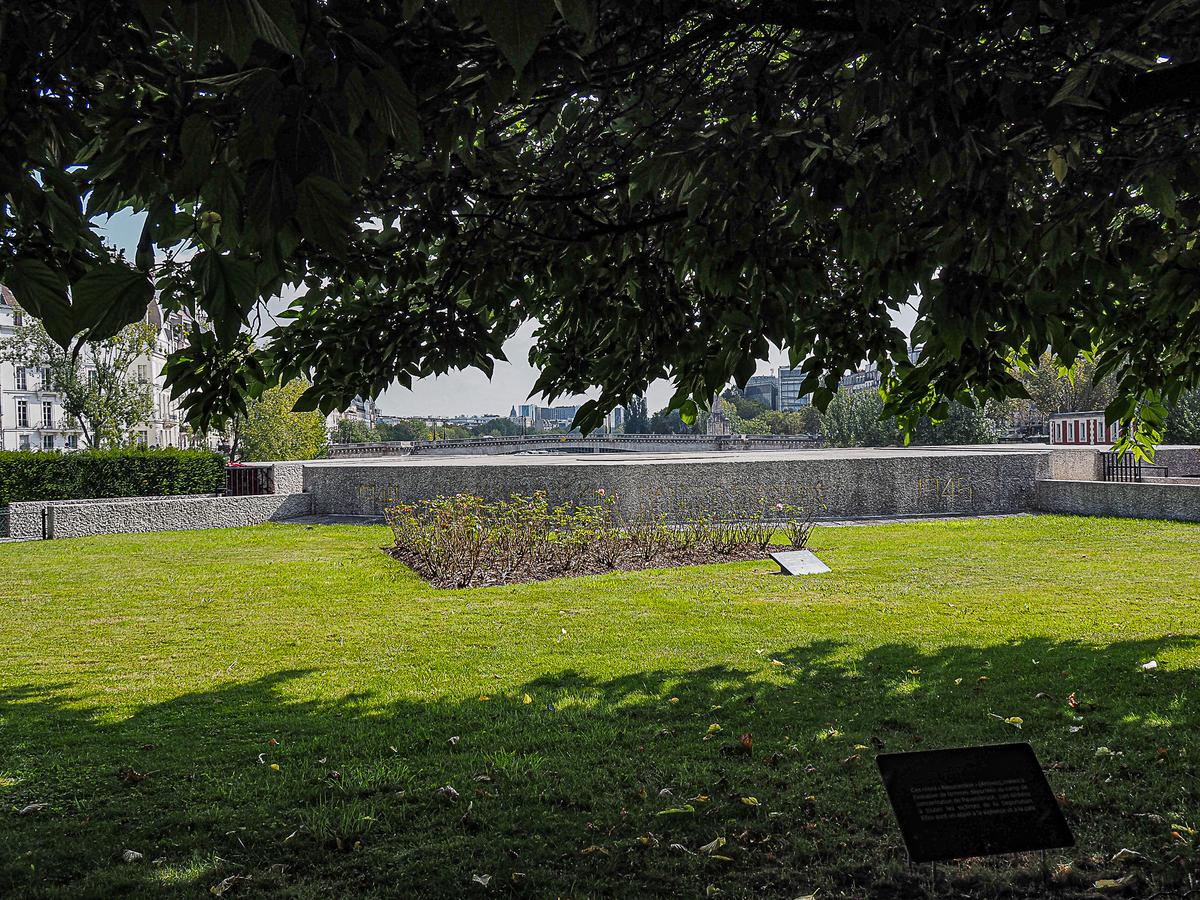
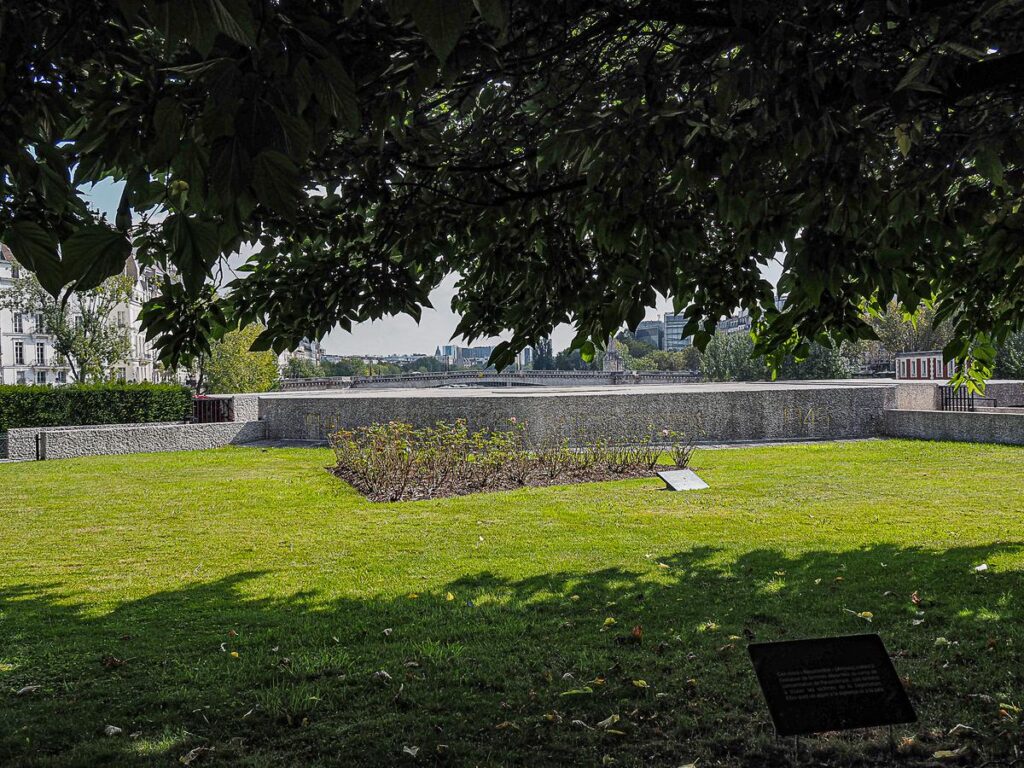
Hidden beneath the eastern tip of Île de la Cité behind Notre-Dame Cathedral, the Memorial des Martyrs de la Déportation (Deportation Martyrs Memorial) creates one of Paris‘s most powerful commemorative spaces through minimalist architecture designed to evoke the experience of Holocaust victims. Completed in 1962, this underground memorial designed by architect Georges-Henri Pingusson honors the 200,000 French citizens deported to Nazi concentration camps during World War II, most of whom never returned. Unlike more documentary Holocaust memorials, this site works primarily through emotional impact and symbolic architecture—visitors descend a narrow staircase into a confined courtyard before entering a stark, windowless crypt where a single light illuminates 200,000 backlit crystal pieces, each representing a deportee. The memorial’s most affecting element comes when visitors enter dim, concrete galleries containing tiny pinholes of light stretching into the distance, each representing 1,000 people who perished. Inscriptions from poets and survivors line the walls, while iron bars frame views of the Seine flowing past, simultaneously connecting visitors to Paris while emphasizing the isolation experienced by deportees. The memorial’s intentionally constrained spaces create physical discomfort that subtly evokes feelings of confinement and disorientation, establishing an experience that transcends normal tourism to create profound reflection on historical tragedy through spatial experience rather than artifacts or displays—demonstrating how architectural design can communicate emotional truths that documentary approaches might fail to convey.

Cultural Context

Memorial to 200000 people deported from Vichy France to Nazi concentration camps during World War II, inaugurated 1962 by Charles de Gaulle, profound reflection space on fragility of freedom and human endurance, described by survivors group Reseau de souvenir as sacred site of remembrance

Historical Context

Built on site of former morgue underground behind Notre Dame on Ile de la Cite eastern tip, designed by modernist architect Georges-Henri Pingusson 1894-1978, opened April 12 1962 as national memorial to deportation victims, represents Frances official acknowledgment of deportation tragedy

Context

Story and significance

About

Situated on the Ile de France along the Seine River lies the Deportation Martyrs Memorial. An evocative emblem of remembrance and resilience, this modernist monument, inaugurated in 1962, poignantly commemorates the souls swept into the darkness of Nazi concentration camps during World War II.

With its stark, minimalist design, the Memorial draws visitors into a profound reflection on the fragility of freedom and the indomitable spirit of those who perished. Enclosed by the historic walls that whisper tales of Parisian lore, this hallowed site offers a unique and immersive experience.

Visitors are invited to traverse through the memorial’s narrow confines, epitomizing the desolation and confinement experienced by countless victims. The Deportation Martyrs Memorial is not just a visit. It’s a poignant journey through the annals of human endurance and a solemn vow to remember.

As you plan your pilgrimage to this sacrosanct corner of Paris, allow ample time to fully absorb its profound message and unmatched tranquility, transforming an ordinary visit into a moment of deep historical and emotional connection.

Historical significance

This memorial is historically significant as a public acknowledgement of state and wartime crimes and a site that preserves collective memory of deportation victims. It plays a role in national reconciliation, historical education and the ongoing work of Holocaust and wartime remembrance.

Historical context

The memorial was established in the decades after World War II to acknowledge and commemorate those deported from France during the Nazi occupation and associated regimes. It reflects postwar efforts to document, remember and educate about deportations and concentration camps.

Cultural context

The Deportation Martyrs Memorial in Paris serves as a solemn place of remembrance where citizens and visitors honor victims of wartime deportations. It is a site for reflection, ceremonies and education about the human cost of political repression and war.

Architecture

The memorial’s design is intentionally austere and symbolic, often incorporating stone slabs, inscriptions and sculptural elements that evoke absence and loss. Materials and layout prioritize contemplative space and legibility for commemorative inscriptions rather than ornamental detail.

Local significance

The Deportation Martyrs Memorial serves as a solemn local site of remembrance for Parisians, particularly families and communities affected by World War II deportations. It functions as a place for quiet reflection, official commemorations and educational visits, anchoring memory of suffering and resistance within the cityscape. For neighborhood residents, the memorial helps keep the history of persecution visible and fosters civic conversations about human rights and historical responsibility.

Editorial scores

How we rate it

Universal appeal & authenticity10/10
Cultural richness & educational value10/10
Preservation & integrity10/10
Accessibility & visitor engagement10/10

Editorial scores on a 10-point scale, judged against places of the same kind.

Updated Data: Editorial research · Google Places ratings · Verified coordinates