Journey through global cultures at Musée du quai Branly.
- Universal Appeal and Cultural Authenticity
- The museum boasts an impressive collection from Africa, Asia, Oceania, and the Americas, capturing the essence of diverse cultures authentically.
- Temporary exhibits like the Mexican exhibit are beautifully curated, showcasing robust cultural narratives.
- A few reviewers mentioned concerns about the provenance of artifacts, particularly those from Africa, which could affect perceptions of authenticity.
- Cultural Richness and Educational Value
- The museum offers a wealth of information through its extensive and varied collection, with many artifacts on display for the first time in Europe.
- Educational videos and brochures in multiple languages enhance the learning experience.
- Programs for schoolchildren and guided tours add layers of educational value.
- Preservation and Integrity
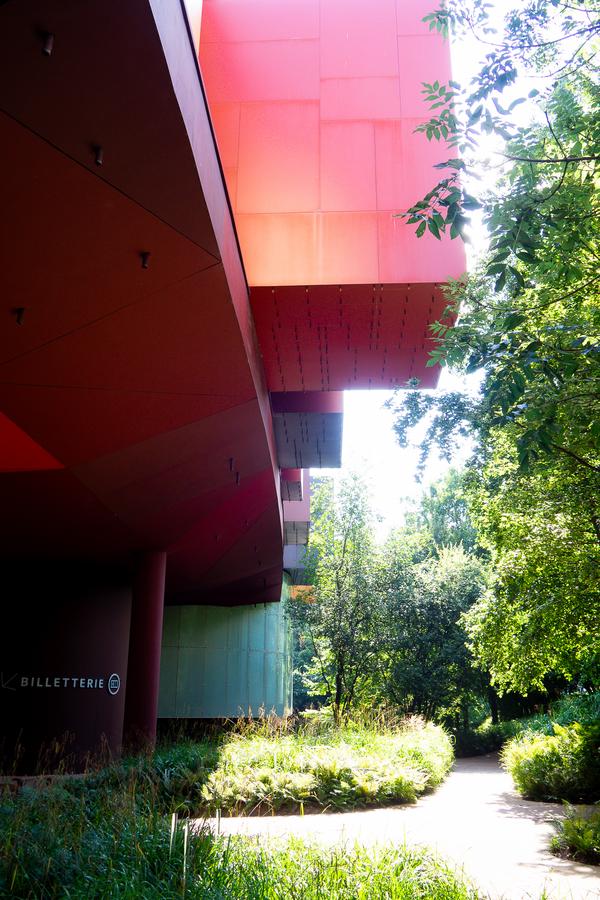
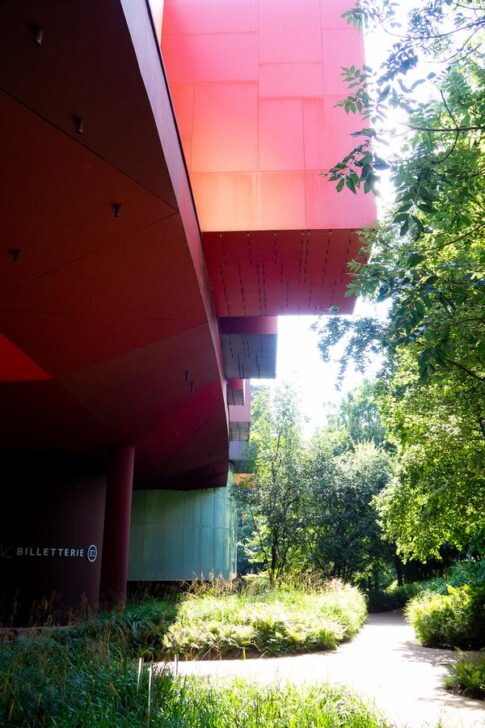
- Exhibition spaces are well-maintained and thoughtfully designed, with innovative architectural elements that blend with their environment.
- However, some visitors noted issues with lighting and display readability, impacting the overall experience.
- The museum ensures the maintenance and preservation of its collection, though concerns about rightful ownership of certain artifacts remain.
- Accessibility and Visitor Engagement
- Well-located near prominent Paris attractions like the Eiffel Tower, making it easy to visit while exploring the city.
- Facilities are comprehensive, with multiple toilets and a lovely café adding to visitor comfort.
- Interactive elements like the ‘river of languages’ ramp enhance the immersive experience, though more consistent English captions could improve accessibility for non-French speakers.
Musée du quai Branly – Jacques Chirac Review: A Cultural Gem in the Heart of Paris
History and Significance
The Musée du Quai Branly—Jacques Chirac opened its doors in 2006, but its roots go back much further. It houses collections from older Paris museums, some dating back 200 years! It’s like a treasure trove of human creativity from around the globe.
You’re stepping into former French President Jacques Chirac’s vision when you visit. He wanted a place to celebrate non-Western art and cultures. The museum’s name even honors him now.
Over a million objects from Africa, Asia, Oceania, and the Americas will be on display. It’s mind-blowing to think about all the stories these artifacts could tell!
The building itself is a work of art, too. French architect Jean Nouvel designed it to be modern yet respectful of nature. You might notice the giant green wall on one side – it’s alive with plants!
This place isn’t just about looking at old stuff. It’s meant to spark dialogue between cultures, and when you explore the exhibits, you’re part of that ongoing conversation.
Main Attractions and Activities
You’ll be amazed by the sheer variety of artifacts at the Musée du Quai Branly. The museum houses over 300,000 works from Africa, Asia, Oceania, and the Americas.
As you wander through the galleries, you’ll encounter intricately carved masks, colorful textiles, and ancient sculptures. Don’t miss the impressive totem poles from the Pacific Northwest!
The museum’s unique architecture is an attraction in itself. You’ll love the lush vertical garden covering the exterior wall. It’s a perfect spot for a quick photo op.
For a deeper dive, join one of the guided tours. They’re great for learning about the stories behind the objects.
If you’re feeling creative, try your hand at a workshop. You might learn traditional weaving techniques or mask-making.
Hungry? Grab a bite at the rooftop restaurant. You’ll enjoy stunning views of the Eiffel Tower while you eat.
Remember to check out the temporary exhibitions too. They often showcase contemporary Indigenous artists, giving you a fresh perspective on non-Western cultures.
Visitor Experience
As you step into the Musée du quai Branly – Jacques Chirac, you’re instantly transported to a world of cultural wonders. The museum’s unique architecture and lush gardens create a tranquil atmosphere that sets the tone of your visit.
Inside, you’ll find the galleries buzzing with a mix of locals and tourists. Don’t worry, though; it rarely feels overcrowded. You can take your time exploring the exhibits without feeling rushed.
The staff here are super friendly and knowledgeable. They’re always happy to answer your questions or point you in the right direction. If you’re lucky, you might catch one of the guided tours for some extra insight.
One of the coolest things about this place is how interactive it is. You can touch certain artifacts and even try on traditional costumes. It’s a great way to connect with the cultures on display.
Pro tip: Grab an audio guide. It’s packed with fascinating stories that bring the exhibits to life. Trust me, it’s worth it!
Tips for Visitors
Want to make the most of your Musée du quai Branly visit? Here’s the inside scoop! Aim to arrive early on weekday mornings to beat the crowds. The museum opens at 10:30 AM Tuesday through Sunday and stays open late on Thursdays until 9:30 PM—perfect for an evening adventure.
Dress comfortably – you’ll be doing lots of walking. Bring a light jacket as the galleries can get chilly.
Ticket prices:
- Adults: €12
- 18-25 years: €9
- Under 18: Free
Pro tip: Book online in advance to skip the lines. The Paris Museum Pass also gets you in for free!
Don’t miss the rooftop terrace for amazing views of the Eiffel Tower. Grab an audio guide (€5) to learn more about the fascinating exhibits.
Feeling peckish? The museum café serves tasty light bites with a view. You can also pack a picnic to enjoy in the lovely gardens outside.
Remember your camera – you’ll want to capture the striking architecture and lush landscaping.
Accessibility and Facilities
You’ll be glad to know that the Musée du quai Branly—Jacques Chirac welcomes all visitors with open arms.
If you have mobility challenges, there’s a special entrance just for you at 222 rue de l’Université.
Inside, the museum is easy to navigate. Elevators and ramps make getting around a breeze, and there are accessible restrooms on every floor.
Feeling peckish? The museum’s café and restaurant have you covered. Grab a quick bite or sit down for a leisurely meal between exhibits.
Parking can be tricky in Paris but don’t worry. If you’re driving, there’s a public parking lot nearby.
I was impressed by how smoothly everything ran during my visit. The staff was super helpful and always ready to help.
One tip: if you need special assistance, don’t hesitate to contact the accessibility team. They’re happy to help make your visit as enjoyable as possible.
Unique Features
You’ll be amazed by the architectural marvel of the Musée du quai Branly. As you approach, you’re greeted by a stunning vertical garden covering an entire wall – like nothing you’ve ever seen!
Inside, the museum’s layout is truly one-of-a-kind. You wander through dimly lit, winding paths that mimic a jungle trek. It’s an immersive experience that makes you feel like you are exploring distant lands.
The collection itself is a treasure trove of non-Western art. You’ll encounter intricate masks, colorful textiles, and ancient artifacts from Africa, Asia, Oceania, and the Americas. It’s a cultural journey around the world under one roof!
Remember my first visit? I was captivated by a towering totem pole from the Pacific Northwest. Its intricate carvings told stories I could only imagine. That’s the magic of this place – it sparks your imagination and transports you to far-off cultures.
Don’t miss the rooftop terrace, which offers breathtaking views of the Eiffel Tower that will make your Instagram followers jealous.
Best Time to Visit
- Early Weekday Mornings (Tuesday – Friday, 10:30 AM – 12:00 PM): The museum opens at 10:30 AM, and visiting early on weekdays allows you to explore the exhibits with fewer crowds. This is especially advantageous if you want to take your time with the displays and enjoy a quieter atmosphere before the museum reaches its peak visitation times.
- Late Afternoon (Tuesday – Friday, after 5:00 PM): Visiting in the late afternoon on weekdays, particularly after 5:00 PM, tends to be less crowded as many visitors start to leave. This timing is ideal if you prefer a more serene experience and still have ample time to explore before the museum closes at 7:00 PM.
- Avoiding Weekends and School Holidays: The museum is particularly popular with school groups and tourists on weekends and during school holidays, leading to higher visitor numbers and more crowded conditions. To avoid these busy times, plan your visit on a weekday when there are typically fewer children and large groups.
Overall Impressions
You’ll be captivated by the Musée du quai Branly—Jacques Chirac. It’s a treasure trove of Indigenous art from Africa, the Americas, Asia, and Oceania. The building is stunning, with its living wall of plants and unique architecture.
Inside, you’re greeted by dimly lit spaces filled with fascinating artifacts. Masks, sculptures, and textiles from around the world surround you. The museum does a great job explaining the cultural context of each piece.
Some of the masks might be a bit scary, but that’s part of their allure. Plan to spend at least 2 hours here – there’s so much to see!
The audio guide is super helpful. It gives you lots of interesting info about the exhibits.
This place is perfect if you want to learn about non-Western cultures. It’s not your typical Paris museum, which makes it extra special.
You’ll leave feeling like you’ve traveled the world. It’s definitely worth a visit, especially if you’re into anthropology or world cultures.
Pros and Cons
Let’s break down the good and not-so-good parts of the Musée du quai Branly – Jacques Chirac:
Pros:
• Amazing location near the Eiffel Tower
• Stunning modern architecture by Jean Nouvel
• Huge collection of non-Western art and artifacts
• Immersive, theatrical exhibition spaces
• Beautiful garden with over 150 trees
Cons:
• Can feel overwhelming due to the sheer size
• Some find the layout confusing to navigate
• Controversial history of how some artifacts were acquired
• Limited information in English for some exhibits
• Pricey admission compared to other Paris museums
You’ll be wowed by the unique building and lush gardens as soon as you arrive. The museum’s location is hard to beat – you can easily combine it with an Eiffel Tower visit.
Inside, you’re in for a treat with over a million objects from Africa, Asia, Oceania, and the Americas. The displays are super creative and pull you in.
But heads up – it’s huge! You might feel a bit lost at times. I know I did on my first visit. And if your French isn’t great, you might struggle with some information panels.
The entry fee is steep, but there’s so much to see that you’ll definitely get your money’s worth. Just be prepared to spend at least half a day here to take it all in.