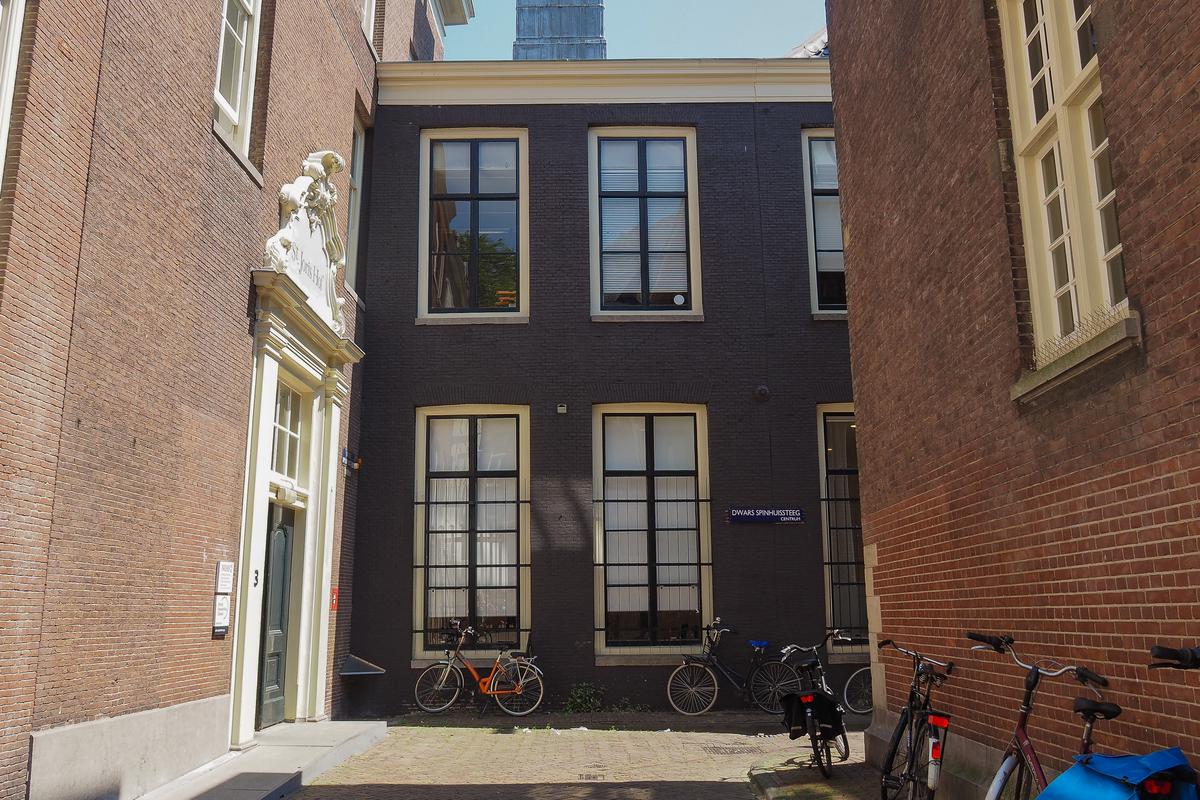
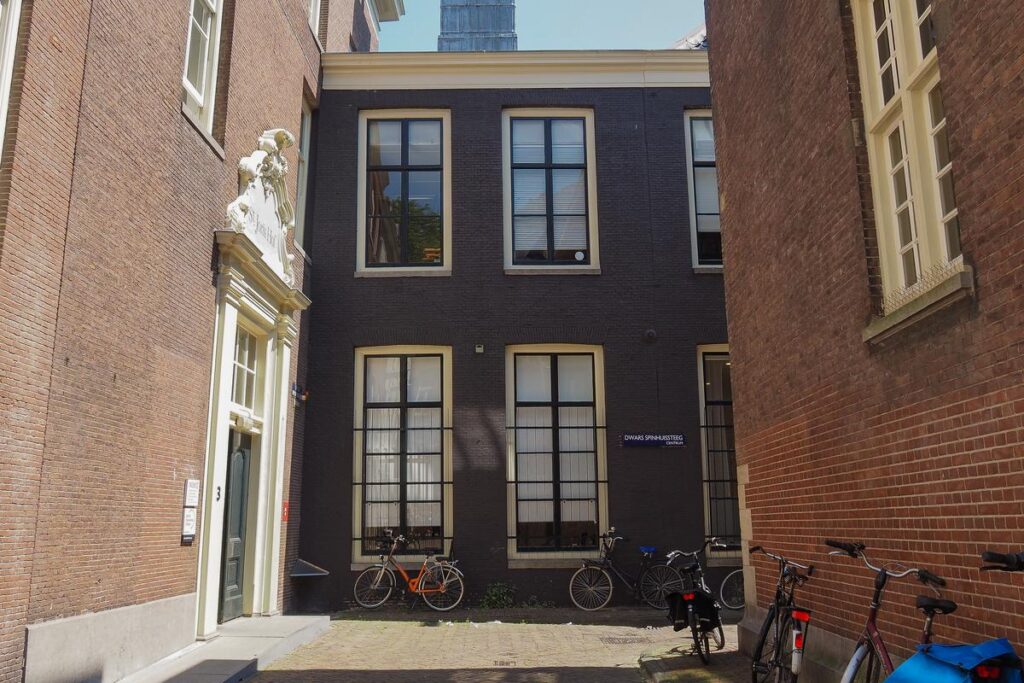
The Spinhuis, originally built in 1645 as Amsterdam‘s first women’s prison and workhouse, stands as a profound testament to the city’s complex social history. Named for the spinning work inmates performed (“spin” meaning “to spin” in Dutch), this historic building with its distinctive stepped gable façade now serves as an educational space. Visitors encounter a poignant juxtaposition of austere architecture and sobering history, offering insight into historical approaches to crime, punishment, and social reform in the Netherlands. The building’s preservation allows for meaningful reflection on both historical inequities and Amsterdam’s evolution beyond the typical canal views and tourist landmarks, providing a deeper understanding of the city’s multifaceted past.
Cultural Context
The Spinhuis holds a significant place in the cultural fabric of Amsterdam and the Netherlands as a symbol of the early modern approach to social reform and gender-specific incarceration. Established in 1645, the institution was designed to house women who were convicted of minor crimes or deemed socially deviant, including prostitutes and vagrants, reflecting the period’s moral and social attitudes. The Spinhuis was not only a prison but also a workhouse where inmates were expected to engage in spinning and textile production, a practice rooted in the belief that labor could rehabilitate and morally reform individuals. This intertwining of punishment and productivity reflects broader Dutch cultural values of discipline, order, and social responsibility during the 17th century. Over time, the Spinhuis became a reference point in discussions about women’s roles, social control, and the development of penal systems. Today, its legacy is preserved in cultural memory and historical discourse, serving as a reminder of the evolving perceptions of justice, gender, and labor in Dutch society. The building and its history contribute to ongoing conversations about human rights and social justice, making it a culturally significant site for understanding past societal structures and their lasting impact.
Historical Context
The Spinhuis was constructed in 1645 during the Dutch Golden Age, a period marked by economic prosperity and cultural flourishing in Amsterdam. It was established as the city’s first women’s prison and workhouse, specifically designed to detain and reform women convicted of petty crimes or considered socially undesirable. The institution operated under the principle that enforced labor, particularly spinning yarn, could instill discipline and moral rectitude. This approach was part of a broader European trend in the 17th century toward institutionalizing social control through workhouses and correctional facilities. Over the centuries, the Spinhuis underwent several changes in function and structure, reflecting shifts in penal philosophy and urban development. By the 19th century, it ceased to function as a prison and was repurposed for other municipal uses. The building’s history is intertwined with notable historical figures in Amsterdam’s civic administration who advocated for social reform and public order. Its existence highlights the intersection of gender, social policy, and urban governance in early modern Europe. The Spinhuis remains an important historical landmark that documents the evolution of criminal justice and social welfare practices in the Netherlands.