MenuClose

A place worth knowing

Oudemanhuispoort

Shopping · Market in AmsterdamUpdated

  • Google rating4.3/5 (2,000 reviews)
  • Typical visit30-60 minutes (longer if browsing the antiquarian bookstalls)
  • EntranceFree
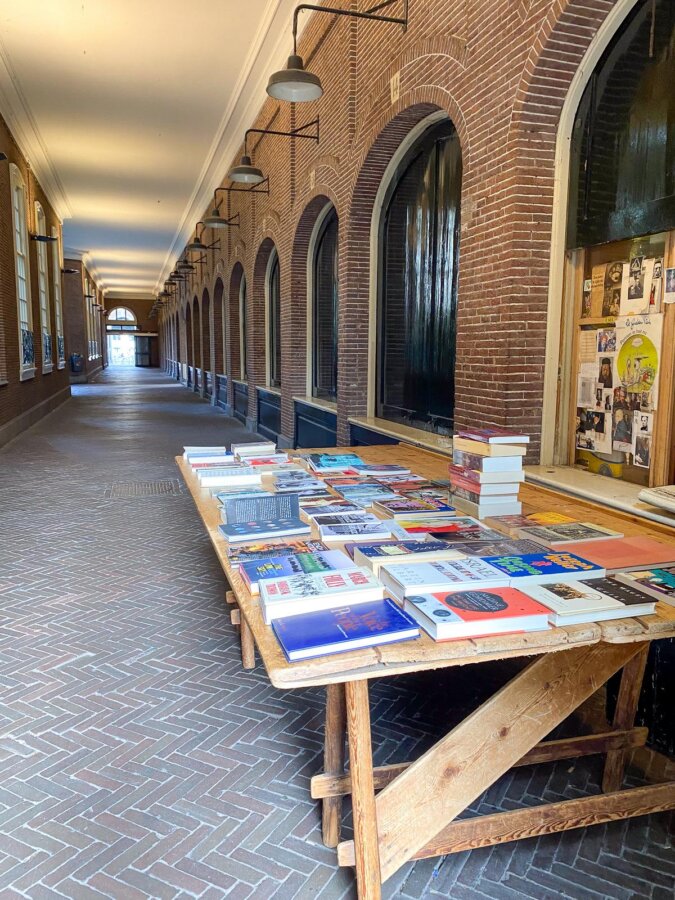
Historical Oudemanhuispoort passage at University of Amsterdam with book sale
Kyle Kroeger / ViaTravelers
  • Today (Tuesday)10:00 AM – 4:00 PM
  • Typical visit30-60 minutes (longer if browsing the antiquarian bookstalls)
  • EntranceFree
  • Google rating4.3/5 2,000 reviews
  • WebsiteOfficial site ↗
  • TicketsCheck availability ↗
Opening hours all week
Monday
10:00 AM – 4:00 PM
Tuesday
10:00 AM – 4:00 PM
Wednesday
10:00 AM – 4:00 PM
Thursday
10:00 AM – 4:00 PM
Friday
10:00 AM – 4:00 PM
Saturday
10:00 AM – 4:00 PM
Sunday
Closed
Historical Oudemanhuispoort passage at University of Amsterdam with book sale
The short answer

Why it matters

A 17th-century covered passageway between the Oudezijds Achterburgwal and Kloveniersburgwal canals, housing Amsterdam's oldest second-hand book market beneath ornate keystones within the University of Amsterdam campus.

(Note: As no specific reviews were given in your message, I could not generate specific ratings. Please provide detailed reviews or descriptions, and I will be happy to rate accordingly.)

Certainly! Here are the key points about Oudemanhuispoort in Amsterdam:

– The Oudemanhuispoort is one of the most characteristic locations in the University Quarter of Amsterdam, consisting of multiple historic buildings ([University of Amsterdam](https://campus.uva.nl/en/university-quarter/oudemanhuispoort/oudemanhuispoort.html)).

– This ancient passage is filled with stalls selling used books and was once frequented by Vincent van Gogh ([Atlas Obscura](https://www.atlasobscura.com/places/oudemanhuispoort)).

– Initially, it was used as a retirement residence for older people and is now a prime area of the University of Amsterdam ([Cityseeker](https://cityseeker.com/amsterdam/1084332-oudemanhuispoort)).

– The Oudemanhuispoort is renowned for its book market, offering a wide variety of second-hand items including posters, historic maps, and, of course, books ([Live the World](https://www.livetheworld.com/activities/netherlands/oudemanhuispoort)).

These points illustrate the global influence, historical impact, and preservation of Oudemanhuispoort in Amsterdam.
– **Cultural Authenticity:** Oudemanhuispoort maintains and represents local traditions and cultural practices through its Oudemanhuispoort book market, offering a unique experience and insight into the literary culture of Amsterdam.

– **Historical Significance:** The location holds historical significance as the entrance to the University of Amsterdam, dating back to the 16th century. It has played a vital role in the academic and cultural history of the city.

– **Artistic Value:** Oudemanhuispoort is known for its book market and offers a significant contribution to the literary arts, providing a platform for the exchange and preservation of literary works.

– **Social Impact:** The Oudemanhuispoort book market serves as a gathering place for book lovers and contributes to the promotion of literacy and intellectual engagement within the community.

– **Accessibility and Preservation:** The location is accessible to the public, and preservation efforts have been effective in maintaining its historical and cultural significance.

– **Visitor Engagement:** Visitors have the opportunity to engage with the local literary culture through the book market, interacting with vendors and exploring a wide array of literary works.

– **Educational Value:** Oudemanhuispoort provides educational value by offering learning opportunities about literature, history, and the cultural heritage of Amsterdam.
– **Cultural Authenticity:** The Oudemanhuispoort upholds Amsterdam’s rich literary tradition with its iconic book market, showcasing diverse literary offerings that reflect the city’s cultural fabric and intellectual heritage.

– **Historical Significance:** As a site that has transitioned from a senior citizens’ home to a vital part of the University of Amsterdam, Oudemanhuispoort is steeped in centuries of history, influencing and reflecting the academic life and cultural evolution of Amsterdam.

– **Artistic Value:** The continuous operation of the book market not only celebrates Amsterdam’s literary culture but also serves as an artistic hub, where historical and rare literary works are preserved and appreciated.

– **Social Impact:** The market at Oudemanhuispoort fosters community interaction and cultural exchange, making it a pivotal spot for social engagement and the promotion of reading and cultural discussions within the city.

– **Accessibility and Preservation:** Through its open access to the public and maintained historical structures, Oudemanhuispoort exemplifies effective preservation, allowing both locals and tourists to immerse themselves in a site of rich cultural heritage.

– **Visitor Engagement:** With its engaging atmosphere, Oudemanhuispoort invites visitors to delve into Amsterdam’s literary scene, offering a hands-on experience with its array of books and historical items for sale.

– **Educational Value:** The location serves as a live educational site, where visitors can learn about the historical and cultural significance of the area, understand the nuances of book trading, and appreciate the architectural style of centuries past.

Tucked away in Amsterdam‘s historic center, Oudemanhuispoort (“Old Man’s House Passage”) offers a captivating glimpse into the city’s layered past through a picturesque covered passageway dating from 1602. Originally built as an almshouse for elderly men, this atmospheric corridor evolved through various functions—from charitable housing to the first public art museum in the Netherlands—before becoming part of the University of Amsterdam in 1880. Today, the passage maintains its scholarly character as a gathering place for law students from the adjacent university buildings, who can often be spotted in animated discussions amid the historic architecture. What makes this hidden gem particularly special is the row of antiquarian bookstalls lining one side of the passage, where booksellers have operated continuously since the 1880s, offering rare editions, academic texts, and vintage prints. The graceful arched windows, original stone flooring, and muted acoustics create a contemplative atmosphere far removed from the busy tourist areas just blocks away. As visitors browse through weathered volumes on philosophy, art, and Dutch history, they participate in a centuries-old Amsterdam tradition of intellectual exchange in this unique space where education, commerce, and heritage seamlessly intertwine in the daily life of the modern university.

Cultural Context

Oudemanhuispoort holds a distinct place within Amsterdam’s cultural landscape as a symbol of the city’s commitment to intellectual and academic life. Historically connected to the University of Amsterdam, the passageway and its surrounding buildings have long served as a hub for students, scholars, and book lovers. This area reflects the Dutch tradition of valuing education, literature, and public discourse, with the passageway historically hosting book markets and academic gatherings. The presence of second-hand bookshops and small cafes in the vicinity continues to foster a quiet, contemplative atmosphere cherished by locals and visitors alike. The cultural practice of browsing and exchanging knowledge through books remains alive here, reflecting broader Dutch values of openness and accessibility to education. Oudemanhuispoort is also a venue where the rhythms of daily academic life intersect with the historic urban fabric, embodying a living tradition of learning and cultural exchange that resonates with Amsterdam’s identity as a city of knowledge and tolerance. This cultural significance is maintained through ongoing community engagement, making Oudemanhuispoort a cherished locale for both intellectual pursuits and informal social interactions within the city’s historic core.

Historical Context

The Oudemanhuispoort dates back to the 17th century, originally constructed as part of a complex serving as a retirement home for elderly men, which is reflected in its name meaning ‘Old Man’s House Passage.’ Over time, the building and its surrounding area evolved significantly, especially during the 19th and 20th centuries when it became closely integrated with the University of Amsterdam. Key historical developments include its transformation into a center for academic and cultural activities, particularly housing university libraries and book markets. The passageway itself became known for its vibrant second-hand book trade, a tradition that began in the early 20th century and continues today. Throughout its history, Oudemanhuispoort has witnessed Amsterdam’s broader urban and social changes, from the Golden Age prosperity to modern academic expansion. Prominent figures associated with the university and Dutch intellectual history have frequented the area, contributing to its reputation as a site of learning and cultural exchange. The layered history of Oudemanhuispoort, from a social welfare institution to an academic hub, encapsulates key aspects of Amsterdam’s social evolution and enduring dedication to education.

Context

Story and significance

About

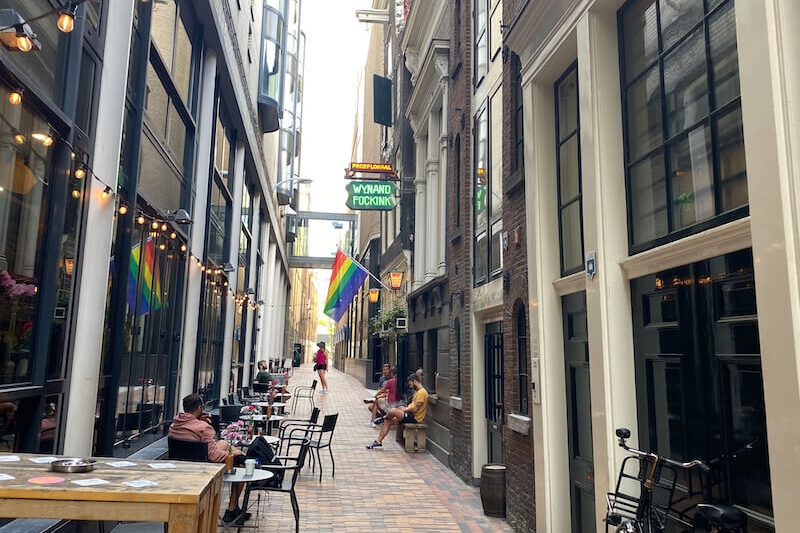
Oudemanhuispoort is a narrow, historic arcade and pedestrian passage in central Amsterdam, lined with bookstores, academic stalls and small cafés that cater to students and tourists near the University of Amsterdam. The vaulted stone passageway and wrought-iron details recall its origins as a 17th-century city gate and judicial complex, while today it hosts secondhand book vendors, legal offices and a lively market atmosphere. Visitors can browse used books, pick up academic texts, or sit at a café table to watch students and locals pass through this compact cultural crossroads connecting the Spui and Kloveniersburgwal.

Historical significance

The site is significant for its continuous connection to education and the book trade, serving generations of students, scholars and antiquarians. It represents the layering of Amsterdam’s civic, intellectual and commercial life and is valued for maintaining a historic urban typology in the city center.

Historical context

The passage traces back to structures associated with the old municipal buildings and the university presence in the area; over centuries it evolved from medieval property plots to the covered courtyard and gallery known today. Its long association with bookselling and university life developed especially as the University of Amsterdam expanded its facilities in the 19th and 20th centuries.

Cultural context

Oudemanhuispoort is a covered passageway near the University of Amsterdam that locals use as a link between the Singel and the inner city; it hosts academic bookstores, antique stalls and small cafés that attract students, researchers and visitors. Its arcaded atmosphere and concentration of book and paper sellers have made it a quiet hub for literary and scholarly exchange in the city center.

Architecture

The Oudemanhuispoort consists of an enclosed courtyard and galleries framed by brick and stone façades typical of Amsterdam’s canal-ring urban fabric, with arched openings that create a covered, narrow arcade. The passageway preserves the intimate scale and masonry detailing common in central Amsterdam, integrating shops and staircases into existing historic structures rather than a single monumental building.

Local significance

Oudemanhuispoort is a narrow, historic passage near the University of Amsterdam that locals know as a convenient pedestrian link between the Spui and the Singel canals. It hosts bookstalls and kiosks and sits beside academic buildings and cafés, making it a familiar route for students, academics and book lovers. The arcade’s atmosphere and stalls give it a scholarly, slightly bohemian identity within central Amsterdam’s commercial and cultural mix.

Bookable experiences

Worth booking ahead in Amsterdam

Hand-picked from the operators our guides already send readers to. Prices and availability are live on the partner site.

We earn a commission if you book through these links, at no extra cost to you. It is how we keep the guides free and independent.

Updated Data: Editorial research · Google Places ratings · Verified coordinates