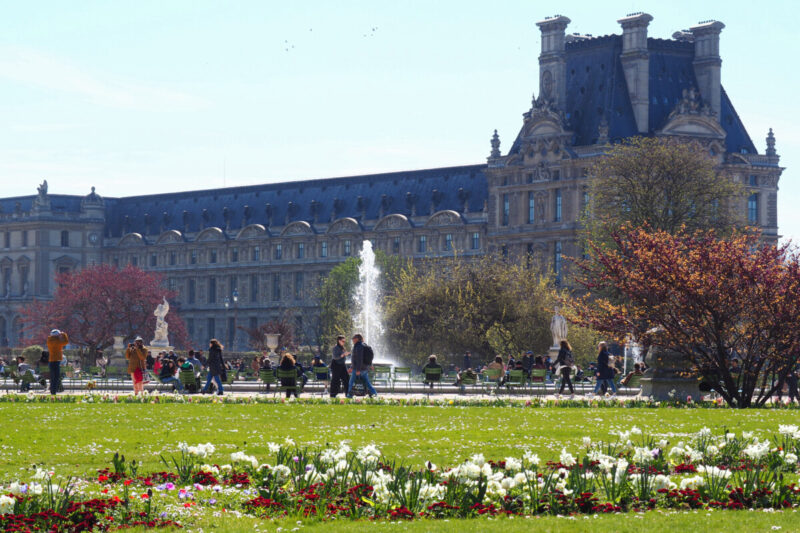
Experience the traditional French garden aesthetic with symmetrical patterns, classical sculptures, and historical significance. Engage with artistic works and community events in this vital public space.
Cultural Context
The Tuileries Garden holds a prominent place in French cultural life as a symbol of the classical French formal garden tradition, embodying centuries of artistic and social practices. Originally designed in the 16th century and later transformed by André Le Nôtre in the 17th century, the garden reflects the French appreciation for order, symmetry, and harmony with nature, principles deeply embedded in French aesthetics. Throughout history, the garden has served as a public space for leisure, social gatherings, and cultural events, including art exhibitions and open-air performances, which continue to foster community engagement. The garden’s sculptures, fountains, and carefully manicured greenery provide a backdrop for seasonal celebrations such as Bastille Day festivities and the Christmas market, emphasizing its role as a living cultural venue. Moreover, the Tuileries Garden is intertwined with Parisian daily life as a place where locals and visitors alike enjoy promenades, picnics, and moments of reflection amid the urban environment. Its cultural resonance extends beyond France, influencing garden design worldwide and representing the enduring legacy of French landscape artistry. The garden’s ongoing maintenance and programming reflect a commitment to preserving this cultural heritage while adapting to contemporary urban needs, making it a vibrant cultural landmark in Paris today.
Historical Context
The Tuileries Garden was established in 1564 by Catherine de’ Medici, who commissioned it as the garden of the Tuileries Palace, marking the introduction of Italian Renaissance garden design to Paris. Over the centuries, the garden underwent significant transformations, most notably in the 1660s when André Le Nôtre, the famed landscape architect behind the gardens of Versailles, redesigned it into the quintessential French formal garden characterized by geometric patterns, axial paths, and carefully clipped hedges. The garden witnessed numerous historical events, including its role during the French Revolution when the Tuileries Palace became a royal residence and later a focal point of revolutionary activity. The garden also served as a public park following the fall of the monarchy, symbolizing the democratization of formerly aristocratic spaces. In the 19th century, the garden was integrated into the urban fabric of Paris by Baron Haussmann during his extensive city renovations. The destruction of the Tuileries Palace in 1871 during the Paris Commune marked a turning point, leaving the garden as a standalone public space. Throughout the 20th and 21st centuries, the Tuileries Garden has been preserved as a historical monument, reflecting the layered history of Paris from Renaissance monarchy to modern republic, making it an enduring testament to the city’s evolving identity.