
Yellowstone National Park
Yellowstone sits on a supervolcano with half the world’s geysers — Old Faithful is the one everyone knows, but the Grand Prismatic Spring is the one that stops you cold.
Wildlife travel guides covering safaris, whale-watching seasons, primate treks, and responsible viewing operators across Africa, the Arctic, the Galápagos, and Southeast Asia.
Yellowstone sits on a supervolcano with half the world’s geysers — Old Faithful is the one everyone knows, but the Grand Prismatic Spring is the one that stops you cold.

Yosemite has El Capitan’s 3,000-foot granite face, Yosemite Falls dropping 2,425 feet, and a valley floor that John Muir called the grandest of all special temples of nature.

The Grand Canyon is 277 river miles of exposed geological time — two billion years visible in striped rock layers that no photo, video, or description truly prepares you for.

Grand Teton rises 7,000 feet straight from the valley floor with no foothills — the most dramatic mountain-to-flatland transition in the lower 48, right next to Yellowstone.

Zion’s canyon walls glow red and orange with the Virgin River carving through the bottom — Angel’s Landing has chains bolted to rock for the last half mile and the views earn every grip.

Patagonia stretches across Argentina and Chile with glaciers calving into lakes, Torres del Paine spearing the sky, and a wind that lets you know who’s in charge.

Victoria is the most British city in Canada — afternoon tea at the Empress, a harbor lined with floatplanes, and Butchart Gardens blooming on a former quarry.

St. John’s is North America’s oldest and easternmost city — colorful row houses on Signal Hill, icebergs in the harbor, and a friendliness that Newfoundland is famous for.
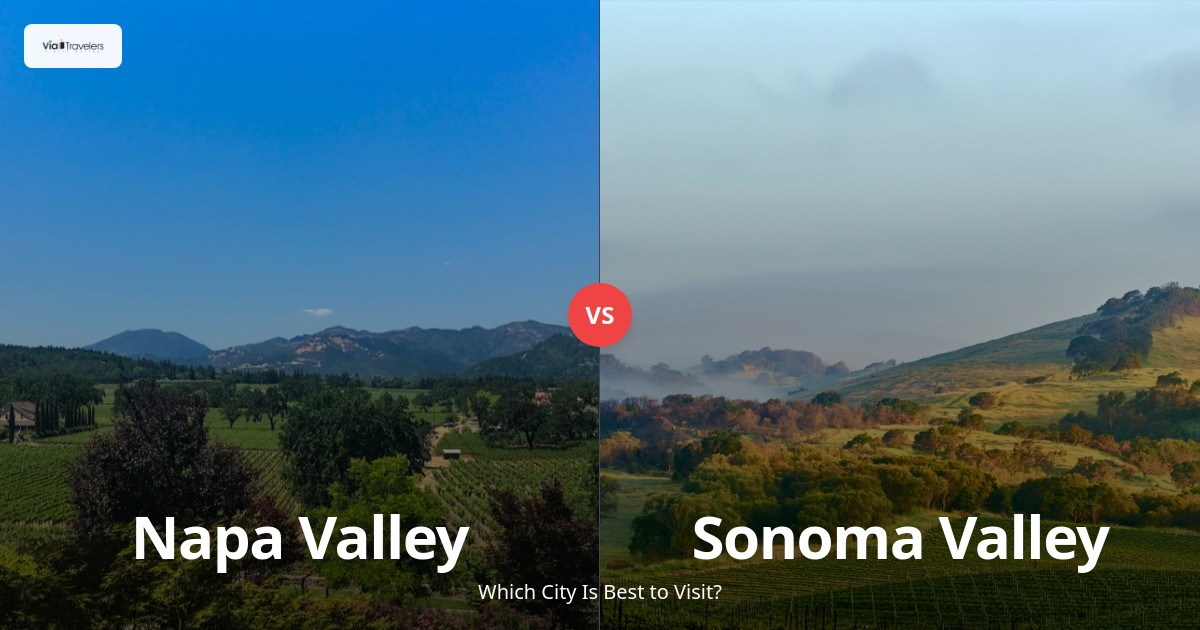
Sonoma is Napa’s more relaxed neighbor — fewer limos, more farm stands, and a town square where you can taste world-class Pinot Noir without the Napa Valley markup.

Rocky Mountain National Park has Trail Ridge Road crossing the Continental Divide above 12,000 feet — elk herds, alpine tundra, and peaks that make Colorado’s front range look flat.
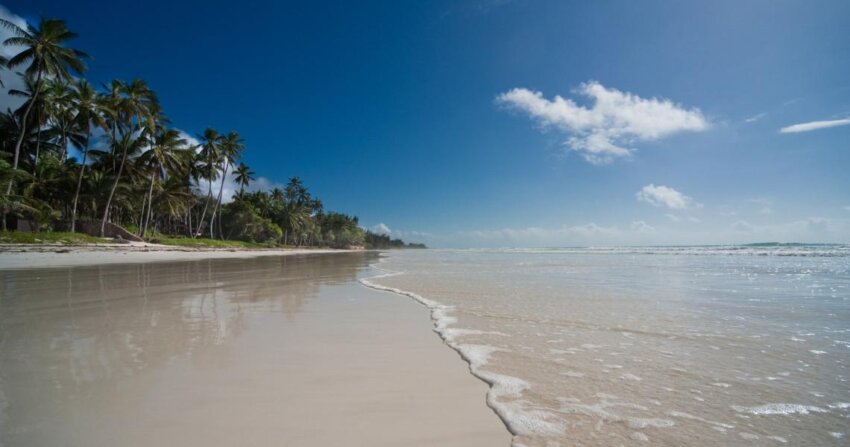
Kenya has the Great Migration crossing the Mara, Mount Kenya’s glaciers, and a Swahili coast where Lamu island moves at dhow speed. Safari is just the beginning.

Johannesburg is South Africa’s economic engine with Apartheid Museum, Constitution Hill, and a Maboneng arts district that channels the city’s reinvention energy.

Jackson Hole has the steepest ski terrain in the US and a town square with elk antler arches — a Wyoming mountain valley that takes itself exactly as seriously as its peaks.

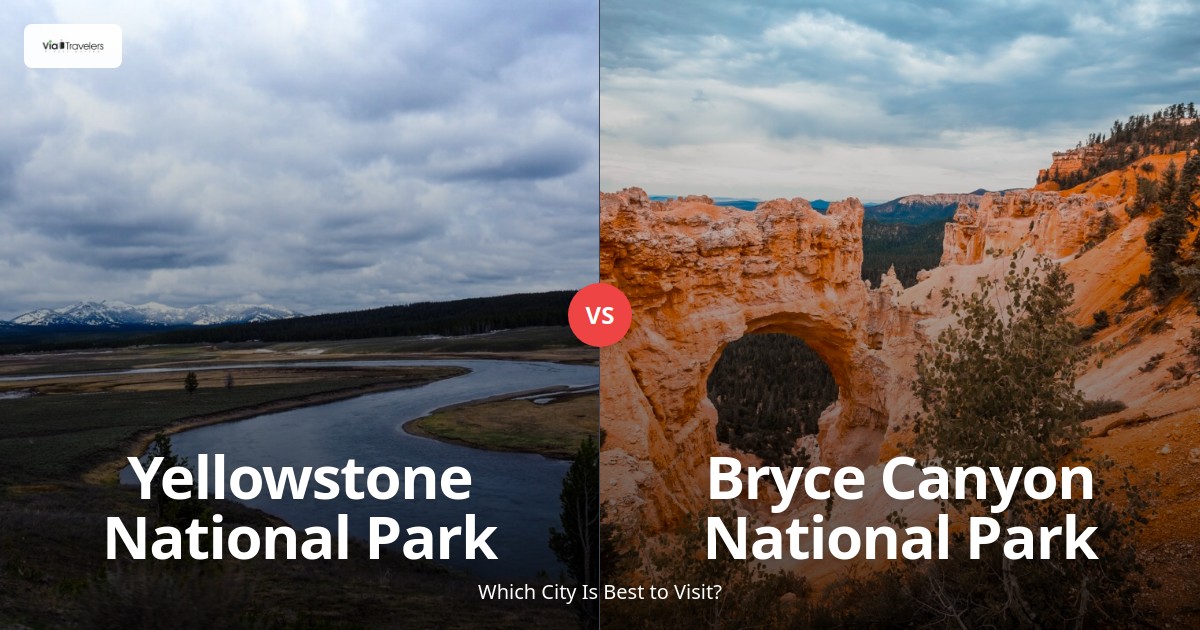
Bryce Canyon’s hoodoos glow orange at sunrise and the Navajo Loop trail drops you right into the amphitheater — Utah’s most photogenic national park by a wide margin.

Banff sits in the Canadian Rockies where the lakes are actually that color — Lake Louise and Moraine Lake don’t need a filter, just clear morning light.

Glacier National Park had 150 glaciers when it was named. Fewer than 25 remain — making the Going-to-the-Sun Road one of the most urgent drives in America.

The Grand Canyon is 277 miles long, up to 18 miles wide, and over a mile deep — no amount of photos prepares you for standing at the rim for the first time.


Juneau is the only US state capital unreachable by road — hemmed in by ice fields, rainforest, and a glacier you can walk to from downtown.

Jacksonville is the largest city by area in the lower 48 — beaches, a riverfront downtown, and enough room to avoid the crowds that plague Florida’s coasts.

Sloths, monkeys, macaws, and poison dart frogs — often all in one day. Costa Rica delivers on wildlife in a way few places on earth actually do.

Some hotels let you wake up to resident alpacas grazing outside your window. Others have on-site elephants, wolves, or stingrays.