The destination guide
Yellowstone National Park

National / State Park in United States, North AmericaUpdated
- Overall8/10
- Best forAdventure seekers, Budget travelers, Solo travelers
- PeakJan–Apr
- CurrencyUSD
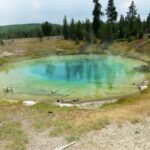
Yellowstone sits on a supervolcano with half the world’s geysers — Old Faithful is the one everyone knows, but the Grand Prismatic Spring is the one that stops you cold.
Travel guides for Yellowstone National Park
Things to do (3)
More guides featuring Yellowstone National Park (25)
At a glance
- Geothermal landscape
- Mountain terrain
- Grizzly habitat
- Canyon waterfalls
How Yellowstone National Park scores
Editorial scores on a 10-point scale, weighed against destinations of the same kind.
Travel safety snapshot
SafePlace indicators use their source 100-point scale; higher is more favourable. Planning context, not a live travel advisory — check official government guidance before you go.
When to go
Best months to visit: May, June, July, August, September and October.
- January: -14.5 to -6.3 degrees Celsius, 7.1 millimetres of rain, best-time score 2 out of 5.
- February: -12.3 to -4.2 degrees Celsius, 34.4 millimetres of rain, best-time score 2 out of 5.
- March: -7.3 to 0.3 degrees Celsius, 25.2 millimetres of rain, best-time score 2 out of 5.
- April: -8.4 to 0.4 degrees Celsius, 24.4 millimetres of rain, best-time score 3 out of 5.
- May: -1.7 to 9.7 degrees Celsius, 15.6 millimetres of rain, best-time score 4 out of 5.
- June: 2.1 to 14.6 degrees Celsius, 20 millimetres of rain, best-time score 5 out of 5.
- July: 7.3 to 22.1 degrees Celsius, 16 millimetres of rain, best-time score 5 out of 5.
- August: 7.4 to 21.5 degrees Celsius, 14.9 millimetres of rain, best-time score 5 out of 5.
- September: 4.4 to 16.4 degrees Celsius, 33.7 millimetres of rain, best-time score 5 out of 5.
- October: -2.3 to 7.5 degrees Celsius, 12 millimetres of rain, best-time score 4 out of 5.
- November: -9.5 to -1.3 degrees Celsius, 11.9 millimetres of rain, best-time score 3 out of 5.
- December: -13.7 to -6.6 degrees Celsius, 23 millimetres of rain, best-time score 2 out of 5.
Month-by-month conditions and packing advice
- January
- Cold weather, mostly dry January in Yellowstone National Park: winter access is limited and requires specialized planning. Crowds: Peak winter tourist season with excellent conditions for winter sports enthusiasts including skiing, snowboarding, ice fishing, and wildlife photography. Hotel rates and crowd levels are highest during this period. UV levels remain low despite colder temperatures. Pack: Warm winter clothing for temperature variation; Insulated boots for snow and ice conditions; Thermal layers for warmth; Goggles for snow visibility; Waterproof jacket for snow and wind protection; Thermal gloves and hat for cold weather
- February
- Cold weather, some rain February in Yellowstone National Park: winter access is limited and requires specialized planning. Crowds: February marks peak tourist season with excellent conditions for winter activities such as snowshoeing, wildlife viewing, and photography. Hotel rates and crowd levels are highest during this period. UV levels remain high despite cooler temperatures, so sunscreen and protective gear are recommended. Pack: Warm, insulated layers for temperature variation; Waterproof boots for snow and rain; Wide-brimmed hat and SPF 50+ sunscreen; Light scarf and gloves for cold weather; Waterproof jacket for rain protection; Breathable, moisture-wicking fabrics
- March
- Cold weather, mostly dry March in Yellowstone National Park: winter access is limited and requires specialized planning. Crowds: Peak tourist season with excellent conditions for winter sports enthusiasts including skiing, snowboarding, and ice fishing. Hotel rates and crowd levels are highest during this period. UV levels remain high despite cooler temperatures. Pack: Warm winter clothing for temperature variation; Insulated gloves and thermal layers; Waterproof boots for snow and ice; Wide-brimmed hat and SPF 50+ sunscreen; Light scarf and buff for wind protection; Breathable, moisture-wicking fabrics
- April
- Cold weather, mostly dry April in Yellowstone National Park: partial access and colder weather make the park experience narrower. Crowds: Peak tourist season with excellent conditions for winter sports including skiing, snowboarding, ice fishing, and wildlife photography. Hotel rates and crowd levels are highest during this period. UV levels remain low despite colder temperatures. Pack: Warm winter clothing for temperature variation; Insulated gloves and thermal layers; Waterproof boots for snow and ice; Wide-brimmed hat and UV-blocking sunscreen; Light scarf and neck gaiter for wind protection; Breathable, moisture-wicking base layers
- May
- Cold weather, mostly dry May in Yellowstone National Park: early or late season can reduce crowds if roads, services, and weather cooperate. Crowds: Peak tourist season with excellent conditions for winter sports enthusiasts including skiing, snowboarding, and snowshoeing. Hotel rates and crowd levels are highest during this period. UV levels remain low despite cooler temperatures. Pack: Warm winter clothing for temperature variation; Insulated boots for snow and ice conditions; Thermal layers for warmth; Wide-brimmed hat and SPF 30+ sunscreen; Waterproof jacket for snow and rain; Thermal gloves and scarf
- June
- Cool weather, mostly dry June in Yellowstone National Park: open roads, wildlife, geysers, hiking, ranger programs, and long daylight are most dependable. Crowds: Peak tourist season with excellent conditions for all outdoor activities including hiking, wildlife viewing, and photography. Hotel rates and crowd levels are highest during this period. UV levels remain high despite cooler temperatures. Pack: Lightweight layers for temperature variation; Comfortable hiking boots for trails; Wide-brimmed hat and SPF 50+ sunscreen; Light rain jacket for unexpected showers; Modest clothing for cultural sites and natural wonders; Breathable cotton/linen fabrics
- July
- Cool weather, mostly dry July in Yellowstone National Park: open roads, wildlife, geysers, hiking, ranger programs, and long daylight are most dependable. Crowds: Peak tourist season with excellent conditions for all outdoor activities including hiking, wildlife viewing, and photography. Hotel rates and crowd levels are highest during this period. UV levels remain high despite cooler temperatures. Pack: Lightweight layers for temperature variation; Comfortable hiking boots for trails; Rain jacket for potential thunderstorms; Wide-brimmed hat and SPF 50+ sunscreen; Light cardigan for air-conditioned lodges; Modest clothing for cultural sites and lodges
- August
- Cool weather, mostly dry August in Yellowstone National Park: open roads, wildlife, geysers, hiking, ranger programs, and long daylight are most dependable. Crowds: Peak tourist season with excellent conditions for all outdoor activities including hiking, wildlife viewing, and photography. Hotel rates and crowd levels are highest during this period. UV levels remain high despite cooler temperatures. Pack: Lightweight layers for temperature variation; Comfortable hiking boots for trails; Rain jacket for potential thunderstorms; Wide-brimmed hat and SPF 50+ sunscreen; Light cardigan for air-conditioned lodges; Modest clothing for cultural sites and lodges
- September
- Cool weather, some rain September in Yellowstone National Park: open roads, wildlife, geysers, hiking, ranger programs, and long daylight are most dependable. Crowds: September marks the peak tourist season for Yellowstone, with excellent weather conditions for outdoor activities such as hiking, wildlife watching, and photography. The park sees a significant influx of visitors, leading to higher crowd levels and potential challenges in securing accommodations. While the weather remains mild, UV levels can be high, necessitating sunscreen and protective clothing. Visitors are encouraged to plan activities around the park's opening hours and consider booking guided tours to enhance their experience. Pack: Lightweight layers for temperature variation; Waterproof jacket for rain showers; Comfortable hiking boots; Wide-brimmed hat and UV-protective sunscreen; Light rain poncho; Moisture-wicking base layers
- October
- Cold weather, mostly dry October in Yellowstone National Park: early or late season can reduce crowds if roads, services, and weather cooperate. Crowds: Peak tourist season with excellent conditions for winter sports enthusiasts including skiing, snowboarding, and snowshoeing. Hotel rates and crowd levels are highest during this period. UV levels remain high despite cooler temperatures. Pack: Warm winter jacket for temperature variation; Insulated gloves and thermal socks for cold weather; Waterproof boots for snow and ice; Thermal layers for warmth; Wide-brimmed hat and UV-blocking sunscreen; Waterproof backpack for outdoor activities
- November
- Cold weather, mostly dry November in Yellowstone National Park: partial access and colder weather make the park experience narrower. Crowds: Peak winter tourist season with excellent conditions for winter sports enthusiasts including skiing, snowboarding, ice fishing, and wildlife photography. Hotel rates and crowd levels are highest during this period. UV levels remain low despite colder temperatures. Pack: Warm winter clothing for temperature variation; Insulated boots for snow and ice activities; Thermal layers for warmth; Wide-brimmed hat and UV-blocking sunscreen; Waterproof jacket for snow and rain; Thermal gloves and scarf
- December
- Cold weather, mostly dry December in Yellowstone National Park: winter access is limited and requires specialized planning. Crowds: Peak winter tourist season with excellent conditions for winter sports enthusiasts including skiing, snowboarding, ice fishing, and wildlife photography. Hotel rates and crowd levels are highest during this period. UV levels remain low despite colder temperatures. Pack: Warm winter clothing for temperature variation; Insulated boots for snow and ice conditions; Thermal layers for warmth; Goggles for snow visibility; Waterproof jacket for rain and wind; Thermal gloves and hat
- March
- February
- January
- April
- September
- August
- July
- June
Know before you go
About
Yellowstone National Park, Wyoming, is the world’s first national park, established in 1872 and spanning 3,472 square miles across the corners of three states, with roughly 96 percent of its land in Wyoming and the remainder spilling into Montana and Idaho. It is celebrated for the planet’s greatest concentration of geothermal wonders, home to close to 60 percent of the world’s geysers, the most famous being Old Faithful, which erupts every 35 to 120 minutes. Sitting atop a massive volcanic hotspot, the park dazzles visitors with the rainbow-hued Grand Prismatic Spring, the terraced Mammoth Hot Springs, and the thundering Lower Falls of the Grand Canyon of the Yellowstone. Its vast wilderness shelters bison, grizzly bears, wolves, and elk across valleys like Lamar and Hayden, making Yellowstone a premier destination for wildlife watching, hiking, and witnessing the raw power of the Earth’s interior.
Neighbourhoods
Geyser basins, Mammoth, Canyon, Lake, Tower-Roosevelt.
Best time to visit
June to September for full access and wildlife; May/September for fewer crowds; Winter for wolves/snow.
Season by season
Summer: Busy, warm. Spring/Fall: unpredictable weather, road closures. Winter: Snowcoaches only.
Crowds
Yellowstone National Park peaks in June–August and during holiday weekends with heavy congestion at major geothermal sites and limited parking; quietest in November–February when winter conditions restrict access to much of the park and visitation is much lower, though winter snowmobiling draws niche crowds.
Getting there and around
Getting there
Fly into West Yellowstone (WYS), Bozeman (BZN), or Jackson Hole (JAC). Driving is essential.
Getting around
Car is required. No park-wide shuttle. Guided tours available.
Top experiences in Yellowstone National Park
Old Faithful
Iconic geyser erupting on a reliable schedule.
Grand Prismatic Spring
Largest hot spring in the US, known for its rainbow colors.
Grand Canyon of the Yellowstone
Dramatic canyon with stunning waterfalls.
Lamar Valley
Prime wildlife viewing area for wolves and bears.
Editor-curated picks carried over from our original guide. Where a full place guide exists, the card links to it.


Worth booking ahead in Yellowstone National Park
Hand-picked from the operators our guides already send readers to. Prices and availability are live on the partner site.
BrowseViator
Tours and tickets in Yellowstone National Park on Viator (opens Viator in a new tab)
Viator's full list of bookable tours and tickets in Yellowstone National Park.
BrowseGetYourGuide
Experiences in Yellowstone National Park on GetYourGuide (opens GetYourGuide in a new tab)
Everything GetYourGuide sells in Yellowstone National Park, with the cancellation terms on each listing.
Where to stayBooking.com
Stays in Yellowstone National Park (opens Booking.com in a new tab)
Live rates and availability for Yellowstone National Park on Booking.com; filter by neighbourhood once you know where your days start.
We earn a commission if you book through these links, at no extra cost to you. It is how we keep the guides free and independent.
Where to stay
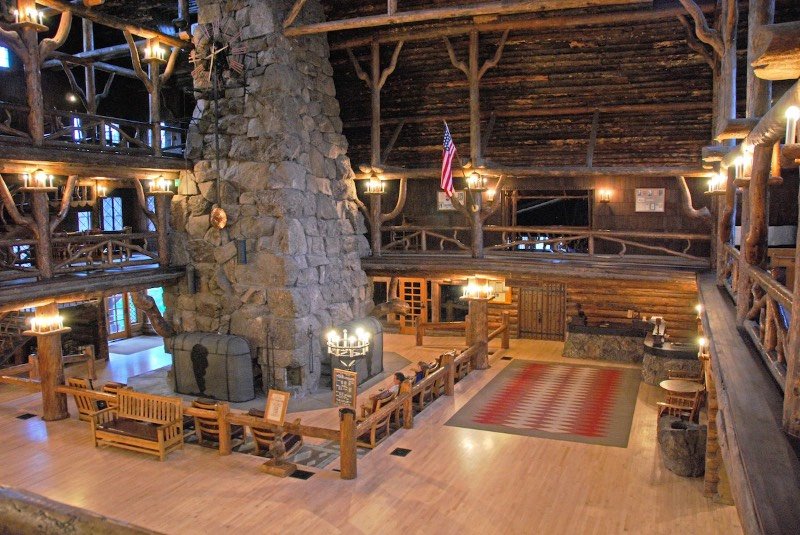
Old Faithful Inn
Yellowstone National Park
Historic log structure right next to the geyser.
Canyon Lodge & Cabins
Yellowstone National Park
Centrally located, largest lodging facility.
Mammoth Hot Springs Hotel
Yellowstone National Park
Historic hotel near the North Entrance, open winter/summer.
Editor-curated stays carried over from our original guide. Where we have reviewed the hotel, the card links to the review.
Tips from the field
Highlights
- Geysers, hot springs, wildlife (bears, wolves, bison), canyons.
Practical tips
- Dress in layers. Buy pass online. Download offline maps (no cell service). Start early.
Culture, customs and safety
Cultural heritage
First National Park in the world (1872).
Safety notes
Stay on boardwalks in thermal areas. Keep 100 yards from bears/wolves, 25 yards from bison/elk. Carry bear spray.