


North Dakota
North Dakota’s night sky alone is worth the detour. Add the Badlands, Teddy Roosevelt’s park, and trails Lewis & Clark once walked.
Wildlife travel guides covering safaris, whale-watching seasons, primate treks, and responsible viewing operators across Africa, the Arctic, the Galápagos, and Southeast Asia.
North Dakota’s night sky alone is worth the detour. Add the Badlands, Teddy Roosevelt’s park, and trails Lewis & Clark once walked.
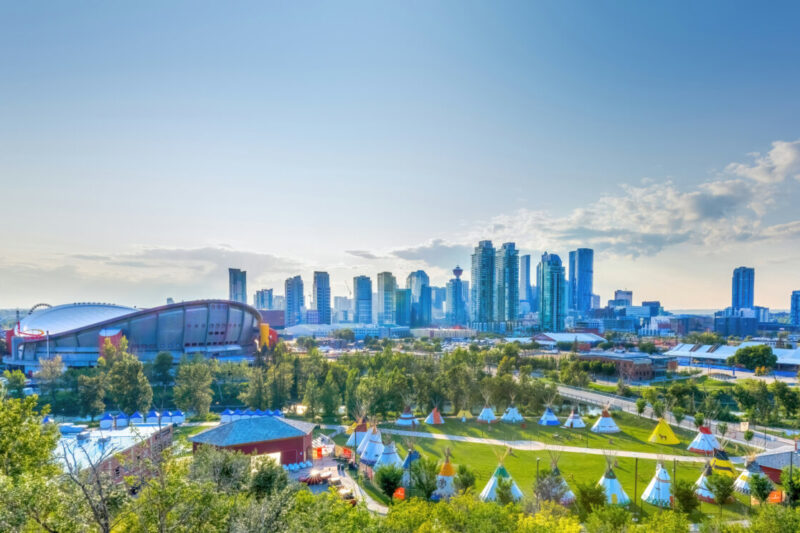

One continent, arctic tundra to Caribbean sand. North America rewards the specific traveler more than the checklist one.

West of the Missouri River, South Dakota shifts fast — Great Plains give way to Black Hills forests, canyon walls, and lakes most people never reach.
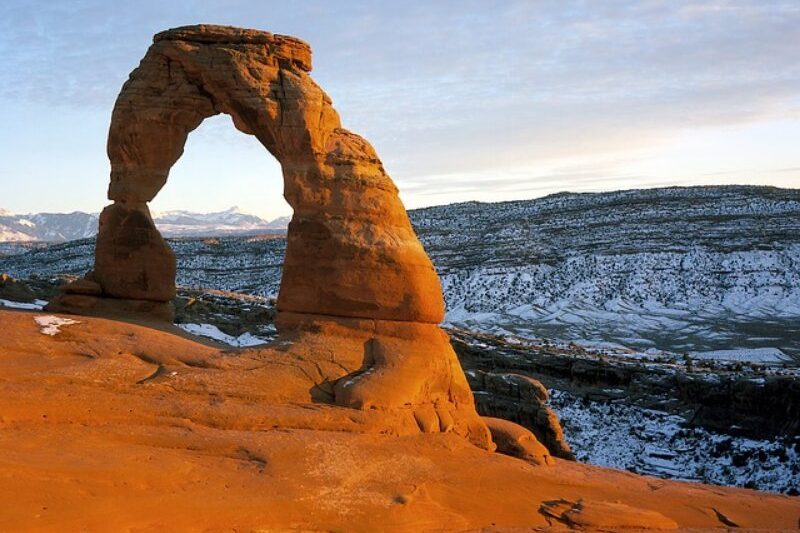
Delicate Arch at sunset draws a crowd, but the Windows section at dawn is empty, closer, and honestly more impressive.
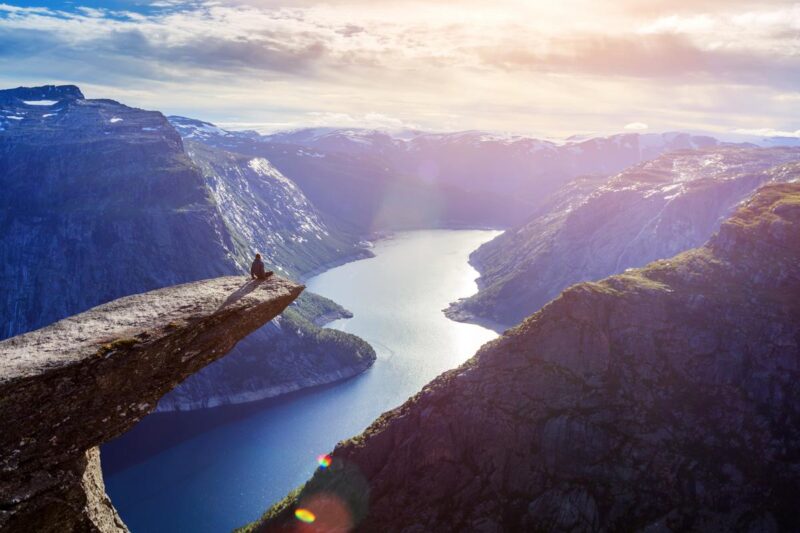
Nærøyfjord is so narrow the ferry nearly grazes the cliff walls. No photo prepares you for the scale of it.
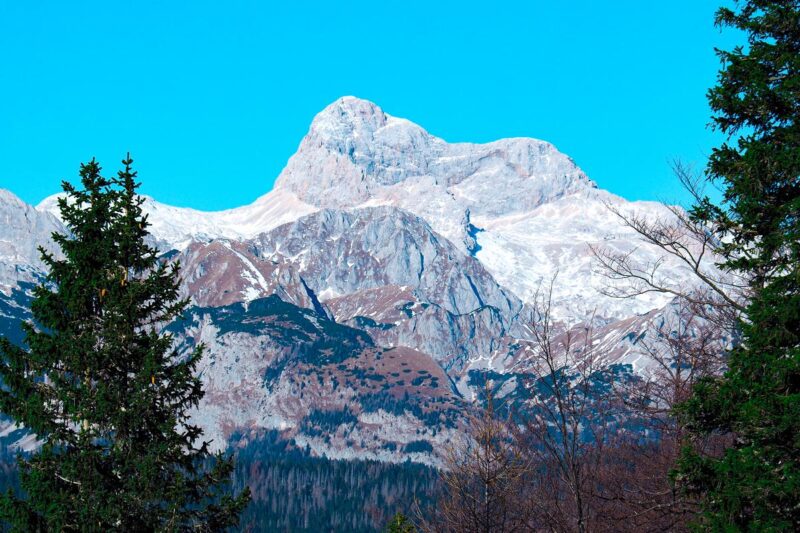
Lake Bohinj gets a fraction of Bled’s crowds and delivers twice the scenery. Triglav’s real draw is what surrounds it.

India doesn’t ease you in — Varanasi alone will rewire how you think about life, death, and everything between.


Louisiana hits differently when you eat your way through it — boudin in Breaux Bridge, then a swamp tour before dark.
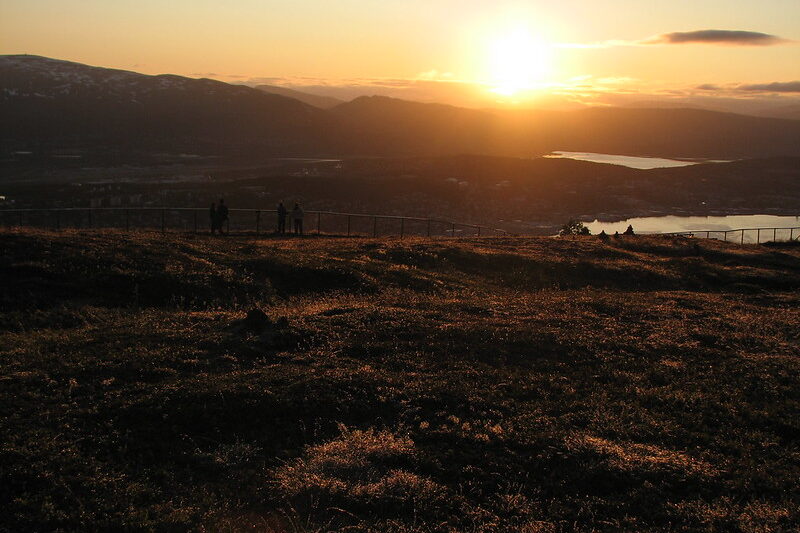
Tromsø sits at 69°N and still manages a buzzing bar scene, a cathedral on an island, and the Arctic lights overhead.


Manuel Antonio packs 109 mammal species into 19km² — spot the rarest squirrel monkey on earth, then swim at four beaches in one afternoon.

Ben Nevis gets the crowds. The quieter glens west of Inverness are where the Highlands actually feel like the Highlands.
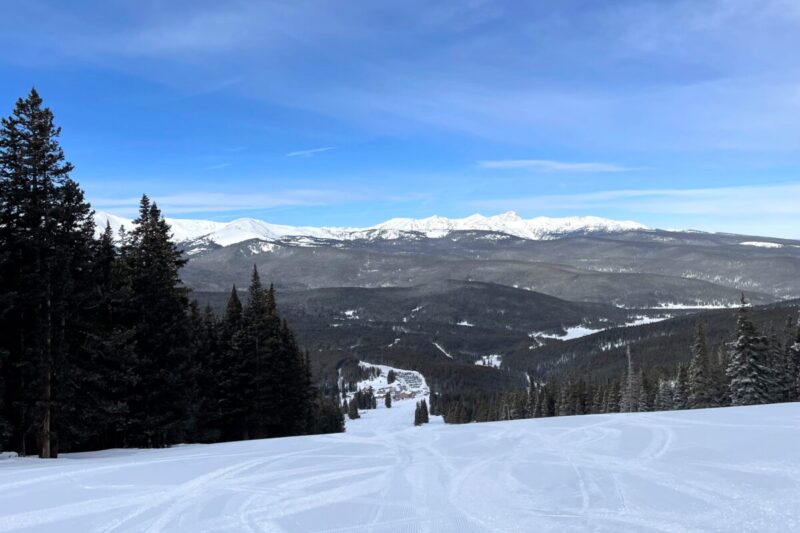
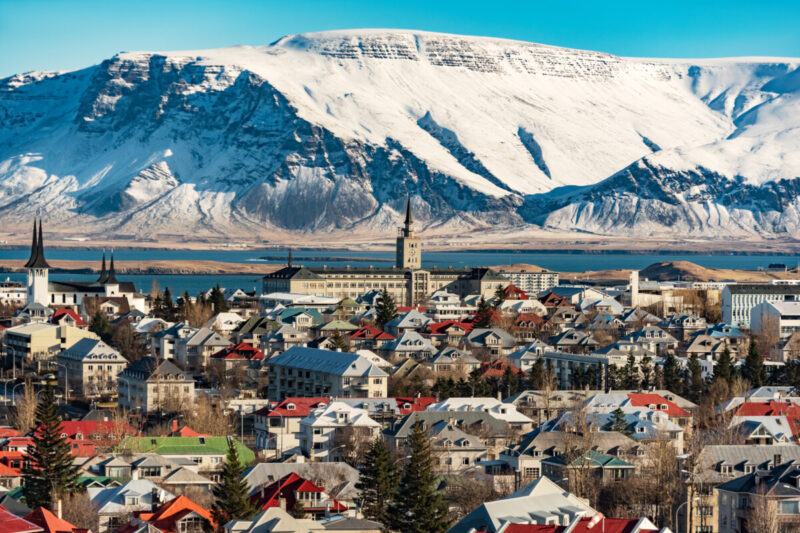
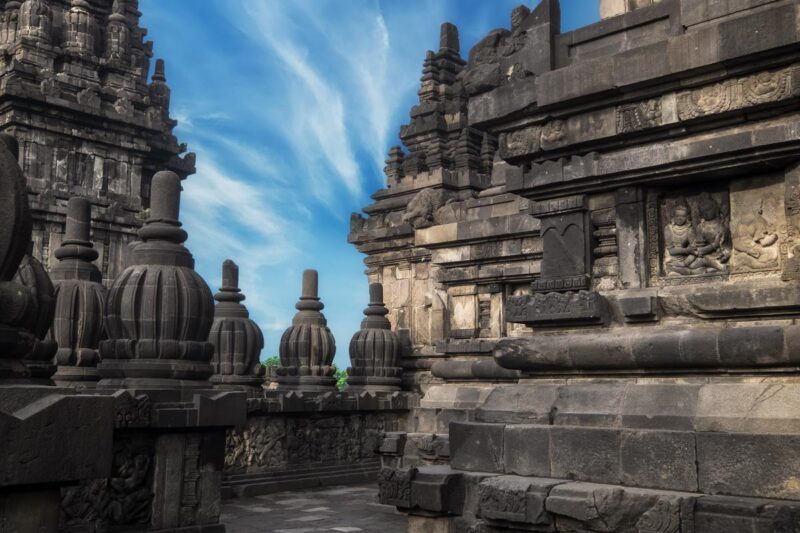


Fifty states, every climate on earth, and no two trips alike — the U.S. rewards specificity over ambition.

Costa Rica’s Osa Peninsula is where rainforest, wildlife, and remote Pacific beaches come together in one of the country’s wildest corners.
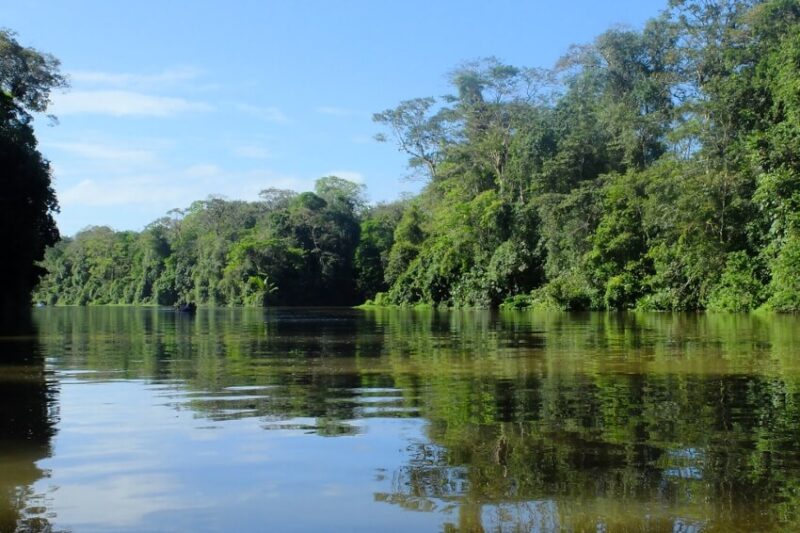
No roads reach Tortuguero. You arrive by boat or small plane — and that isolation is exactly what kept this place worth visiting.
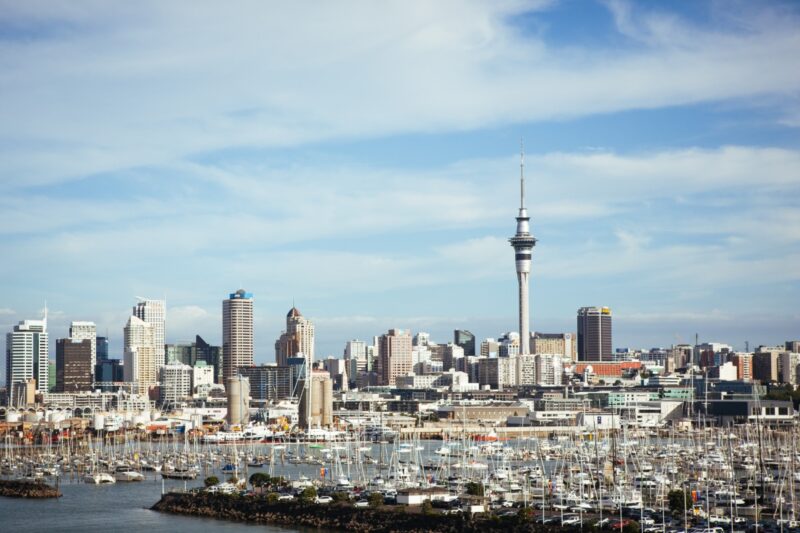
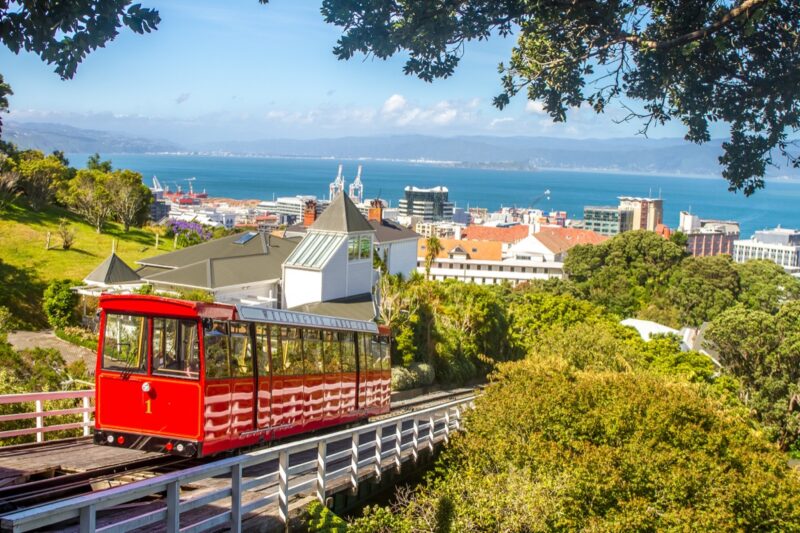
Two islands, one country — Milford Sound, Maori marae, Marlborough wine, and the Southern Alps, all within a few hours of each other.