


Budget Travel Guides
Budget travel is about stretching every dollar without gutting the experience. Everything filed here leans on hostels, guesthouses, street food, public transit, and free attractions — the kind of trip that runs roughly $30–50 a day across Southeast Asia or the Balkans and well under $121 a day in the United States. Expect destination picks, money-saving tactics, and itineraries built for travelers who would rather spend on experiences than on rooms.
-
-
-

-

Cluj-Napoca
Cluj-Napoca is Romania’s student capital with a Gothic church, a thriving tech scene, and a nightlife that makes it Transylvania’s most surprising city.
-
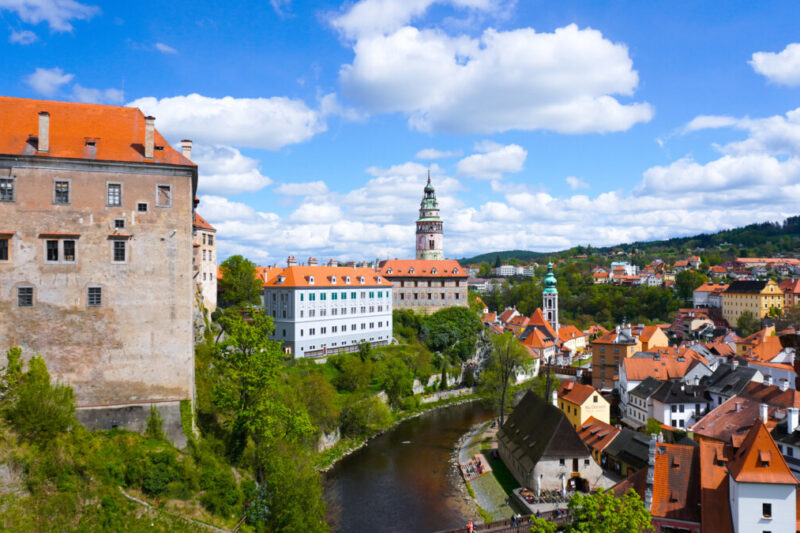
Cesky Krumlov
Český Krumlov wraps around a bend in the Vltava with a castle larger than most towns — a Bohemian gem that makes the day trip from Prague feel like time travel.
-

-
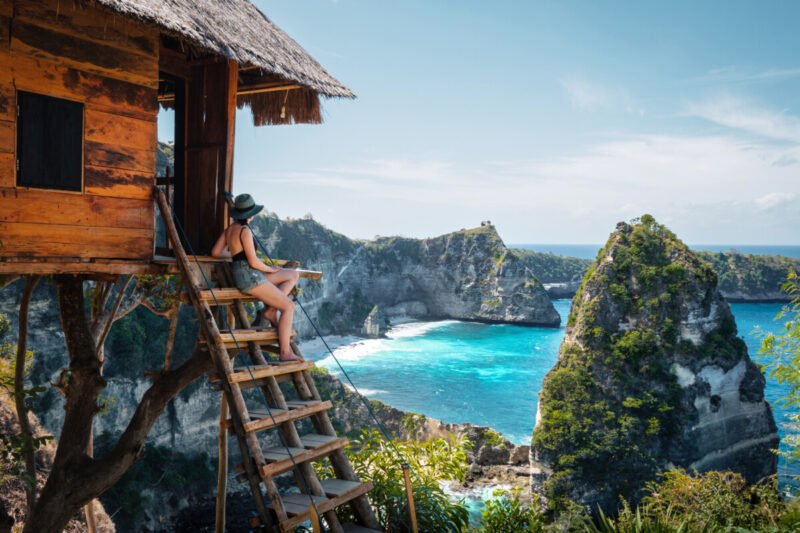
Nusa Penida
Nusa Penida’s Kelingking Beach looks like a T-Rex cliff diving into turquoise water — the Instagram photos are real, and the road to get there is an adventure itself.
-

-

Bangkok
Bangkok runs on street food, temples, and controlled chaos — the Grand Palace and a $1 pad thai can happen in the same hour, and that’s the whole point.
-
-

Granada
Granada has the Alhambra — a Moorish palace complex that takes half a day and still leaves you wishing you’d booked more time. The tapas are free, too.
-
-
Nusa Lembongan
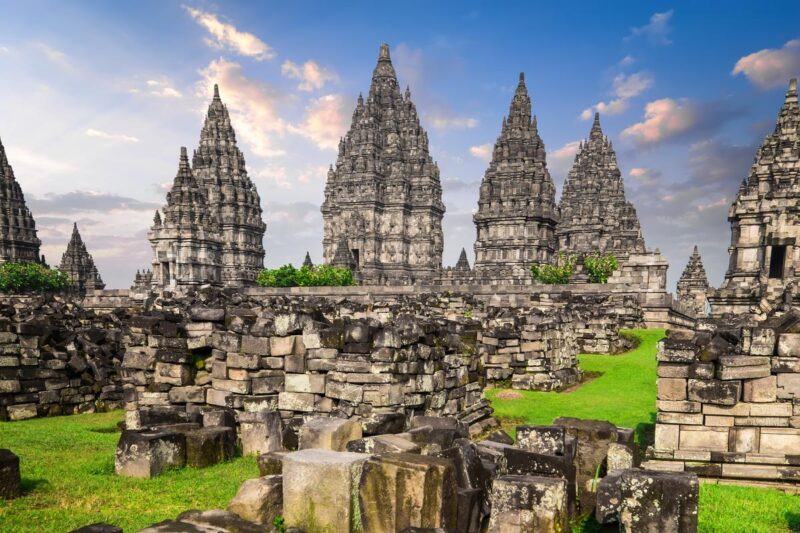
Nusa Lembongan is the Bali escape from Bali — a small island off the southeast coast with clearer water, fewer crowds, and a pace that resets your clock.
-
-
Leipzig
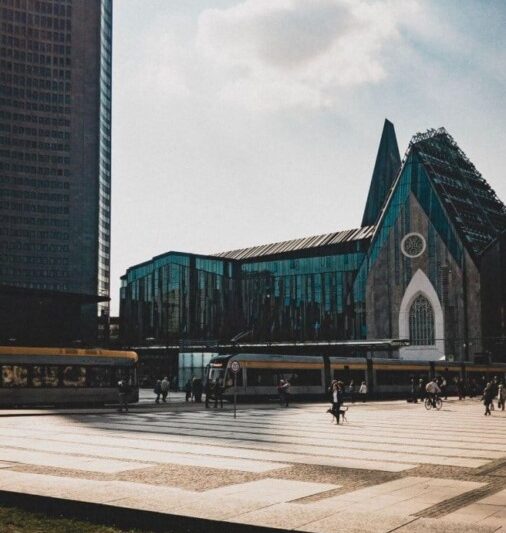
Leipzig was Bach’s home, the city where Monday protests toppled the Berlin Wall, and now Germany’s fastest-growing cultural hub — for a fraction of Berlin prices.
-

Naples
Naples, a foodie’s dream city, captivates visitors with its intoxicating blend of chaos and charm, where ancient history meets modernity.
-

Václavské nám.
Wenceslas Square is a 750-metre boulevard cutting through Prague’s New Town — where the Velvet Revolution happened and the nightlife still hasn’t calmed down.
-
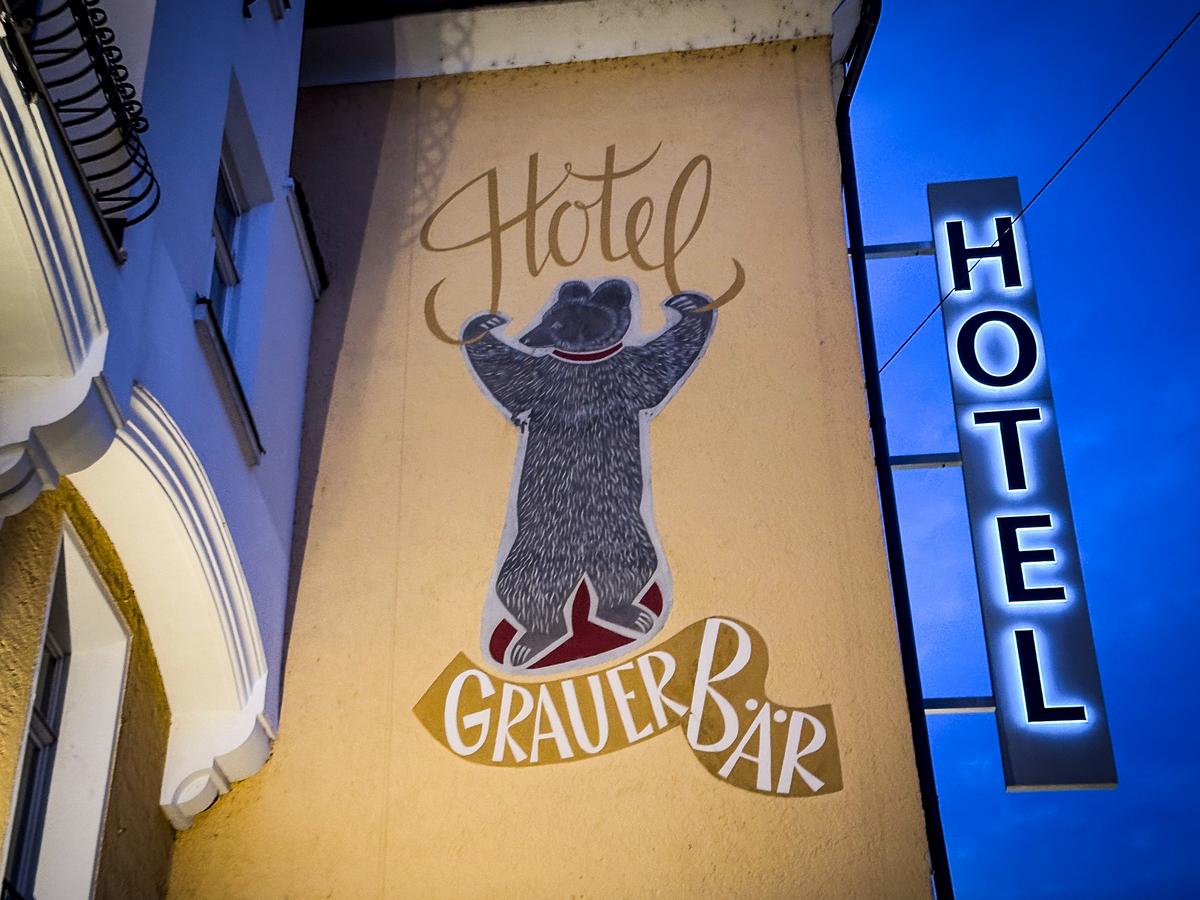
Hotel Grauer Bär Review
Hotel Grauer Bär embodies the Austrian charm, nestled in the historical heart of Innsbruck. It’s a gateway to cultural exploration and panoramic Alpine views. With airy rooms and suites, this upscale establishment excels in refined comforts, featuring a distinguished steakhouse and a spa for ultimate relaxation. The hotel’s crown jewel, a two-story sunroom cafe, offers…
-
Alfons Boutique Hotel
Alfons Mucha-inspired rooms in a 19th-century Prague building, 5 minutes from the metro. Family-owned and rated 9.2 — this one earns it.
-

Lulu Guldsmeden Hotel
A certified eco hotel in a 19th-century Berlin building — Nordic-Balinese design, four-poster beds, and organic breakfast done right.
-
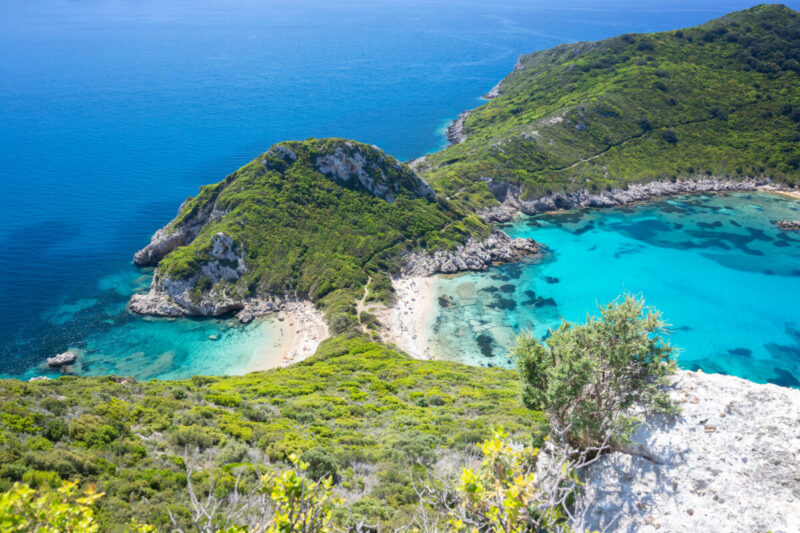
Porto
Porto lines the Douro River with port wine cellars, tiled facades, and a food scene that locals insist is better than Lisbon’s. They might be right.
-
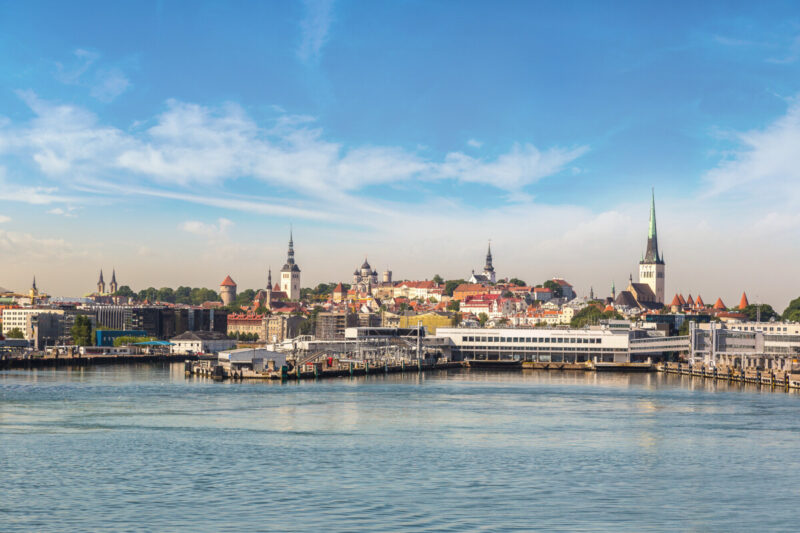
Tallinn
Tallinn has one of Europe’s most intact medieval old towns and simultaneously ranks as one of its most digitally advanced capitals. The contrast works.
-
-
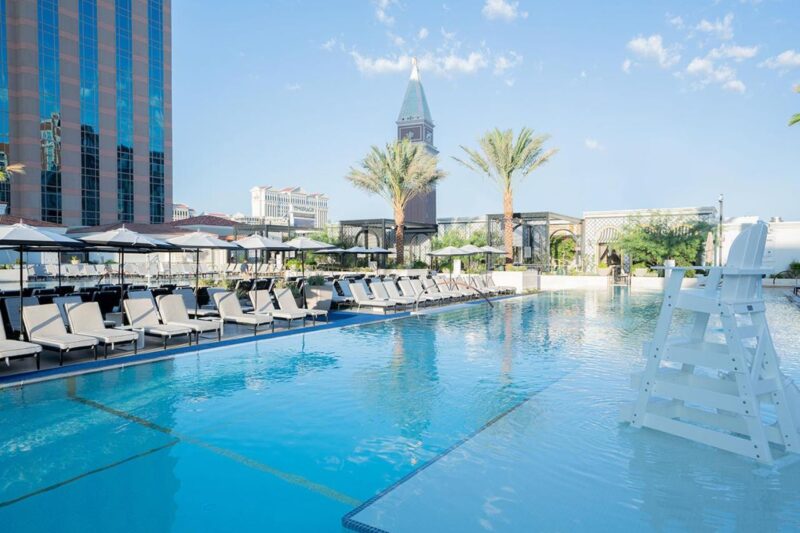
The Venetian Las Vegas
The suites here run around 650 sq ft — nearly twice the average Vegas room. You notice the difference the moment you stop feeling cramped.