Cape Town Trip Cost: How Much Does It Cost to Visit in 2026?
Mid-range: R1,366–R24,100 per person/day. Compare travel styles and estimate your trip.
Budget travel is about stretching every dollar without gutting the experience. Everything filed here leans on hostels, guesthouses, street food, public transit, and free attractions — the kind of trip that runs roughly $30–50 a day across Southeast Asia or the Balkans and well under $121 a day in the United States. Expect destination picks, money-saving tactics, and itineraries built for travelers who would rather spend on experiences than on rooms.
Mid-range: R1,366–R24,100 per person/day. Compare travel styles and estimate your trip.

Mid-range: TZS 317,293–TZS 925,438 per person/day. Compare travel styles and estimate your trip.

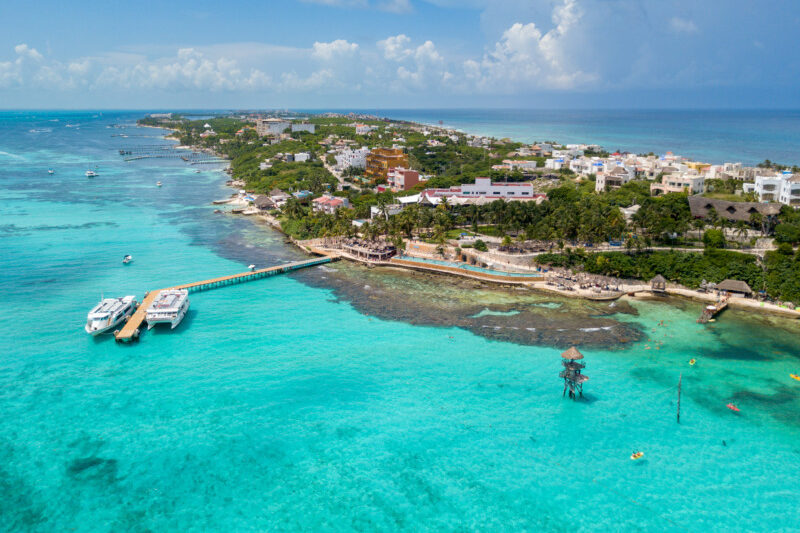
Mid-range: MXN 1,512–MXN 4,248 per person/day. Compare travel styles and estimate your trip.
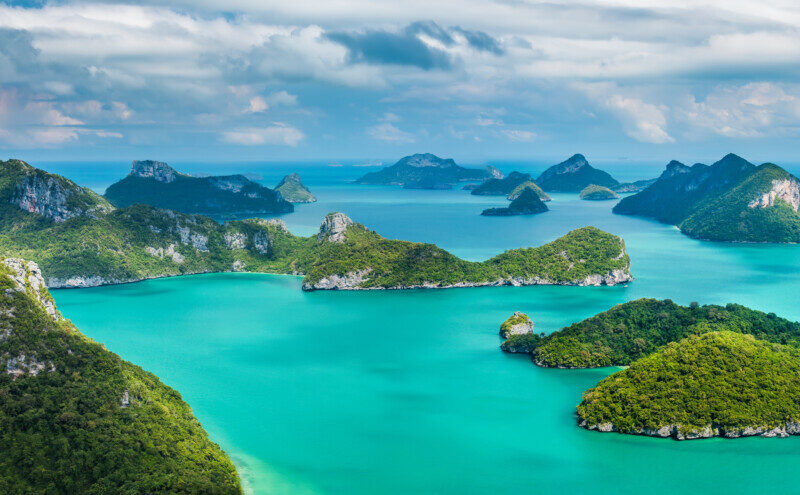
Mid-range: ฿2,656–฿6,641 per person/day. Compare travel styles and estimate your trip.

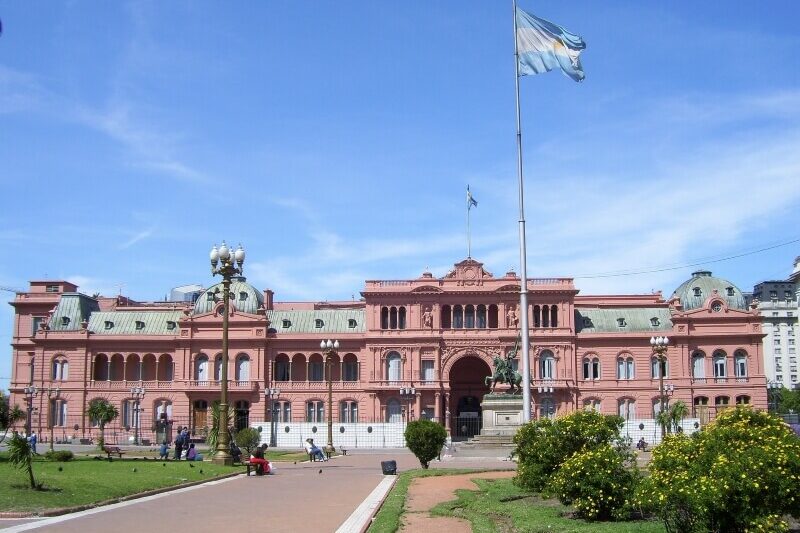
Buenos Aires runs on steak and late nights. Patagonia takes three days to cross. Argentina rewards the traveler who stays longer than planned.
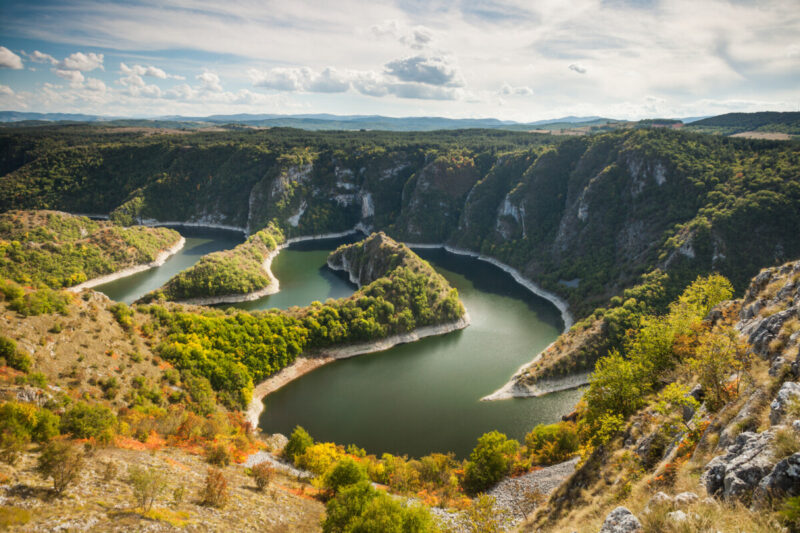
Belgrade hits differently at midnight — rakija in hand, fortress lit up, and a city that genuinely doesn’t sleep. Serbia rewards the detour.
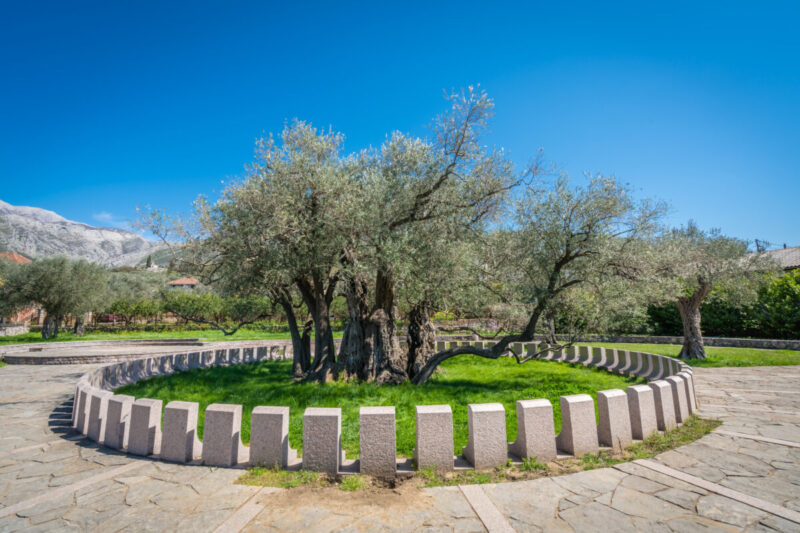
You can ski Durmitor in the morning and swim the Adriatic by afternoon. Few countries this small pull that off.
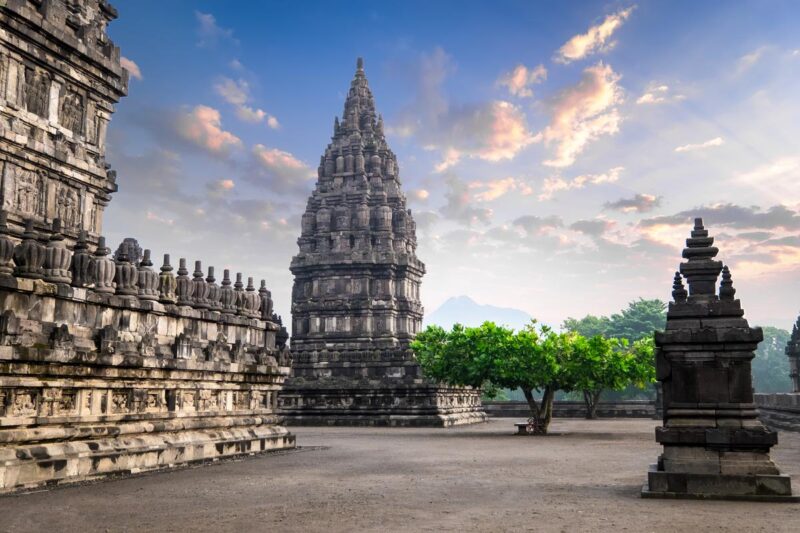
Istiqlal Mosque and Jakarta Cathedral share the same block — that’s Jakarta’s personality in one intersection.

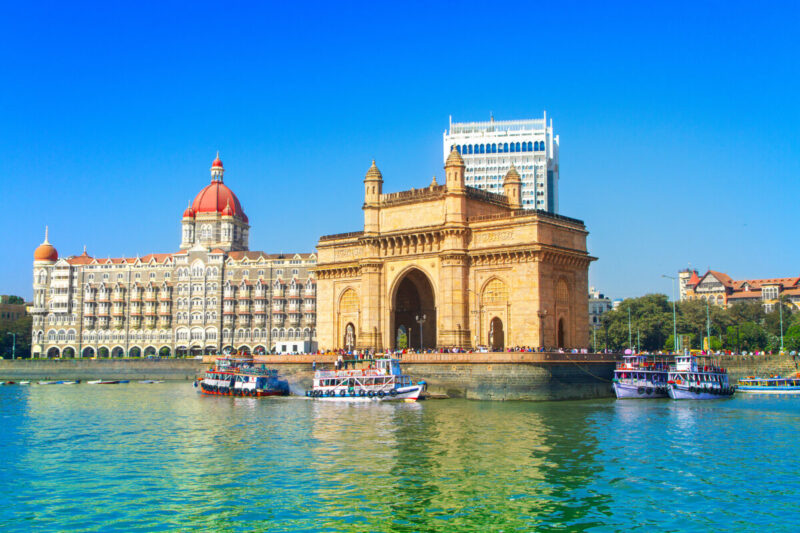

Chandni Chowk will overwhelm you — that’s the point. Delhi rewards the traveler willing to eat street food at 9am and visit a Mughal fort by noon.
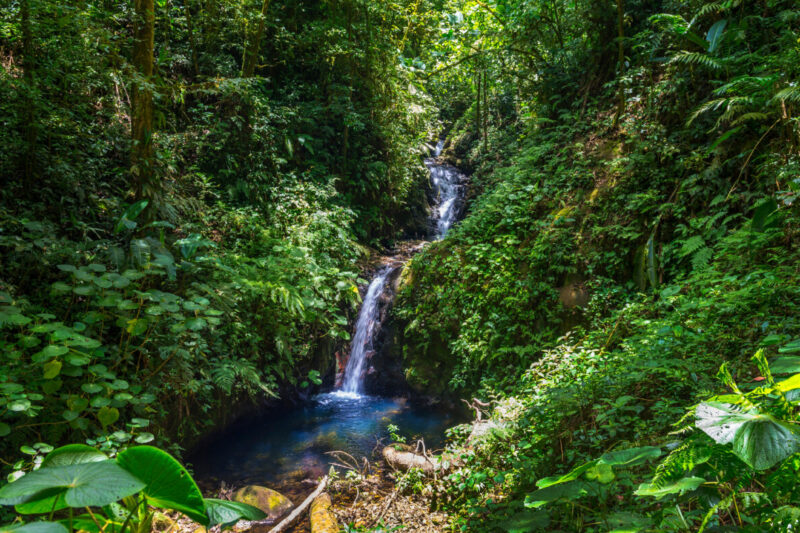
Monteverde’s cloud forest hangs at 4,600 feet with hanging bridges, zip lines through the canopy, and a biodiversity per square meter that makes the muddy trails worth every step.

Chiang Mai’s Old City fits 300 temples into a moat-ringed square mile. Skip the tuk-tuk tours — rent a bicycle and find them yourself.