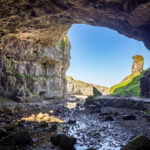
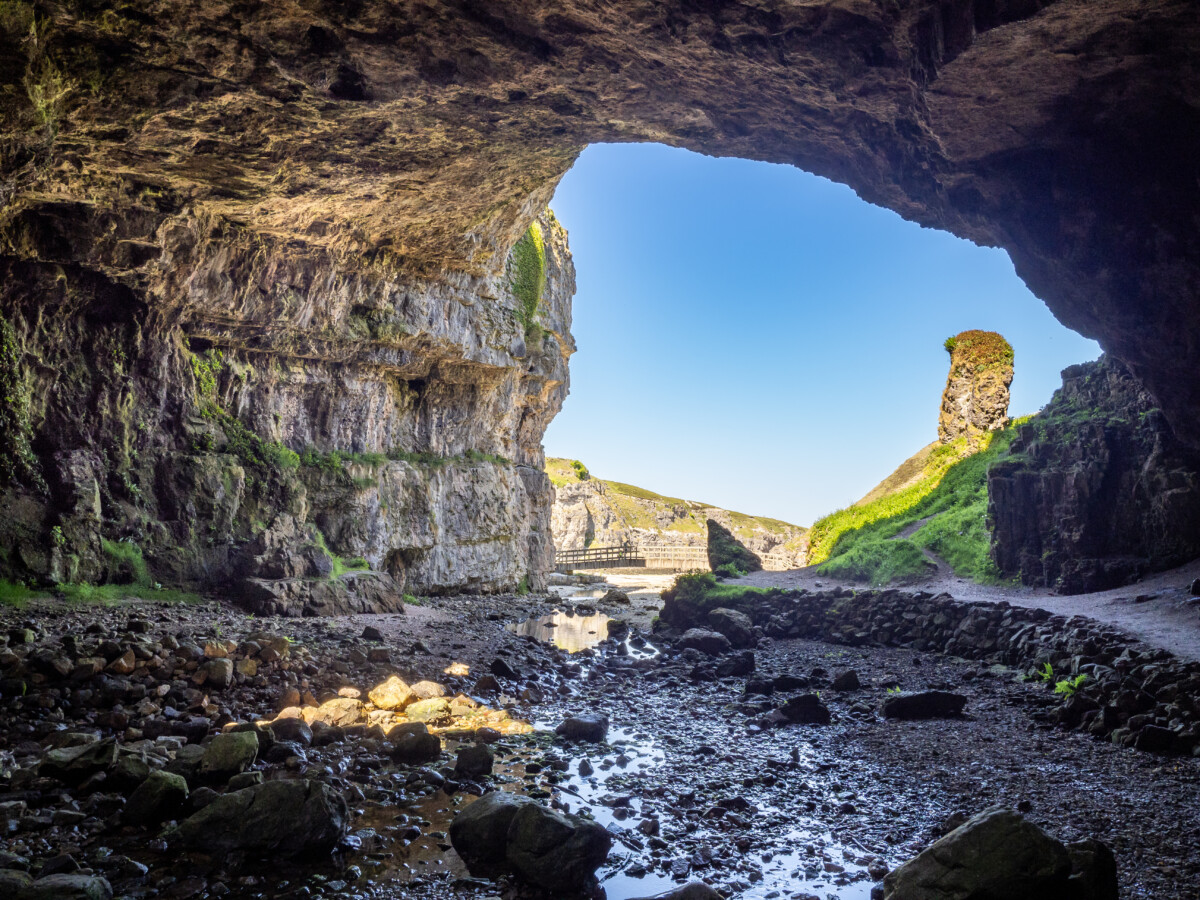
Nearly 150 active whisky distilleries across five distinct regions (Campbeltown, Highland, Islay, Lowland, Speyside) creating the world’s only Malt Whisky Trail through Speyside’s seven working distilleries plus historic sites and cooperage demonstrations. Edinburgh Castle’s formidable fortress crowning an extinct volcano hosting the Royal Edinburgh Military Tattoo’s annual bagpipe spectaculars, while fairy-tale Eilean Donan Castle whispers battle stories across Highland lochs. Traditional Highland Games featuring unique “Olympics of the Highlands” sports including caber tossing, Highland dance, and piping competitions preserving cultural heritage through one-of-a-kind tournaments. Legendary Loch Ness cruises via Jacobite boats revealing Great Glen scenery, Aldourie Castle, Bona Lighthouse, and Urquhart Castle while searching for mythical Nessie through misty waters. Tartan traditions and kilt-clad bagpipers creating haunting tunes across lush green landscapes dotted with historic castles, from Skara Brae’s Neolithic archaeology to Glencoe’s dramatic mountains. Cultural contributions spanning literature (Burns, Scott), science (Fleming, Watt), and philosophy (Hume, Smith) within a nation balancing ancient clan heritage with progressive values across rugged highlands, serene lochs, and wild untamed coastlines.
The destination guide
Scotland
Travel guides for Scotland
Destination stories (2)
More guides featuring Scotland (15)
At a glance
- English
- Highland glens
- Lochs
- Rugged coastline
- Whisky distillery landscape
How Scotland scores
Character
Editorial scores on a 10-point scale, weighed against destinations of the same kind.
Travel safety snapshot
SafePlace indicators use their source 100-point scale; higher is more favourable. Planning context, not a live travel advisory — check official government guidance before you go.
When to go
Best months to visit: April, May, June, July, August, September and October.
- January: -1.2 to 2.6 degrees Celsius, 126.5 millimetres of rain, best-time score 2 out of 5.
- February: -1 to 3.4 degrees Celsius, 151.4 millimetres of rain, best-time score 2 out of 5.
- March: -0.2 to 5.4 degrees Celsius, 109.7 millimetres of rain, best-time score 3 out of 5.
- April: 1.1 to 8.2 degrees Celsius, 68.2 millimetres of rain, best-time score 4 out of 5.
- May: 4.7 to 12.3 degrees Celsius, 83 millimetres of rain, best-time score 5 out of 5.
- June: 7.5 to 14.5 degrees Celsius, 105.6 millimetres of rain, best-time score 5 out of 5.
- July: 9.1 to 15.5 degrees Celsius, 112.1 millimetres of rain, best-time score 4 out of 5.
- August: 9 to 14.9 degrees Celsius, 116.1 millimetres of rain, best-time score 4 out of 5.
- September: 7.1 to 12.7 degrees Celsius, 113 millimetres of rain, best-time score 5 out of 5.
- October: 4.6 to 9 degrees Celsius, 155.8 millimetres of rain, best-time score 5 out of 5.
- November: 1.4 to 5.2 degrees Celsius, 121.9 millimetres of rain, best-time score 3 out of 5.
- December: 0.1 to 3.7 degrees Celsius, 144.9 millimetres of rain, best-time score 2 out of 5.
Month-by-month conditions and packing advice
- January
- Cold, some rain January in Scotland: short, cold winter days make broad first-time travel less flexible. Crowds: January in Scotland is workable with normal seasonal planning; build in layers, weather checks, and a mix of indoor and outdoor activities. Pack: Pack warm layers, a coat, and comfortable shoes for cold mornings and evenings. Add a rain jacket or compact umbrella.
- February
- Cold, rainy February in Scotland: short, cold winter days make broad first-time travel less flexible. Crowds: February in Scotland is one of the wetter periods, so museums, food stops, flexible reservations, and backup indoor plans make the trip easier. Pack: Pack warm layers, a coat, and comfortable shoes for cold mornings and evenings. Add a rain jacket or compact umbrella.
- March
- Cold, some rain March in Scotland: cooler, wetter weather narrows outdoor touring. Crowds: March in Scotland is workable with normal seasonal planning; build in layers, weather checks, and a mix of indoor and outdoor activities. Pack: Pack warm layers, a coat, and comfortable shoes for cold mornings and evenings. Add a rain jacket or compact umbrella.
- April
- Cold, occasional rain April in Scotland: conditions can be rewarding with summer crowd planning or early spring flexibility. Crowds: April in Scotland is workable with normal seasonal planning; build in layers, weather checks, and a mix of indoor and outdoor activities. Pack: Pack warm layers, a coat, and comfortable shoes for cold mornings and evenings.
- May
- Cool to mild, some rain May in Scotland: longer days, open sights, Highlands drives, city stays, islands, and walking routes balance weather and crowds. Crowds: May in Scotland is workable with normal seasonal planning; build in layers, weather checks, and a mix of indoor and outdoor activities. Pack: Pack layered clothing and comfortable walking shoes. Add a rain jacket or compact umbrella.
- June
- Cool to mild, some rain June in Scotland: longer days, open sights, Highlands drives, city stays, islands, and walking routes balance weather and crowds. Crowds: June in Scotland is workable with normal seasonal planning; build in layers, weather checks, and a mix of indoor and outdoor activities. Pack: Pack layered clothing and comfortable walking shoes. Add a rain jacket or compact umbrella.
- July
- Cool to mild, some rain July in Scotland: conditions can be rewarding with summer crowd planning or early spring flexibility. Crowds: July in Scotland is workable with normal seasonal planning; build in layers, weather checks, and a mix of indoor and outdoor activities. Pack: Pack layered clothing and comfortable walking shoes. Add a rain jacket or compact umbrella.
- August
- Cool to mild, some rain August in Scotland: conditions can be rewarding with summer crowd planning or early spring flexibility. Crowds: August in Scotland is workable with normal seasonal planning; build in layers, weather checks, and a mix of indoor and outdoor activities. Pack: Pack layered clothing and comfortable walking shoes. Add a rain jacket or compact umbrella.
- September
- Cool to mild, some rain September in Scotland: longer days, open sights, Highlands drives, city stays, islands, and walking routes balance weather and crowds. Crowds: September in Scotland is workable with normal seasonal planning; build in layers, weather checks, and a mix of indoor and outdoor activities. Pack: Pack layered clothing and comfortable walking shoes. Add a rain jacket or compact umbrella.
- October
- Cold, rainy October in Scotland: longer days, open sights, Highlands drives, city stays, islands, and walking routes balance weather and crowds. Crowds: October in Scotland is one of the wetter periods, so museums, food stops, flexible reservations, and backup indoor plans make the trip easier. Pack: Pack layered clothing and comfortable walking shoes. Add a rain jacket or compact umbrella.
- November
- Cold, some rain November in Scotland: cooler, wetter weather narrows outdoor touring. Crowds: November in Scotland is workable with normal seasonal planning; build in layers, weather checks, and a mix of indoor and outdoor activities. Pack: Pack warm layers, a coat, and comfortable shoes for cold mornings and evenings. Add a rain jacket or compact umbrella.
- December
- Cold, rainy December in Scotland: short, cold winter days make broad first-time travel less flexible. Crowds: December in Scotland is one of the wetter periods, so museums, food stops, flexible reservations, and backup indoor plans make the trip easier. Pack: Pack warm layers, a coat, and comfortable shoes for cold mornings and evenings. Add a rain jacket or compact umbrella.
- December
- January
- February
- March
- May
- June
- July
- September
- October
Know before you go
Best time to visit
Apr-May (spring, fewer crowds) or Sep-Oct (autumn foliage). Summer for Edinburgh Fringe but peak prices and midges. 2026: ETA required from Feb 25 for non-UK/Irish visitors (£16).
Crowds
Scotland is busiest June–August, with major spikes during August’s Edinburgh Festival Fringe and Hogmanay in December–January; quietest November–March (except ski resorts and New Year), overall popular in summer with heavy crowds in Edinburgh and the Highlands at peak times.
Getting there and around
Getting there
Fly to Edinburgh (EDI) or Glasgow (GLA). Trains from London (4.5h). Rent a car for the Highlands and NC500 driving route. Drive on the left.
Getting around
ScotRail connects Edinburgh, Glasgow, Inverness, and Fort William. Renting a car is essential for the Highlands and islands. CalMac ferries serve the Inner and Outer Hebrides.
Top experiences in Scotland
Edinburgh Castle
Castle
Isle of Skye
Nature & Landscape
Loch Ness
Lake & Legend
Glen Coe Valley
Highland Scenery
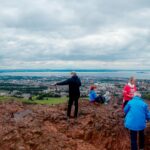
Arthur's Seat (Edinburgh)
Hiking
Editor-curated picks carried over from our original guide. Where a full place guide exists, the card links to it.
Worth booking ahead in Scotland
Hand-picked from the operators our guides already send readers to. Prices and availability are live on the partner site.
BrowseViator
Tours and tickets in Scotland on Viator (opens Viator in a new tab)
Viator's full list of bookable tours and tickets in Scotland.
BrowseGetYourGuide
Experiences in Scotland on GetYourGuide (opens GetYourGuide in a new tab)
Everything GetYourGuide sells in Scotland, with the cancellation terms on each listing.
Where to stayBooking.com
Stays in Scotland (opens Booking.com in a new tab)
Live rates and availability for Scotland on Booking.com; filter by neighbourhood once you know where your days start.
We earn a commission if you book through these links, at no extra cost to you. It is how we keep the guides free and independent.
Where to stay
The Balmoral Hotel (Edinburgh)
1 Princes Street, Edinburgh EH2 2EQ, Scotland
5-Star Hotel – Luxury
The Witchery by the Castle (Edinburgh)
One Devonshire Gardens, Glasgow G12 0UQ, Scotland
Boutique Hotel – Luxury
Kingsmills Hotel (Inverness)
Balmoral Estate, Crathie, Ballater AB35 5TB, Scotland
Hotel – Mid-Range
Editor-curated stays carried over from our original guide. Where we have reviewed the hotel, the card links to the review.
Tips from the field
Practical tips
- GBP currency, contactless widely accepted. Book Edinburgh Castle tickets well ahead. Whisky distillery tours in Speyside and Skye. Waterproof jacket essential year-round.
Culture, customs and safety
Cultural heritage
Scotland’s cultural and historical heritage is defined by its ancient clans, enduring Gaelic traditions, and fierce independence movements, most notably embodied in the Wars of Scottish Independence led by William Wallace and Robert the Bruce. Architecturally, Scotland boasts a landscape dotted with medieval castles, Neolithic stone circles like those on Orkney, and striking Gothic cathedrals. The nation’s intangible heritage thrives in its music—bagpipes, ceilidh dances—and the Gaelic language, still spoken in parts of the Highlands and islands. UNESCO recognizes several sites, including Edinburgh’s Old and New Towns and the Neolithic Heart of Orkney, underscoring Scotland’s global cultural importance.
Local customs & etiquette
It’s Scotland, not England — locals care about the distinction. Buying a round at the pub is expected. Midges (tiny biting insects) plague the Highlands May-September — bring repellent.
Safety notes
One of Europe’s safest countries. Weather changes rapidly in the Highlands—pack layers. Watch for midges Jun-Aug (use Smidge repellent). Single-track roads need patience.