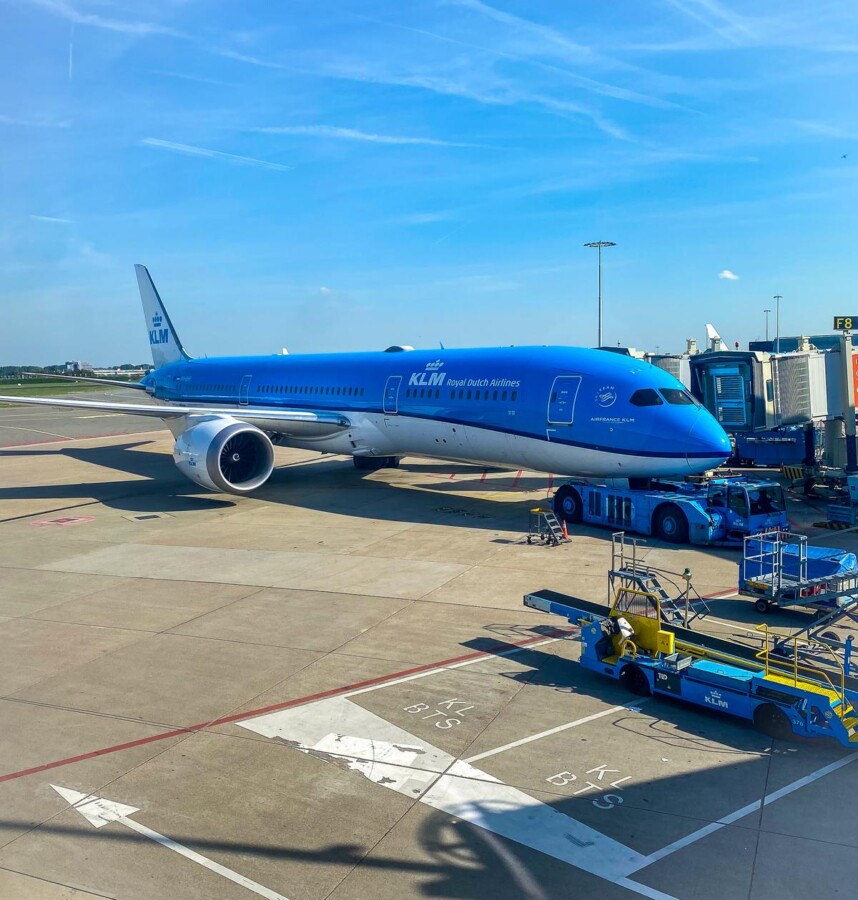
The main international airport of the Netherlands, located southwest of Amsterdam. As one of Europe’s busiest hubs, it features a single-terminal concept for easy navigation, an observation deck, and extensive shopping and dining options at Schiphol Plaza.
A place worth knowing
Amsterdam Airport Schiphol
Europe’s third-busiest airport, built 4 metres below sea level, with a single-terminal design, a Rijksmuseum gallery airside, and direct rail links to Amsterdam Centraal in 15 minutes.
Transportation · Airport in AmsterdamUpdated
- Google rating4.1/5 (30,000 reviews)
- Typical visit30-90 minutes (longer with museum visits or extended layovers)
- EntranceCheck https://www.schiphol.nl/ for current pricing
Why it matters
Europe's third-busiest airport, built 4 metres below sea level, with a single-terminal design, a Rijksmuseum gallery airside, and direct rail links to Amsterdam Centraal in 15 minutes.
Story and significance
About
The main international airport of the Netherlands, located southwest of Amsterdam. As one of Europe’s busiest hubs, it features a single-terminal concept for easy navigation, an observation deck, and extensive shopping and dining options at Schiphol Plaza.
Historical significance
Schiphol Airport holds profound historical significance as a symbol of Netherlands’ transformation from a maritime trading nation to a global aviation hub, representing continuity of Dutch commercial innovation across technological revolutions. The airport’s location on reclaimed lake bottom demonstrates the culmination of Dutch hydraulic engineering expertise developed over centuries of land reclamation, making it a monument to national technological mastery over natural challenges. The decision to house Rijksmuseum artworks within an airport terminal in 2002 marked a revolutionary moment in cultural accessibility, challenging traditional boundaries between high culture and public infrastructure while establishing new models for cultural diplomacy. Schiphol’s evolution during the jet age positioned the Netherlands as a crucial link between Europe and global destinations, facilitating cultural and economic exchange that shaped post-war European integration and globalization patterns. The airport’s role during major historical events—from World War II military operations to Cold War strategic positioning to contemporary climate change initiatives—reflects broader Dutch adaptability and international engagement across changing geopolitical contexts. Today, Schiphol’s combination of efficiency, sustainability, and cultural programming represents the culmination of Dutch values applied to 21st-century infrastructure challenges, influencing airport design and cultural policy worldwide.
Historical context
Schiphol Airport’s history began on an unlikely foundation as a former lake called Haarlemmermeerpolder, reclaimed from water in 1852 through Dutch hydraulic engineering mastery, exemplifying the nation’s centuries-long battle against water. The airport opened in 1916 as a military airfield before evolving into a civilian aviation hub that would become Europe’s fourth busiest airport. The post-World War II reconstruction transformed Schiphol into a symbol of Dutch resilience and international openness, with design principles emphasizing transparency, efficiency, and passenger comfort that influenced airport architecture worldwide. The revolutionary 2002 decision to install a Rijksmuseum branch marked a historic moment in cultural accessibility, making Schiphol the first airport globally to permanently house masterpiece paintings from a national collection. The airport’s continuous expansion and innovation throughout the digital age reflects the Netherlands’ adaptation to globalization while maintaining cultural identity. Recent sustainability initiatives and cultural programming demonstrate how 21st-century infrastructure can serve multiple functions beyond transportation, creating spaces for cultural exchange, environmental education, and community building even within commercial transit environments.
Cultural context
Amsterdam Airport Schiphol revolutionizes the airport experience by transforming transit time into cultural immersion, embodying Dutch values of efficiency combined with accessibility to arts and culture. As the world’s first airport to host a Rijksmuseum branch since 2002, Schiphol demonstrates the Netherlands’ commitment to making high culture accessible to international travelers, breaking down barriers between elite institutions and public spaces. The Holland Boulevard showcases contemporary Dutch artists and traditional crafts, creating a cultural ambassadorship program that introduces visitors to authentic Netherlands artistic heritage before they even enter the country. The airport’s design philosophy reflects Dutch innovation in merging commercial functionality with cultural enrichment, featuring meditation centers, libraries, and indoor parks that prioritize traveler wellbeing over pure consumption. Local Dutch design elements throughout the terminal spaces celebrate national aesthetic traditions while accommodating global passenger needs. The integration of sustainability features and cultural programming reflects contemporary Dutch values of environmental consciousness and cultural diplomacy, making Schiphol a living exhibition of Netherlands social priorities and creative innovation.
Architecture
Schiphol Airport exemplifies Dutch modernist architecture principles that prioritize transparency, natural light, and human-scaled spaces within massive infrastructure projects. The terminal design features extensive use of glass and steel that creates visual connections between interior and exterior environments, reflecting Dutch architectural traditions of maximizing daylight in challenging climates. The single-terminal concept with interconnected satellite piers represents innovative space planning that reduces passenger confusion while accommodating massive traffic volumes through intuitive circulation patterns. The integration of cultural spaces like the Rijksmuseum branch required sophisticated climate control and security systems that protect artwork while maintaining passenger flow, demonstrating advanced building technology solutions. The indoor park areas feature real trees and natural landscaping elements that challenge conventional airport design, creating biophilic environments that reduce travel stress and connect passengers to Dutch landscape traditions. The architectural balance between commercial efficiency and cultural enrichment spaces establishes new paradigms for public infrastructure that serves multiple community functions beyond basic transportation needs, influencing airport design standards worldwide.
Local significance
For Dutch residents, Schiphol Airport represents national pride and international identity, serving as the first impression of Netherlands values for millions of annual visitors while providing high-quality employment for local communities. Amsterdam-area families regularly use Schiphol as a recreational destination, bringing children to observe planes, explore cultural exhibits, and enjoy dining options that showcase Dutch culinary traditions alongside international cuisine. Local artists and cultural organizations view Schiphol as an unprecedented platform for reaching global audiences, with exhibition opportunities that provide career advancement and cultural diplomacy beyond traditional museum contexts. The airport’s environmental sustainability initiatives engage local environmental groups and educational institutions, creating partnerships that advance Netherlands’ climate goals while demonstrating practical solutions at industrial scale. Dutch business travelers appreciate Schiphol’s efficiency and cultural amenities that make frequent travel more pleasant while maintaining connection to home culture even during international journeys. The airport’s role in Netherlands’ economic development cannot be overstated—it serves as a crucial hub for Dutch international business, tourism, and cultural exchange that supports thousands of local jobs and regional economic activity.
Make the most of it
Local tips
- Dutch travelers visit during long layovers peaceful break bustling airport
- Exhibitions change regularly themed around travel business Dutch art
- 8-10 masterpiece paintings Dutch Golden Age Rembrandt Vermeer
- Airport library next to museum loads of books comfortable seats
- NEMO Science branch kids learn by discovery age 3 and up
Hidden gems nearby
- Only airport in world with authentic Dutch masters museum branch
- Collaboration between Rijksmuseum and Schiphol since 2002
- Museum shop 17th-century glassware silver Vermeer Rembrandt inspired
- Quiet getaway from airport bustle perfect transit passengers
- Original classic paintings not reproductions authentic art experience
Special features
- Schiphol's crown jewel is the Rijksmuseum branch displaying rotating 19th-century Dutch landscape paintings in a specially designed gallery space accessible 24/7 free of charge, making it the world's only airport with authentic museum masterpieces. The Holland Boulevard creates an immersive cultural corridor featuring contemporary Dutch art installations, traditional crafts demonstrations, and interactive exhibits that introduce travelers to Netherlands cultural heritage. The unique indoor park areas contain real trees and natural landscaping that provide genuine respite from typical airport environments, demonstrating Dutch expertise in creating human-scaled nature within large infrastructure. The meditation center and library facilities offer quiet contemplation spaces that acknowledge diverse passenger needs for spiritual and intellectual engagement during travel. The airport's extensive art collection throughout terminal areas includes works by established and emerging Dutch artists, creating an ongoing exhibition that changes passenger experience with each visit. Advanced sustainability features including energy-efficient lighting, waste reduction programs, and sustainable food options reflect Dutch environmental leadership while maintaining operational efficiency at massive scale.
How we rate it
Authenticity9/10
Accessibility score8/10
Family-friendly score9/10
Off-the-beaten-path2/10
Editorial scores on a 10-point scale, judged against places of the same kind.
Worth booking ahead in Amsterdam
Hand-picked from the operators our guides already send readers to. Prices and availability are live on the partner site.
Timed ticketGetYourGuide
Van Gogh Museum timed-entry ticket (opens GetYourGuide in a new tab)
The museum sells timed slots online only, so book the hour first and plan the rest of the day around it.
Guided tourGetYourGuide
Life of Anne Frank and Jewish Quarter walking tour (opens GetYourGuide in a new tab)
The house itself sells tickets only through its own site; this walk covers the Jewish Quarter and the story around it.
CruiseGetYourGuide
Pancake Boat: 75-minute IJ river cruise (opens GetYourGuide in a new tab)
A 75-minute cruise on the IJ with unlimited Dutch pancakes on board; the easiest boat trip to sell to children.
Where to stayBooking.com
Stays in Amsterdam (opens Booking.com in a new tab)
Live rates and availability for Amsterdam on Booking.com; filter by neighbourhood once you know where your days start.
We earn a commission if you book through these links, at no extra cost to you. It is how we keep the guides free and independent.

Where to find it
- Address
- Evert van de Beekstraat 202, 1118 CP Schiphol, Netherlands
- Map
- Open in Maps ↗ Directions ↗ Verified location
- Coordinates
- 52.31, 4.76
- Phone
- +31 20 794 0800
- Destination
- Amsterdam