MenuClose

A place worth knowing

Madame Tussauds Amsterdam

Museums · Museum in AmsterdamUpdated

  • Google rating4.2/5 (15,000 reviews)
  • Typical visit1.5-2 hours
  • Entrance€24
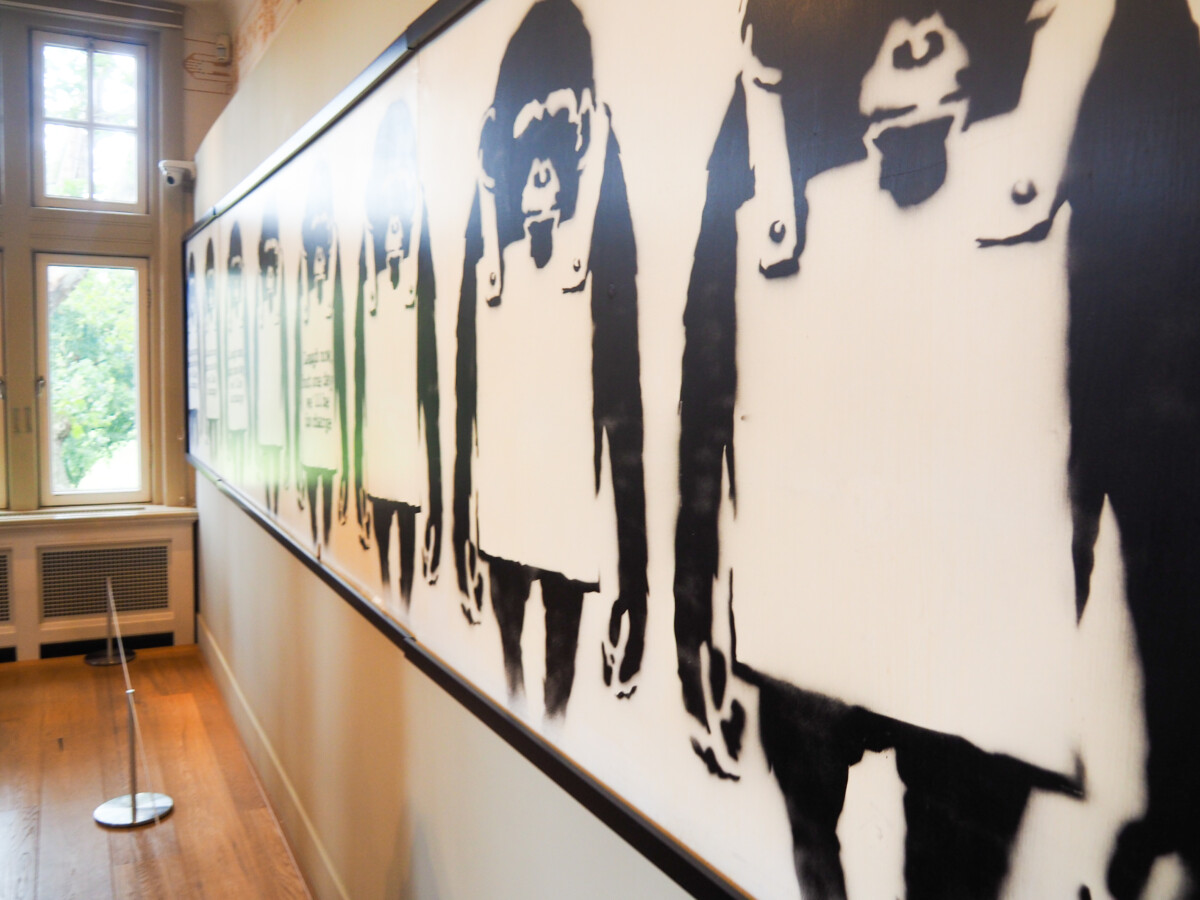
Laugh Now One Day We'll Be in Charge, Banksy
  • Today (Thursday)10:00 AM – 8:00 PM
  • Typical visit1.5-2 hours
  • Entrance€24
  • Google rating4.2/5 15,000 reviews
  • WebsiteOfficial site ↗
Opening hours all week
Monday
10:00 AM – 8:00 PM
Tuesday
10:00 AM – 8:00 PM
Wednesday
10:00 AM – 8:00 PM
Thursday
10:00 AM – 8:00 PM
Friday
10:00 AM – 8:00 PM
Saturday
10:00 AM – 8:00 PM
Sunday
10:00 AM – 8:00 PM
Quiet times
weekday_afternoons, after_17:00, late_evening_visits, winter_months
Busy times
weekends, school_holidays, summer_months, dutch_holidays, before_15:00
Accessibility
"{"note": "Some stairs present, maximum 2 wheelchairs at once", "assistance": "staff available", "stroller_friendly": true, "wheelchair_accessible": true}"
The short answer

Why it matters

A five-storey wax museum on Dam Square featuring life-size figures of Dutch Masters, international celebrities, sports icons, and an interactive 'Flying Over Holland' 5D ride.

Housed in the historic Dam Square’s former Royal Dutch Wax Museum and later Amsterdam Court House, Madame Tussauds Amsterdam offers a distinctly Dutch perspective on the international wax museum concept. While featuring global celebrities and historical figures like other Tussauds locations, the Amsterdam branch distinguishes itself through its significant focus on Dutch cultural icons, royal family members, and historical figures—from Golden Age painter Rembrandt van Rijn to modern DJ Tiesto. Interactive elements specifically reference Dutch culture, such as the opportunity to pose with Vincent van Gogh or join a digitally recreated 17th-century canal house dinner party with merchant-class citizens. The installation takes full advantage of its location in one of Amsterdam’s most historic buildings, with architectural elements from the former palace incorporated into exhibition spaces and windows offering authentic views over Dam Square toward the Royal Palace. Upper floors feature a unique “behind the scenes” area demonstrating how artists create the wax figures, with particular emphasis on traditional Dutch craftsmanship techniques that connect to the Netherlands’ long history of artistic innovation. Beyond entertainment value, the museum functions as a three-dimensional chronicle of Dutch cultural achievement and historical development, providing context for international visitors while celebrating national identity for local guests.

Cultural Context

The museum stands as a testament to Nederland’s cultural significance, featuring exhibitions that highlight the unique artistic traditions and cultural practices of Amsterdam.

Historical Context

Madame Tussauds Amsterdam is situated in a building with a rich historical narrative that reflects Amsterdam’s evolving civic and cultural identity. Originally constructed in the late 19th century, the structure served as the Amsterdam Court House, a pivotal site for judicial proceedings in the city. This building later housed the Royal Dutch Wax Museum, which was established in the early 20th century and became a popular attraction showcasing wax figures of Dutch and international celebrities. In 1971, Madame Tussauds, the internationally renowned wax museum brand founded by Marie Tussaud in London in 1835, expanded to Amsterdam, taking over this historic site. The museum has since evolved to include modern interactive exhibits and a diverse collection of wax figures that reflect contemporary cultural icons as well as historical figures significant to the Netherlands. Over the decades, Madame Tussauds Amsterdam has become a cultural landmark, bridging the city’s judicial heritage with its vibrant modern identity as a center for arts and tourism. Its location on Dam Square, Amsterdam’s historic heart, further situates the museum within a dynamic historical context that includes royal palaces, monuments, and centuries-old urban development. The museum’s evolution from a courthouse to a wax museum encapsulates Amsterdam’s broader transformation from a center of governance to a hub of cultural tourism and entertainment. Today, Madame Tussauds Amsterdam continues to celebrate both local and global figures, offering visitors an immersive experience rooted in the city’s layered history and contemporary cultural life.

Context

Story and significance

About

Madame Tussauds Amsterdam is a branch of the famous wax museum where you can pose with lifelike figures of international celebrities, historical figures and Dutch personalities. The exhibits are staged in themed rooms that invite interactive photographs and short scripted scenes; it’s a light, family-friendly experience rather than a deep cultural attraction. Located in the city center, it’s easy to include as a quick stop between other sights, especially for visitors with limited time or traveling with children. Expect bright, staged lighting and frequent turnover of featured figures tied to current pop culture.

Historical significance

Madame Tussauds Amsterdam occupies a historically significant site that reflects the city’s judicial, cultural, and urban development over more than a century. Originally functioning as the Amsterdam Court House, the building played a central role in the administration of justice during a formative period in Dutch history, witnessing key legal proceedings that shaped local governance. The transition of this space into a wax museum in the 20th century marked a shift in the building’s role from civic administration to cultural exhibition, symbolizing broader societal changes in Amsterdam’s urban identity and economy. Madame Tussauds itself, as a global institution founded in the 19th century by Marie Tussaud, has a legacy of popularizing wax figures as a medium for public engagement with history, celebrity, and politics. The Amsterdam branch continues this tradition by preserving and presenting Dutch historical figures alongside international icons, thereby contributing to the collective memory and cultural education of visitors. The museum’s location in Dam Square places it at the heart of Amsterdam’s historical narrative, neighboring landmarks associated with royal authority, trade, and public life. This proximity enhances the museum’s role as a custodian of cultural heritage, bridging the past with the present. Over time, Madame Tussauds Amsterdam has become part of the city’s historical landscape, illustrating how heritage buildings can be repurposed to serve contemporary cultural functions. Its ongoing operation contributes to the preservation of Amsterdam’s architectural and cultural heritage while fostering an understanding of historical and modern identities.

Historical context

Madame Tussauds Amsterdam is situated in a building with a rich historical narrative that reflects Amsterdam’s evolving civic and cultural identity. Originally constructed in the late 19th century, the structure served as the Amsterdam Court House, a pivotal site for judicial proceedings in the city. This building later housed the Royal Dutch Wax Museum, which was established in the early 20th century and became a popular attraction showcasing wax figures of Dutch and international celebrities. In 1971, Madame Tussauds, the internationally renowned wax museum brand founded by Marie Tussaud in London in 1835, expanded to Amsterdam, taking over this historic site. The museum has since evolved to include modern interactive exhibits and a diverse collection of wax figures that reflect contemporary cultural icons as well as historical figures significant to the Netherlands. Over the decades, Madame Tussauds Amsterdam has become a cultural landmark, bridging the city’s judicial heritage with its vibrant modern identity as a center for arts and tourism. Its location on Dam Square, Amsterdam’s historic heart, further situates the museum within a dynamic historical context that includes royal palaces, monuments, and centuries-old urban development. The museum’s evolution from a courthouse to a wax museum encapsulates Amsterdam’s broader transformation from a center of governance to a hub of cultural tourism and entertainment. Today, Madame Tussauds Amsterdam continues to celebrate both local and global figures, offering visitors an immersive experience rooted in the city’s layered history and contemporary cultural life.
Cultural context

The museum stands as a testament to Nederland’s cultural significance, featuring exhibitions that highlight the unique artistic traditions and cultural practices of Amsterdam.

Architecture

The building housing Madame Tussauds Amsterdam is an exemplar of late 19th-century Dutch architecture, combining neoclassical elements with functional design typical of civic buildings of that period. Originally designed as the Amsterdam Court House, the structure features a symmetrical façade with grand columns and large, arched windows that allow natural light to flood the interior spaces. The use of brick and natural stone reflects traditional Dutch construction materials, while the restrained ornamentation aligns with the solemnity expected of judicial architecture. Inside, the building retains several original features such as high ceilings, intricate moldings, and spacious halls that have been thoughtfully adapted to accommodate the museum’s exhibitions without compromising the architectural integrity. The neoclassical style emphasizes balance, order, and permanence, qualities that were intended to inspire confidence in the judicial system when the building first opened. The adaptive reuse of this historic courthouse into a wax museum demonstrates a sensitive approach to preservation, blending heritage with contemporary needs. Modern additions, including climate control and lighting systems, have been integrated discreetly to protect the delicate wax figures while respecting the building’s historic fabric. The location on Dam Square also places the museum within a historically significant urban ensemble, surrounded by other architecturally important structures such as the Royal Palace and the Nieuwe Kerk. This architectural context enhances the visitor experience by situating Madame Tussauds within a rich visual and cultural landscape. The building’s design and preservation serve as a testament to Amsterdam’s commitment to maintaining its architectural heritage while embracing new cultural functions.

Local significance

Madame Tussauds Amsterdam holds a special place in the local community as both a cultural landmark and a significant contributor to the city’s tourism economy. For Amsterdam residents, the museum offers a space where national pride and global cultural engagement intersect, featuring Dutch historical figures alongside international celebrities. It serves as a popular venue for school groups and families, providing an accessible introduction to Dutch history, arts, and contemporary culture through an engaging format. The museum’s presence on Dam Square, a central and symbolic location in Amsterdam, reinforces its role as a gathering point within the urban fabric, contributing to the vibrancy and economic vitality of the area. Locals often appreciate how the museum balances entertainment with respect for Dutch heritage, avoiding sensationalism while celebrating notable figures. Madame Tussauds Amsterdam also supports local artists and craftspeople through its wax figure creation process, which involves skilled sculptors and designers based in the Netherlands. The museum’s events and exhibitions occasionally spotlight local cultural themes, fostering a sense of community connection. Furthermore, the preservation and adaptive reuse of the historic courthouse building align with Amsterdam’s broader commitment to maintaining its cultural identity amidst rapid urban development. While primarily a tourist attraction, Madame Tussauds Amsterdam remains relevant to residents as a place of cultural reflection and pride. Its integration into the daily life and cultural landscape of the city underscores its importance beyond mere entertainment.

Experience

Make the most of it

Local tips
  • Members get free entry and skip lines
  • Late night openings often have special events
  • Gift shops have unique souvenirs
  • Check for combo tickets with nearby attractions
  • Museum cafes often serve quality local food
  • Visit during weekdays for fewer crowds
  • Special exhibitions require separate tickets
Hidden gems nearby
  • Lesser-known wings have amazing collections
  • Hidden courtyards perfect for photos
  • Secret passages between galleries
  • Free guided tours at specific times
  • Staff recommendations for must-see pieces
  • Archive rooms sometimes open for special tours
  • Rooftop terraces often have great city views
Special features
  • Central Dam Square location in historic courthouse building, over 80 celebrity figures including unique Dutch celebrities and royalty, interactive Marvel experience, photography encouraged throughout, evening late tickets with special atmosphere.
Editorial scores

How we rate it

Authenticity5/10
Accessibility score9/10
Family-friendly score9/10
Off-the-beaten-path3/10

Editorial scores on a 10-point scale, judged against places of the same kind.

Updated Data: Editorial research · Google Places ratings · Verified coordinates