Plan your visit with our complete Amsterdam travel guide featuring top sights, itineraries, and local travel tips.
A place worth knowing
Moeders
Restaurants · Restaurant in AmsterdamUpdated
- Google rating4.3/5
- Typical visit60-120 minutes (longer for a full Rijsttafel van Moeder meal and relaxed ambiance)
- EntranceFree

Why it matters
A charming Dutch comfort-food restaurant decorated with hundreds of photos of guests' mothers, serving grandma-style stamppot and meatballs
A cozy restaurant famous for traditional Dutch home cooking like stamppot and sudderlapjes. The interior is covered with hundreds of photos of mothers brought in by guests since opening in 1990, creating a unique and warm atmosphere.
Story and significance
About
A cozy restaurant famous for traditional Dutch home cooking like stamppot and sudderlapjes. The interior is covered with hundreds of photos of mothers brought in by guests since opening in 1990, creating a unique and warm atmosphere.
Historical significance
Opened 1990 when owner asked guests to bring plates glasses and cutlery to opening creating unique collection still used today. Represents Dutch gezelligheid culture celebrating mothers and home cooking. Walls display hundreds of mother photos from around world donated by guests over decades. Preserves traditional Dutch recipes in modern Amsterdam. Symbol of how personal stories create community spaces.
Historical context
Moeders, which translates to ‘Mothers’ in Dutch, was established in 1980 in Amsterdam’s Jordaan district by owner and chef René Pluijm. The restaurant was born out of a desire to honor Dutch mothers by creating a warm, nostalgic environment reminiscent of a traditional Dutch family home. Over the decades, Moeders has become a beloved institution, preserving and celebrating the culinary traditions of the Netherlands at a time when global influences were increasingly shaping Amsterdam’s food scene. The restaurant’s concept revolves around serving classic Dutch dishes such as stamppot, hachee, and poffertjes, prepared with recipes passed down through generations. Its walls are famously adorned with hundreds of photographs of mothers, contributed by patrons and locals alike, which creates a deeply personal and communal atmosphere. This tradition began in the early 1980s and has expanded continuously, symbolizing the collective memory and respect for family heritage in Dutch culture. Moeders’ enduring popularity reflects not only its culinary authenticity but also its role as a cultural repository that connects visitors with the domestic and social histories of the Netherlands. The restaurant’s location in the Jordaan, historically a working-class neighborhood, further roots it in the social fabric of Amsterdam, linking the past and present through food and familial reverence. Moeders continues to thrive as a testament to the enduring value of Dutch home cooking and the importance of maternal figures in Dutch society.
Cultural context
Moeders stands as one of Amsterdam’s most emotionally resonant restaurants, embodying the Dutch cultural concept of “gezelligheid”—that untranslatable sense of warmth, comfort, and togetherness that defines Dutch social life. Founded in 1990 in the historic Jordaan district, this intimate 38-seat restaurant transforms dining into a celebration of motherhood and family heritage, with walls adorned by hundreds of photographs of mothers from around the world, creating a living memorial to universal maternal love. The restaurant’s philosophy extends to every detail: mismatched plates, glasses, and cutlery represent the eclectic charm of every mother’s kitchen, while traditional Dutch dishes like “stamppot” and their famous “Dutch rice dish” preserve centuries-old recipes passed down through generations. Located in a former dance school on Rozengracht, Moeders invites guests to bring photos of their own mothers to join this growing family gallery, making every visitor part of an ongoing cultural story about love, memory, and the timeless bonds that connect us all.
Architecture
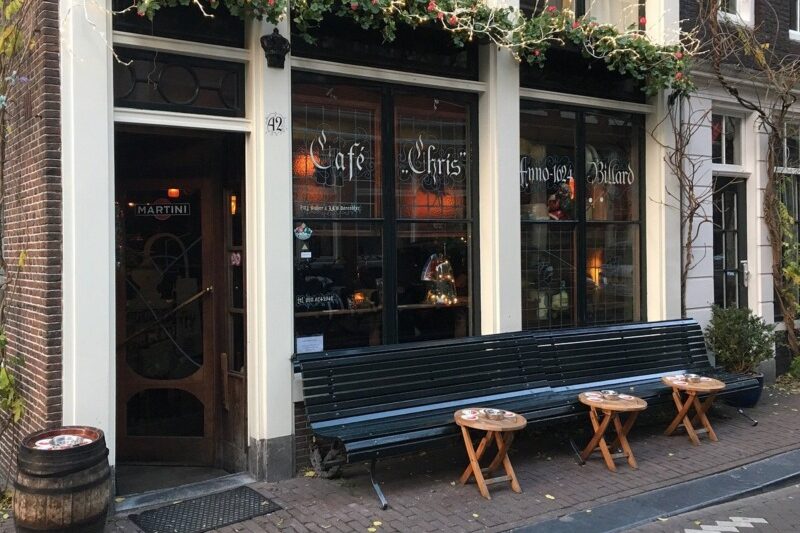
Moeders is housed in a traditional Amsterdam canal house typical of the Jordaan district, featuring classic 17th-century Dutch architectural elements that contribute to its authentic ambiance. The building showcases characteristic narrow, tall facades with large windows and steep gabled roofs, reflecting the practical urban design necessitated by limited space along Amsterdam’s canals. The interior architecture preserves the cozy, intimate scale of a family home rather than a commercial restaurant, with wooden floors, exposed beams, and vintage furnishings that evoke mid-20th-century Dutch domestic interiors. The décor is intentionally eclectic and nostalgic, with walls covered in framed photographs, old Dutch kitchenware, and memorabilia that complement the architectural setting. This design approach integrates historical materials and textures, such as aged wood and ceramic tiles, which echo traditional Dutch craftsmanship. The use of warm lighting and intimate seating arrangements enhances the feeling of dining in a mother’s kitchen rather than a public eatery. The building itself, while modest, stands as a representative example of Amsterdam’s canal houses adapted for modern use without losing their historical character. This architectural preservation aligns with the city’s broader efforts to maintain the integrity of its historic neighborhoods while supporting contemporary cultural enterprises. Moeders’ architectural setting thus plays a crucial role in reinforcing the restaurant’s theme of nostalgia and cultural continuity through both space and design.
Local significance
Moeders holds a special place in the hearts of Amsterdam residents, particularly within the Jordaan community, where it is regarded as a cherished cultural landmark. For locals, the restaurant is more than a dining venue; it is a communal space that honors family values and Dutch heritage in a rapidly modernizing city. The tradition of displaying photographs of mothers has fostered a sense of belonging and pride among patrons, many of whom return regularly to celebrate personal milestones and family gatherings. Its role as a preserver of traditional Dutch cuisine also resonates deeply with Amsterdam’s older generations, who see Moeders as a guardian of culinary customs that might otherwise be overshadowed by contemporary international food trends. The restaurant’s presence supports local identity by maintaining a tangible connection to the city’s working-class past and domestic traditions. Additionally, Moeders contributes to the social fabric by attracting visitors who engage with Dutch culture in an authentic and respectful manner, thereby promoting intercultural understanding. The establishment’s commitment to community is also reflected in its participation in neighborhood events and collaborations with local producers. Overall, Moeders acts as a cultural anchor within Amsterdam, reinforcing the importance of family, tradition, and local pride in everyday life.
Make the most of it
Local tips
- Seasonal menus showcase best ingredients
- Locals eat later than tourists
- Chef's tasting menu offers best experience
- Early bird specials before 7pm
- Bar seating often available without reservation
- Try the house wine recommendations
- Ask servers for off-menu items
Hidden gems nearby
- Secret menu items for regulars
- Chef's table experiences available
- Private dining rooms for special occasions
- Kitchen tours sometimes offered
- Wine cellar tours can be arranged
- Signature cocktails worth trying
- Local ingredients sourced from specific farms
Special features
- One of Moeders’ most distinctive features is its extensive and evolving collection of photographs of mothers, contributed by customers and locals from around the world. These images are prominently displayed on the walls, creating a unique visual tribute that personalizes the dining experience and connects patrons through shared cultural respect for motherhood. This gallery-like installation serves as both a decorative element and a symbolic heart of the restaurant, making Moeders a living museum of familial affection. The menu itself is a special feature, focusing exclusively on authentic Dutch comfort food prepared with traditional recipes. Dishes such as hutspot, erwtensoep (split pea soup), and Dutch apple pie are staples, offering visitors a genuine taste of the Netherlands’ culinary heritage. Moeders also emphasizes the use of locally sourced ingredients, reinforcing its commitment to regional authenticity. The intimate, homey atmosphere is enhanced by attentive service that often includes stories behind the dishes and customs, creating an immersive cultural experience. Additionally, the restaurant’s location in the Jordaan district, known for its artistic and bohemian history, adds to its charm and appeal. Moeders’ blend of culinary tradition, personal storytelling, and visual homage to mothers makes it a singular destination where food and cultural memory intersect in a meaningful way.
How we rate it
Authenticity9/10
Accessibility score8/10
Family-friendly score8/10
Off-the-beaten-path7/10
Editorial scores on a 10-point scale, judged against places of the same kind.
Worth booking ahead in Amsterdam
Hand-picked from the operators our guides already send readers to. Prices and availability are live on the partner site.
Timed ticketGetYourGuide
Van Gogh Museum timed-entry ticket (opens GetYourGuide in a new tab)
The museum sells timed slots online only, so book the hour first and plan the rest of the day around it.
Guided tourGetYourGuide
Life of Anne Frank and Jewish Quarter walking tour (opens GetYourGuide in a new tab)
The house itself sells tickets only through its own site; this walk covers the Jewish Quarter and the story around it.
CruiseGetYourGuide
Pancake Boat: 75-minute IJ river cruise (opens GetYourGuide in a new tab)
A 75-minute cruise on the IJ with unlimited Dutch pancakes on board; the easiest boat trip to sell to children.
Where to stayBooking.com
Stays in Amsterdam (opens Booking.com in a new tab)
Live rates and availability for Amsterdam on Booking.com; filter by neighbourhood once you know where your days start.
We earn a commission if you book through these links, at no extra cost to you. It is how we keep the guides free and independent.





Where to find it
- Address
- Rozengracht 251, 1016 SX Amsterdam, Netherlands
- Map
- Open map ↗ Directions ↗ Verified location
- Coordinates
- 52.372, 4.878
- Phone
- +31 20 626 7957
- Destination
- Amsterdam