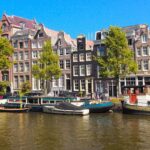
The Museum of the Canals (Het Grachtenhuis) offers a fascinating journey through Amsterdam‘s UNESCO-listed canal ring history. Housed in a beautifully preserved 17th-century canal house on the Herengracht, this interactive museum uses innovative multimedia exhibits, 3D animations, and immersive installations to tell the story of Amsterdam’s ambitious urban planning during the Golden Age. Visitors learn about the engineering marvel of the concentric canal system, the architectural significance of canal houses, and the social history of canal life through the centuries. The museum perfectly balances educational content with engaging presentation, providing essential context for understanding Amsterdam’s distinctive water-based urban landscape and cultural heritage.
Cultural Context
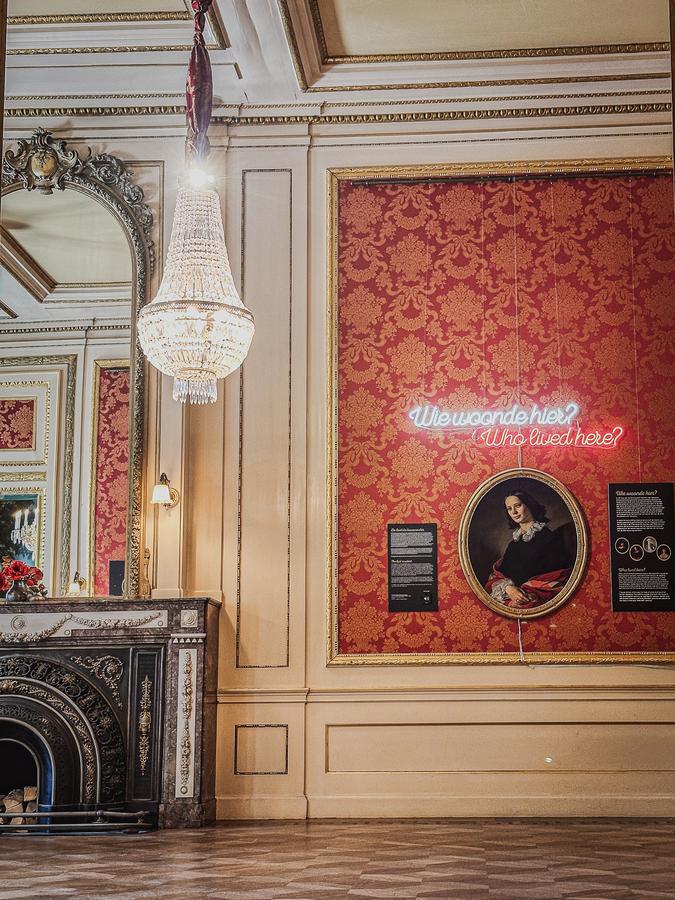
The Museum of the Canals stands as the definitive chronicle of one of the world’s greatest urban planning achievements—Amsterdam’s legendary canal system, designated a UNESCO World Heritage Site in 2010. Housed within a magnificent 17th-century canal house on Herengracht 386, this museum tells the extraordinary 400-year story of how the Amsterdam canals transformed a modest medieval trading post into the cosmopolitan heart of the Dutch Golden Age. The building itself features authentic period rooms with original 1776 wall paintings by Jurriaan Andriessen, embodying the grandeur of Amsterdam’s merchant elite. Through immersive multimedia exhibitions, visitors discover the engineering marvel behind the largest planned city expansion in world history—the 17th-century canal ring that required innovative techniques including building thousands of houses on wooden poles driven deep into Amsterdam’s marshy soil. The museum reveals how these waterways became the lifeblood of global commerce, welcoming merchants, artists, refugees, and free-thinkers from across the world, making Amsterdam a beacon of tolerance and prosperity. Today, the canals continue to define Amsterdam’s identity, representing the Dutch mastery of water management and urban design that has inspired cities worldwide.
Historical Context
The Museum of the Canals (Het Grachtenhuis) is deeply rooted in the history of Amsterdam’s iconic canal ring, which was constructed during the Dutch Golden Age in the 17th century. This canal system was developed between 1613 and 1665 as part of an ambitious urban expansion plan designed by city planners such as Jan van der Heyden and architects like Hendrick de Keyser. The canals were engineered not only for water management and defense but also to facilitate trade and transport, reflecting Amsterdam’s rise as a major economic and maritime power. The museum itself is housed in a historic canal house dating back to 1665, which was originally owned by affluent merchants who played a role in the city’s mercantile success. Over the centuries, the canals have witnessed significant events including the rise of the Dutch East India Company, the impact of the Napoleonic Wars, and Amsterdam’s transition into a modern metropolis. The museum offers visitors a comprehensive narrative of these developments, showcasing how the canals shaped the social, economic, and cultural fabric of Amsterdam. By focusing on the evolution of the canal ring and its lasting influence, the Museum of the Canals provides a vital link to understanding the city’s historical trajectory and its global significance during the early modern period.