

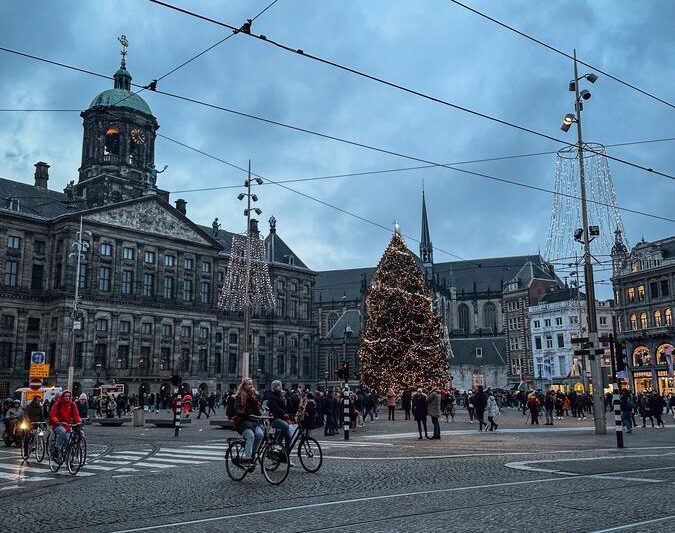
Dam Square
Dam Square is where Amsterdam began — literally. The 13th-century dam on the Amstel gave the city its name, and the square still anchors everything.
Explore the ViaTravelers atlas
100 results · Follow an idea, or refine your search below.
Dam Square is where Amsterdam began — literally. The 13th-century dam on the Amstel gave the city its name, and the square still anchors everything.
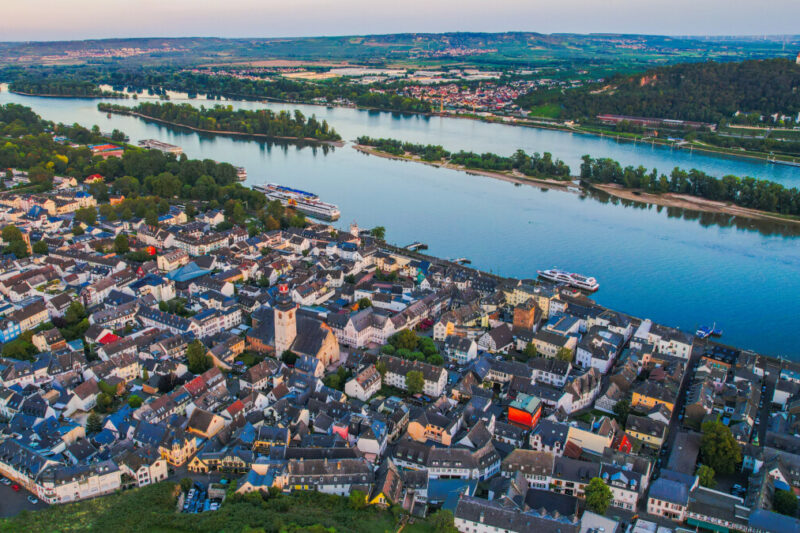
Drosselgasse is touristy and worth it anyway — but the cable car over the Riesling terraces is what actually earns the detour.
Perched on a rocky islet, this fortress-turned-prison whispers tales of intrigue and escape. Beyond its literary fame, Château d’If harbors secrets of Provençal history, waiting to be uncovered by the curious explorer.

Perched atop a promontory, this former imperial retreat now bustles with intellectual discourse. Its stone walls, once privy to royal whispers, now echo with the voices of modern thinkers, all under the watchful gaze of the Mediterranean.
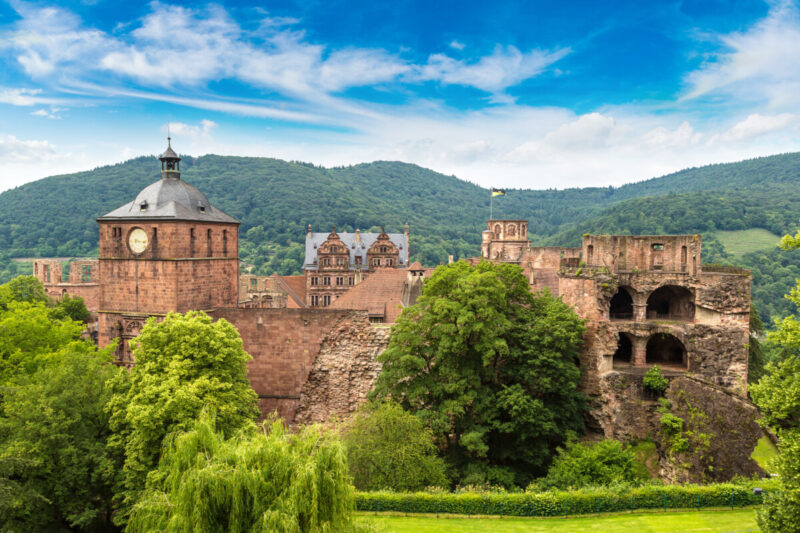
Heidelberg Castle stays ruined on purpose — and that choice makes it more powerful than any restored fortress in Germany.
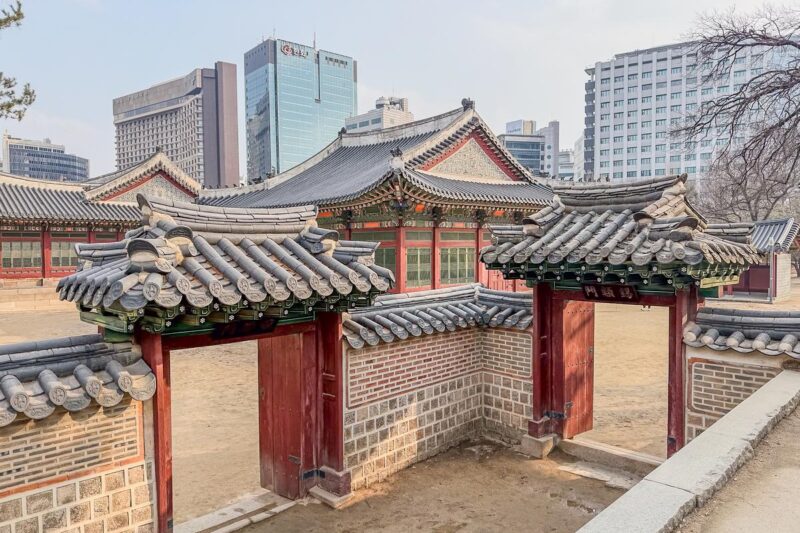
Gyeongbokgung took three hours and I still missed half of it. Go for the guard change, stay for Gyeonghoeru Pavilion.
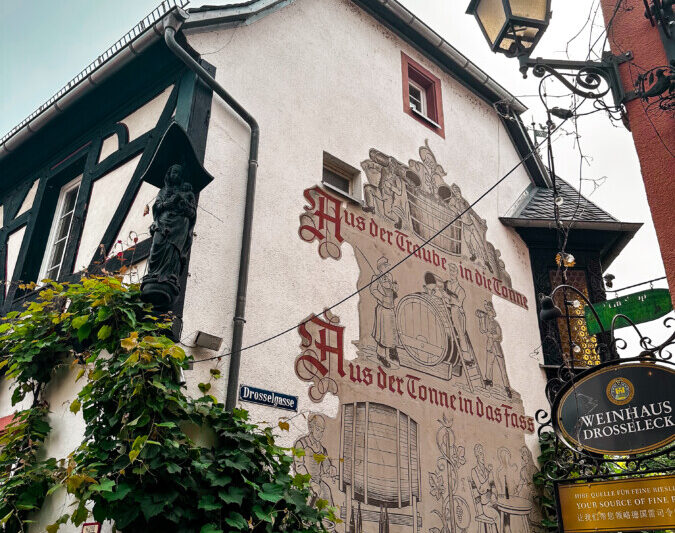
144 meters of cobblestone, three million visitors a year, and somehow Drosselgasse still feels like it belongs to the winemakers.
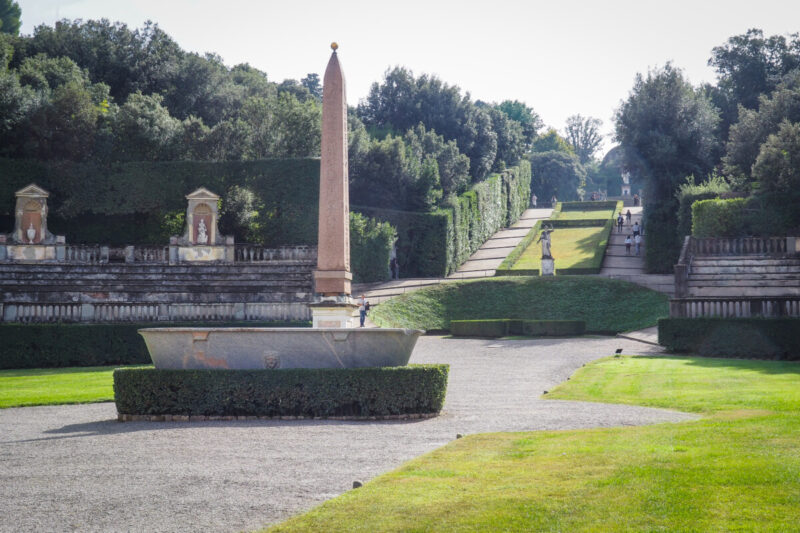
Boboli’s Grotta del Buontalenti alone justifies the entrance fee — the stalactites hide Michelangelo sculptures most visitors walk straight past.
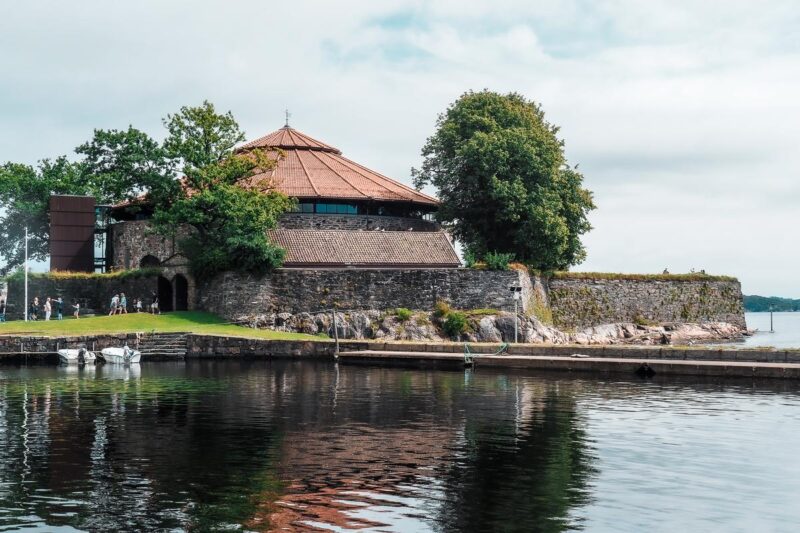
Christiansholm’s walls are 4.5 meters thick, never fired a shot in battle, and still stand nearly perfect after 350 years.
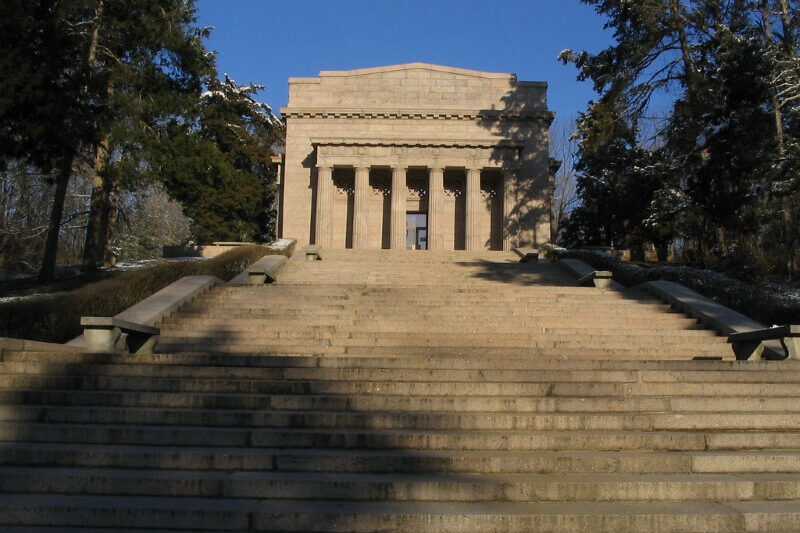
Touch Gregory’s golden toe near Split’s Golden Gate — the bishop who defied Rome for Croatian is worth two minutes of your itinerary.
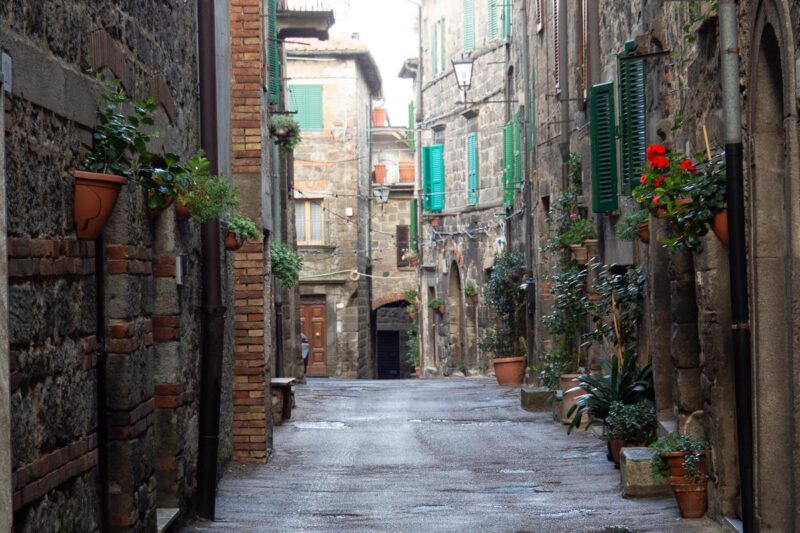
Le Panier sat above the Old Port for 2,600 years — Greek agora, Nazi demolition attempts, and now the best street art in southern France.

Grande-Île is where Roman street grids survived medieval builders — and somehow still guide foot traffic today.