

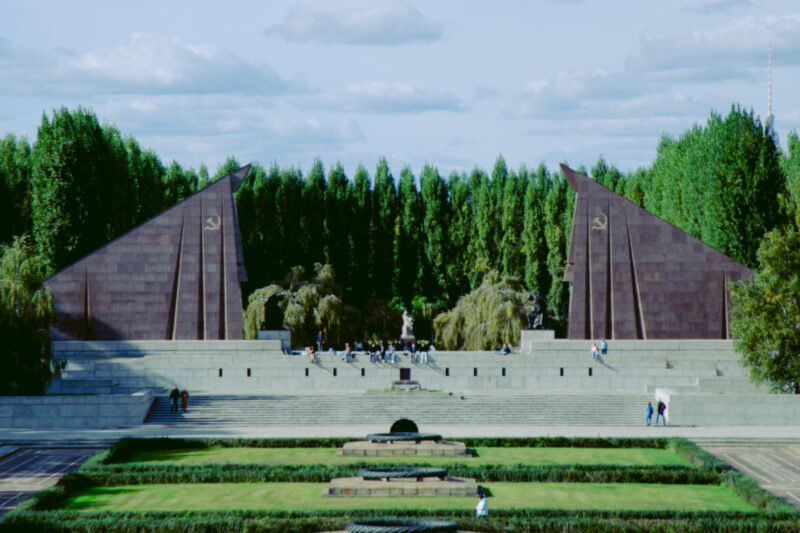
Lübeck Photo Gallery
Explore stunning photos from Lübeck. Browse our curated collection of travel photography showcasing the best of this destination.
Germany travel guides covering Berlin, Munich, Hamburg, the Romantic Road, Bavarian Alps, and beyond — Christmas market timing, Oktoberfest logistics, Deutsche Bahn route strategy, and the regional dishes worth planning a trip around. EU EES applies since April 10, 2026; ETIAS launches Q4 2026 for visa-exempt visitors.
Explore stunning photos from Lübeck. Browse our curated collection of travel photography showcasing the best of this destination.
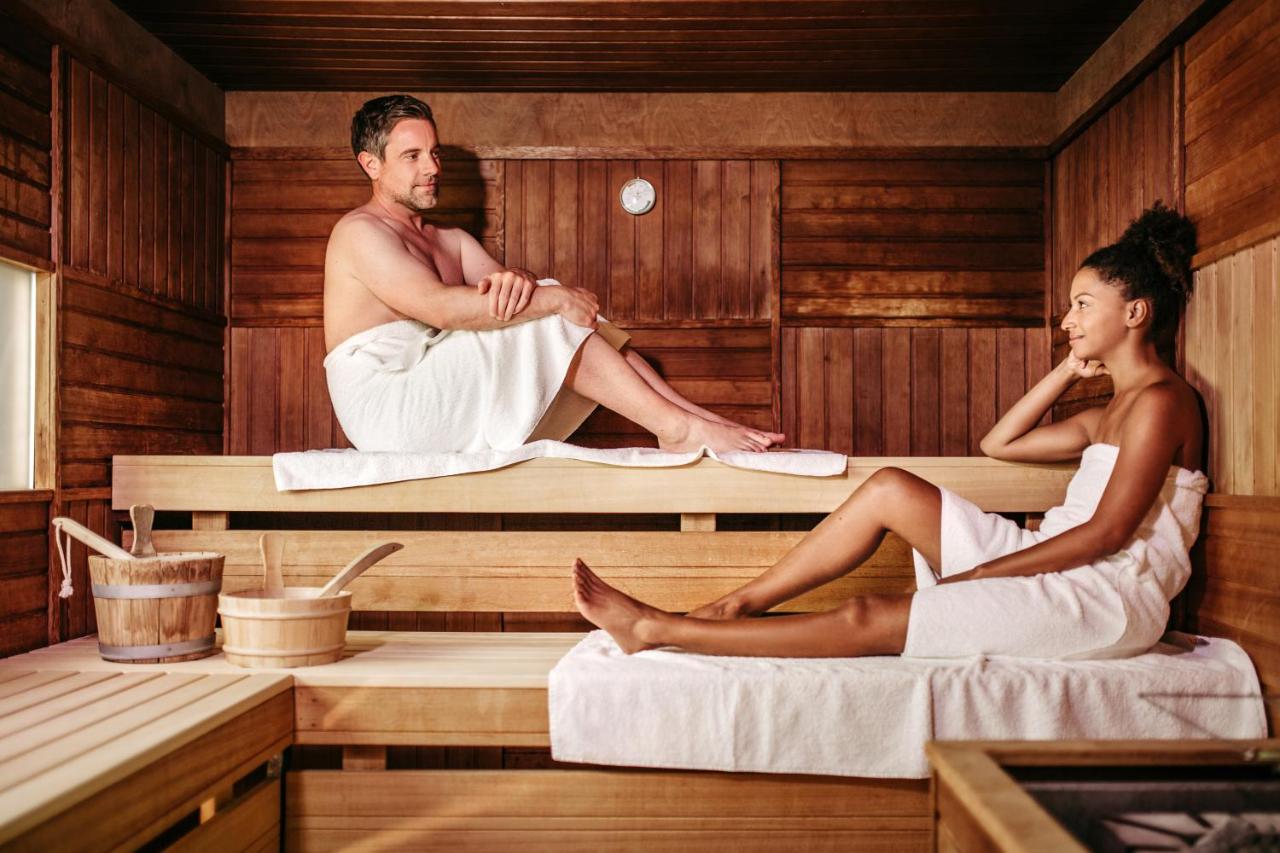
The Quellenhof sits beside Carolus Thermen and gives guests free access — Aachen’s 2,000-year bathing tradition, included in the room rate.

Berlin’s Botanical Garden has been growing since 1679 — the Dahlem greenhouses alone span a city block and house plants from every climate on earth.
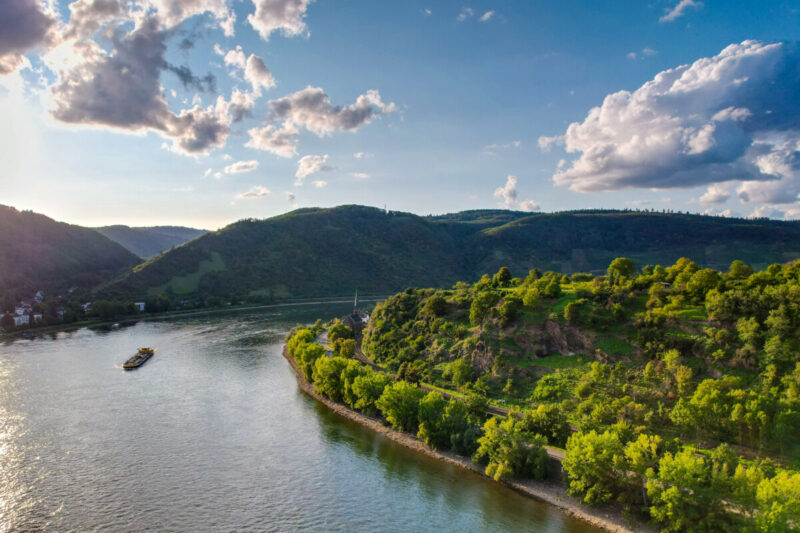
The Rhine Valley packs castles, vineyards, and medieval villages into one river corridor — boat or bike, the views hold up either way.
Speicherstadt’s red-brick warehouses sit on oak piles over tidal canals — at night, 800 spotlights turn the whole district into something worth rerouting your trip for.


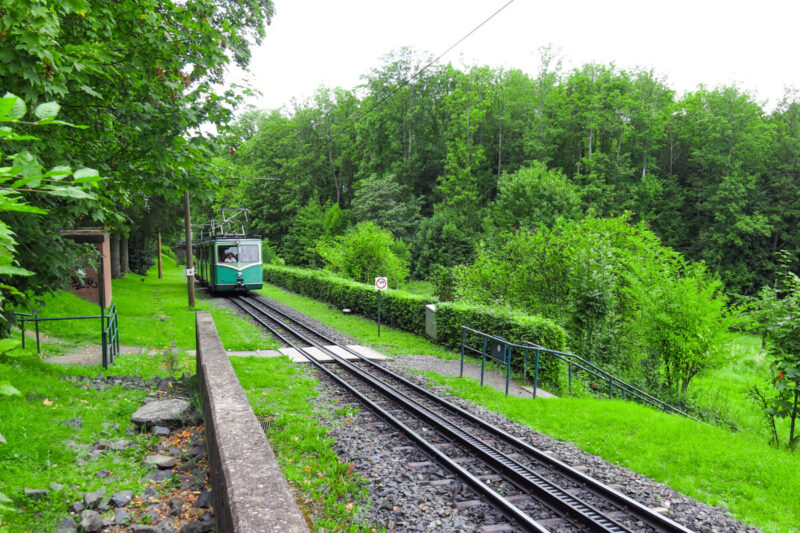
Bernkastel-Kues sits on the Moselle like it was staged for a painting — but the Riesling in the market square is very real.
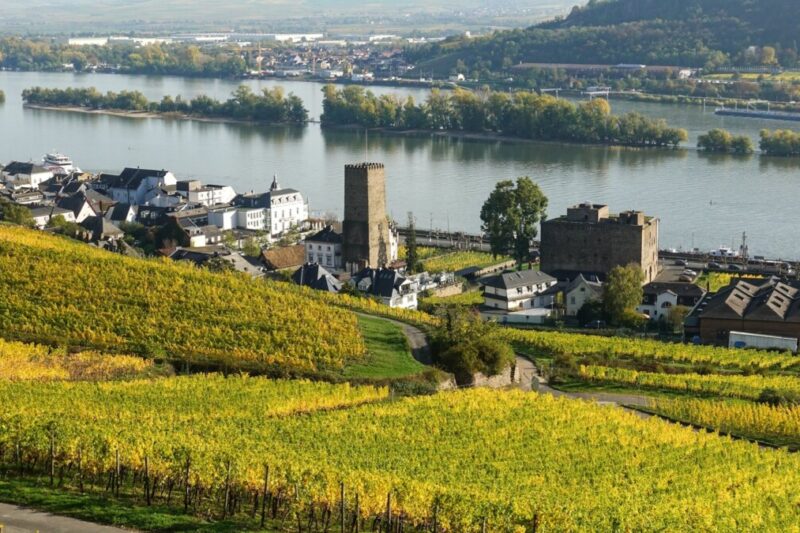
Rheinfels Castle sits above Sankt Goar like it never fell — the largest Rhine fortress, now a ruin worth every step of the climb.


The Eagle’s Nest sits at 1,834 meters and the views over the Bavarian Alps are earned — Berchtesgaden National Park is the real reason to stay longer.
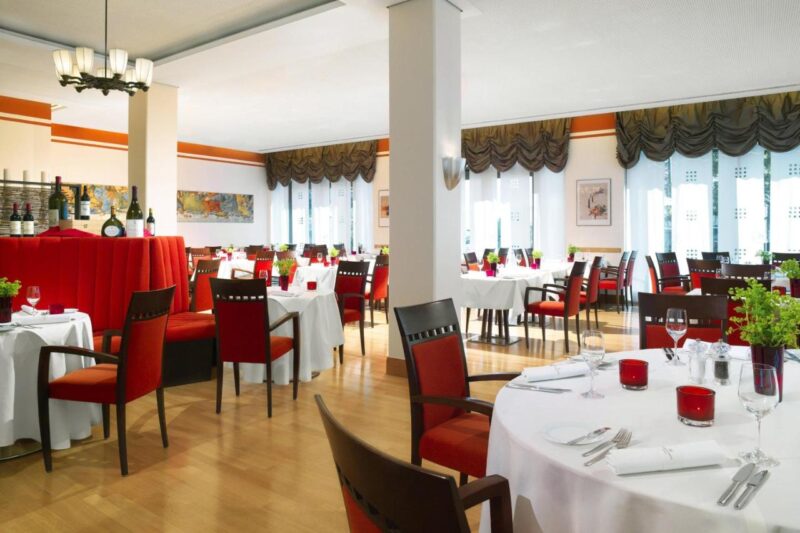
Nuremberg holds 1,000 years of imperial power and Nazi-era reckoning in the same city — that tension is exactly what makes it worth your time.

Trier is Germany’s oldest city, and the Roman ruins here aren’t museum pieces — the Porta Nigra still dominates the skyline like it owns the place.

Burg Stahleck sits above Bacharach like it owns the Rhine Valley — because for 900 years, it basically did.
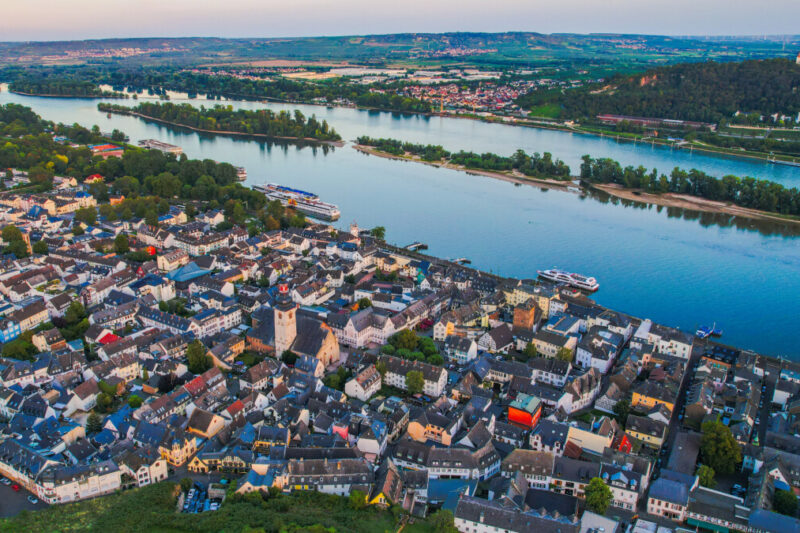
Drosselgasse is touristy and worth it anyway — but the cable car over the Riesling terraces is what actually earns the detour.

Kaiserburg sat at the center of the Holy Roman Empire for centuries. The Deep Well alone — 128 feet into sandstone — tells you how seriously they took this place.
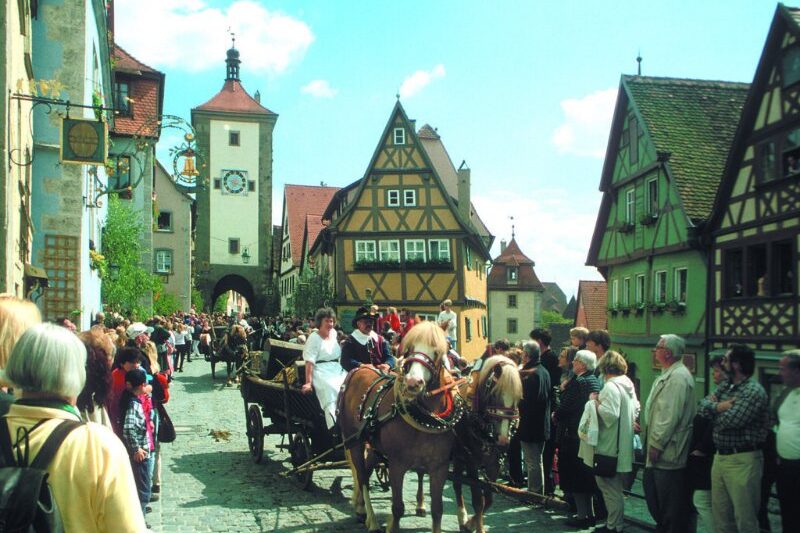
The Romantic Road takes 3–5 days to drive properly. Rothenburg ob der Tauber gets the crowds; Dinkelsbühl, just 45km south, gives you the same medieval walls without them.

The Glockenspiel performs at 11am and noon — skip the crowd, stay for the Mariensäule and the beer hall two blocks west.
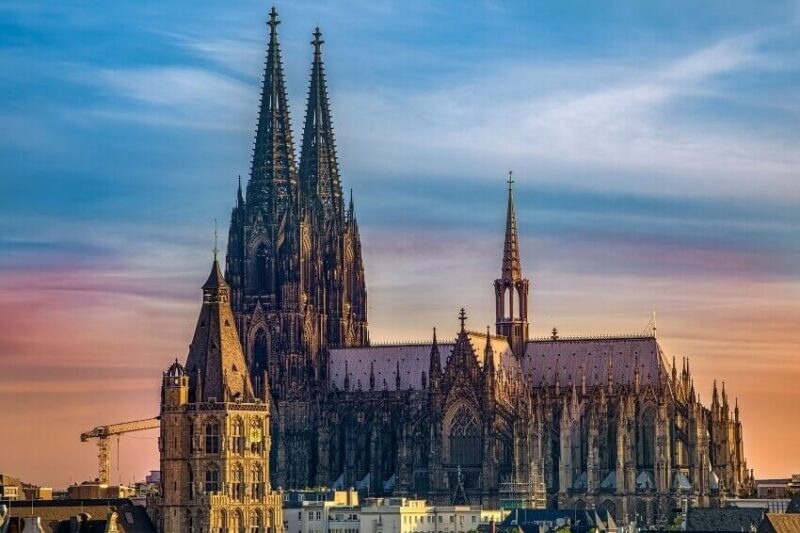
It took 632 years to finish. Standing under those twin towers, that timeline starts to make sense.
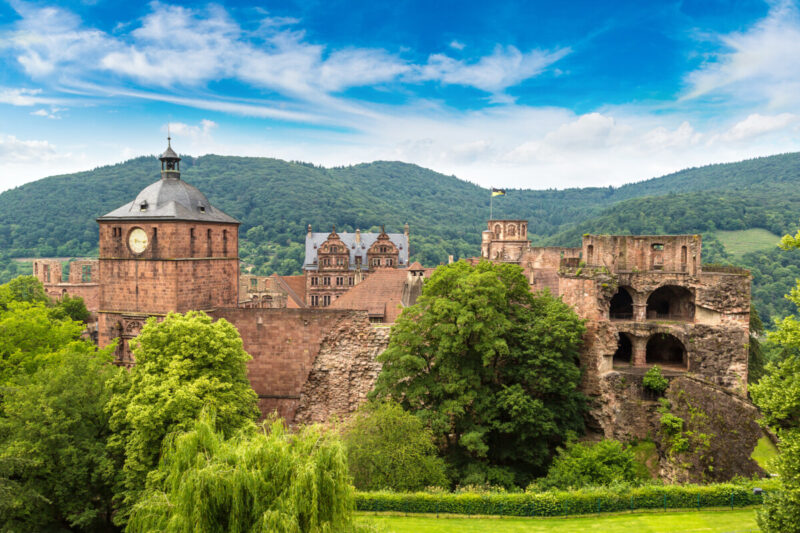
Heidelberg Castle stays ruined on purpose — and that choice makes it more powerful than any restored fortress in Germany.
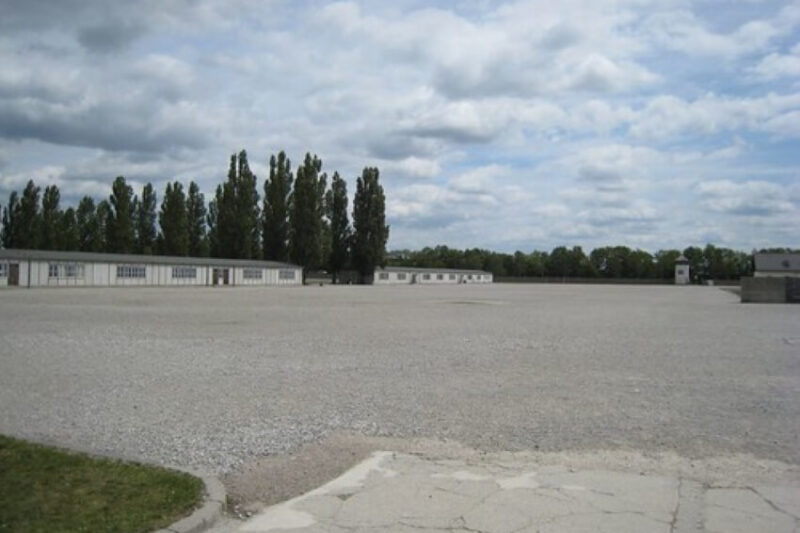
Dachau was the blueprint — every camp that followed copied it. Walking the roll call square, that context hits differently than any history book.
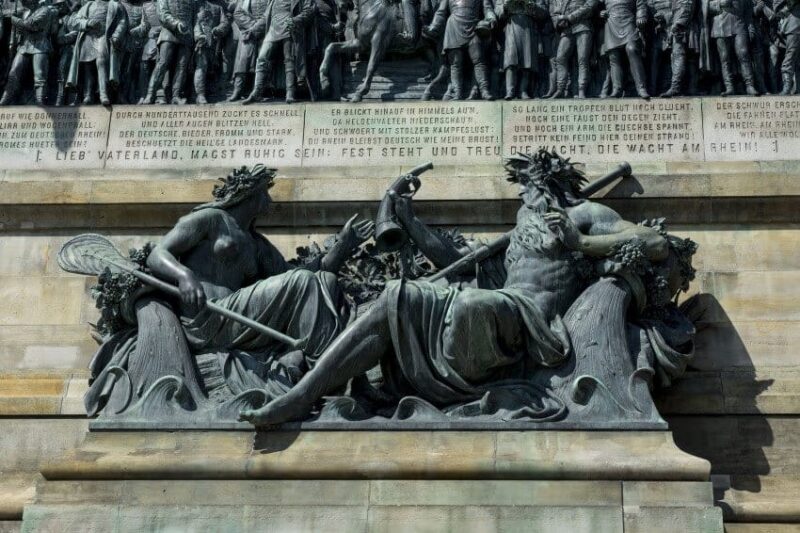
The cable car through Rhine vineyards gets you there — but Germania holding the imperial crown is what stops you cold.