

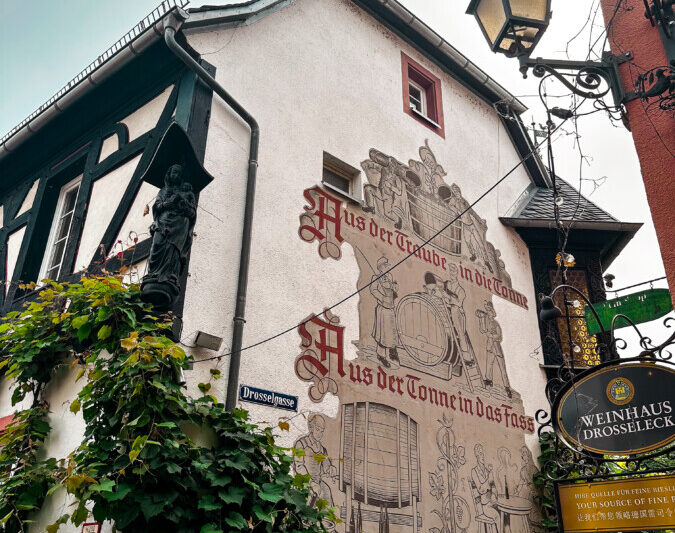
Drosselgasse
144 meters of cobblestone, three million visitors a year, and somehow Drosselgasse still feels like it belongs to the winemakers.
Germany travel guides covering Berlin, Munich, Hamburg, the Romantic Road, Bavarian Alps, and beyond — Christmas market timing, Oktoberfest logistics, Deutsche Bahn route strategy, and the regional dishes worth planning a trip around. EU EES applies since April 10, 2026; ETIAS launches Q4 2026 for visa-exempt visitors.
144 meters of cobblestone, three million visitors a year, and somehow Drosselgasse still feels like it belongs to the winemakers.
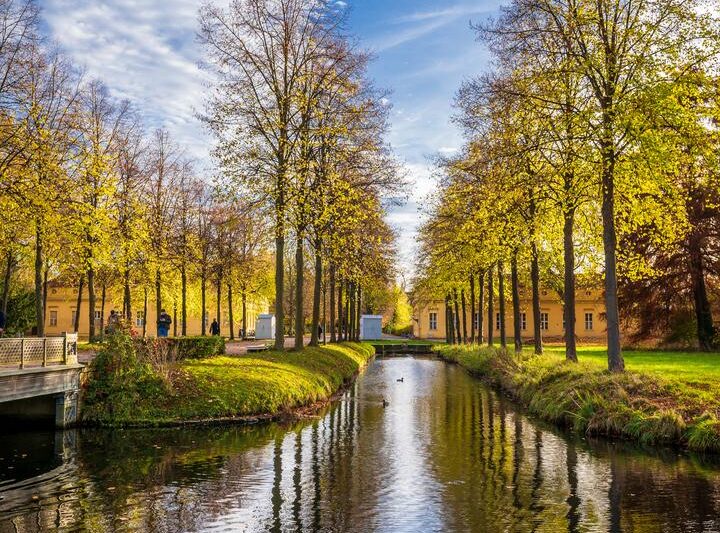
Frederick the Great planned his own grave at Sanssouci’s highest terrace — and was finally buried there in 1991. That detail alone sets the tone.
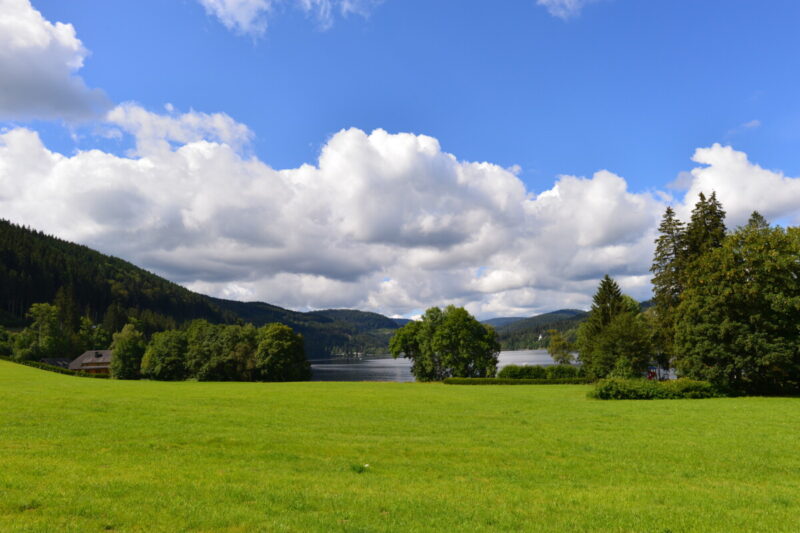
Triberg’s cuckoo clock workshops are the real draw — 350 years of craftsmanship in towns most visitors drive past on the way to Baden-Baden.
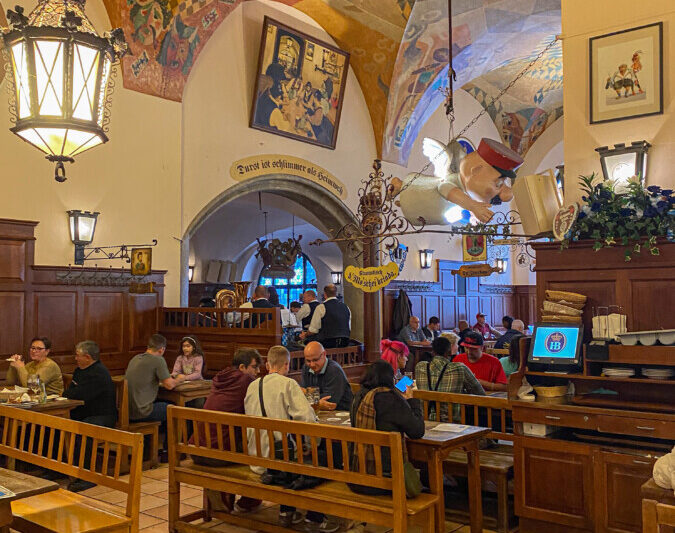
Hofbräuhaus has served liter beers since 1589 — Mozart composed here, Lenin plotted here, and Hitler launched a coup here. Order the Maß anyway.

Checkpoint Charlie is touristy — but the Mauermuseum behind it holds escape contraptions and Cold War artifacts that stop you cold.
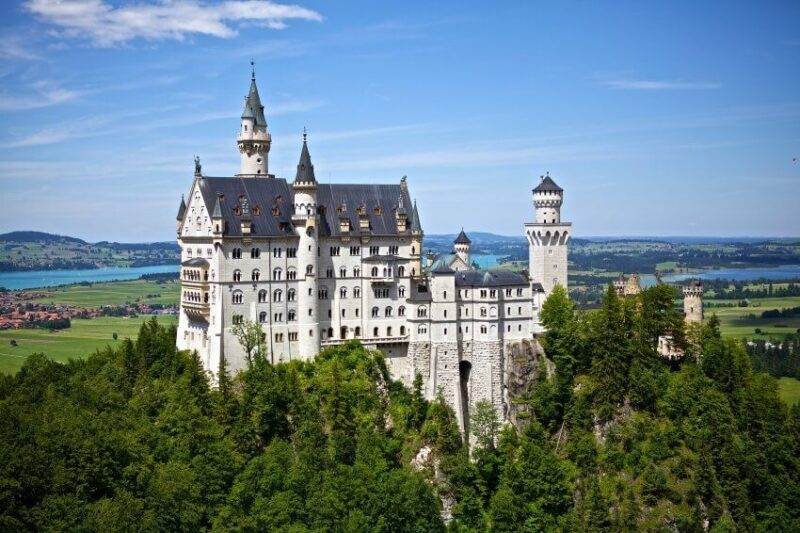
Ludwig II built Neuschwanstein to escape reality — the throne room was never finished, yet 1.3 million people a year still make the climb.

Linderhof is Ludwig II’s smallest palace — and his only completed one. That distinction makes it the most personal window into Bavaria’s Fairy Tale King.

Those flood marks on the Altes Rathaus walls tell Passau’s story better than any museum — seven centuries at the mercy of three rivers.
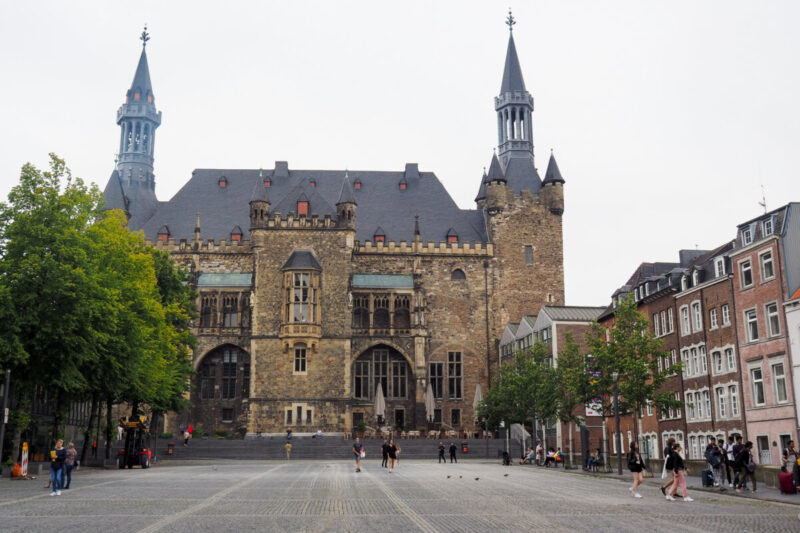
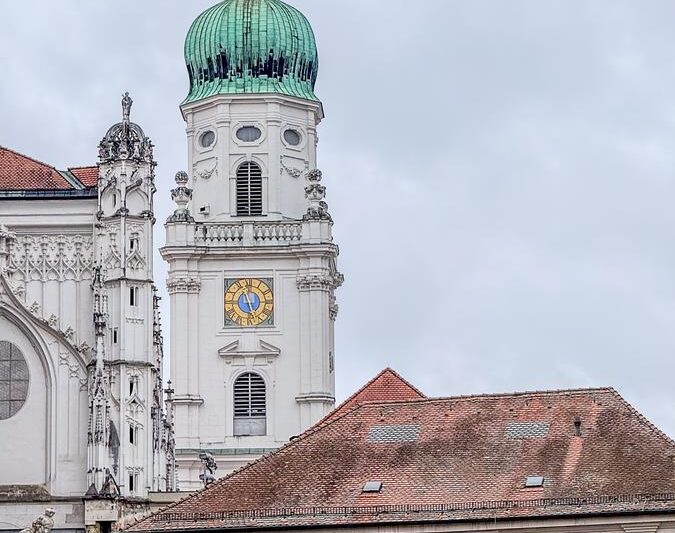
Three rivers meet at Passau’s tip in different colors — blue, green, and black — and the view from Veste Oberhaus makes it click.
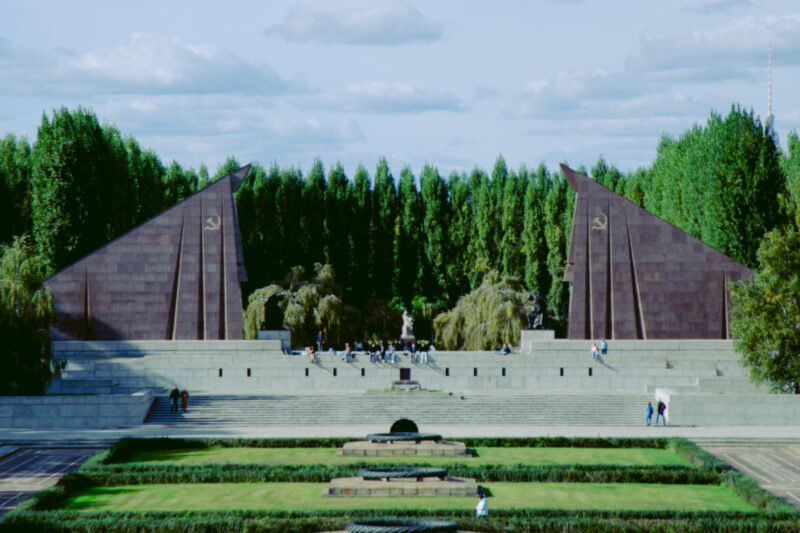

Compare 16 practical day trips from Munich, with realistic travel times, train and car advice, seasonal limits, ticket tips, and clear guidance on which trips are worth a full day.
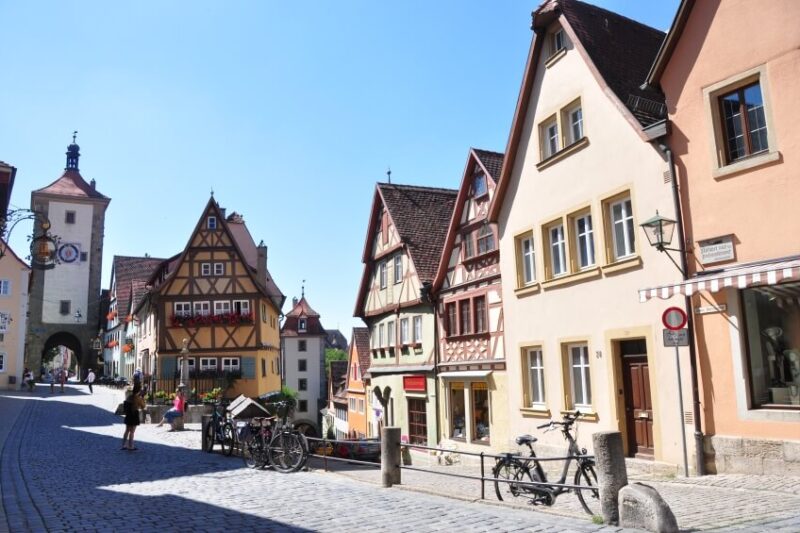
Rothenburg ob der Tauber looks exactly like a medieval German town should — half-timbered houses, a night watchman tour, and a Christmas shop open year-round inside the walls.

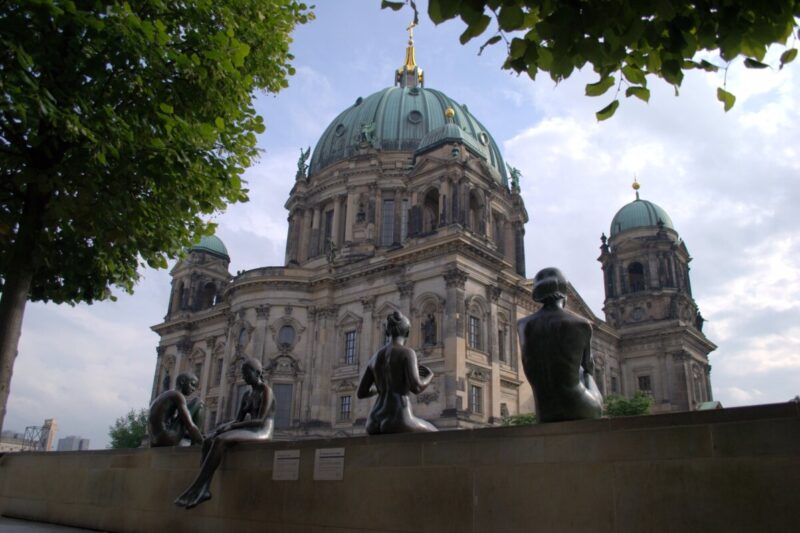

The Mosel Valley winds through Germany’s steepest vineyards — Riesling terraces carved into slopes so steep the harvest is done by hand, castle by castle.
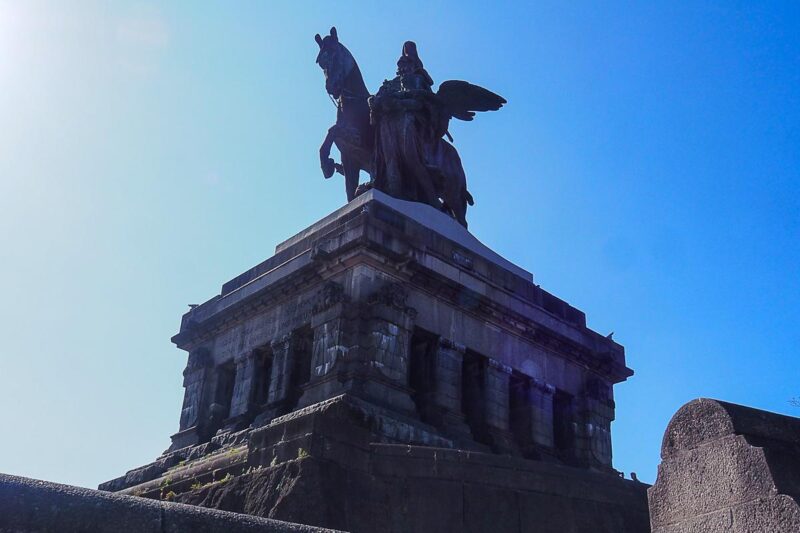
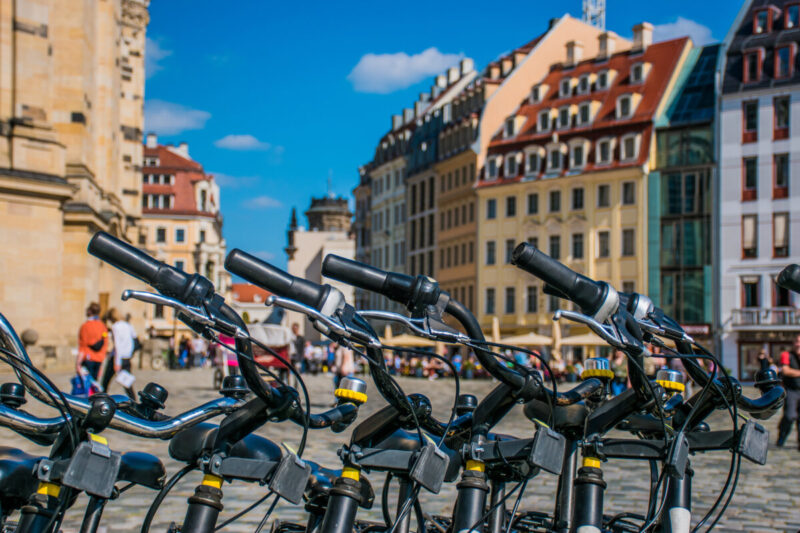

Cochem is a tiny Moselle Valley town with a castle perched above the river, vine-covered hillsides, and Riesling tastings that make the German wine region personal.
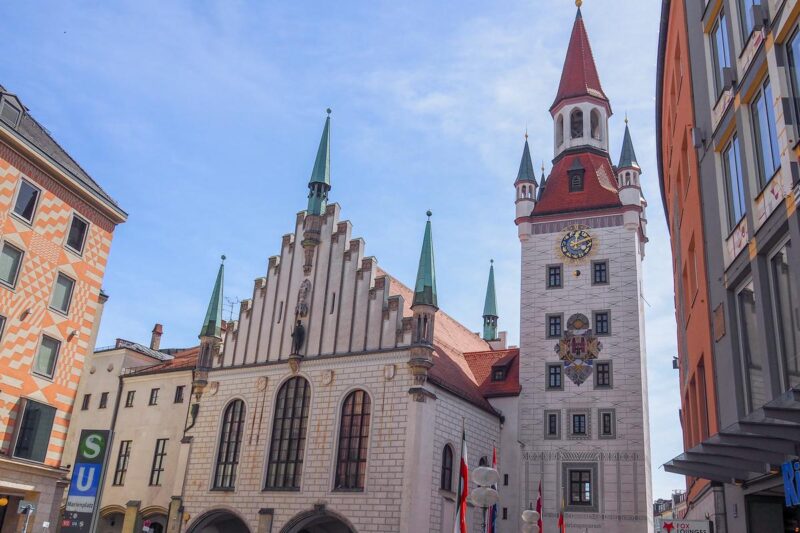

Garmisch-Partenkirchen sits at the foot of Germany’s highest peak — a Bavarian twin town where Olympic history meets alpine trails and beer garden culture.
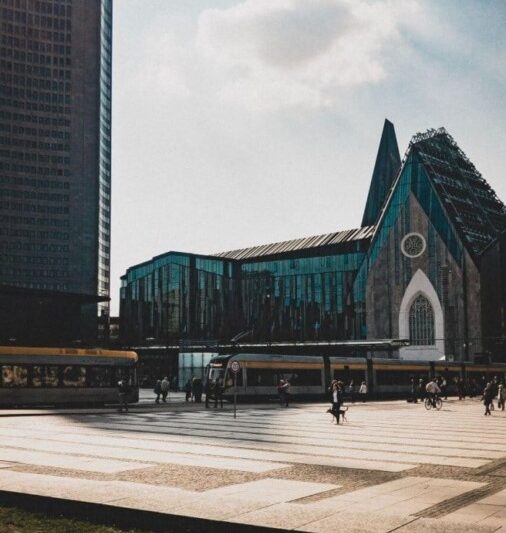
Leipzig was Bach’s home, the city where Monday protests toppled the Berlin Wall, and now Germany’s fastest-growing cultural hub — for a fraction of Berlin prices.
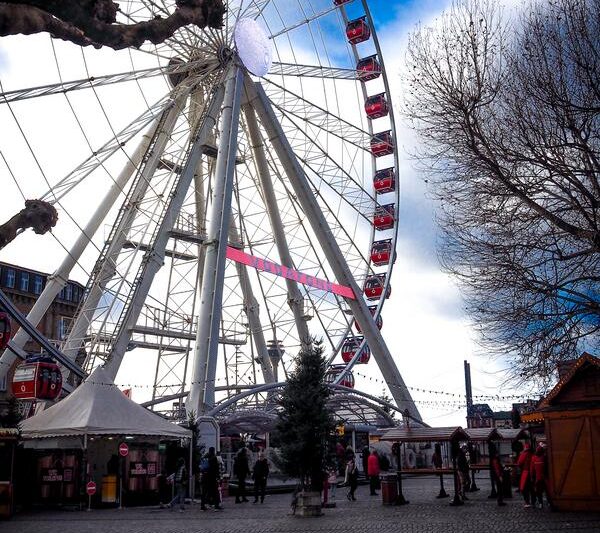
Düsseldorf captivates visitors with its harmonious blend of historic charm and cutting-edge innovation, creating an unforgettable urban experience along the picturesque Rhine.