


Beaune Photo Gallery
Explore stunning photos from Beaune. Browse our curated collection of travel photography showcasing the best of this destination.
France travel guides covering Paris, Provence, the Côte d’Azur, the Loire Valley, Alsace, Brittany, and the alpine east — Michelin-to-bistro picks, TGV strategy, regional wine routes, and the small towns worth the detour. EU EES applies since April 10, 2026; ETIAS launches Q4 2026 for US, UK, Canadian, and Australian visitors.
Explore stunning photos from Beaune. Browse our curated collection of travel photography showcasing the best of this destination.
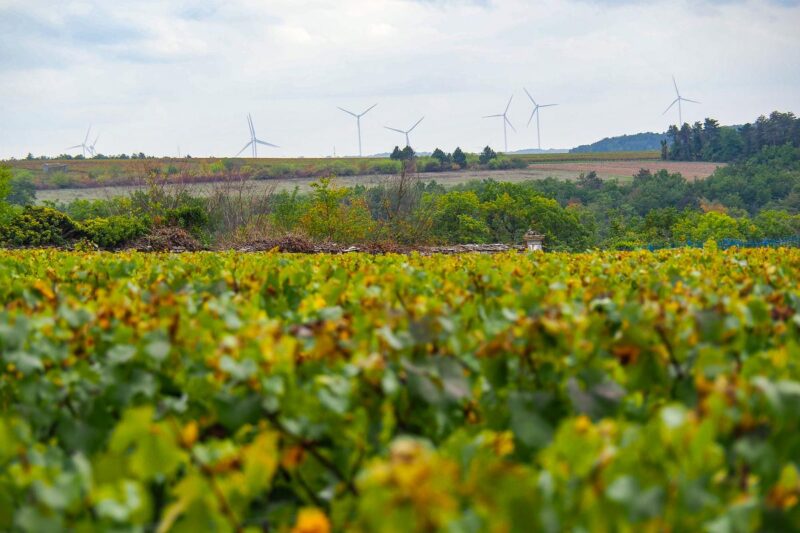
Saint-Tropez works better in May or October. July crowds and EUR30 rosé make the real town almost impossible to find.
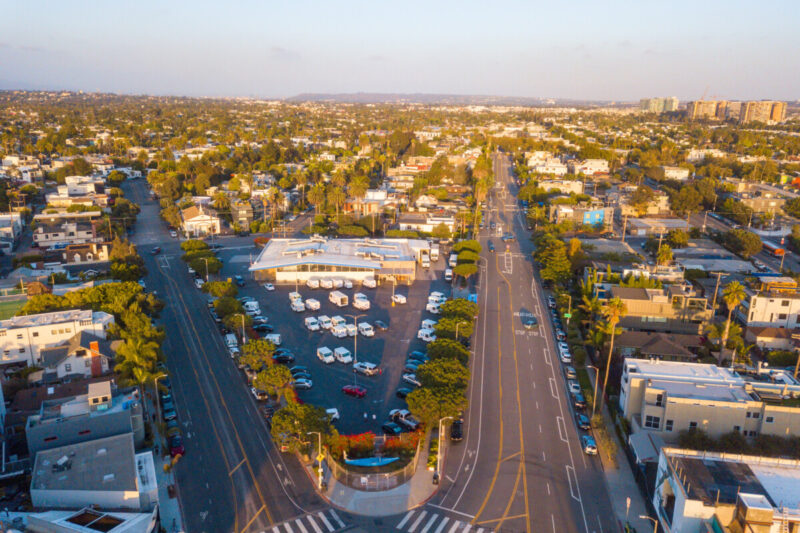

Burgundy’s wine route costs nothing to drive and the villages along it — Pommard, Meursault, Gevrey — are reason enough to slow down.
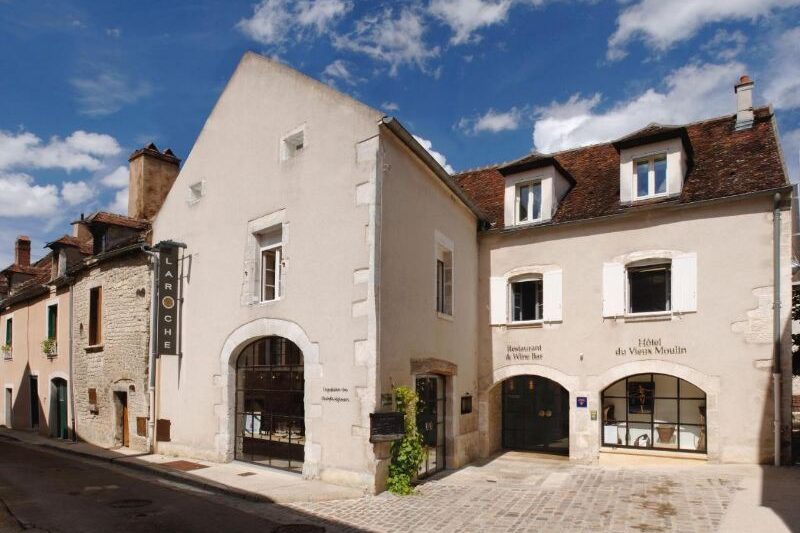
Toulouse earns its nickname in the late afternoon — the terracotta turns deep rose and the Place du Capitole looks like a film set.
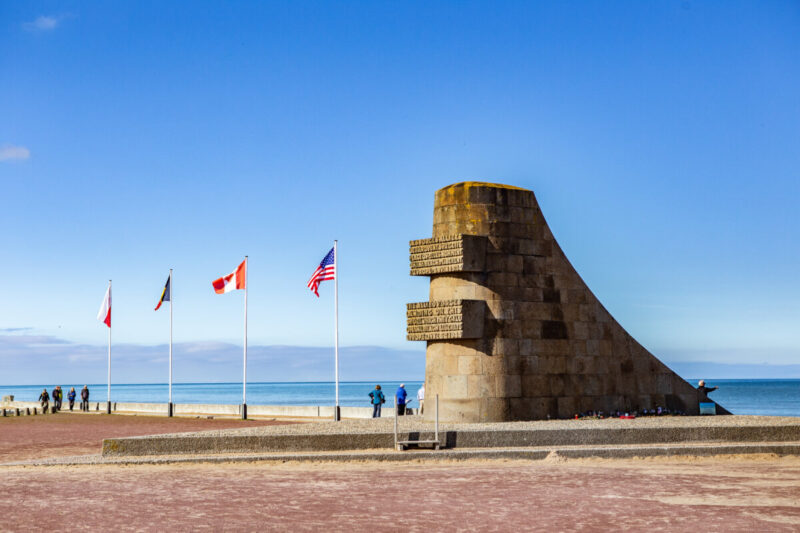

Strasbourg’s single Gothic spire cuts the skyline before you even reach Grande Île — and the winstubs behind it are where the real Alsace lives.
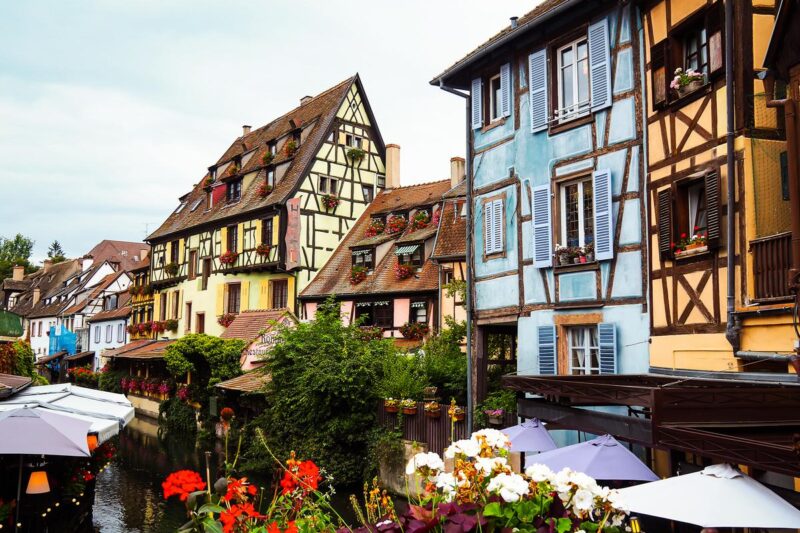
Alsace sits between France and Germany and tastes like both — riesling, tarte flambée, and half-timbered villages that actually look like that.
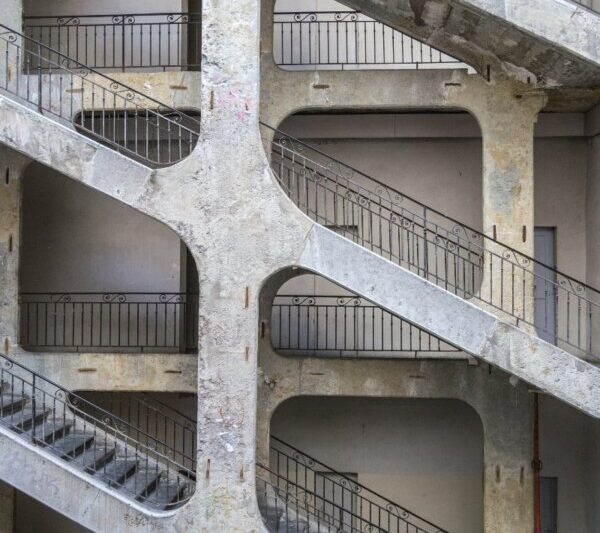
Lyon has more Michelin-starred restaurants per capita than Paris. The bouchons in Vieux-Lyon are where locals actually eat.
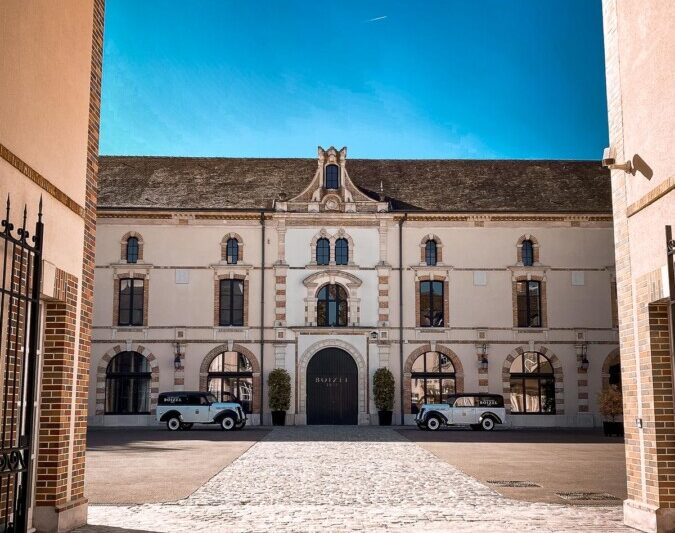
Reims Cathedral alone justifies the detour, but the real reason to come is the chalk caves beneath the city — where Veuve Clicquot ages by the millions.
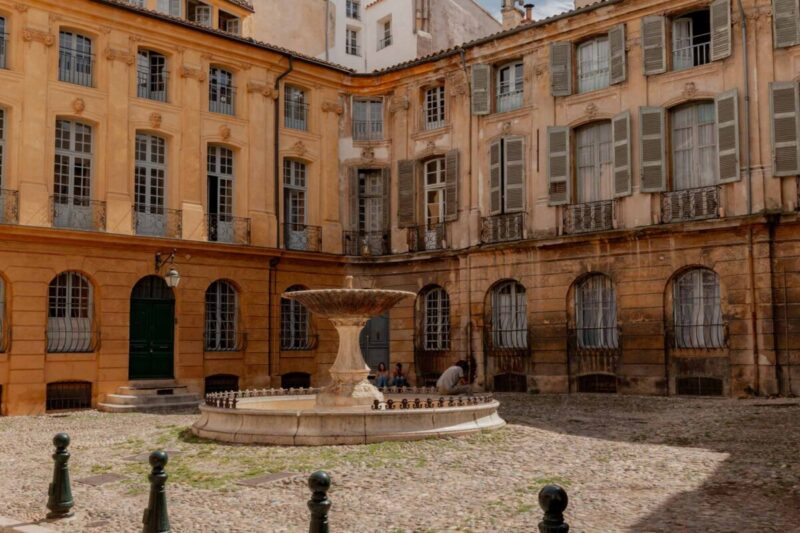
Cézanne’s atelier still has his smock on the wall. Follow the bronze ‘C’ markers around Aix and the city starts making sense.


The can-can has been performed here since 1889. Dinner, champagne, sequins, feathers — the Moulin Rouge is unapologetically theatrical.
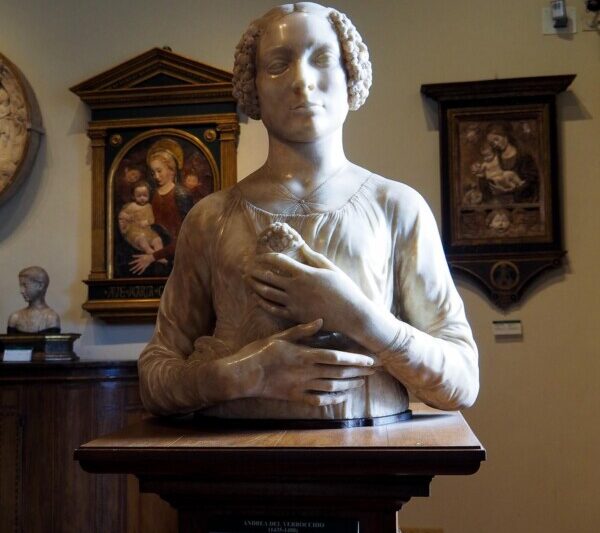
Step into the intricate tapestry of human civilization at Musée de l’Homme. Uncover authentic global traditions and thought-provoking exhibits. Experience a profound journey through our shared heritage.
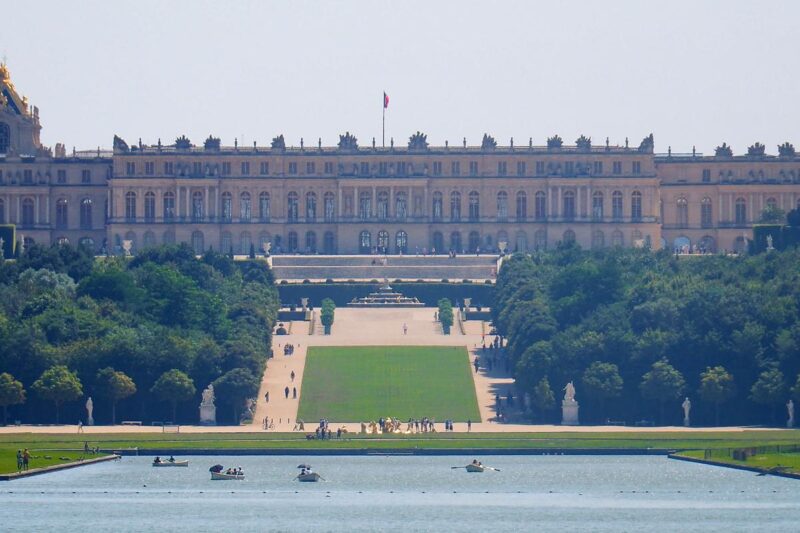
Perched on a rocky islet, this fortress-turned-prison whispers tales of intrigue and escape. Beyond its literary fame, Château d’If harbors secrets of Provençal history, waiting to be uncovered by the curious explorer.

Perched atop a promontory, this former imperial retreat now bustles with intellectual discourse. Its stone walls, once privy to royal whispers, now echo with the voices of modern thinkers, all under the watchful gaze of the Mediterranean.
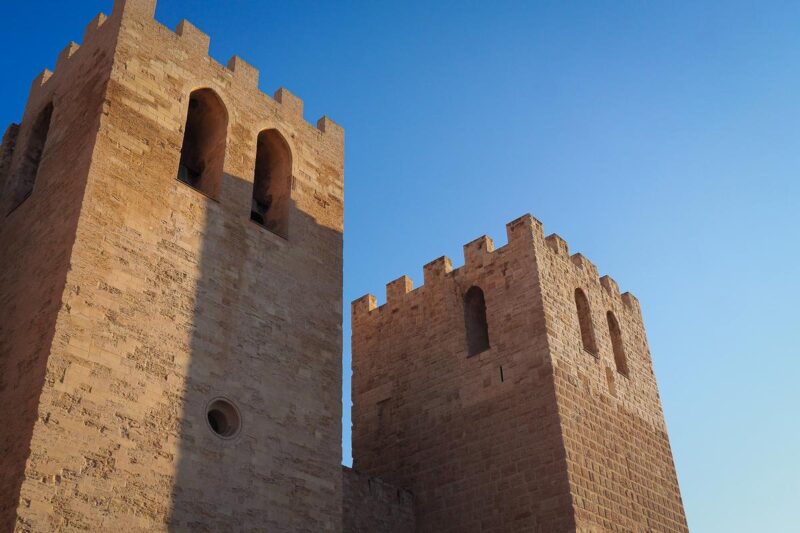
Abbaye Saint-Victor’s crypt whispers secrets from 415 AD, etched in pagan markings and ancient stone. This hilltop sentinel guards Marseille’s soul, weaving Roman roots with medieval mysteries in a [tapestry of cultural authenticity](https://www.novlr.org/the-reading-room/a-writers-guide-to-great-travel-writing).
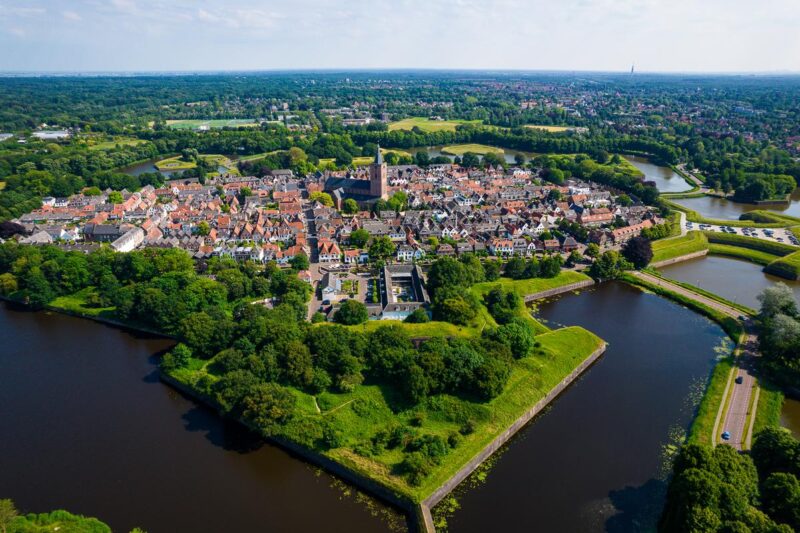
Perched above the Vieux-Port, Fort Saint-Jean whispers tales of royal decrees and maritime struggles. Its weathered walls and serene gardens offer a tranquil escape from the bustling city below.

Hemingway wrote here. Sartre argued here. Yes, it’s touristy — the terrace coffee still costs what it costs, and it’s still worth it.
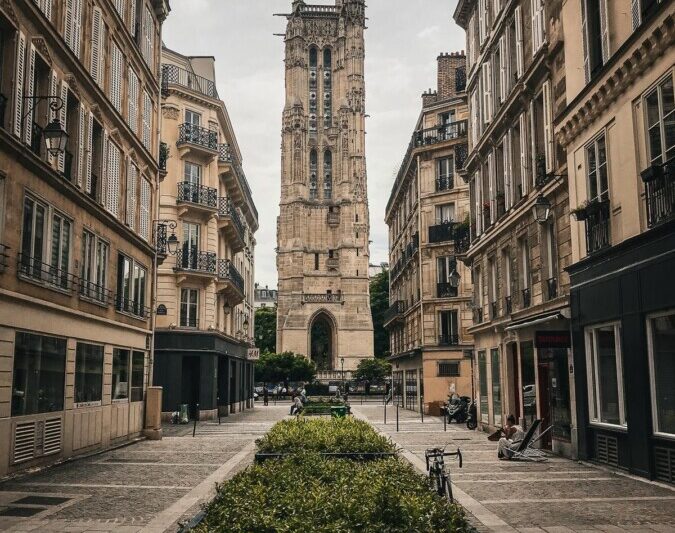
Tour Saint-Jacques is all that survived the Revolution. A 52-meter Gothic tower where pilgrims once set off for Santiago de Compostela.

The morning fish market at Quai des Belges still runs at dawn — get there by 8am or the best catch is already gone.