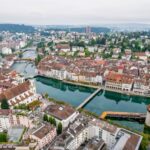
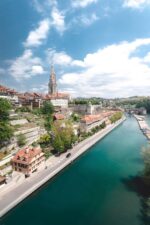
Lucerne, Switzerland, is a picturesque city nestled between the mountains and Lake Lucerne. Known for its stunning scenery, historical architecture, and vibrant culture, Lucerne offers a perfect blend of natural beauty and urban charm. Visitors can explore the iconic Chapel Bridge, the Lion Monument, and enjoy breathtaking views from nearby Mount Pilatus and Mount Rigi.
The destination guide
Lucerne
City in Switzerland, EuropeUpdated
- Overall6/10
- Best forCouples, Adventure seekers
- PeakJan, Feb, Jul, Aug
- CurrencyCHF
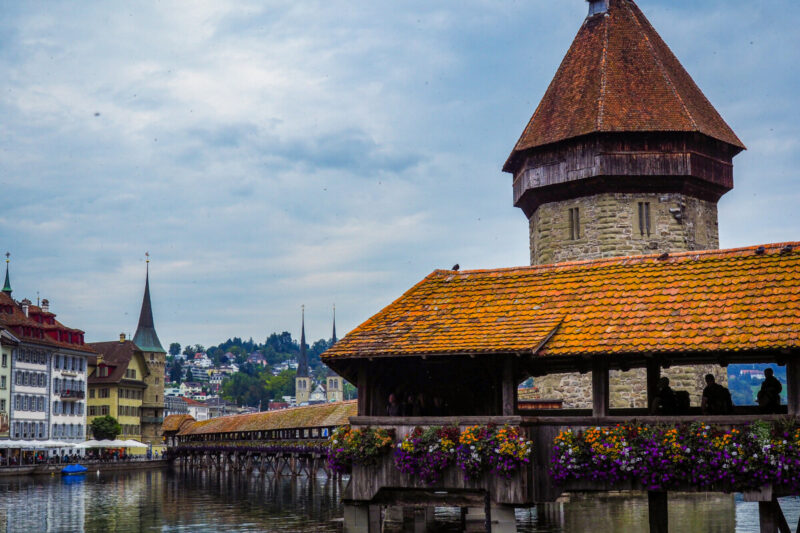
Lucerne sits where the Alps meet the lake — Chapel Bridge dates to 1333, Mount Pilatus looms overhead, and the water is the kind of blue that photographs can’t capture.
Travel guides for Lucerne
Things to do (1)
Where to stay (2)
Destination stories (1)
More guides featuring Lucerne (15)
At a glance
CurrencyCHF
Time zoneCentral European Time
Languages
- German
- French
- Italian
- Romansh
Setting
- Alpine lakeside city
- Chapel Bridge
- Pilatus mountain
- Crystal lake
Population82,54582,545 residents
VisaDuration: Up to 90 days within any 180-day period in the Schengen Area · Documents: Valid passport issued within the last 10 years and valid for at least 3 months after planned departure, plus proof of accommodation, onward or return travel, and sufficient funds if requested
How Lucerne scores
6/10OverallFair
Weather8/10
Value for money6/10
Safety9/10
Food & cuisine7/10
Culture & arts7/10
Cultural experience7/10
History8/10
Nature & outdoors9/10
Adventure4/10
Nightlife6/10
Shopping6/10
Family friendly5/10
Romance9/10
Character
Photography score7/10
Authenticity score10/10
Off-the-beaten-path score7/10
Editorial scores on a 10-point scale, weighed against destinations of the same kind.
Travel safety snapshot
Overall92/100High rating
Women travellers90/100
LGBTQ+ travellers88/100
Theft88/100
Medical care92/100
Physical harm93/100
Political freedom92/100
SafePlace indicators use their source 100-point scale; higher is more favourable. Planning context, not a live travel advisory — check official government guidance before you go.
When to go
Best months to visit: April, May, June, July, August, September, October and December.
- January: -2.4 to 4.3 degrees Celsius, 32.7 millimetres of rain, best-time score 2 out of 5.
- February: -1.7 to 6.6 degrees Celsius, 30.5 millimetres of rain, best-time score 2 out of 5.
- March: 0.6 to 9.3 degrees Celsius, 41.4 millimetres of rain, best-time score 3 out of 5.
- April: 2.9 to 13.6 degrees Celsius, 20.3 millimetres of rain, best-time score 4 out of 5.
- May: 5.2 to 14.5 degrees Celsius, 87.3 millimetres of rain, best-time score 5 out of 5.
- June: 11.6 to 21.9 degrees Celsius, 42.2 millimetres of rain, best-time score 5 out of 5.
- July: 12.8 to 22.9 degrees Celsius, 62.5 millimetres of rain, best-time score 5 out of 5.
- August: 13.9 to 24.2 degrees Celsius, 62.5 millimetres of rain, best-time score 5 out of 5.
- September: 11.2 to 20.8 degrees Celsius, 26.8 millimetres of rain, best-time score 5 out of 5.
- October: 6.2 to 14.4 degrees Celsius, 50.5 millimetres of rain, best-time score 4 out of 5.
- November: 2.8 to 10.5 degrees Celsius, 27.3 millimetres of rain, best-time score 3 out of 5.
- December: -1 to 4.5 degrees Celsius, 26.9 millimetres of rain, best-time score 4 out of 5.
Month-by-month conditions and packing advice
- January
- Cold weather, some rain January in Lucerne: cold and limited daylight make this less balanced outside winter-specific goals. Crowds: Lucerne in January caters to winter travelers seeking alpine culture, snowy excursions, and off-season tranquility in the city itself. It is low tourist season in terms of international leisure visitors, meaning fewer crowds at landmarks and better accommodation rates compared to summer. However, skiers and mountain enthusiasts increase numbers on nearby slopes, so booking rail passes or cable car tickets in advance is wise. The weather favors cultural experiences indoors and scenic rides on Lake Lucerne or mountain cogwheel trains. While conditions can limit long outdoor strolls, the payoff is an authentic winter atmosphere with easier access to major attractions and seasonal alpine festivals. Travelers should anticipate cold mornings, potential icy streets, and dress accordingly to maximize comfort. Pack: Insulated winter coat suitable for near-freezing temperatures; Waterproof boots with good traction for icy streets; Thermal base layers for layering comfort; Warm hat, gloves, and scarf for wind protection; Compact umbrella for frequent drizzle or snow; Smart casual attire suitable for museums and indoor cultural venues
- February
- Cold weather, some rain February in Lucerne: cold and limited daylight make this less balanced outside winter-specific goals. Crowds: Traveling to Lucerne in February means embracing its quieter winter season. While it’s not peak tourism like summer, winter brings its own rewards: smaller crowds at cultural sites such as the Swiss Museum of Transport or the Chapel Bridge, and easier access to cozy dining establishments. Hotels often offer mid-season pricing, though weekends may see an uptick due to winter sports visitors using Lucerne as a gateway to nearby ski resorts. Outdoor exploration in the city remains enjoyable with the right clothing, but the true highlight is the proximity to snowy Alpine excursions just a short train ride away. February is an excellent time for travelers who appreciate serene landscapes, cultural exploration, and access to winter sports without the bustle of summer tourism. Pack: Insulated winter coat for sub-zero evenings; Waterproof boots for rain and slushy streets; Thermal base layers for warmth; Wool hat and insulated gloves; Umbrella or compact rain jacket; Smart-casual attire for indoor cultural venues
- March
- Cool weather, some rain March in Lucerne: weather and mountain access are less predictable, so keep flexible plans. Crowds: March represents the shoulder season in Lucerne, when winter activities taper off and spring attractions are just beginning. Visitor numbers are moderate, offering a quieter experience compared to summer’s peak. Hotel prices remain reasonable, though ski resorts nearby may still attract weekend crowds. Outdoor exploration is possible, but travelers should be prepared for damp weather and occasional chilly winds. It’s a transitional month: boat rides on Lake Lucerne may resume depending on weather, while mountain cable cars offer stunning views of lingering snow. For those who appreciate fewer crowds and don’t mind layering up, March provides a balanced mix of culture, scenery, and relative affordability before tourism levels spike in late spring. Pack: Waterproof jacket with hood for rain showers; Insulated walking shoes for damp cobblestone streets; Warm layers including sweaters and thermal tops; Compact umbrella for sudden downpours; Scarf and gloves for chilly evenings; Smart-casual attire suitable for indoor cultural events
- April
- Cool weather, mostly dry April in Lucerne: spring, fall, or festive winter can be rewarding with fewer crowds or seasonal charm. Crowds: April marks the beginning of Lucerne’s shoulder season, a sweet spot for travelers seeking moderate weather and fewer crowds. While it’s not yet peak tourist season, you’ll notice a steady increase in visitors drawn by spring’s charm and lower accommodation rates compared to the summer rush. Outdoor activities such as boat trips on Lake Lucerne and gentle hikes in lower elevations become comfortable options, though higher alpine trails may still be closed due to snow. The cool evenings make it wise to plan indoor cultural visits, such as exploring the Rosengart Collection or enjoying local cafés. Travelers benefit from balanced pricing, more availability in hotels, and shorter queues at attractions. Booking flexibility remains high, making this a favorable time for spontaneous travel plans. Pack: Waterproof jacket for occasional spring showers; Warm sweater or fleece for cooler evenings; Comfortable walking shoes for cobblestone streets; Light scarf or shawl for layering; Travel umbrella for unexpected rain; Smart-casual outfit for dining in local restaurants
- May
- Cool weather, some rain May in Lucerne: lake cruises, mountain railways, old-town walks, and alpine views have the best access. Crowds: May represents the shoulder season in Lucerne, when the city is waking from its winter quiet but not yet in the full swing of summer tourism. Moderate rainfall means that flexible planning is key, yet conditions are generally suitable for sightseeing, boat rides on Lake Lucerne, and day trips into the surrounding Alps. Crowds remain lighter than in June through August, which makes popular attractions like the Chapel Bridge or Mount Pilatus more accessible. Hotel rates are relatively reasonable compared to peak season, but early bookings are still wise. Outdoor cafés begin opening their terraces, while spring festivals and markets add cultural depth. Travelers should anticipate variable weather but will benefit from fewer lines, better prices, and a more local atmosphere compared to high summer. Pack: Waterproof jacket with hood for frequent showers; Comfortable waterproof walking shoes; Warm sweater or fleece for cooler evenings; Compact umbrella for city exploration; Camera rain cover for photography in damp conditions; Layered outfits to adapt to shifting temperatures
- June
- Warm and pleasant, some rain June in Lucerne: lake cruises, mountain railways, old-town walks, and alpine views have the best access. Crowds: June is one of the best times to visit Lucerne, marking the start of Switzerland’s summer tourist season. Comfortable temperatures and long daylight hours encourage hiking in the nearby mountains, boat rides across the lake, and exploring the city’s cultural landmarks. While it’s not as crowded as July or August, hotel prices and availability begin to tighten, especially around weekends and festivals. Occasional showers are common but rarely disruptive, often clearing quickly to reveal crisp alpine views. This month offers a sweet spot: lively enough to enjoy open-air concerts and lakefront activities, yet without the overwhelming crowds of peak summer. Booking accommodations in advance is wise, particularly for lake-view hotels and mountain excursions. Travelers should expect a mix of local events and visiting tourists, creating a vibrant yet manageable atmosphere. Pack: Light waterproof jacket for occasional showers; Comfortable walking shoes suitable for cobblestones; Breathable layers for shifting daytime and evening temperatures; Compact umbrella for sudden rain showers; Light scarf or wrap for cooler nights by the lake; Camera with extra memory cards for extended daylight photography
- July
- Warm and pleasant, some rain July in Lucerne: lake cruises, mountain railways, old-town walks, and alpine views have the best access. Crowds: July represents the heart of Lucerne’s summer tourist season. Warm, sunny conditions attract both international visitors and domestic travelers, which means popular attractions like Mount Pilatus, Rigi, and lake cruises can be crowded and booked out well in advance. Hotel rates and restaurant pricing reflect peak demand, so travelers should budget accordingly. The weather is excellent for cultural festivals and open-air concerts, which thrive under clear summer skies. Occasional rain showers rarely disrupt plans for long, but flexibility in itineraries is advised. The high season atmosphere ensures vibrant energy throughout the city, with extended opening hours at many venues. Advance bookings are essential for mountain excursions and lake tours during this month. Pack: Breathable summer clothing with light layers for cooler evenings; Comfortable waterproof walking shoes for city and alpine paths; Compact umbrella or lightweight rain jacket for summer showers; UV-protective sunglasses and broad-spectrum sunscreen; Smart-casual outfit for cultural events and concerts; Reusable water bottle to stay hydrated during long outdoor activities
- August
- Warm and pleasant, some rain August in Lucerne: lake cruises, mountain railways, old-town walks, and alpine views have the best access. Crowds: August is firmly within Lucerne’s peak tourist season, drawing both European vacationers and international travelers who come to enjoy long summer days by the lake and festivals in the old town. Warm, comfortable conditions support a full range of activities—cruises on Lake Lucerne, hikes up Mount Pilatus or Rigi, and outdoor concerts. However, the popularity of the season means higher hotel rates and busy waterfront promenades. Afternoon rain showers may interrupt plans briefly, but they rarely spoil an entire day and often make the atmosphere more refreshing. Travelers should plan ahead with reservations for accommodations and popular attractions, as demand runs high. The balance of cultural events, natural scenery, and manageable weather makes August ideal, though those seeking quieter conditions might prefer the shoulder months. Pack: Light waterproof jacket for sudden showers; Comfortable walking shoes for cobbled streets and trails; Breathable cotton or linen shirts; Compact travel umbrella; Layered clothing for cooler evenings; Daypack for carrying water and festival essentials
- September
- Warm and pleasant, some rain September in Lucerne: lake cruises, mountain railways, old-town walks, and alpine views have the best access. Crowds: September marks the tail end of Lucerne’s busy summer season, where crowds begin to thin and prices gradually ease from peak levels. The pleasant daytime temperatures are ideal for hiking the surrounding mountains, taking boat excursions on Lake Lucerne, or exploring heritage sites on foot without the intensity of summer heat. Rainfall is modest and usually not disruptive, so outdoor plans remain reliable with light rain gear. The month also coincides with cultural events such as harvest festivals in the surrounding region, adding local flavor to a trip. Travelers benefit from a sweet spot of fewer tourists, reasonable booking opportunities, and scenic early autumn landscapes, making September a well-balanced time for both active exploration and cultural immersion. Pack: Light jacket or cardigan for cooler evenings; Comfortable waterproof walking shoes; Compact travel umbrella or rain jacket; Layered clothing for daytime-to-evening shifts; Smart-casual outfits for Swiss dining culture; Daypack for hikes and boat trips
- October
- Cool weather, some rain October in Lucerne: spring, fall, or festive winter can be rewarding with fewer crowds or seasonal charm. Crowds: October in Lucerne falls into the shoulder season, when the summer crowds have thinned but ski season has yet to begin. The cooler, wetter conditions make it less ideal for long mountain hikes, but city-based activities and scenic lake cruises are rewarding without the bustle of high season. Hotel prices tend to ease compared to summer peaks, offering good value. Travelers should expect occasional showers and plan flexible itineraries, alternating between outdoor explorations and indoor cultural highlights such as the Rosengart Collection or the Swiss Transport Museum. This balance of fewer tourists, manageable weather, and autumnal landscapes makes October a serene, if slightly unpredictable, time to visit. Pack: Waterproof jacket with hood for rain showers; Warm sweater or fleece for cooler evenings; Comfortable waterproof walking shoes; Compact umbrella for city exploration; Scarf and light gloves for early mornings; Camera with weather protection for autumn photography
- November
- Cool weather, some rain November in Lucerne: weather and mountain access are less predictable, so keep flexible plans. Crowds: Travel in November falls firmly in Lucerne’s shoulder-to-low season, as cooler temperatures and intermittent rain keep large tourist crowds away. Accommodation rates drop significantly, offering good value for travelers who prefer quieter streets and uncrowded attractions. Outdoor activities like mountain hikes may be limited due to slippery conditions and early snow at higher altitudes, but city-based exploration thrives. Museums, art galleries, and concerts offer cozy cultural escapes, while boat trips on Lake Lucerne continue with fewer passengers, providing a peaceful perspective on the mist-draped landscapes. This period is ideal for budget-conscious travelers or those seeking a slower, more reflective experience, though advanced planning is advisable for indoor cultural events as locals also shift toward these activities during cooler weather. Pack: Waterproof jacket for light rain; Insulated walking shoes with good grip; Layered sweaters and long-sleeve shirts; Compact umbrella for passing showers; Warm scarf and gloves for evenings; Smart casual attire suitable for concerts and museums
- December
- Cold weather, some rain December in Lucerne: spring, fall, or festive winter can be rewarding with fewer crowds or seasonal charm. Crowds: December brings a mix of atmospheric charm and practical challenges for visitors to Lucerne. The cold, damp weather makes outdoor exploration brisk but memorable, especially when paired with the city’s vibrant holiday markets and seasonal cultural events. Tourist numbers are moderate, as many travelers prefer Lucerne’s spring and summer seasons, which means lower crowding but steady pricing due to festive demand. Ski resorts nearby attract winter sports enthusiasts, while the city itself offers cozy indoor attractions such as museums and concert halls. Short daylight hours require thoughtful planning, with mornings and afternoons best for sightseeing, leaving evenings for warming meals in traditional Swiss taverns. Booking accommodations early is advisable, as December’s holiday period increases demand. Pack: Insulated winter coat for freezing temperatures; Waterproof boots with good grip for wet or icy streets; Thermal base layers for added warmth; Warm hat, scarf, and gloves for outdoor comfort; Compact umbrella for rain or sleet; Smart casual attire suitable for festive indoor venues
Peak season
- December
- January
- February
- July
- August
Off-peak
- April
- May
- October
- November
- March
- June
- September
Know before you go
About
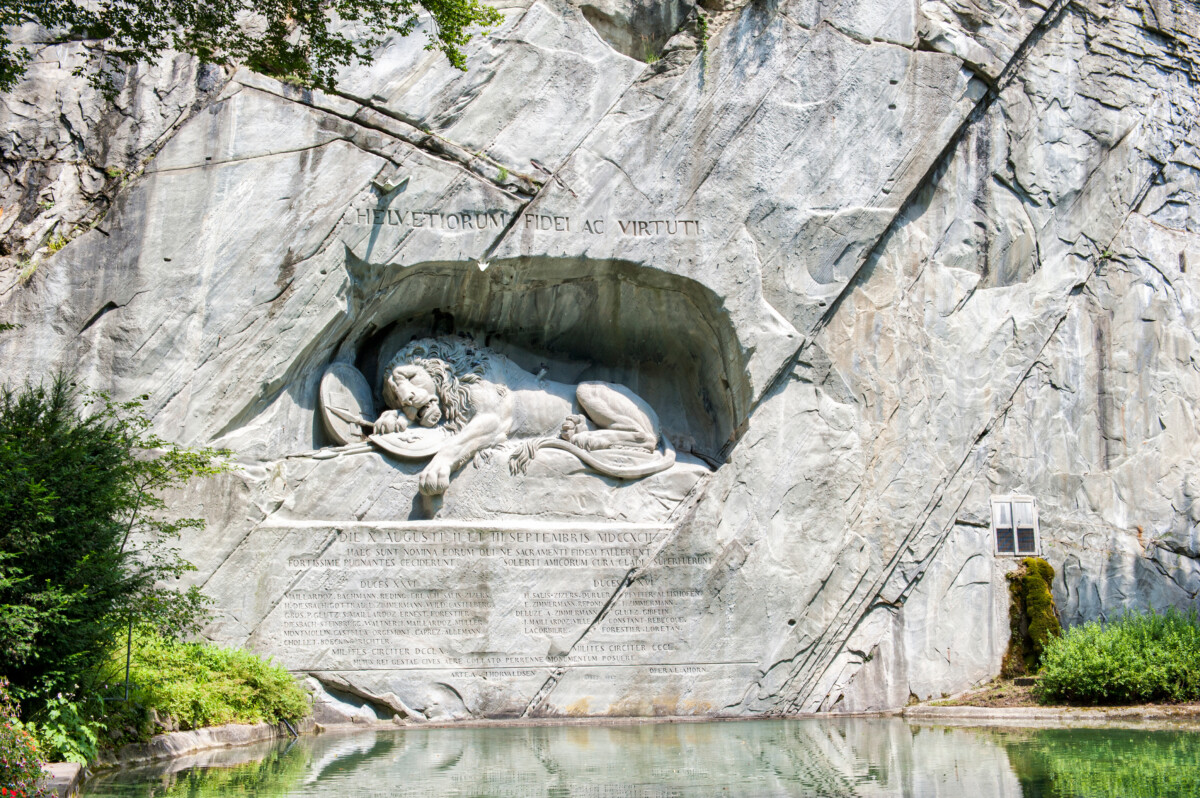
Lucerne, in the heart of central Switzerland, is a postcard-perfect lakeside city where medieval streets meet snow-capped peaks. Capital of its canton and home to about 82,000 residents, it sits on the shores of Lake Lucerne where the River Reuss flows out beneath its famous landmark, the Chapel Bridge. This covered wooden footbridge, first built in 1333 and adorned with its octagonal water tower, is among the oldest of its kind in Europe; restored after a 1993 fire, it remains the city’s emblem. Nearby, the moving Lion Monument, carved into a cliff face, commemorates Swiss Guards who died in 1792, while the well-preserved Musegg Wall with its nine towers crowns the old town. Lucerne is also a springboard into the Alps, with excursions to Mount Pilatus and Rigi by cogwheel railway, cable car, and lake steamer. Visitors stroll frescoed old-town squares, cruise the lake, and ride to panoramic summits. Romantic and effortlessly scenic, Lucerne is one of Switzerland’s most enchanting cities.
Best time to visit
June for the best overall balance of warm weather (18-24°C), open mountain railways, and manageable crowds. May and September offer mild temperatures with fewer tourists. July and August are warmest (up to 28°C) and busiest — ideal for lake swimming and Alpine excursions but accommodation prices are highest. December brings Christmas markets and a festive atmosphere. Winter offers snow-capped scenery and nearby skiing.
Crowds
Lucerne peaks in summer (June–August) with cruise-ship surges and during Swiss national holidays; quietest in November–March (excluding Christmas markets) when visitor numbers drop, though winter sports season brings some local tourism.
Getting there and around
Getting there
No international airport in Lucerne. Most visitors fly into Zurich Airport (ZRH) — direct trains to Lucerne take about 1 hour 5 minutes. Geneva Airport (GVA) is about 3 hours 10 minutes by train. Basel is 1 hour 5 minutes by train. Switzerland’s rail network is exceptionally efficient and punctual. Lucerne’s train station is centrally located, adjacent to the Old Town, bus platforms, and boat docks. Driving is possible via motorways from Zurich, Bern, and Basel but parking in the center is limited and expensive.
Getting around
The city center is compact and easily explored on foot — Chapel Bridge, the Lion Monument, and the Old Town are all within walking distance. The Lucerne Visitor Card (free for hotel guests) provides unlimited buses and trains within the city zone plus museum discounts. Lake Lucerne Navigation boats offer scenic transport and sightseeing. The Golden Round Trip to Mount Pilatus combines a lake cruise, the world’s steepest cogwheel railway, and cable cars. Bicycles can be rented at the train station.
Top experiences in Lucerne
Lake Lucerne
Mount Pilatus
Musegg Wall
Editor-curated picks carried over from our original guide. Where a full place guide exists, the card links to it.

Worth booking ahead in Lucerne
Hand-picked from the operators our guides already send readers to. Prices and availability are live on the partner site.
BrowseViator
Tours and tickets in Lucerne on Viator (opens Viator in a new tab)
Viator's full list of bookable tours and tickets in Lucerne.
BrowseGetYourGuide
Experiences in Lucerne on GetYourGuide (opens GetYourGuide in a new tab)
Everything GetYourGuide sells in Lucerne, with the cancellation terms on each listing.
Where to stayBooking.com
Stays in Lucerne (opens Booking.com in a new tab)
Live rates and availability for Lucerne on Booking.com; filter by neighbourhood once you know where your days start.
We earn a commission if you book through these links, at no extra cost to you. It is how we keep the guides free and independent.
Where to stay
Hotel Schweizerhof Luzern
Hotel des Balances
Editor-curated stays carried over from our original guide. Where we have reviewed the hotel, the card links to the review.
Tips from the field
Highlights
- Chapel Bridge (Kapellbrücke) — Europe's oldest covered wooden bridge (1333) with painted interior panels. Lion Monument — Mark Twain called it 'the most mournful and moving piece of stone in the world.' Lake Lucerne — Fjord-like Alpine lake with boat cruises and swimming. Mount Pilatus — Panoramic views of 70+ Alpine peaks reached via the world's steepest cogwheel railway. Old Town — Car-free historic center with frescoed medieval buildings. Musegg Wall — Walkable medieval fortification with nine towers. Swiss Museum of Transport — Interactive mobility exhibition.
Practical tips
- Switzerland is expensive: budget CHF 30-50 for a restaurant main course, CHF 5+ for a coffee. The Lucerne Visitor Card (free from your hotel) saves significantly on transport, mountain railways, and museums — ask at check-in. The Golden Round Trip to Mount Pilatus is the must-do excursion but runs May to November only (cogwheel railway section). Book lake cruise and mountain tickets online for slight discounts. The Old Town is car-free — park outside and walk. Chapel Bridge is best photographed at dawn before tour groups arrive. Swiss tap water is excellent and safe to drink everywhere. Tipping is not expected but rounding up is appreciated.
Culture, customs and safety
Cultural heritage
Lucerne embodies the quintessential Swiss Alpine lake culture and tourism heritage, where medieval Swiss Confederation history, traditional mountain lake lifestyle, and international tourism pioneering created the archetypal Swiss destination. The city preserves traditional Swiss mountain culture while maintaining its role as gateway to Central Swiss Alps and cultural heart of German-speaking Switzerland. Lucerne cultural heritage encompasses Swiss Confederation founding traditions, Alpine lake cultural practices, traditional Swiss craftsmanship, and contemporary Swiss tourism excellence that continues to represent the essence of Swiss cultural identity and Alpine lifestyle worldwide.
Local customs & etiquette
Lucerne culture embodies Swiss German (Schwiizerdüütsch) traditions with a cosmopolitan tourist-friendly atmosphere. The greeting “Grüezi” is standard, with locals appreciating attempts at German despite widespread English fluency. Swiss punctuality is legendary – trains departing exactly on schedule, and arriving late to appointments is considered highly disrespectful. The Fasnacht (Carnival) transforms the orderly city into organized chaos with elaborate costumes, Guggenmusik bands, and controlled revelry starting at 5 AM on “Dirty Thursday.” Alpine horn performances and yodeling maintain mountain traditions. Swiss quality over quantity philosophy means higher prices but exceptional standards. Sunday remains a day of rest with most shops closed except at the station. Environmental consciousness is paramount – littering brings heavy fines, and recycling is meticulously sorted. Fondue and rösti are winter staples, while summer sees locals swimming in the pristine lake. The William Tell legend permeates local identity despite questionable historicity.
Safety notes
Switzerland is consistently one of the safest countries in the world. Lucerne has virtually no safety concerns — violent crime is extremely rare and petty crime is minimal. Standard travel precautions apply in crowded tourist areas. Mountain excursions require appropriate footwear and weather awareness — conditions can change quickly at altitude. Comprehensive travel insurance is recommended due to Switzerland’s high healthcare costs. Emergency: 112 (EU standard) or 117 (police) / 144 (ambulance).