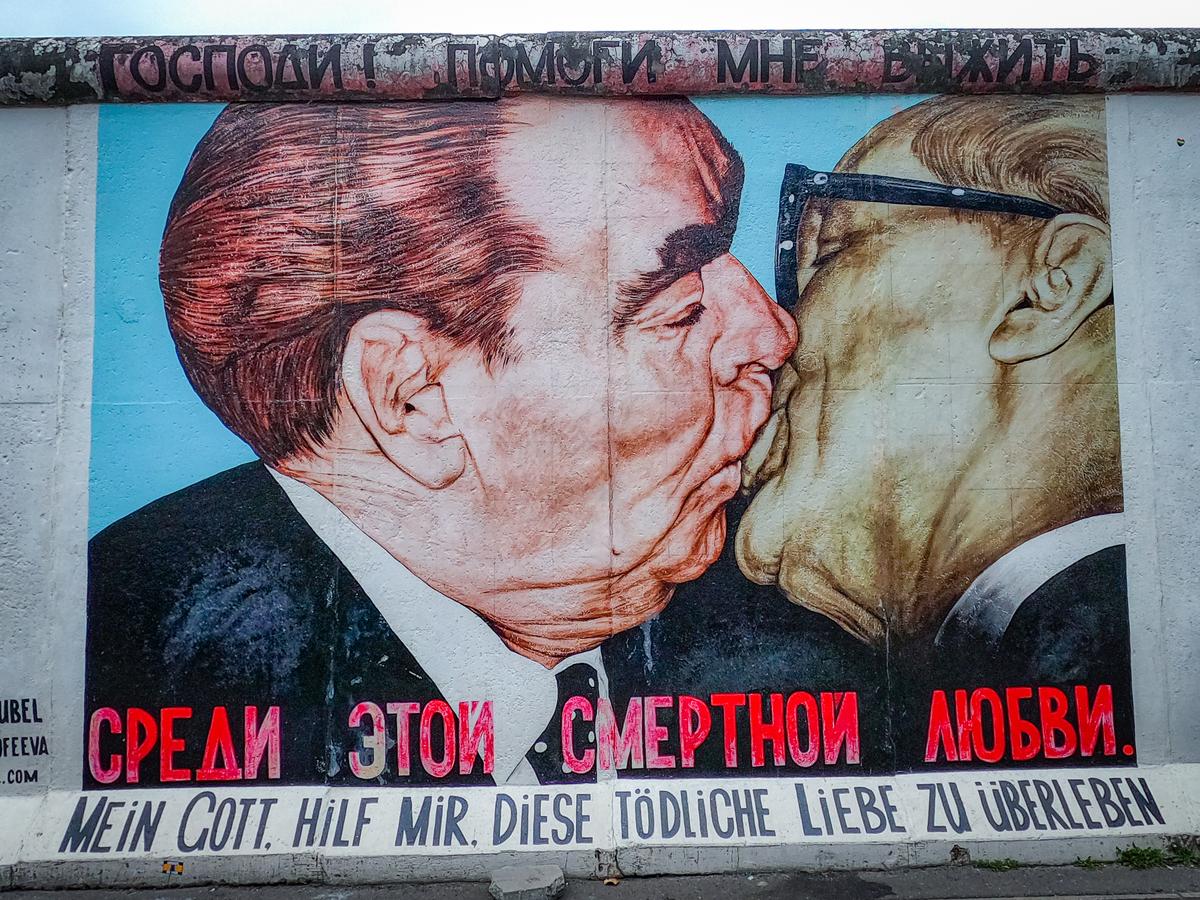
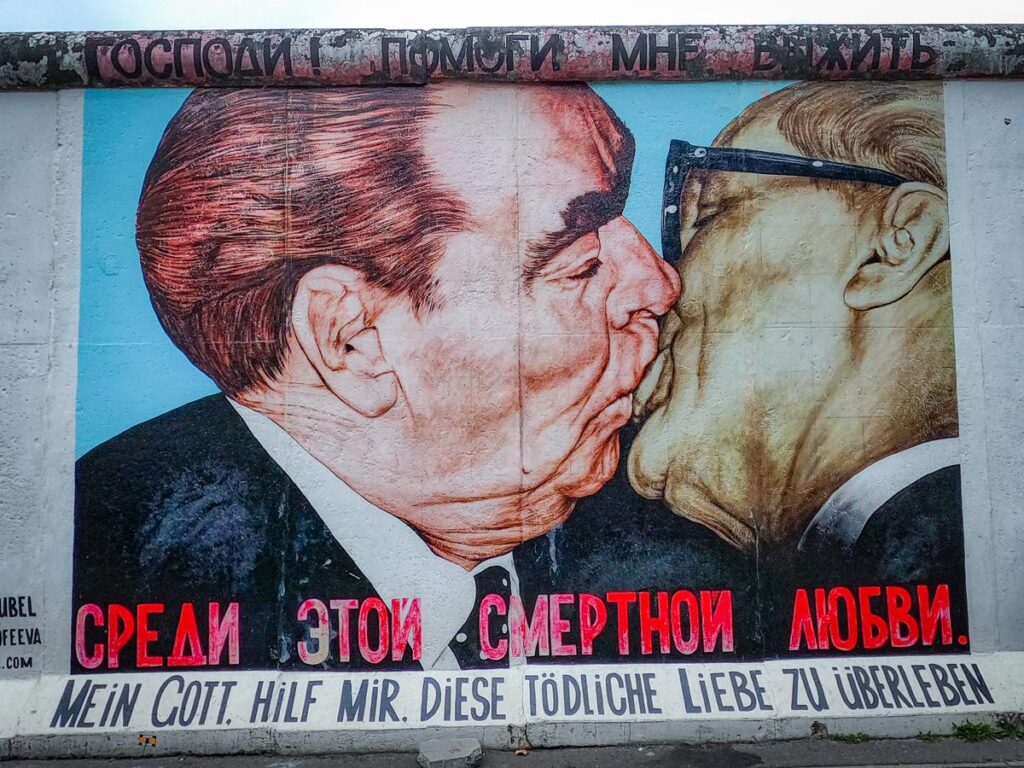
The Berlin Wall Memorial stands as Germany‘s most significant monument to division and reunification, preserving the authentic remnants of the barrier that split Berlin for 28 years. This powerful memorial site along Bernauer Strasse showcases original wall segments, the death strip, and authentic border fortifications that divided families and a city from 1961 to 1989. The memorial’s documentation center provides comprehensive historical context through photographs, testimonies, and artifacts that reveal the human cost of political division. Visitors walk along the preserved border strip where they can see original wall sections, guard towers, and the deadly no-man’s-land that claimed the lives of those seeking freedom. The site honors the victims who died attempting to cross the border while celebrating the peaceful revolution that brought down the wall. Interactive exhibits explore the wall’s construction, the ingenious escape attempts, and the political circumstances that led to Berlin’s division and eventual reunification. The memorial’s Chapel of Reconciliation, built on the site of a church destroyed to clear the death strip, symbolizes healing and remembrance. Original cobblestones mark the wall’s path throughout Berlin, connecting this memorial to the city’s broader historical narrative. The Berlin Wall Memorial offers visitors a profound understanding of how ordinary people endured extraordinary circumstances and ultimately triumphed over oppression through peaceful resistance and unwavering hope for freedom.
Cultural Context
The Berlin Wall Memorial embodies the profound cultural trauma and ideological divisions of the Cold War era, serving as a powerful symbol of humanity’s capacity for both oppression and liberation. The memorial represents the clash between communist authoritarianism and Western democratic values that defined 20th-century geopolitics, while honoring the human cost of political division through stories of families torn apart, escape attempts, and the 260 people who died seeking freedom. The site functions as a cultural bridge connecting past and present, educating visitors about the realities of life under totalitarian surveillance while promoting values of human rights, freedom of movement, and democratic governance. The Chapel of Reconciliation within the memorial complex embodies themes of forgiveness and healing, demonstrating how societies can confront painful histories while building peaceful futures.
Historical Context
The Berlin Wall Memorial preserves the history of the barrier constructed on August 13, 1961, when East German authorities, backed by Soviet leadership, erected barbed wire and concrete walls to stem mass migration from communist East Berlin to democratic West Berlin. Built overnight under the orders of East German leader Walter Ulbricht, the wall transformed from a makeshift barbed wire fence into a complex 155-kilometer system of concrete barriers, watchtowers, armed guards, and deadly “death strips” by the 1980s. The wall stood for 28 years until November 9, 1989, when mounting pressure from peaceful protests, policy changes under Mikhail Gorbachev, and the collapse of communist governments across Eastern Europe led to its dramatic fall. During its existence, over 5,000 people successfully escaped to the West, while more than 260 died in the attempt, making the wall both a symbol of oppression and human resilience.